How to Grow Great White Shark

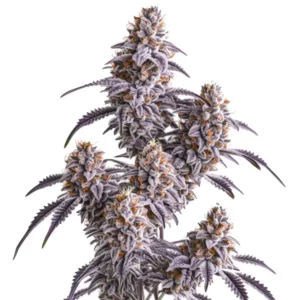
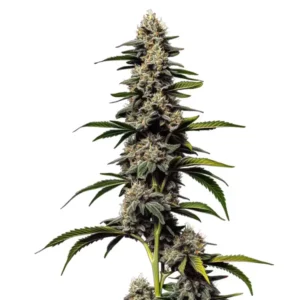
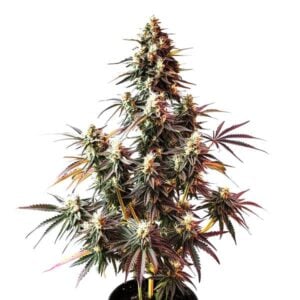
Great White Shark is an indica-dominant feminized classic prized for its frosty, resin-caked buds and a relaxed, soothing effect. It carries a high 21–24% THC, a berry, fruity, sweet and tropical flavor, and a relaxed, soothing, night-time character on a sturdy, heavy-yielding plant with legendary 1990s Amsterdam heritage.
Bred from a cross of Super Skunk x South American x South Indian, Great White Shark is an 80% indica, 20% sativa feminized strain that earned its name in the Dutch seed scene of the 1990s. The Super Skunk side drives its dense, pungent, resin-heavy structure, while the landrace South American and South Indian genetics add depth, vigour and that unmistakable frosted, white-trichome finish.
Recommended Strains

Great White Shark

|
THC | 21% - 24% (High) |

|
Type | Feminized |

|
Yield | High |

|
Phenotype | 80% Indica / 20% Sativa |

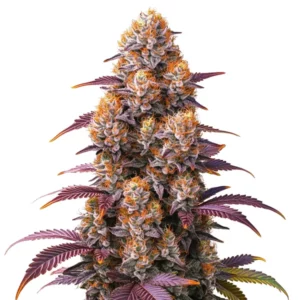
Gorilla x White Widow
|
|
THC | 20% - 25% (High) |
|
|
Type | Feminized |
|
|
Yield | High |
|
|
Phenotype | 80% Indica / 20% Sativa |
Because it is hardy, productive and forgiving, Great White Shark is a rewarding grow for beginners and veterans alike. You can see the full genetics and buy Great White Shark feminized seeds on the strain page, and browse more of our feminized seeds alongside it.
Strain Profile at a Glance
| THC | 21–24% (high) |
|---|---|
| Lineage | Super Skunk x South American x South Indian |
| Type | Feminized |
| Genetics | 80% Indica / 20% Sativa |
| Climate | Dry / warm |
| Flowering time | 8–10 weeks |
| Harvest | October |
| Height | 4.92 ft / 1.5 m |
| Yield indoor | 2.62 oz/ft² (800 g/m²) |
| Yield outdoor | 17.64–21.16 oz/plant (500–600 g/plant) |
| Grow difficulty | Beginner-friendly |
| Flavors | Berry, Fruity, Sweet, Tropical |
| Effects | Relaxed, Soothing, Night-time |
Promos & Deals

Climate and Where to Grow It
Great White Shark does best in a warm, dry climate with strong light and good airflow. It is a hardy, adaptable plant that performs both outdoors in a warm season and in a controlled indoor tent, reaching a medium 1.5 m, so it fits most spaces without demanding a tall room as it develops into flower.
Outdoors it finishes around October and can reward a good spot with 500–600 g per plant, while indoors it is a notably heavy producer at around 800 g/m². Those are strong numbers for a plant this manageable, but they depend on light, pot size and canopy health, so give it room and feed it steadily to reach the top of the range.
Indoors, aim for daytime temperatures around 70–82°F (21–28°C) and keep steady airflow moving through the canopy. A drier room suits it: its dense, resin-heavy indica buds hold moisture, so keeping humidity down late in flower protects both the frosty trichomes and the fruity aroma.
Growing Feminized Photoperiod Seeds
As a feminized strain, every seed grows into a flowering female, so there is no need to sex the plants or remove males. That keeps the grow simple and means no wasted time or tent space on plants you would only cull later, which is part of why Great White Shark stays beginner-friendly.
Being a photoperiod plant, Great White Shark flowers on a light change rather than on age. Grow it under a long day (around 18 hours of light) through the vegetative stage, then switch to a 12/12 cycle to trigger flowering. A longer veg builds a bigger frame and a heavier harvest, while a shorter veg keeps the plant more compact in a small space. If you would rather skip the light schedule altogether, there is also a Great White Shark Autoflower that flowers on age instead.
Feeding Schedule (EC Guide)
This is a productive indica that sets dense, sticky buds, so feed it steadily but without overdoing it. Start low, build up as the plant asks for more, and taper right off for the final flush so the berry, fruity and tropical notes come through clean and the smoke finishes smooth.
| Stage | EC (mS/cm) | Notes |
|---|---|---|
| Seedling | 0.4–0.6 | Very light feed, focus on healthy root growth |
| Vegetative growth | 0.8–1.2 | Build the frame, raise nitrogen gradually |
| Early flower | 1.2–1.4 | Shift toward bloom nutrients (P and K) |
| Full flower | 1.4–1.6 | Peak bloom feed while the sticky buds swell |
| Flush | 0.0–0.4 | Plain water for the final 1–2 weeks |
Flowering and Harvest
Once you flip to 12/12, bloom runs about 8–10 weeks. As an 80% indica it stays sturdy and bushy through flower, filling in dense, chunky, resin-coated buds that gain weight and frost through the second half of bloom rather than stretching tall the way a pure sativa would.
Give the colas light support as they fatten, and keep the canopy open so light reaches the lower flowers. Harvest when most trichomes have turned cloudy with a few amber heads for the fullest expression, and run a short plain-water flush in the last week or two before you cut the plant down.
Drying and Curing
Dry whole plants or branches in a dark room at around 60°F (15–18°C) and 55–60% humidity for 7–14 days, until the thin stems snap rather than bend. A slow, even dry stops the dense, sticky buds staying damp in the middle while the outside dries out, which protects both the fruity aroma and the heavy white resin.
Then cure the trimmed buds in sealed jars, burping them daily for the first week and letting them settle for three to four weeks. A proper cure brings the berry, sweet and tropical notes forward and smooths the smoke, which is exactly what this classic Skunk-family strain deserves.
What to Do With Your Trim
Don’t bin the sugar leaves you remove while manicuring. Great White Shark is famously frosty and resin-rich, so the trim is excellent for dry sift, bubble hash or rosin, giving you a bonus run of fruity, sweet-scented concentrate from material most growers would otherwise throw away.
Flavor and Terpenes
Great White Shark has a smooth, moreish profile: a sweet berry and tropical fruitiness up front, rounded out by a soft, skunky sweetness underneath. It is an easy, inviting taste rather than a sharp or sour one, carried straight from its Super Skunk and landrace parentage into the cured flower, and it is a big part of the strain’s lasting appeal.
Its terpene profile is led by myrcene and linalool for the soft, fruity-sweet base, terpinolene for a fresh fruity lift, bisabolol for a gentle floral sweetness, caryophyllene for a light peppery edge and pinene for a clean, fresh top note. Behind those sit farnesene, phellandrene, camphene and humulene, and the berry and tropical fruit character comes through from the strain’s heritage layered over that terpene base.
Effects and Best Use
With its indica-dominant genetics, Great White Shark is reported as relaxed and soothing, a comfortable, full-bodied wind-down best kept for the evening. It eases gently into physical relaxation without feeling heavy, and the small sativa share adds a mild, pleasant lift, so it stays sociable and good company rather than flattening you into the couch.
At a high 21–24% THC it is genuinely potent, so newer users should start low and build up, while experienced growers will appreciate the depth and resin it brings. That character, the rich fruity flavor, the legendary 1990s heritage and the sturdy, heavy-yielding plant are exactly why growers still reach for Great White Shark.
Common Problems and Pro Tips
The main thing to watch with Great White Shark is humidity. Its dense, resin-heavy indica buds trap moisture, so bud rot is the most common problem in the final weeks of flower, especially in a damp room or a wet autumn. Keep the environment on the drier side through the second half of bloom, run steady airflow, and a light defoliation of the inner canopy helps air reach the thickest colas.
Its heavy yield is the other thing to plan for. Buds this dense and resinous put real weight on the branches, so top or train the plant early to keep the canopy even, and add stakes or a trellis before the colas pack on their final weight. That early structure is what lets the plant carry the full 800 g/m² indoors without branches bending or snapping late.
As a pro tip, protect the fruity flavor that makes this strain special: keep the feed moderate rather than heavy, since overfeeding can mute the berry and tropical terpenes, and give it a clean plain-water flush in the final one to two weeks. Follow the trichomes rather than the calendar at the end, then dry slowly and cure for three to four weeks for the smoothest, most expressive smoke.

FAQ
Is Great White Shark indica or sativa?
Great White Shark is strongly indica-dominant, at roughly 80% indica and 20% sativa, from its Super Skunk and landrace South American and South Indian parents. That shows in a relaxed, full-bodied feel best suited to the evening, while the small sativa share keeps it pleasant and sociable rather than purely heavy and flattening.
What does Great White Shark taste like?
Great White Shark has a smooth, sweet profile: berry and tropical fruitiness up front with a soft, skunky sweetness underneath, inherited from its Super Skunk and landrace side. Myrcene and linalool drive that soft fruity-sweet base, terpinolene adds a fresh lift, and bisabolol brings a gentle floral note to round the flavor out.
What is Great White Shark’s THC level?
Great White Shark carries a high THC of 21–24%, so it is genuinely potent rather than mild. That strength drives a relaxed, soothing, night-time effect that stays comfortable, but newer users should start with a small amount and build up slowly, while experienced users will enjoy the depth and heavy resin it brings.
How long does Great White Shark take to flower?
About 8–10 weeks once you switch to a 12/12 light cycle, with outdoor plants finishing around October. It is a photoperiod feminized strain, so it blooms on the light change rather than on age, filling in dense, frosty, resin-coated buds through the second half of flowering as the colas gain weight and white trichomes.
How much does Great White Shark yield?
Great White Shark is a heavy producer for a manageable plant, giving around 800 g/m² indoors and 500–600 g per plant outdoors in a warm, dry spot. Those numbers depend on light, pot size and canopy health, so give it room, train it early and feed it steadily through flower to reach the top of the range.
Is Great White Shark easy to grow?
Yes, Great White Shark is beginner-friendly and hardy. As a feminized photoperiod strain it needs no sexing, grows sturdy and forgiving, and rewards simple care with heavy, frosty buds. The main things to manage are humidity and branch support late in flower, both handled with a drier room, good airflow and early training.