How to Grow Super Boof Strain

Quick Summary: Super Boof is a high-potency hybrid known for its balanced effects and citrus-earthy terpene profile. To grow Super Boof strain successfully, maintain a flowering time of 8-10 weeks, use high-intensity lighting, and ensure strict humidity control to support its heavy, resinous yields.
Super Boof Strain: Description
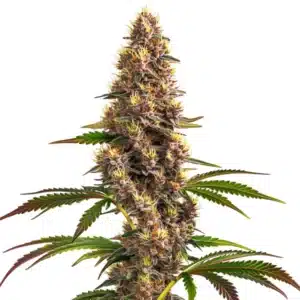
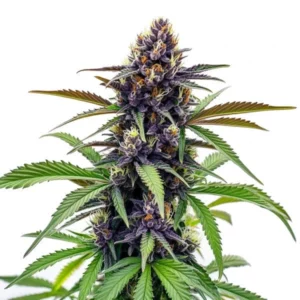
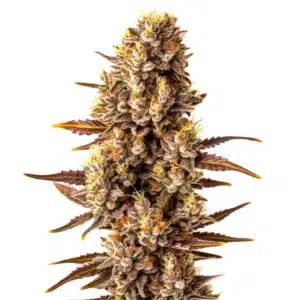
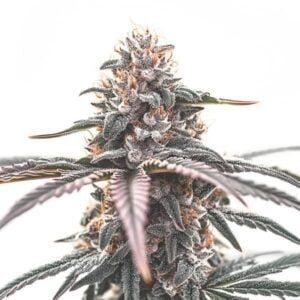
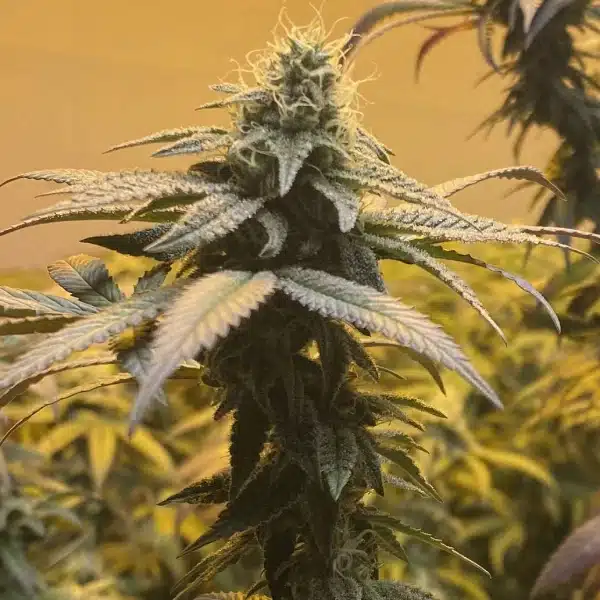
The super boof cannabis strain, often recognized as a cross between Black Cherry Punch and Tropicana Cookies (sometimes referred to as Blockberry), has taken the market by storm. This hybrid is famous for its “bag appeal,” featuring deep purple hues and a thick frosting of trichomes. Biologically, this strain is a powerhouse of secondary metabolites. Its resin glands are packed with THC and a specific terpene array dominated by Limonene and Myrcene. These compounds work together through the “Entourage Effect,” where the citrusy Limonene provides mental uplift while the earthy Myrcene ensures physical relaxation.
Recommended Strains
Super Boof

|
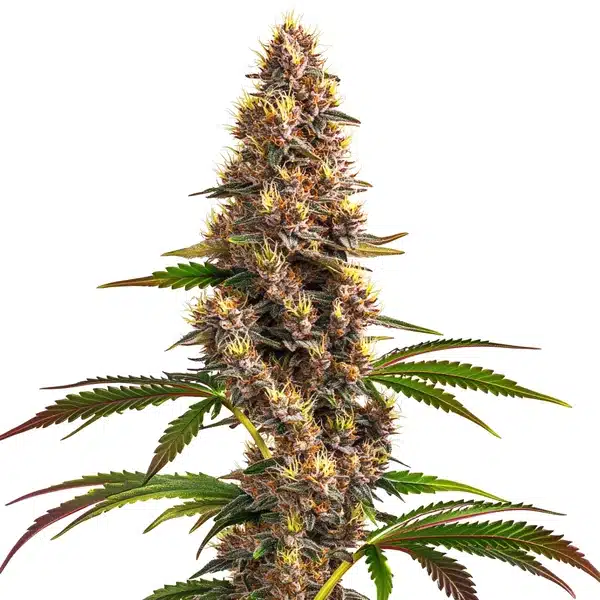
THC | 25% - 28% (High) |

|
Type | Feminized |

|
Yield | Low |

|
Phenotype | 60% Indica / 40% Sativa |
Super Boof Auto
|
|
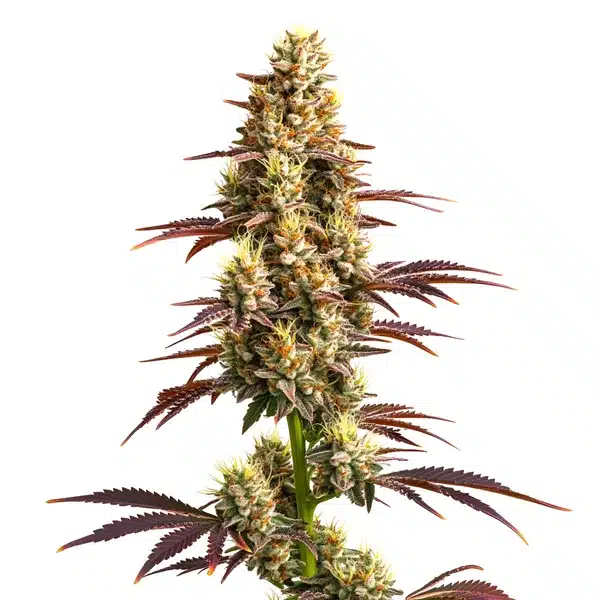
THC | 25% - 28% (High) |
|
|
Type | Autoflowering |
|
|
Yield | Low |
|
|
Phenotype | 60% Indica / 40% Sativa |
Cultivating super boof seeds requires a nuanced understanding of plant physiology. Because of its dense bud structure, the plant is prone to micro-climates within the canopy. Stagnant air can lead to Botrytis (bud rot), so high-volume airflow is non-negotiable. To maximize the super boof strain yield, growers must focus on “root zone health.” Using mycorrhizae and beneficial bacteria during the vegetative stage builds a robust biological foundation. This allows the plant to handle the heavy mineral feeding required during the peak of its 10-week flowering cycle.
Promos & Deals




Optimal Environmental Parameters for Super Boof
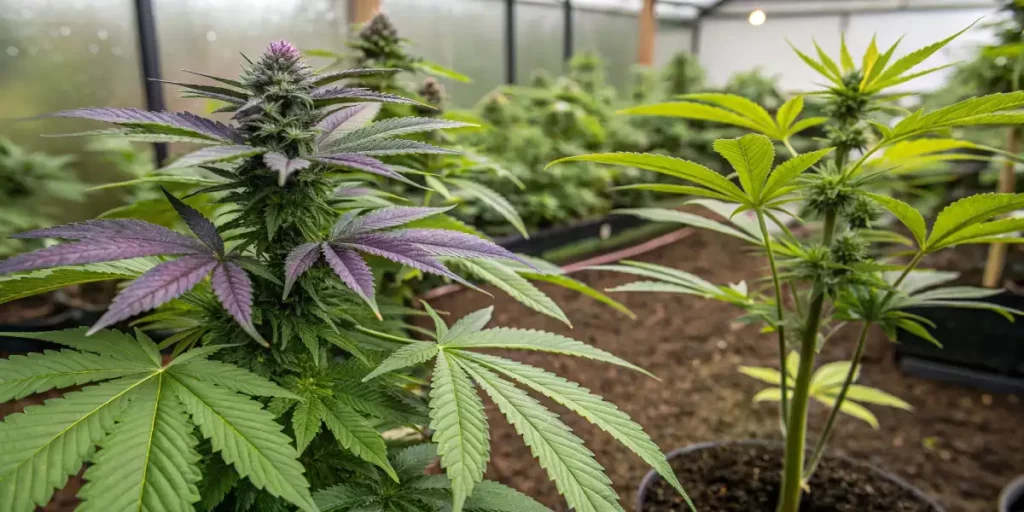
When you grow super boof strain indoors, you are the master of the weather. For the vegetative phase, aim for a PPFD (Photosynthetic Photon Flux Density) of 400-600 µmol/m²/s. During flowering, this should be ramped up to 800-1000 µmol/m²/s. If you use CO2 supplementation, you can push these limits even higher. High-intensity light triggers the production of anthocyanins, the pigments responsible for the stunning purple colors that make this super boof weed strain so visually iconic.
Temperature and Humidity (VPD management) are your primary levers for quality. Keep daytime temperatures around 75-80°F. As the plant enters the final weeks of the super boof strain flowering time, dropping night temperatures by 10-15 degrees will further “shock” the plant into producing more resin and deeper colors. Relative humidity must be strictly tapered: start at 60% in veg, and finish as low as 35-40% in the final weeks of bloom to prevent mold and increase terpene concentration.
Technical Comparison: Super Boof vs. Top Hybrids
| Feature | Super Boof | Grandaddy Purple | Girl Scout Cookies |
|---|---|---|---|
| Dominant Terpenes | Limonene, Myrcene | Myrcene, Caryophyllene | Caryophyllene, Humulene |
| Flowering Time | 56 – 70 Days | 55 – 65 Days | 63 – 70 Days |
| Average Yield | Heavy (500-600g/m²) | Medium (400-500g/m²) | Medium (350-450g/m²) |
| Growth Difficulty | Moderate (Needs Pruning) | Easy | Moderate (Stretch Control) |
| THC Potential | 25% – 28% | 19% – 23% | 24% – 27% |
| Primary Effect | Euphoric / Social | Deep Sedation | Creative / Relaxed |
Advanced Nutrition and Fertilization
The super boof marijuana strain is a “heavy feeder.” In the vegetative stage, use a high-nitrogen NPK ratio like 3-1-2 to build the structural integrity of the branches. This strain produces very heavy buds, and without enough silica and nitrogen during veg, the branches may snap later under the weight. We recommend using a potassium silicate supplement to strengthen cell walls.
As you transition to the flowering stage, shift the ratio to 1-3-2. During weeks 4-6 of bloom, Super Boof requires a significant increase in Phosphorus (P) and Potassium (K) to support the massive resin production. Watch for “fading” in the final 10 days. A proper flush with plain, pH-balanced water (pH 6.2 for soil, 5.8 for hydro) is essential to remove residual salts, ensuring the final smoke is smooth and the white ash remains consistent.
Strict Pest and Disease Protocol
Because the super boof weed strain is so resinous and dense, it creates a tempting target for pests. A proactive Integrated Pest Management (IPM) plan is vital. Use Neem oil or potassium salts of fatty acids during the vegetative stage only. Never spray anything on the buds once the super boof strain flowering time has begun, as the dense trichomes will trap the residues, ruining the flavor profile.
- Defoliation is Key: Remove large “fan leaves” that shade lower nodes. This improves light penetration and, more importantly, creates better wind paths to prevent powdery mildew.
- The “Stem Rub” Test: Regularly rub the stems to check for terpene strength; a sudden drop can indicate root stress or early pest issues.
- Micro-Sieve Manicuring: When trimming Super Boof, always work over a silk screen. The “kief” fall-off from this strain is immense due to the stalked glandular trichomes.
- Silica Supplementation: Start silica early. It makes the plant tissue tougher and harder for spider mites or thrips to pierce.
- VPD Tracking: Don’t just watch temperature; watch Vapor Pressure Deficit. For Super Boof, keeping VPD between 1.2 and 1.5 kPa during late bloom ensures maximum resin “sweating.”
FAQs about Super Boof Strain
What makes the Super Boof weed strain unique?
Super Boof is a standout because of its incredible resin density and its distinct “cherry-citrus” aroma. Unlike many hybrids that lean too far into sedation, Super Boof provides a functional, euphoric high. This makes it perfect for creative tasks or social gatherings. Its ability to turn deep purple while maintaining high THC levels makes it a favorite for both growers and consumers.
What is the average super boof strain flowering time?
When grown under optimal conditions, the flowering time for Super Boof is typically 8 to 9 weeks (56-63 days). However, some phenotypes may benefit from a full 10 weeks to allow the trichome heads to transition from cloudy to about 10-15% amber. Waiting for this window ensures you get the full “entourage effect” from its complex terpene profile.
How can I maximize the super boof strain yield?
To get the heaviest harvest, use the Screen of Green (ScROG) method. This involves weaving the branches through a mesh screen to create a flat canopy. This ensures every bud site is the same distance from the light. Combined with heavy P-K feeding in mid-bloom and keeping the roots at a steady 70°F, you can achieve yields exceeding 550g per square meter.
Are super boof seeds easy for beginners to grow?
Super Boof is considered a “moderate” difficulty strain. While it is hardy and resists common pests well, its rapid growth and heavy bud weight require active management. Beginners must be comfortable with pruning and supporting the plant with stakes or nets. If you can manage the humidity levels during the final weeks of bloom, Super Boof will reward you with top-shelf quality.