How To Grow Blueberry Autoflower strain

Quick Summary: Mastering the grow blueberry autoflower strain requires maintaining a 18/6 light cycle, a strict NPK balance (higher Nitrogen in veg, Phosphorus/Potassium in bloom), and monitoring trichome ambering. Expect a harvest of berry-scented, high-THC buds in just 8-10 weeks with proper VPD management.
Blueberry Autoflower Strain: The Ultimate Technical Guide
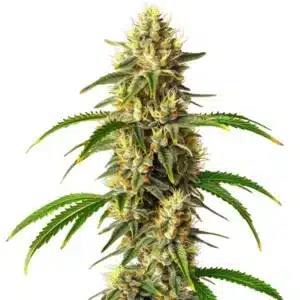
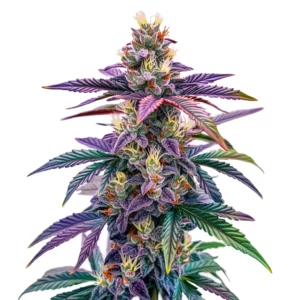
The blueberry auto strain is a biological masterpiece, blending the legendary genetics of Oregon Blueberry with the resilient Cannabis ruderalis. Unlike photoperiod plants, this variety does not rely on a change in light hours to flower. Instead, it follows an internal genetic clock, typically transitioning from leaf production to bud formation within three to four weeks of blueberry germination.
Recommended Strains
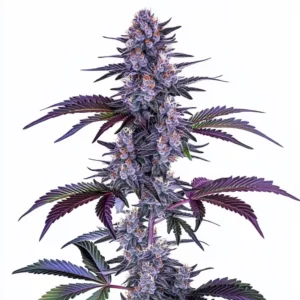
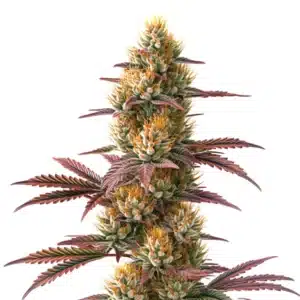
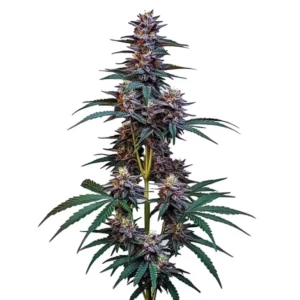
Blueberry Autoflower

|
THC | 17% - 23% (Medium) |

|
Type | Autoflowering |

|
Yield | Low |

|
Phenotype | 80% Indica / 20% Sativa |
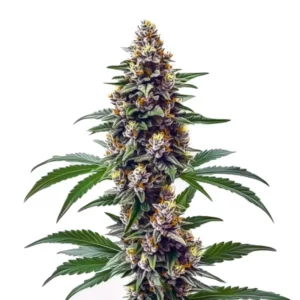
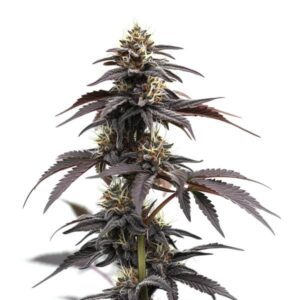
Blueberry Regular
|
|
THC | 22% - 24% (Medium) |
|
|
Type | Regular |
|
|
Yield | Medium |
|
|
Phenotype | 80% Indica / 20% Sativa |
Biologically, this strain is prized for its high concentration of the terpene Myrcene, which provides its signature sedative “couch-lock” effect, and Linalool, contributing to its floral, berry-like aroma. To maximize these chemical compounds, growers must maintain a precise Vapor Pressure Deficit (VPD). During the vegetative stage, aim for a humidity of 60-70%, gradually dropping to 40-50% during the flowering phase to prevent Botrytis (bud rot) in its dense floral clusters.
Promos & Deals

Blueberry Autoflower Week by Week: From Seed to Harvest
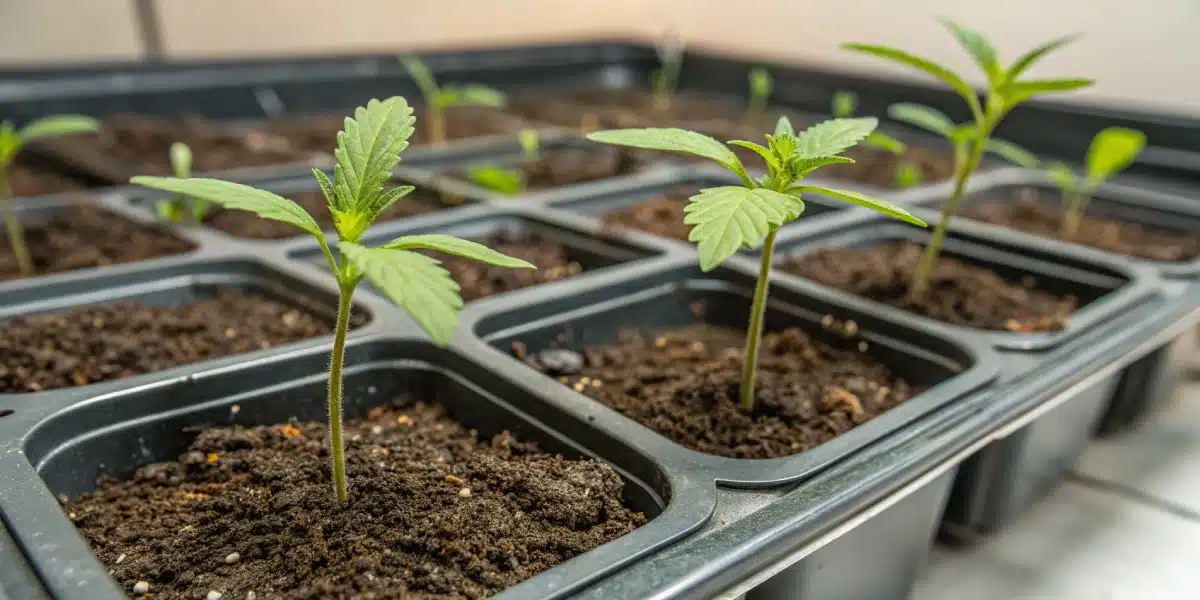
Understanding the blueberry autoflower week by week progression is vital for timely nutrient delivery. In weeks 1-3, the plant focuses on root expansion. This is the only time to use high-Nitrogen “Vegetative” nutrients. Because autoflowers have a short life cycle, any stress during this period, such as overwatering or physical damage, will permanently stunt your blueberry autoflower yield.
By weeks 4-5, the “pre-flowering” stretch begins. You will see white pistils emerging from the nodes. This is the signal to transition your NPK ratio from a high-N (e.g., 10-5-5) to a high-P/K “Bloom” formula (e.g., 5-15-10). In weeks 6-10, the buds will swell significantly. During this final stage, the plant requires heavy Potassium to transport sugars into the flowers, increasing both the weight and the density of the resin glands.
Technical Comparison: Blueberry Auto vs. Top Competitors
| Feature | Blueberry Autoflower | Northern Lights Auto | AK Auto |
|---|---|---|---|
| Terpene Profile | Myrcene, Linalool | Myrcene, Pinene | Caryophyllene, Limonene |
| Life Cycle | 8 – 10 Weeks | 9 – 11 Weeks | 9 – 10 Weeks |
| Avg. Indoor Yield | 400 – 500 g/m² | 500 – 550 g/m² | 450 – 500 g/m² |
| THC Content | 18% – 20% | 16% – 18% | 15% – 18% |
| Difficulty | Moderate | Easy | Easy |
| Calyx Density | High [cite: 672] | Medium-High | High |
Environmental Protocol: Lighting and Nutrient Ratios
To successfully grow blueberry autoflower strain indoors, you must use a constant light cycle. We recommend 20 hours of light and 4 hours of dark (20/4). This provides the plant with the maximum Daily Light Integral (DLI) without the metabolic exhaustion that can occur at 24/0. High-quality LEDs should be set to provide a PPFD (Photosynthetic Photon Flux Density) of 600-900 µmol/m²/s during peak bloom.
Nutrition for the blueberry auto strain should be handled with care. This variety is “light feeder” compared to aggressive sativas. If using liquid nutrients, start at 50% strength. Ensure your water is pH-balanced between 6.0 and 6.5. In the final two weeks, perform a “flush” using only pH-balanced water. This forces the plant to consume its stored chlorophyll, which eliminates the “hay” smell and allows the true berry flavors to shine through.
Professional Tips for Elite Cultivators
- Skip the Transplant: To avoid “transplant shock,” which can waste 5-7 days of an autoflower’s short life, sow your seeds directly into the final 3-5 gallon container.
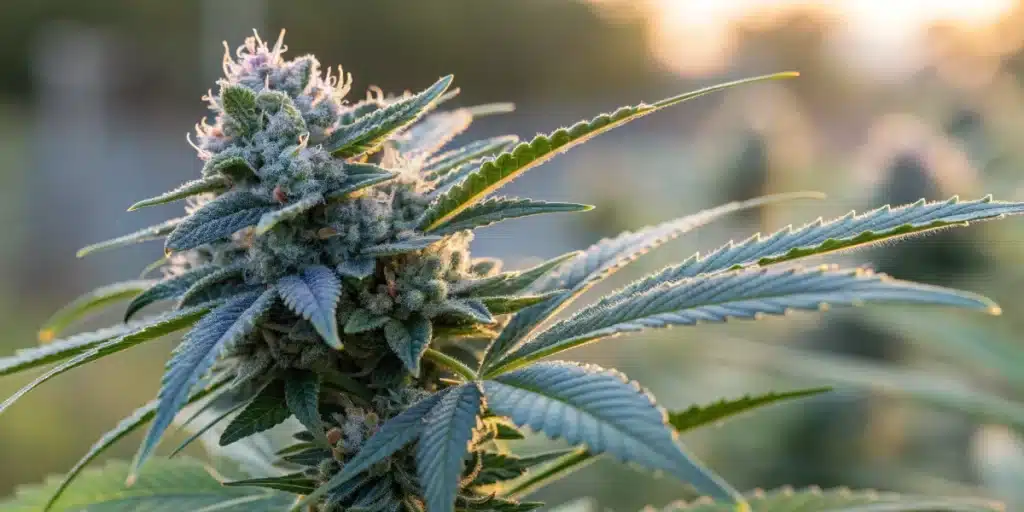
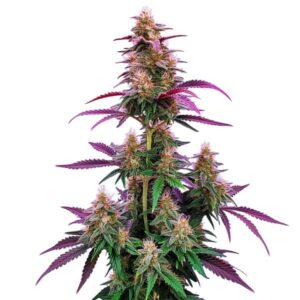
- Night Temperature Dip: To activate the purple and blue pigments (anthocyanins), lower your “lights-off” temperatures to 60°F (15.5°C) during the last three weeks of flowering.
- Low-Stress Training (LST): Only use LST (tying down branches) rather than “Topping.” Cutting the main stem of a Blueberry Auto can severely reduce your final weight.
- Microbial Support: Adding Mycorrhizae during germination will increase root surface area by up to 700%, allowing the plant to absorb nutrients faster.
- Trichome Check: Don’t harvest based on the white hairs (pistils). Use a 60x jeweler’s loupe to wait for 20-30% of the resin heads to turn a deep amber color.
Pest and Disease Protocol
The dense structure of the blueberry autoflower makes it a target for spider mites and powdery mildew. Use Neem Oil only during the vegetative phase; never spray oils on developing buds. To prevent root-based diseases like Pythium, ensure your growing medium has at least 30% perlite for adequate drainage and oxygenation of the root zone.
What is the expected blueberry autoflower yield per plant?
Indoor growers can expect between 400g and 500g per square meter under optimal conditions. For a single plant in a 5-gallon pot, a yield of 2 to 4 ounces (60-120g) is common. To reach the higher end of this range, ensure your light intensity (PPFD) is consistent and your NPK ratios are strictly managed during the swell phase.
How do I ensure successful blueberry germination?
The most effective method for blueberry germination is the paper towel method. Place seeds between moist (not dripping) paper towels inside a dark, warm environment (around 78°F). Once the white taproot (radicle) is 0.5 inches long, plant it root-down in your final medium. Use distilled water for the first 48 hours to avoid chlorine burn.
Does the blueberry auto strain need a 12/12 light cycle?
No, autoflowers do not require 12 hours of darkness to flower. In fact, giving a blueberry autoflower only 12 hours of light will significantly decrease its energy production and final yield. Stick to an 18/6 or 20/4 cycle throughout its entire life to maximize the plant’s metabolic efficiency and resin production.
What are the primary effects of the blueberry auto strain?
Due to its Indica-dominant heritage and high Myrcene content, this strain provides a deeply relaxing physical stone. It is highly effective for pain management and insomnia. The “Entourage Effect” created by the combination of 20% THC and its specific berry-terpene profile produces a euphoric onset followed by a heavy, long-lasting sedation.