How To Grow Apple Fritter Strain

Apple Fritter strain is a balanced hybrid known for its unique flavor and potent effects. With THC levels ranging from 22% to 25%, it offers a powerful experience. Flowering time is typically 8-10 weeks indoors, while outdoor harvests occur by mid-October. This strain is ideal for growers seeking high THC content and a rich terpene profile.
The Apple Fritter weed strain stands out due to its rich terpene profile, featuring myrcene, caryophyllene, and limonene. These terpenes contribute to its sweet, apple-like aroma and potential anti-inflammatory effects. With a flowering time of 8-10 weeks, this strain is suitable for both indoor and outdoor cultivation, making it a versatile choice for growers.
Recommended Strains

Apple Fritter

|
THC | 22% - 25% (High) |

|
Type | Feminized |

|
Yield | Medium |

|
Phenotype | 60% Indica / 40% Sativa |

Apple Fritter Autoflower
|
|
THC | 22% - 25% (High) |
|
|
Type | Autoflowering |
|
|
Yield | Medium |
|
|
Phenotype | 60% Indica / 40% Sativa |
Introduction to Apple Fritter Strain
Origin and Genetics
The Apple Fritter strain is a hybrid born from the cross of Sour Apple and Animal Cookies. This genetic lineage results in a balanced mix of Indica and Sativa characteristics, providing both cerebral and body effects. The strain’s genetic stability ensures consistent growth patterns and potency, making it a reliable choice for cultivators.
With its parent strains, Apple Fritter seeds inherits a diverse terpene profile. Myrcene, present at 0.8-1.2%, contributes to its sedative effects and enhances THC uptake. Caryophyllene, at 0.4-0.7%, offers anti-inflammatory benefits through CB2 receptor interaction. Limonene, ranging from 0.5-0.8%, provides mood-enhancing properties.
Apple Fritter’s balanced genetics allow it to thrive in various environments. Its adaptability makes it suitable for both novice and experienced growers. The strain’s robust structure and resistance to common pests further enhance its appeal. Knowing the genetic makeup can help optimize cultivation techniques and maximize yield.
Promos & Deals
Growing Apple Fritter Strain
Indoor vs. Outdoor Cultivation
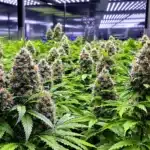
Apple Fritter strain thrives in both indoor and outdoor environments. Indoors, maintaining a temperature of 70-80°F (21-27°C) with 50-60% humidity is crucial. Outdoors, it prefers a temperate climate with ample sunlight, flowering by mid-October. Proper ventilation and consistent light cycles are key to maximizing yield and potency.
Indoor growers should aim for a yield of 1.5-1.8 oz/ft² (450-550 g/m²), while outdoor plants can produce 21-25 oz/plant (600-700 g/plant). Using high-quality LED lights and maintaining a 12/12 light schedule during flowering will enhance bud development and resin production.
For optimal results, monitor environmental conditions closely. During the vegetative stage, ensure 16-24 hours of high-intensity light to promote vigorous growth. Transition to a strict 12/12 photoperiod during flowering to trigger bud development. The use of CO2 enrichment can further boost photosynthesis and yield, especially in indoor setups.
Apple Fritter Strain Flowering Time
Flowering time for Apple Fritter weed seeds indoors ranges from 8 to 10 weeks. This period is critical for trichome development and cannabinoid synthesis. Monitoring trichomes with a magnifying tool helps determine the optimal harvest window, ensuring maximum potency and terpene retention.
During flowering, maintain a temperature of 65-75°F (18-24°C) and humidity around 40-50%. Transition nutrients to a bloom-specific formula with higher phosphorus and potassium levels to support bud formation. Avoid overfeeding to prevent nutrient burn and compromised bud quality.
During the flowering phase, the plant’s metabolism shifts to prioritize bud development. The decrease in nitrogen and increase in phosphorus and potassium supports this transition. Ensuring the right pH level—6.5 for soil and 5.5-6.5 for hydroponics—facilitates optimal nutrient uptake, enhancing both growth and potency.
| Feature / Merkmal | Apple Fritter | Purple Thai | Mimosa |
|---|---|---|---|
| THC Content | 22-25% | 20-24% | 24-30% |
| Flowering Time | 8-10 weeks | 8-10 weeks | 8-10 weeks |
| Yield (Indoor) | 1.31 – 1.47 oz/ft² | 400 – 450 g/m² | 1.47 – 1.64 oz/ft² | 450 – 500 g/m² | 2.29 oz/ft² | 700 g/m² |
| Terpene Profile | Terpineol | Caryophyllene | Alpha-Pinene |
| Climate Preference | Tropical | Tropical | Tropical |
Characteristics of Apple Fritter Weed
Aroma and Flavor Profile
Apple Fritter’s aroma is a complex blend of sweet, fruity notes with a hint of apple and cinnamon. This unique scent is primarily due to its terpene composition. Myrcene, present at 0.8-1.2%, provides earthy undertones, while limonene adds a citrusy zest, enhancing the overall sensory experience.
The flavor mirrors its aroma, offering a delightful combination of sweetness and spice. Caryophyllene, at 0.4-0.7%, contributes to the spicy kick, while its interaction with CB2 receptors may provide anti-inflammatory effects, enhancing the strain’s therapeutic potential.
The terpene interaction not only defines the strain’s aroma but also influences its effects. Myrcene’s sedative properties complement the uplifting effects of limonene, creating a balanced experience. This synergy can enhance relaxation while maintaining mental clarity, making it ideal for both recreational and therapeutic use.
Visual Appearance
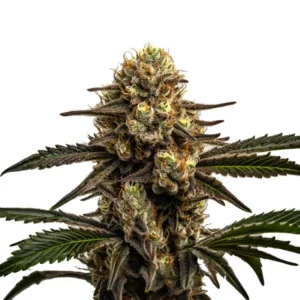
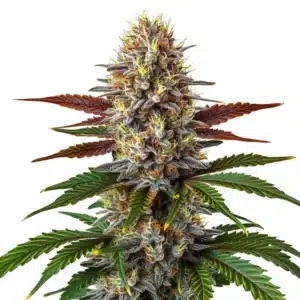
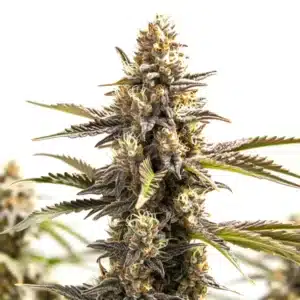
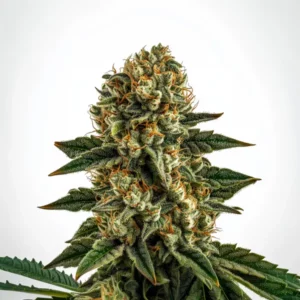
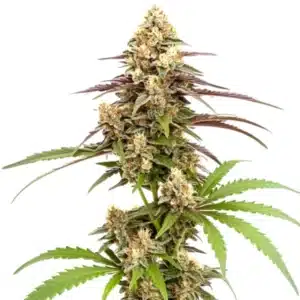
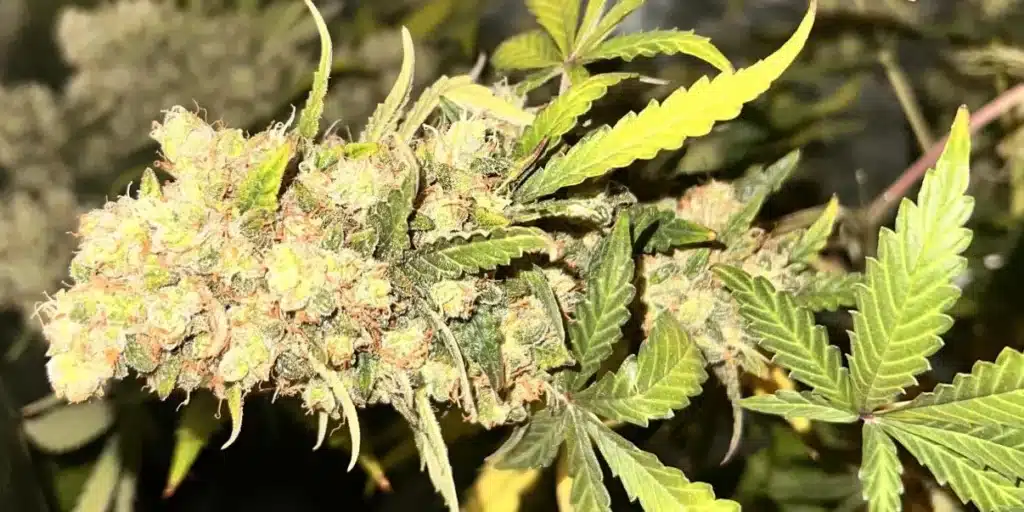
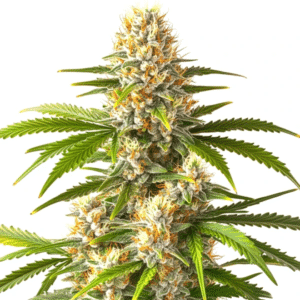
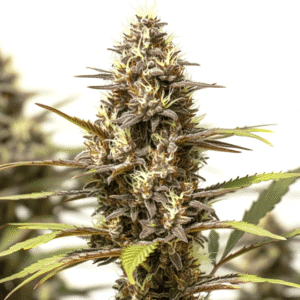
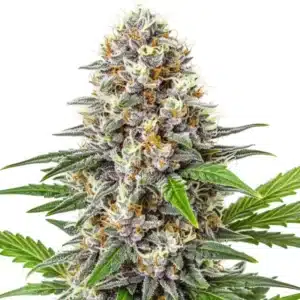
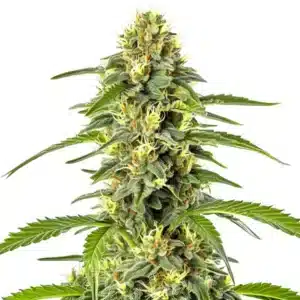
Apple Fritter strain buds are visually striking, characterized by dense, tightly packed flowers with vibrant hues of green, purple, and orange. A thick layer of trichomes gives the buds a frosty appearance, indicative of its high THC content. These visual traits are a result of its genetic lineage and optimal growing conditions.
Trichome density is crucial for potency, with higher concentrations correlating with increased cannabinoid and terpene levels. Proper environmental control during cultivation ensures maximum trichome development, enhancing both visual appeal and psychoactive effects.
Environmental factors such as light intensity and temperature fluctuations can impact trichome production. Maintaining stable conditions during the flowering stage is essential for maximizing these resinous glands. The use of reflective materials can enhance light penetration, further boosting trichome density and overall quality.
Professional Tips for Growing Apple Fritter strain
- Maintain 70-80°F (21-27°C) during vegetative growth. Fluctuations can stress plants, reducing yield and potency.
- Use a 12/12 light schedule during flowering to ensure proper bud development. Inconsistent lighting can delay flowering.
- Keep humidity at 40-50% during flowering to prevent mold. High humidity can lead to bud rot within days.
- Feed with a bloom formula high in phosphorus and potassium. Overfeeding nitrogen can inhibit bud formation.
- Monitor trichomes with a magnifying glass for harvest timing. Harvesting too early reduces potency.
- Use carbon filters indoors to manage strong aromas. Neglecting odor control can attract unwanted attention.

FAQs About Apple Fritter Strain
Is Apple Fritter a sativa or indica?
Apple Fritter weed plant is a balanced hybrid, combining both Indica and Sativa genetics. It offers a mix of relaxing body effects and uplifting cerebral stimulation. Like the Apples and Bananas strain, this dual nature makes it versatile for various uses, appealing to both recreational and medicinal consumers seeking a well-rounded experience.
Is Apple Fritter strong?
Yes, Apple Fritter is considered strong due to its high THC levels, ranging from 22% to 25%. This potency delivers intense effects, ideal for experienced users seeking powerful relaxation and mood enhancement. Novice users should approach with caution to avoid potential adverse effects like anxiety.
Is Apple Fritter top shelf?
Apple Fritter is often regarded as a top-shelf strain, thanks to its unique flavor profile and high THC content. Its balanced effects and visual appeal make it a favorite among connoisseurs. Its quality is further enhanced by proper cultivation practices, ensuring a premium cannabis experience.
Can I use Apple Fritter in edibles?
Yes, Apple Fritter can be used in edibles, offering a potent and flavorful experience. Its high THC content ensures strong effects, so dosage should be carefully measured. Decarboxylate the cannabis before infusion to activate THC, ensuring the desired psychoactive effects in your edibles.