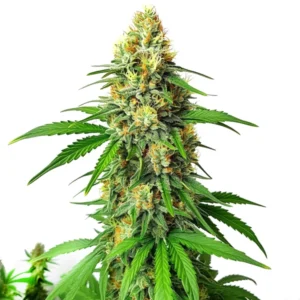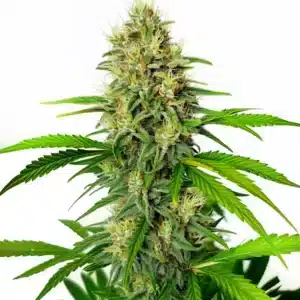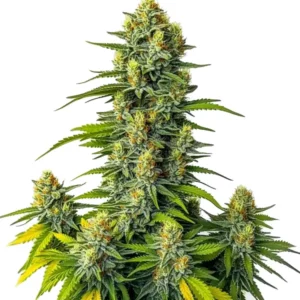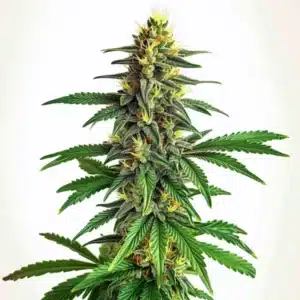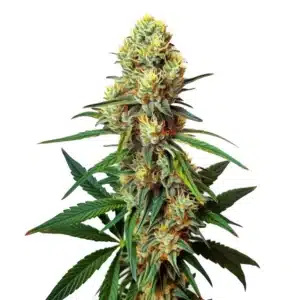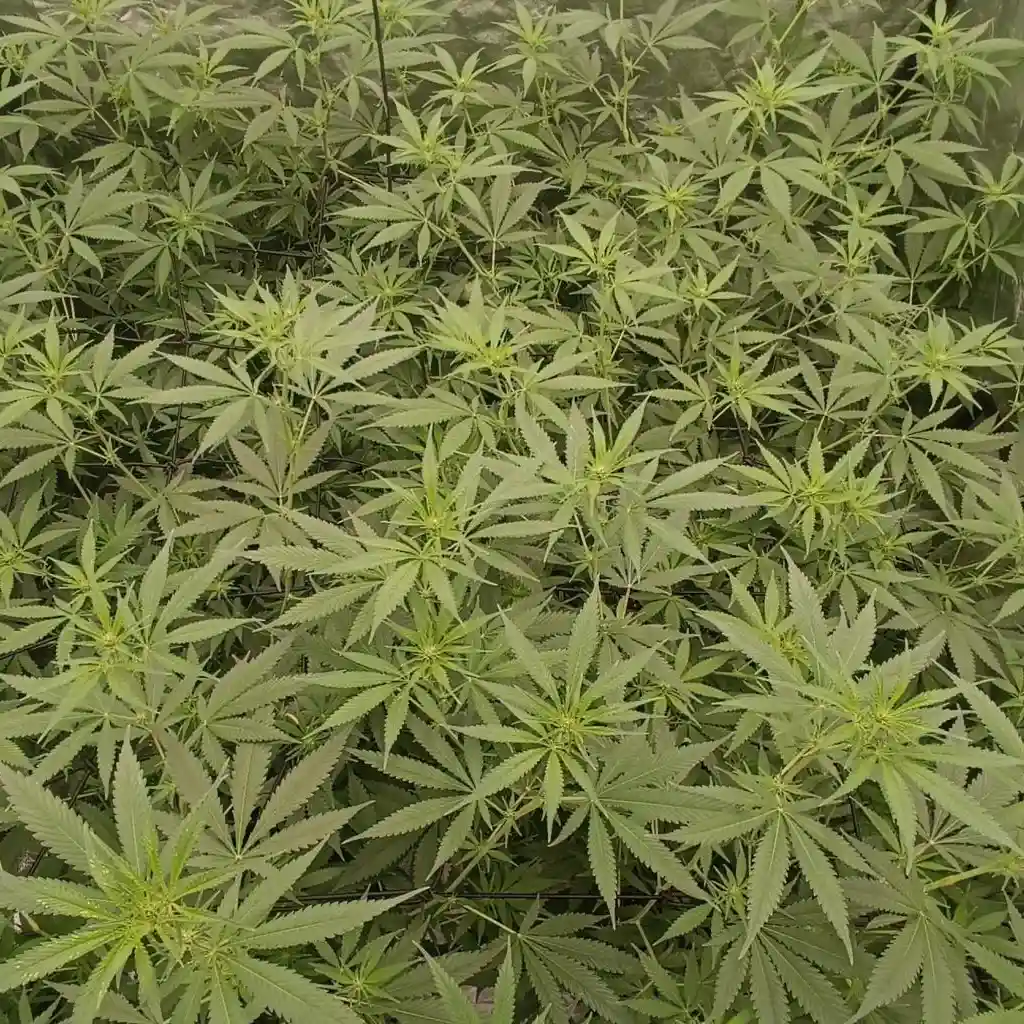
How to Grow AK47 Autoflower Strain

Key Growth Timeline: Growing AK47 autoflower week by week involves distinct phases, starting with germination and seedling development in the first week. By weeks 6-7, flowering begins, leading to a quick harvest around week 8. This strain’s autoflowering nature simplifies the process, making it ideal for growers seeking a rapid turnaround.
AK47 autoflower is celebrated for its rapid flowering time, typically reaching maturity in about 8 weeks. The strain’s terpene profile, dominated by earthy and pine notes, enhances its appeal. With a flowering time of 6-8 weeks, AK47 autoflower is perfect for those seeking a quick yet rewarding cultivation experience.
Recommended Strains

AK 47

|
THC | 16% - 19% (Medium) |

|
Type | Feminized |

|
Yield | High |

|
Phenotype | 35% Indica / 65% Sativa |
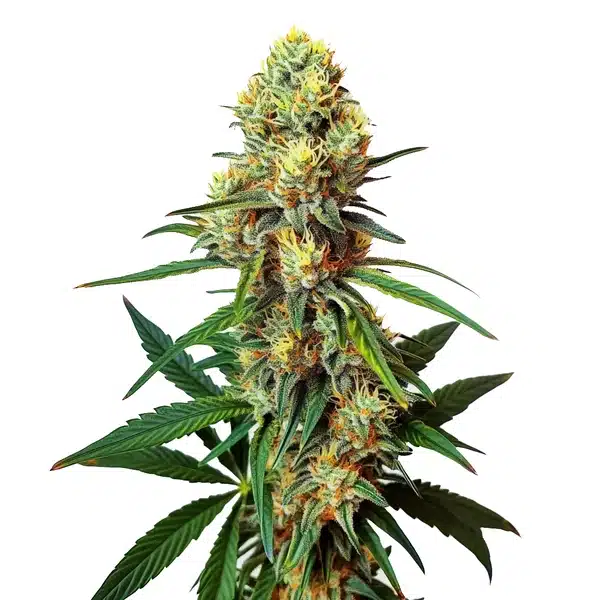
AK 47 Regular
|
|
THC | 16% - 19% (Medium) |
|
|
Type | Regular |
|
|
Yield | High |
|
|
Phenotype | 30% Indica / 70% Sativa |
AK47 Autoflower Genetics and Terpene Profile
Genetic Composition and Terpene Profile
The AK47 autoflower strain is a hybrid, combining the legendary AK-47 with Ruderalis genetics. This blend ensures the strain’s autoflowering capability, allowing it to flower automatically without changing the light cycle. The dominant terpenes in AK47 autoflower include Myrcene (0.8-1.2%), which provides earthy and musky aromas, and Caryophyllene (0.4-0.7%), contributing spicy and peppery notes.
These terpenes not only influence the strain’s aroma and flavor but also enhance its effects. Myrcene is known to enhance THC uptake, promoting relaxation, while Caryophyllene interacts with CB2 receptors, offering anti-inflammatory benefits. This synergy results in a balanced experience of euphoria and relaxation, making AK47 autoflower a versatile strain for various occasions.
Cultivation Suitability and Yield Expectations
AK47 autoflower is suitable for both indoor and outdoor cultivation, thriving in a temperate climate. Indoor growers can expect yields of 1.5-1.8 oz/ft² (450-550 g/m²), while outdoor plants may produce 21-25 oz/plant (600-700 g/plant). Its compact size and resilience make it ideal for beginners and those with limited space.
For optimal growth, maintain temperatures between 70-80°F (21-27°C) during the day and slightly cooler at night. The strain’s autoflowering nature means it will flower automatically, typically after 3-4 weeks, without needing a change in light cycle. This characteristic makes it a favorite among growers looking for a quick turnaround.
Promos & Deals
Week-by-Week Growth Stages
Week 1: Germination and Seedling
During the first week, focus on successful germination. Begin by soaking AK47 autoflower seeds in distilled water or placing them on a damp paper towel at 70-85°F (21-29°C) for 24-48 hours. Once taproots appear, plant them in a pre-moistened medium, such as a seedling tray or small pots with well-draining soil.
Maintain a warm, humid environment with temperatures around 75-80°F (24-27°C) and humidity levels of 60-70%. Provide indirect light to prevent stress. As seedlings develop true leaves, they are ready for transplantation into larger containers, setting the stage for robust growth.
Week 2-3: Early Vegetative Stage
In weeks 2-3, AK47 autoflower focuses on developing a strong root system and foliage. Provide 18-20 hours of light daily using high-quality LED lights. Ensure the light is positioned correctly to avoid stress. During this phase, the strain benefits from a nutrient formula high in nitrogen to support leaf and stem growth.
Water when the top inch of soil feels dry, ensuring pots have adequate drainage to prevent waterlogging. Light training methods, such as low-stress training (LST), can be employed to encourage an even canopy and better light penetration, enhancing overall plant health and yield potential.
Week 4-5: Late Vegetative Stage
As the plant enters the late vegetative stage, continue providing 18-20 hours of light. Adjust the nutrient formula to maintain a balance that supports continued vegetative growth. Ensure temperatures remain stable between 70-80°F (21-27°C) with humidity levels around 50-60% to prevent mold and mildew.
Monitor plant health closely, looking for signs of nutrient deficiencies or toxicities. Adjust feeding schedules as necessary, starting with lower doses and increasing gradually. This careful management ensures the plant is well-prepared for the upcoming flowering phase.
Week 6-7: Flowering Begins
Flowering typically begins around week 6. Maintain the light cycle at 18/6 to optimize bud development. Transition to a bloom-specific nutrient formula higher in phosphorus and potassium to support flower formation and increase bud density.
Ideal temperatures during flowering are 65-75°F (18-24°C), with humidity levels between 40-50%. These conditions enhance resin production and reduce the risk of mold, especially in dense buds. Support branches with stakes or trellises to prevent breakage as buds gain weight.
Week 8: Harvest Preparation
As harvest approaches, monitor trichome maturity. Use a magnifying glass to check for milky trichomes with some turning amber, indicating peak potency. Use clean, sterilized scissors to cut branches, being gentle to avoid damaging the buds.
Hang branches upside down in a dark, ventilated area at 60-70°F (15-21°C) with 50-60% humidity for 7-14 days. Proper airflow is crucial to prevent mold. After drying, cure buds in airtight glass jars, opening them daily initially to release moisture, then gradually reducing frequency over 2-4 weeks.
| Feature | AK 47 | Northern Lights X Big Bud Auto | Amnesia Auto |
|---|---|---|---|
| THC Content | 16-19% | 16-20% | 15-18% |
| Flowering Time | 6-8 weeks | 8-10 weeks | 9-11 weeks |
| Yield (Indoor) | 1.5-1.8 oz/ft² (450-550 g/m²) | 1.8-2.2 oz/ft² (550-650 g/m²) | 1.2-1.5 oz/ft² (350-450 g/m²) |
| Dominant Terpene | Myrcene | Caryophyllene | Limonene |
| Effect | Euphoric, Relaxing | Calming, Uplifting | Energetic, Creative |
Outdoor Growing Tips for AK47 Autoflower
Optimal Outdoor Conditions
For outdoor cultivation, AK47 autoflower thrives in warm climates with ample sunlight. Select a location with at least 6-8 hours of direct sunlight daily. In cooler regions, consider using a greenhouse to extend the growing season and protect plants from sudden temperature drops.
Use large containers or fabric pots to control soil quality and maintain root health. Ensure the soil is well-draining and rich in organic matter. This setup helps prevent waterlogging and supports robust growth throughout the plant’s life cycle.
Common Outdoor Challenges and Solutions
Outdoor growers may face challenges such as pests and environmental stress. Regularly inspect plants for signs of pests like spider mites or aphids. Employ natural pest control methods, such as introducing beneficial insects, to manage infestations without harsh chemicals.
Protect plants from strong winds by placing them near a windbreak or using stakes and trellises for support. This prevents branches from bending or breaking under the weight of dense buds, ensuring the plant’s energy is focused on bud production.
Common Challenges and Solutions
Nutrient Management and Deficiencies
Managing nutrient levels is crucial for healthy AK47 autoflower growth. Monitor plants closely for signs of nutrient deficiencies, such as yellowing leaves or stunted growth. Adjust feeding schedules based on plant response, starting with lower nutrient concentrations to prevent burn.
During the vegetative phase, focus on nitrogen-rich nutrients, transitioning to phosphorus and potassium-rich formulas during flowering. This balance supports robust vegetative growth and optimal bud development, ensuring a successful harvest.
Pest and Disease Prevention
AK47 autoflower is relatively resistant to pests and diseases, but preventive measures are essential. Maintain a clean growing environment, removing dead plant material that can attract pests or harbor disease pathogens.
Use organic pest control products like neem oil or insecticidal soap if infestations occur. For fungal issues, ensure proper air circulation and consider using organic fungicides to prevent recurrence. These practices help protect plant health and maximize yield potential.
FAQs About AK47 Autoflower
What is the ideal light cycle for AK47 autoflower?
AK47 autoflower thrives under an 18/6 light cycle throughout its growth. This schedule provides optimal light exposure for both vegetative and flowering phases. Unlike photoperiod strains, AK47 autoflower does not require a change in light cycle to initiate flowering, making it easier to manage.
How can I enhance the flavor profile of AK47 autoflower?
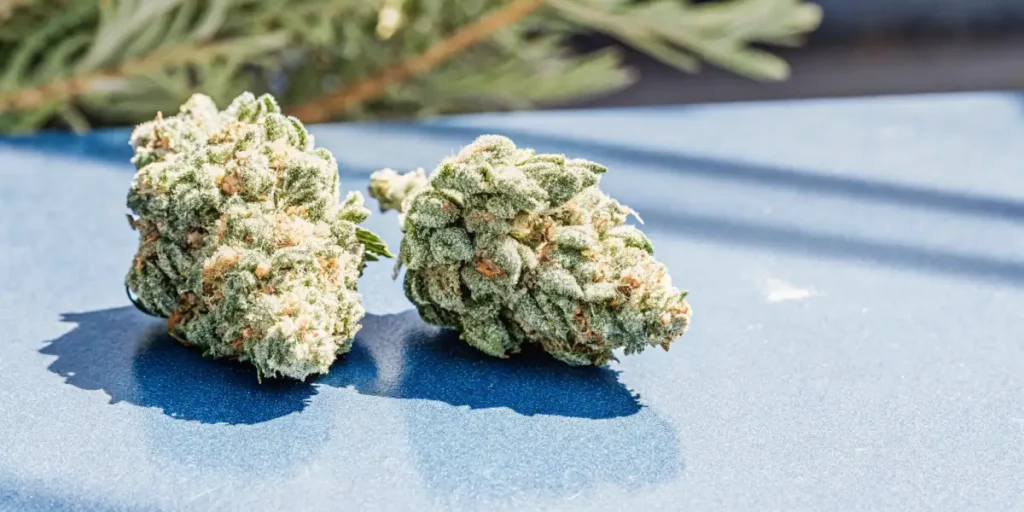
To enhance the flavor of AK47 autoflower, focus on proper curing. Maintain jars at 60-65% RH and open them daily during the first week to release moisture. This process allows terpenes to develop fully, intensifying flavors. Avoid rushing the curing process to preserve the strain’s distinctive diesel and pine notes.
What are the best practices for pest control in AK47 autoflower?
For pest control, regularly inspect plants for signs of infestation and use organic solutions like neem oil. Introduce beneficial insects such as ladybugs to naturally manage pest populations. Maintain good airflow and cleanliness to prevent pest attraction and ensure a healthy growing environment.
How can I improve the potency of AK47 autoflower?
To boost potency, ensure optimal nutrient balance and environmental conditions. Use a bloom-specific nutrient formula during flowering, rich in phosphorus and potassium. Maintain temperatures between 65-75°F (18-24°C) and humidity at 40-50% to enhance resin production, contributing to higher potency.
What is the best soil mix for growing AK47 autoflower?
For AK47 autoflower, use a light, well-draining soil mix with a pH of 6.0-6.5. This composition supports healthy root development and nutrient absorption. Incorporate organic matter to enrich the soil, providing essential nutrients for robust growth. Avoid compacted soils that can hinder root expansion.