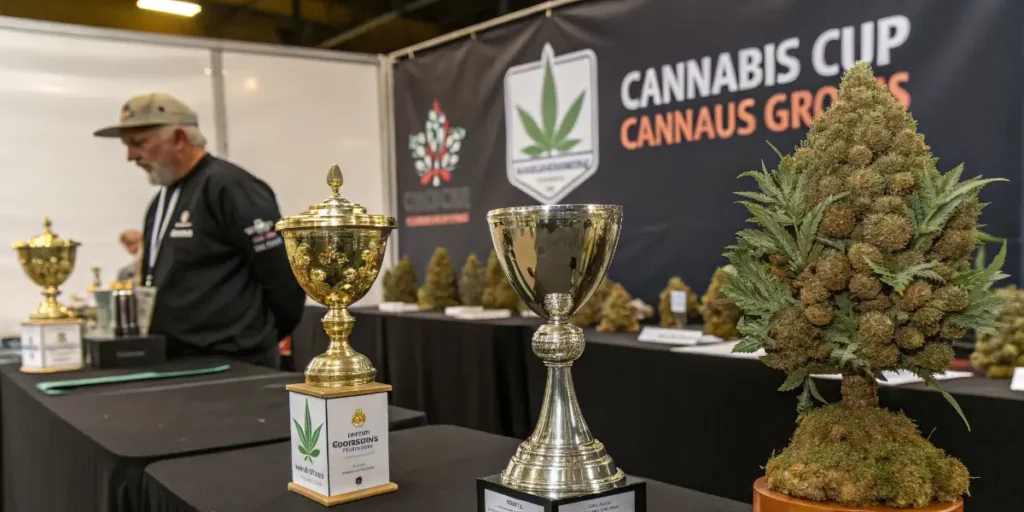
Cannabis Cup: The World’s Most Prestigious Cannabis Competition

For more than three decades, the Cannabis Cup has been the gold standard for cannabis competitions worldwide. Founded in Amsterdam in 1988 by High Times, the event has grown from a small gathering of breeders and cannabis enthusiasts into one of the industry’s most recognized competitions, celebrating excellence in cannabis flowers, concentrates, edibles, and genetics.
Today, winning a Cannabis Cup is considered one of the highest achievements in the cannabis industry. Breeders, cultivators, extraction specialists, and licensed cannabis brands enter their finest products, hoping to earn recognition from expert judges and consumers alike. Throughout its history, the competition has introduced legendary genetics, influenced breeding trends, and helped establish many of the quality standards that define premium cannabis today.
Recommended Strains

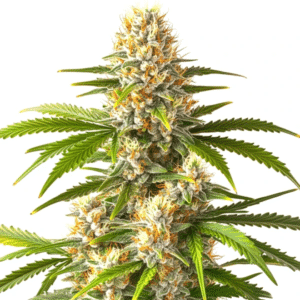
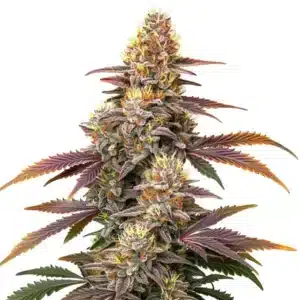
OG Kush

|
THC | 20% - 24% (High) |

|
Type | Feminized |

|
Yield | High |

|
Phenotype | 55% Indica / 45% Sativa |

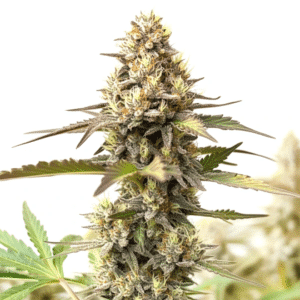
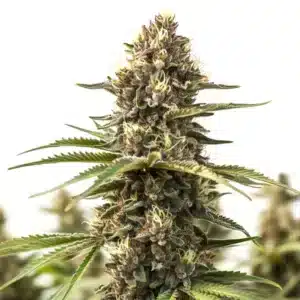
Sour Diesel
|
|
THC | 22% - 25% (High) |
|
|
Type | Feminized |
|
|
Yield | High |
|
|
Phenotype | 30% Indica / 70% Sativa |
Unlike many regional cannabis competitions, the Cannabis Cup has consistently adapted to the evolution of the industry. What began as a flower-focused event has expanded to include solventless hash, concentrates, vape products, edibles, CBD products, and numerous other categories that reflect today’s diverse cannabis market. In recent years, the competition has also embraced its People’s Choice format, allowing consumers to participate directly in the judging process across several U.S. markets.
Beyond the trophies, the Cannabis Cup has become an important historical archive of cannabis breeding. Looking at past winners reveals how consumer preferences have changed over time. Early champions often emphasized vigorous growth, reliability, and production, while modern winners are frequently recognized for terpene complexity, exceptional resin production, unique flavor profiles, and overall cultivation quality.
At Blimburn Seeds, this same philosophy guides our breeding program. We believe outstanding cannabis begins with outstanding genetics. Cultivars such as Gelato, GG4, Wedding Cake, Bruce Banner, Blue Dream, and Girl Scout Cookies are selected not only for their cannabinoid potential but also for their stability, resin production, terpene richness, and reliable cultivation performance.
In this guide, we’ll explore the complete history of the Cannabis Cup, examine its most legendary winners, explain how judging works, highlight the breeders that have shaped the competition, and discover how Cannabis Cup-winning genetics continue to influence modern cannabis breeding around the world.
What Is the Cannabis Cup?
The Cannabis Cup is widely regarded as the world’s most prestigious cannabis competition. Organized by High Times, it was created to recognize excellence in cannabis cultivation while providing a platform where breeders, growers, manufacturers, and consumers could celebrate innovation throughout the cannabis industry.
The original Cannabis Cup took place in Amsterdam in 1988, when the Dutch capital offered one of the few environments where cannabis enthusiasts could openly gather to compare genetics and cultivation techniques. What began as a relatively small invitational event soon attracted international attention as breeders from across Europe presented their finest varieties for evaluation.
From Amsterdam to U.S. markets
Over time, the competition expanded far beyond Amsterdam. As medical and adult-use cannabis legalization progressed in the United States, Cannabis Cup events began appearing in states including California, Colorado, Michigan, Nevada, and Illinois. More recently, the competition has evolved into a regional People’s Choice format, allowing consumers to evaluate entries purchased through licensed dispensaries before voting for their favorites.
Unlike standard trade shows, the Cannabis Cup combines education, product exhibitions, networking opportunities, and competition. Industry professionals attend to discover new genetics, cultivation technologies, extraction methods, and consumer trends. At the same time, growers gain valuable exposure while consumers experience many of the finest cannabis products available within legal markets.
How judging works
Although categories have changed over the years, the central objective remains the same: identifying products that demonstrate exceptional quality. Judges evaluate entries using multiple criteria rather than relying on laboratory potency alone. Flower structure, terpene expression, aroma, resin production, visual appearance, curing quality, flavor, and overall user experience all contribute to the final evaluation.
This comprehensive approach reflects the modern understanding that premium cannabis results from a combination of genetics, cultivation expertise, harvesting practices, and post-harvest handling rather than any single measurable characteristic.
Impact on cannabis culture and breeding
The Cannabis Cup has also played a significant role in shaping cannabis culture. Throughout its history, countless cultivars that later became international classics first gained widespread recognition after performing well at the competition. Winning varieties often experienced increased demand among growers, encouraging breeders to continue refining genetics capable of delivering superior cultivation performance and exceptional sensory characteristics.
At Blimburn Seeds, we recognize the importance of these breeding standards. Modern cultivators expect genetics that combine vigorous growth, stable flowering, exceptional resin production, and complex terpene profiles the same qualities that continue to define premium cannabis in today’s competitive market.
Promos & Deals
The History of the High Times Cannabis Cup
The story of the Cannabis Cup began in 1988, when High Times magazine organized the first competition in Amsterdam. At a time when cannabis remained prohibited in most parts of the world, Amsterdam had become an international destination for cannabis culture thanks to its famous coffeeshops and progressive policies. The city provided the perfect environment for breeders, growers, and cannabis enthusiasts to gather openly and celebrate the plant.
The original event was much smaller than today’s competitions, yet its impact was enormous. It offered one of the first international platforms where cannabis genetics could be evaluated based on quality rather than reputation alone. Breeders from Europe and the United States presented their best cultivars, while expert judges evaluated entries according to aroma, flavor, potency, appearance, and overall smoking experience.
The 1990s: legendary genetics take shape
Throughout the 1990s, the Cannabis Cup became an annual tradition and helped introduce some of the most influential cannabis genetics ever developed. Legendary strains such as Northern Lights, Skunk #1, Jack Herer, White Widow, and Super Silver Haze earned recognition during this period, forever changing cannabis breeding. These cultivars combined exceptional resin production, reliable growth, and distinctive terpene profiles, becoming the genetic foundation for thousands of modern hybrids.
As the competition grew, so did its international reputation. Winning a Cannabis Cup became one of the highest achievements for a breeder or seed bank. Award-winning varieties often experienced worldwide demand almost immediately after receiving recognition, making the event one of the industry’s most powerful drivers of breeding innovation.
The 2000s: expanding across the U.S.
By the early 2000s, cannabis genetics had entered a new era. Breeders were no longer focused solely on improving yields or increasing THC levels. Instead, they began exploring more complex terpene profiles, stronger resin production, unique cannabinoid expressions, and improved cultivation consistency. The Cannabis Cup reflected these changes by recognizing cultivars that delivered complete sensory experiences rather than simply high potency.
While Amsterdam remained the competition’s spiritual home for many years, changing cannabis legislation created new opportunities abroad. As medical and adult-use cannabis markets developed across the United States, High Times introduced Cannabis Cup events in several legal states, including California, Colorado, Michigan, Nevada, Illinois, and Oklahoma.
The People’s Choice format
One of the most significant developments in recent years has been the introduction of the People’s Choice Cannabis Cup format. Rather than relying exclusively on a small panel of judges, consumers now purchase official judging kits from licensed dispensaries and evaluate products themselves. Participants score entries across multiple categories before submitting their results, creating a competition that reflects real consumer preferences while maintainingprofessional standards.
Today, categories include flower, pre-rolls, solventless hash, live rosin, live resin, vape cartridges, edibles, beverages, CBD products, and other innovative cannabis products. Despite these changes, one principle has remained constant since 1988: rewarding excellence.
The Most Legendary Cannabis Cup Winners
One of the reasons the Cannabis Cup has earned legendary status is the extraordinary list of genetics that have won the competition throughout its history. Many of these cultivars did far more than earn trophies — they transformed cannabis breeding forever.
The early legends: Skunk, Northern Lights, and Jack Herer
Among the earliest legends is Skunk #1, one of the first truly stabilized cannabis hybrids. Created by Sacred Seeds / Sam the Skunkman in California and brought to Amsterdam in the early 1980s, it won the very first Cannabis Cup in 1988 under the name Cultivator’s Choice. Its vigorous growth, balanced effects, and remarkable consistency established a new standard for commercial cannabis cultivation. Even today, Skunk genetics remain present in countless modern breeding projects.
Another historic champion is Northern Lights, widely regarded as one of the most influential indica varieties ever created. Famous for its compact structure, fast flowering, heavy resin production, and relaxing effects, Northern Lights became a cornerstone of indoor cultivation during the 1990s and continues to appear in the lineage of numerous award-winning hybrids.
Few names carry as much prestige as Jack Herer. Developed by Sensi Seeds in honor of the legendary cannabis activist, this cultivar became famous for combining uplifting effects with exceptional resin production and complex spice, citrus, and pine aromas. Its influence can still be found in many contemporary sativa-dominant breeding projects.
The Haze era: White Widow and Super Silver Haze
Another breakthrough came with White Widow, one of the world’s most recognizable cannabis strains. Its extraordinary trichome production helped redefine expectations surrounding resin quality and visual appearance. White Widow’s success inspired breeders to pursue increasingly resin-rich cultivars, influencing generations of hybrids that followed.
During the late 1990s and early 2000s, Super Silver Haze emerged as another Cannabis Cup icon. Its energetic effects, vigorous growth, and unmistakable Haze aroma earned multiple awards while establishing it as one of the greatest sativa hybrids ever developed.
The American breeding revolution: OG Kush, Sour Diesel, and GSC
OG Kush introduced an entirely different aromatic profile, combining earthy, pine, citrus, and fuel-like notes that would later become one of the defining characteristics of modern American cannabis. Countless contemporary hybrids trace their lineage back to this revolutionary cultivar.
Soon afterward, Sour Diesel gained worldwide popularity for its unmistakable fuel-forward aroma and vigorous growth. Its influence remains visible throughout today’s cannabis market, where gas-heavy terpene profiles continue attracting cultivators and consumers alike.
Girl Scout Cookies completely transformed modern breeding by combining rich sweetness with dense flowers, exceptional resin production, and remarkable potency. The variety quickly became one of the most influential parent plants in contemporary cannabis history, inspiring an entirely new generation of cultivars including Gelato.
How the Cannabis Cup Judging Process Works
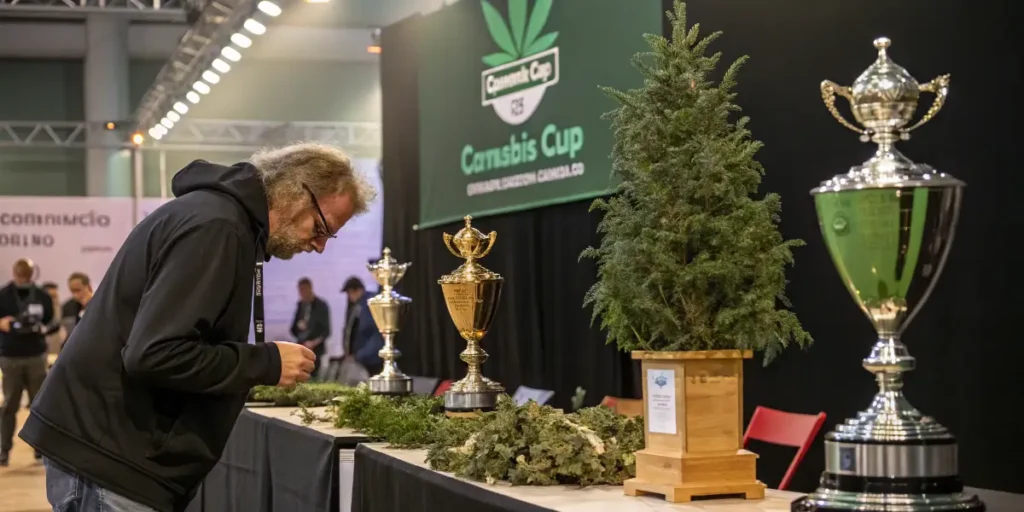
Winning a Cannabis Cup is about much more than producing cannabis with high THC levels. Throughout its history, the competition has evolved into a comprehensive evaluation of quality, craftsmanship, and consistency.
Visual appearance and flower structure
One of the first aspects judges consider is visual appearance. Premium cannabis should display healthy flower development, proper density, well-formed calyxes, vibrant coloration, and a professional trim. Excessive leaf material, immature flowers, or poor presentation can reduce an entry’s overall score before it is even opened.
Aroma and terpene profile
Next comes aroma, one of the defining characteristics of exceptional cannabis. Modern judges pay close attention to terpene intensity, complexity, freshness, and balance. Whether the profile is fruity, citrus-forward, creamy, floral, earthy, piney, or fuel-like, the aroma should be clean, expressive, and immediately recognizable.
Resin production
Healthy trichome coverage not only contributes to cannabinoid content but also protects the volatile terpenes responsible for flavor and aroma. Dense resin glands are often a strong indicator of careful breeding and proper cultivation practices.
Flavor, consistency, and curing
High-quality cannabis should preserve its aromatic profile throughout consumption, delivering a smooth, flavorful experience from beginning to end. Judges often look for complexity, balance, and a clean finish without harshness, which reflects proper drying and curing techniques.
The competition also rewards consistency. An outstanding cultivar should perform reliably across multiple plants and cultivation cycles. Stable genetics produce uniform growth patterns, predictable flowering times, and consistent flower quality — characteristics that professional growers value as highly as consumers.
At Blimburn Seeds, every breeding project emphasizes these same qualities. Cultivars such as Wedding Cake, Gelato, Bruce Banner, Blue Dream, and GG4 are selected not only for their cannabinoid potential but also for their structural stability, terpene richness, resin production, and dependable cultivation performance.
The Most Successful Seed Banks in Cannabis Cup History
The history of the Cannabis Cup is closely connected to the evolution of the world’s leading cannabis seed banks. For more than thirty-five years, breeders have used the competition to showcase their finest genetics, introducing cultivars that would later become industry icons and shape the future of cannabis breeding.
Sensi Seeds
Among the most successful participants is Sensi Seeds, one of the oldest and most respected names in the cannabis industry. The company has produced numerous award-winning cultivars, including Jack Herer — created by Ben Dronkers in honor of the cannabis activist — and Northern Lights, which Sensi Seeds helped popularize internationally. Sensi Seeds also carries their own version of Skunk #1, though the original strain was created by Sacred Seeds / Sam the Skunkman and entered the 1988 Cannabis Cup independently.
Green House Seed Co.
Another legendary breeder is Green House Seed Co. During the late 1990s and early 2000s, the company dominated many Cannabis Cup editions with groundbreaking cultivars such as Super Silver Haze, Super Lemon Haze, and Arjan’s Haze. Their work helped establish Haze genetics as a cornerstone of modern cannabis breeding.
DNA Genetics and other respected breeders
DNA Genetics also earned widespread recognition through repeated Cannabis Cup victories. The company’s focus on terpene-rich hybrids and innovative crosses contributed to the growing popularity of dessert-inspired genetics and modern American breeding lines.
Other highly respected seed banks include Barney’s Farm, Dutch Passion, Serious Seeds, Paradise Seeds, Mr. Nice Seedbank, Crockett Family Farms, and TH Seeds. Each has contributed award-winning cultivars that introduced new aromas, improved cultivation performance, or expanded the genetic diversity available to growers.
While every breeder follows a unique philosophy, they share several common objectives:
- Stable genetics
- Reliable flowering performance
- Strong resin production
- Distinctive terpene profiles
- Consistent plant structure
- High-quality flowers
How Cannabis Cup Winners Have Influenced Modern Cannabis Genetics
The influence of the Cannabis Cup extends far beyond the annual awards ceremony. For more than three decades, the competition has helped shape the direction of cannabis breeding by recognizing cultivars that introduced new standards for quality, consistency, and innovation. Many of today’s most popular strains can trace their lineage or at least their inspiration to previous Cannabis Cup winners.
The early era: stability and reliability
In the early years, breeders focused primarily on creating plants that were easy to cultivate, highly productive, and reliable. Genetics such as Skunk #1 and Northern Lights became industry benchmarks because they offered stable growth, vigorous development, and dependable flowering times. These characteristics allowed growers to achieve consistent harvests while providing breeders with strong parent plants for future hybridization.
The shift toward terpenes and resin
As breeding techniques improved, attention gradually shifted toward more complex objectives. The rise of White Widow demonstrated the growing importance of trichome production. Its thick layer of resin not only created exceptional visual appeal but also made it an ideal candidate for hash production. Jack Herer and Super Silver Haze then showed that sativa-dominant cultivars could combine uplifting effects with remarkable terpene complexity.
The American breeding revolution introduced another major shift. Cultivars such as OG Kush and Sour Diesel became famous for their bold fuel-forward aromas, introducing entirely new terpene families that remain highly desirable today.
The dessert strain era and its lasting influence
The arrival of Girl Scout Cookies marked another turning point. Its combination of dessert-like flavors, dense flowers, and exceptional resin production inspired an entirely new generation of cannabis genetics. Breeders quickly began incorporating Cookies lineage into their own projects, leading to the development of many of today’s most celebrated cultivars.
One of the best-known examples is Gelato, a variety that elevated terpene complexity while maintaining excellent flower structure and resin production. Its success demonstrated that consumers increasingly valued flavor, aroma, and visual appeal alongside potency — a trend that continues to influence breeding programs worldwide.
At Blimburn Seeds, this philosophy remains central to our breeding program. Cultivars such as Gelato, Wedding Cake, Bruce Banner, Blue Dream, Girl Scout Cookies, Granddaddy Purple, Sour Diesel, and GG4 represent the evolution of modern cannabis breeding, each reflecting decades of genetic refinement while offering growers dependable performance and premium-quality flowers.
Blimburn Seeds: Breeding Inspired by Award-Winning Genetics
At Blimburn Seeds, we believe that every exceptional harvest starts with exceptional genetics. While cultivation techniques, environmental control, and proper plant care all contribute to the final result, the genetic foundation of a cultivar determines its true potential.
Our breeding process
Our breeding process begins by identifying parent plants that display outstanding characteristics. We evaluate vigor, internodal spacing, flowering time, terpene profile, trichome production, resistance to environmental stress, and overall plant structure. Only the most promising individuals become part of future breeding projects. After the initial cross, hundreds of offspring may be cultivated and evaluated before elite phenotypes are selected. Additional generations are then tested to ensure consistency and genetic stability.
Key cultivars in our catalog
Gelato is a modern classic admired for its rich dessert-like terpene profile, dense flowers, and abundant trichome production. Wedding Cake offers vigorous growth, compact flower structure, and exceptional terpene expression. For resin production, GG4 remains one of the industry’s benchmark varieties with extraordinary trichome coverage and its distinctive earthy, pine, and diesel aroma. Blue Dream demonstrates the value of adaptability, performing reliably under diverse environmental conditions across all cultivation methods.
Other Blimburn cultivars such as Bruce Banner, Girl Scout Cookies, Granddaddy Purple, and Sour Diesel continue to reflect the breeding principles that have defined Cannabis Cup champions for decades. Each offers unique characteristics while maintaining the consistency expected by modern growers.
Whether you’re cultivating for personal use or commercial production, selecting high-quality genetics is the first step toward achieving exceptional results. Inspired by decades of Cannabis Cup-winning breeding, Blimburn Seeds continues to provide cultivars designed to deliver stability, performance, and premium-quality flowers harvest after harvest.

Frequently Asked Questions About the Cannabis Cup
What is the Cannabis Cup?
The Cannabis Cup is one of the world’s most prestigious cannabis competitions. Founded by High Times in Amsterdam in 1988, it recognizes excellence in cannabis flowers, concentrates, edibles, vape products, and other cannabis categories.
Who organizes the Cannabis Cup?
The competition is organized by High Times, one of the cannabis industry’s most recognized media brands. Today, many events follow a People’s Choice format that allows consumers to participate in the judging process.
Where was the first Cannabis Cup held?
The inaugural Cannabis Cup took place in Amsterdam, the Netherlands, in 1988. The city remained home to the competition for many years before the event expanded into legal cannabis markets across the United States.
How are Cannabis Cup winners selected?
Entries are evaluated based on multiple factors, including appearance, aroma, terpene profile, resin production, flavor, curing quality, and overall user experience. In many recent editions, consumers evaluate anonymous judging kits and submit their scores through the People’s Choice format.
Which strains have won the Cannabis Cup?
Some of the most legendary Cannabis Cup-winning strains include Skunk #1 (which won the very first Cannabis Cup in 1988), Northern Lights, White Widow, Jack Herer, and Super Silver Haze — all recognized during the Amsterdam era. OG Kush, Sour Diesel, and Girl Scout Cookies gained Cannabis Cup recognition in later U.S.-market editions as the competition expanded. These cultivars have played a significant role in shaping modern cannabis breeding.
Why is the Cannabis Cup important?
The Cannabis Cup has helped establish many of the quality standards that define premium cannabis today. It recognizes innovation in breeding, cultivation, extraction, and product development while highlighting the industry’s most influential genetics.
Why are cannabis genetics so important?
Genetics determine the plant’s growth characteristics, flowering time, terpene profile, cannabinoid production, resin content, and overall cultivation performance. Stable genetics provide growers with greater consistency and more predictable harvests.
Which Blimburn Seeds strains represent modern award-winning breeding?
Popular Blimburn Seeds cultivars such as Gelato, Wedding Cake, Bruce Banner, Blue Dream, Girl Scout Cookies, GG4, Granddaddy Purple, and Sour Diesel reflect the breeding principles found in many Cannabis Cup-winning genetics, combining stability, resin production, rich terpene profiles, and reliable cultivation performance.