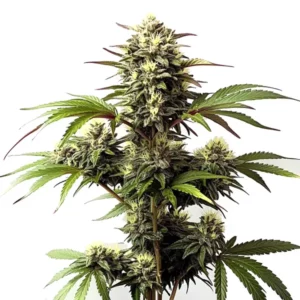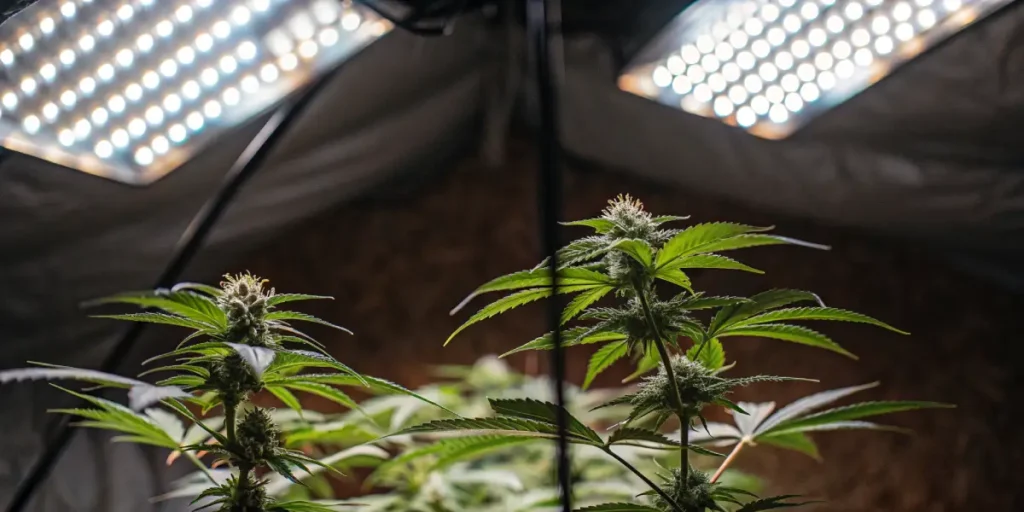
Autoflower vs Photoperiod Strains and Allelopathy

Choosing between autoflower and photoperiod cannabis strains can be a game-changer for growers. Whether you are a novice or a seasoned cultivator, knowing the nuances of these types and how they interact with their environment is crucial. Moreover, autoflower vs photoperiod strains and allelopathy are key factors in cannabis cultivation, as plant interactions can directly influence growth, yield, and overall plant health.
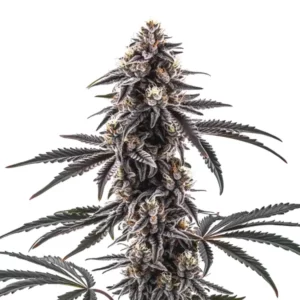
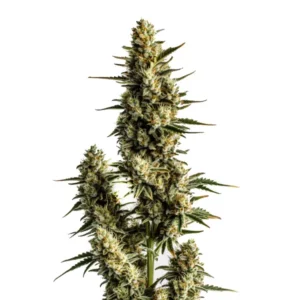
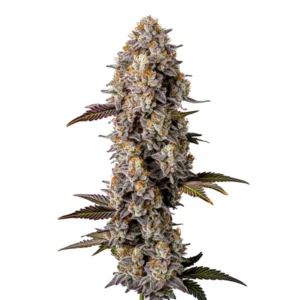
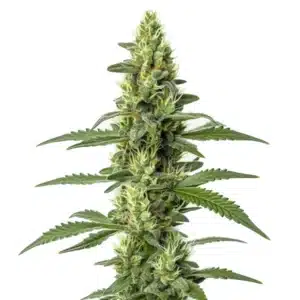
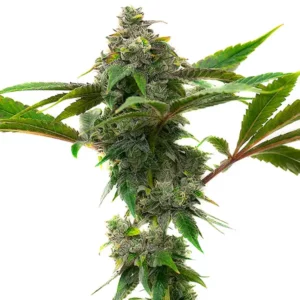
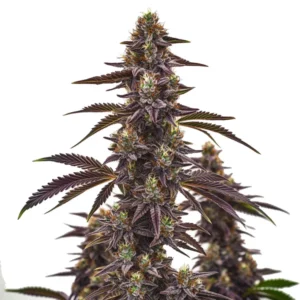
Autoflower strains, like our Mimosa Cake Autoflower, are known for their ease of growth and shorter life cycles. These strains automatically transition from the vegetative phase to the flowering phase, regardless of light schedules. On the other hand, photoperiod strains, such as Z OG, require specific light conditions to flower, offering more control over the growing process.
Recommended Strains
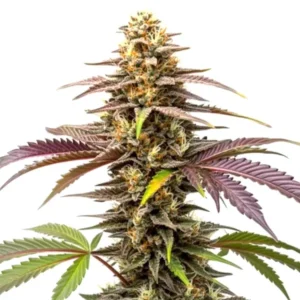
Z OG

|
THC | 16% - 20% (Medium) |

|
Type | Feminized |

|
Yield | Medium |

|
Phenotype | 75% Indica / 25% Sativa |
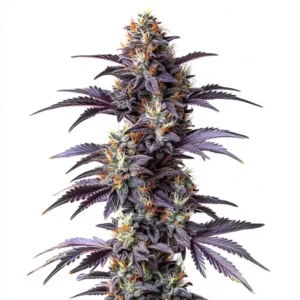
Mimosa Cake Auto
|
|
THC | 22% - 24% (Medium) |
|
|
Type | Autoflowering |
|
|
Yield | High |
|
|
Phenotype | 40% Indica / 60% Sativa |
Knowing the interaction between plants, termed allelopathy, is essential when choosing your cannabis strains. Some plants release biochemical compounds that can inhibit or enhance the growth of neighboring plants. This phenomenon can significantly impact your growing success, especially in mixed gardens where cannabis coexists with other species.
Benefits of Autoflower Strains
Autoflower strains are popular for their rapid growth cycles and resilience. They are ideal for growers seeking a quick turnaround or those with limited space. These strains do not rely on light schedules, making them perfect for outdoor grows where controlling sunlight isn’t feasible. Knowing autoflower vs photoperiod strains and allelopathy can help growers choose the best combination for their setup, ensuring healthy plant interactions and maximizing yield potential.
Quick Turnaround
One of the primary reasons growers opt for autoflower strains is their expedited growth cycle. With strains like Strawberry Banana Auto, you can harvest in as little as 8 to 10 weeks after planting. This rapid pace allows multiple harvests in a single season, maximizing yield and efficiency.
Autoflowers are also resilient to various environmental stressors, making them forgiving for beginner growers. They can thrive in less-than-ideal conditions, offering a hassle-free growing experience.
Stealth and Discretion
Autoflowering strains are generally smaller and more compact than photoperiod strains. This makes them an excellent choice for growers seeking discretion. Smaller plants are easier to conceal and require less vertical space, perfect for indoor grow tents or stealth outdoor operations.
Promos & Deals
Advantages of Photoperiod Strains
Photoperiod strains offer greater control and potential yields compared to their autoflower counterparts. They depend on specific light cycles to initiate flowering, allowing growers to manipulate growth stages more precisely.
Control Over Growth
With photoperiod strains like Lemon Cherry Gelato, growers can control the vegetative and flowering phases by adjusting light schedules. This flexibility allows for larger plants and potentially higher yields, as you can extend the vegetative stage for as long as desired.
For those with experience and the right setup, photoperiod strains offer unmatched control over the final product’s potency and characteristics. This is especially beneficial for growers focused on custom cultivation and quality.
High Yields and Potency
Photoperiod plants often produce more substantial yields than autoflowers. By manipulating light exposure, you can grow larger plants with more bud sites, leading to an abundant harvest. Mac 1 Regular is known for its robust yields and high THC content, making it a favorite among seasoned growers.
Besides to higher yields, photoperiod strains often boast enhanced cannabinoid profiles. They are ideal for those looking to produce high-potency cannabis with specific effects.
Knowing Allelopathy in Cannabis Cultivation
Allelopathy plays a crucial role in how plants interact within a garden. It involves the release of biochemical compounds that can affect the growth and development of neighboring plants. Knowing this dynamic can help optimize your cannabis cultivation efforts.
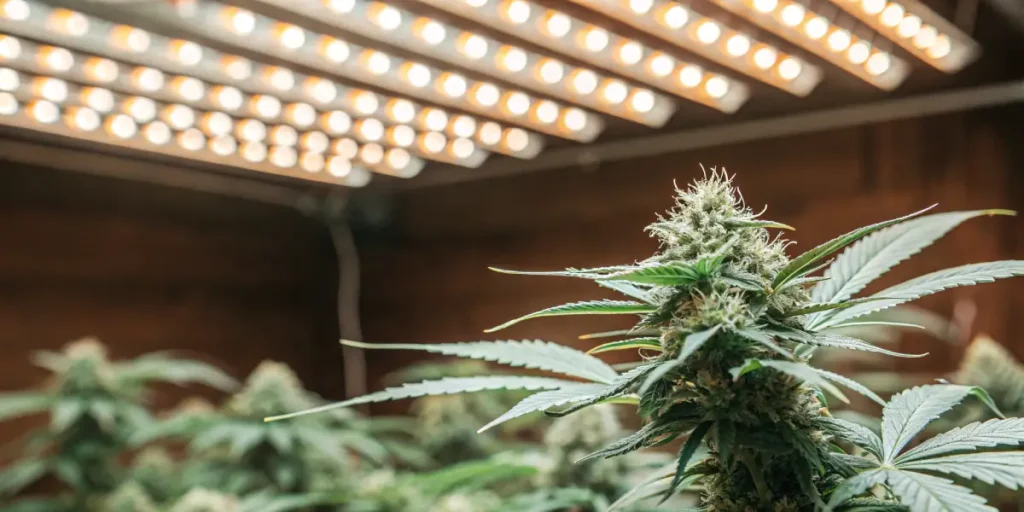
Effects on Cannabis Growth
Some plants can inhibit cannabis growth through allelopathic interactions. For example, certain cover crops and companion plants might release chemicals that suppress cannabis root development, impacting overall health and yield. It’s essential to choose companion plants wisely when setting up a mixed garden.
Conversely, some plants can benefit cannabis growth. They may enhance nutrient uptake or ward off pests, creating a more favorable growing environment for your strains.
Practical Tips for Managing Allelopathy
To manage allelopathy effectively, consider the following tips. First, research and select companion plants that are known to benefit cannabis. Plants like clover and basil can create a symbiotic environment that enhances growth.
Secondly, monitor your plants closely for signs of allelopathic stress. Symptoms such as stunted growth or unusual discoloration may indicate adverse interactions. Adjust your planting strategy accordingly to mitigate these effects.
FAQs about Autoflower vs photoperiod strains and allelopathy
What is the main difference between autoflower and photoperiod strains?
Autoflower strains transition automatically from the vegetative to the flowering phase without relying on light schedules. They are perfect for growers who want a quicker harvest cycle and are less concerned with controlling the growth stages. In contrast, photoperiod strains require specific light conditions to flower, offering the grower more control over the developmental process.
While autoflowers like Mimosa Cake Autoflower are known for their speed and ease, photoperiod strains like Z OG are favored for their potential yield and potency. Your choice depends on your growing environment and personal preferences.
How does allelopathy impact cannabis cultivation?
Allelopathy involves the biochemical interactions between plants that can influence each other’s growth. In cannabis cultivation, this means certain companion plants might inhibit or enhance cannabis growth. For example, some cover crops might release chemicals that hinder cannabis root development, affecting overall plant health.
Knowing allelopathy can help you select the right companion plants. This knowledge can lead to healthier plants and improved yields by promoting beneficial interactions and avoiding detrimental ones.
Can I grow both autoflower and photoperiod strains together?
Yes, it’s possible to grow both autoflower and photoperiod strains together, but it requires careful planning. Autoflower strains do not depend on light cycles, so they can flower alongside photoperiod plants, which still need regulated light schedules to initiate flowering.
If growing them simultaneously, ensure your setup accommodates the needs of both types. You might need separate areas with adjustable lighting to cater to the specific requirements of photoperiod strains while allowing autoflowers to thrive independently.
Which strain is best for beginners?
Autoflower strains are generally the best choice for beginners due to their resilience and ease of growth. Strains like Tropicana Cookies Auto are forgiving and can thrive in various conditions, making them ideal for novice growers who might still be learning the ropes.
These strains require less attention to light cycles and can manage some environmental stress, offering a more straightforward growing experience. They allow beginners to focus on learning the basics without the added complexity of light management.
What are some examples of beneficial companion plants for cannabis?
Beneficial companion plants for cannabis include clover, basil, and marigold. Clover can enhance soil quality by fixing nitrogen, which helps nourish cannabis plants. Basil is known to repel certain pests, providing a natural form of pest control.
Marigolds are not only beautiful but can also deter harmful nematodes and insects. These companion plants create a healthier growing environment, maximizing your cannabis plants’ potential for growth and yield.