White Weed Strains: Top Varieties & Cultivation Guide

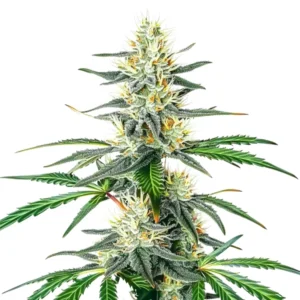
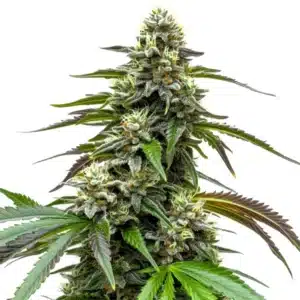
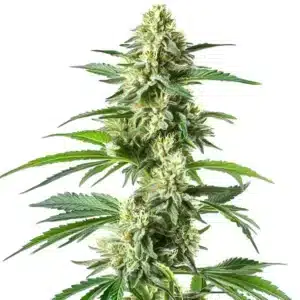
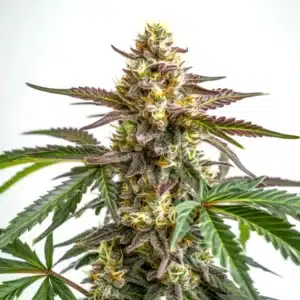
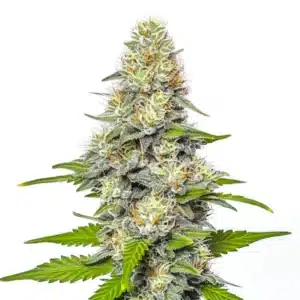
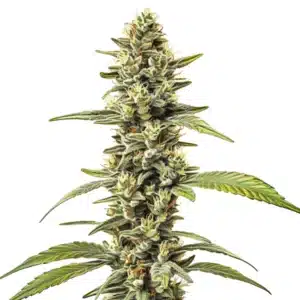
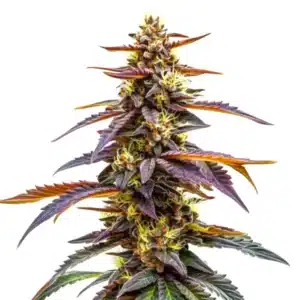
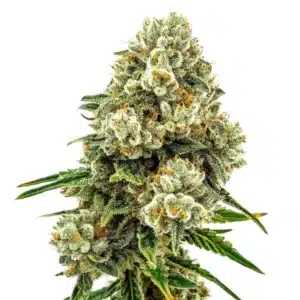
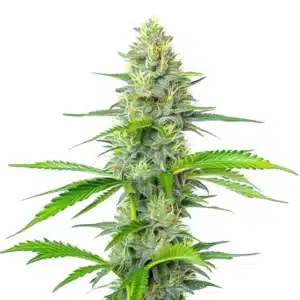
White weed strains: Renowned for their frosty, white appearance, these cannabis varieties boast THC levels often exceeding 20%, offering potent effects. According to experts, the dense trichome coverage enhances both the visual appeal and cannabinoid content. White strains like White Widow and White Rhino are celebrated for their versatility, providing both recreational and medicinal benefits. They are ideal for creating concentrates due to their high resin production, making them a favorite among cannabis enthusiasts.
White weed strains are distinguished by their unique terpene profiles and relatively short flowering times, typically ranging from 8 to 9 weeks. These strains, such as White Widow and White Rhino, not only captivate with their visual allure but also deliver diverse aromatic experiences. The terpene myrcene, often present in concentrations of 0.8-1.2%, contributes to their relaxing effects, enhancing both recreational and medicinal applications.
Recommended Strains
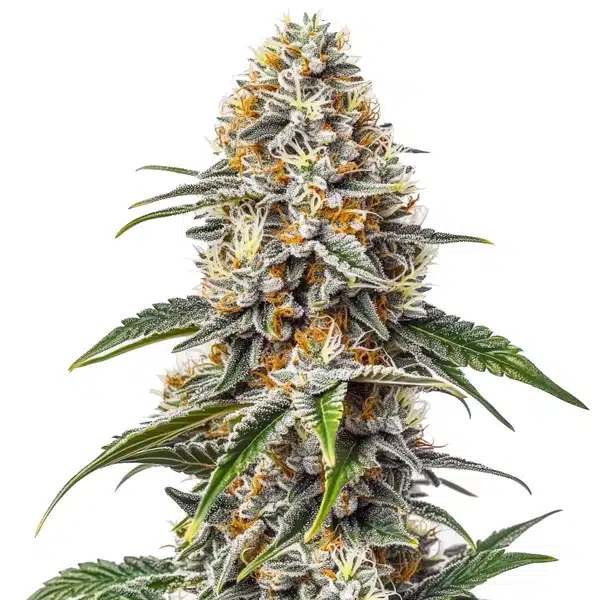
White Russian

|
THC | 18% - 20% (Medium) |

|
Type | Feminized |

|
Yield | Medium |

|
Phenotype | 70% Indica / 30% Sativa |

White Russian Fast Version
|
|
THC | 18% - 22% (Medium) |
|
|
Type | Fast Flowering |
|
|
Yield | High |
|
|
Phenotype | 60% Indica / 40% Sativa |
What Are White Weed Strains?
Characteristics of White Strains
White weed strains are known for their striking white appearance, resulting from a dense layer of trichomes. These trichomes are crystal-like structures rich in cannabinoids and terpenes, contributing to the strain’s potency and aroma. The high concentration of trichomes not only enhances the visual appeal but also indicates a higher THC content, often ranging from 18% to 25%.
These strains are versatile, offering effects from uplifting and energetic to calming and relaxing. This versatility makes them suitable for various uses, whether for alleviating pain, reducing anxiety, or boosting creativity. The Red Dragon strain is a great example of this versatility. The presence of terpenes like myrcene and pinene further enhances their therapeutic potential.
Practical Application & Yield
White weed strains like White Widow, White Rhino, and Lavender strain are popular for both recreational and medicinal use. White Widow, for instance, offers a balanced high with THC levels between 18% and 25%, making it ideal for social settings or creative activities. White Rhino, with THC often exceeding 20%, provides a more intense, indica-leaning experience, perfect for evening use.
These strains are also favored for their high resin production, making them excellent for creating concentrates like hash and shatter. Cultivators can expect indoor yields of 450-550 g/m², with outdoor plants producing 600-700 g each, provided optimal conditions are maintained.
| Feature | White Widow | White Rhino | White Russian |
|---|---|---|---|
| THCA % range | 18-25% | 20-26% | 18-20% |
| Dominant Terpenes | Myrcene 0.8%, Pinene 0.6% | Myrcene 1.0%, Caryophyllene 0.5% | Limonene 0.7%, Myrcene 0.9% |
| Flowering Time | 8-9 weeks | 8-10 weeks | 8-10 weeks |
| Yield Indoor (g/m²) | 450-550 | 900 | 350 – 450 |
| Effect Profile | Balanced, Euphoric | Happy, Relaxed, Talkative | Happy, Relaxed, Talkative |
Promos & Deals

Professional Tips for Growing White Weed Strains
- Maintain 58-62% RH during cure. Below 55% arrests terpene development; above 65% promotes Botrytis within 48h. Check with a calibrated digital hygrometer, never analog.
- Use full-spectrum LED lights at 800-1000 µmol/m²/s during peak flowering to maximize resin production. Insufficient light reduces trichome density.
- Keep daytime temperatures between 70-85°F (21-29°C) and humidity at 40-50% during flowering to prevent mold and mildew on dense buds.
- Apply a nutrient ratio of N:P:K 3:1:2 during vegetative growth and switch to 1:3:2 during flowering to support optimal bud development.
- For outdoor cultivation, ensure plants receive 6-8 hours of direct sunlight daily to enhance trichome production and cannabinoid content.
- Prune lower branches to improve airflow and light penetration, reducing the risk of mold and increasing overall yield.

FAQs About White Weed Strains
What is the whitest strain of weed?
The whitest strain of weed is often considered to be White Widow, renowned for its dense trichome coverage that gives it a frosty, snow-like appearance. White Widow typically has THC levels ranging from 18% to 25%, making it a potent choice for both recreational and medicinal users. Its high resin production makes it ideal for creating concentrates, and it offers a balanced high that combines euphoria with relaxation.
Can indica help with muscle spasms?
Yes, indica strains are often recommended for muscle spasms due to their relaxing and sedative effects. Indica strains like White Rhino, with THC levels often exceeding 20%, are particularly effective. They provide a heavy body high that can alleviate muscle tension and spasms. The presence of myrcene, a terpene known for its sedative properties, enhances these effects, making indica strains a popular choice for managing muscle-related issues.
Is white weed ok to smoke?
Yes, white weed strains are safe to smoke and are highly regarded for their potency and unique effects. Strains like White Widow and White Rhino, with THC levels between 18% and 25%, offer a powerful high. Their dense trichome coverage indicates a rich cannabinoid and terpene profile, enhancing both flavor and effect. As with any cannabis strain, it’s important to start with a small amount to gauge tolerance and avoid overwhelming effects.
Why are some weed strains white?
Some weed strains appear white due to the high concentration of trichomes covering the buds. These trichomes are rich in cannabinoids and terpenes, contributing to the strain’s potency and aroma. Strains like White Widow and White Rhino are bred for their dense trichome coverage, which not only gives them their frosty appearance but also indicates a higher THC content, often ranging from 18% to 25%, making them popular among cannabis enthusiasts.
How do white weed strains differ in terpene profiles?
White weed strains often have diverse terpene profiles that contribute to their unique aromas and effects. For example, White Widow contains myrcene (0.8-1.2%) and pinene (0.6%), offering earthy and piney notes with relaxing effects. White Rhino features myrcene (1.0%) and caryophyllene (0.5%), enhancing its sedative properties. Understanding these profiles helps users select strains that match their desired sensory and physiological effects.