What Environmental Factors Influence Cannabis Transpiration the Most? Tip

Transpiration is essential for cannabis plants, aiding in nutrient uptake and maintaining internal temperature. Knowing what environmental factors influence cannabis transpiration the most? can significantly impact your grow room’s success. By optimizing these conditions such as humidity, temperature, light intensity, and airflow—you can ensure healthy, robust growth for your plants, whether you’re cultivating Amnesia Haze Auto, Blue Dream Autoflower, or Gelato Auto.
In this article, we’ll explore the key environmental factors that affect cannabis transpiration. We’ll delve into how each element interacts with your grow room setup and how it influences the overall health of your plants. Whether you’re a first-time seed buyer or a seasoned grower, this guide will help you make informed decisions for your cannabis cultivation.
Recommended Strains
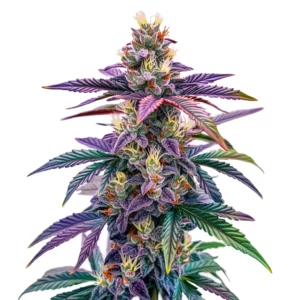
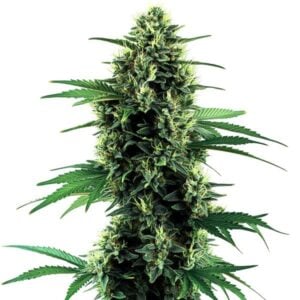
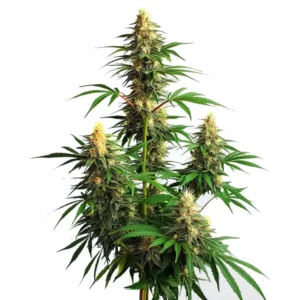
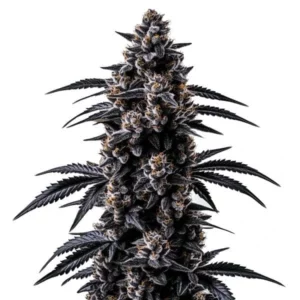
Blue Dream Autoflower

|
THC | 10% - 13% (Low) |

|
Type | Autoflowering |

|
Yield | Medium |

|
Phenotype | 30% Indica / 70% Sativa |
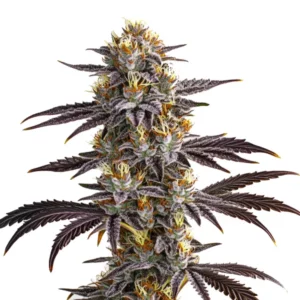
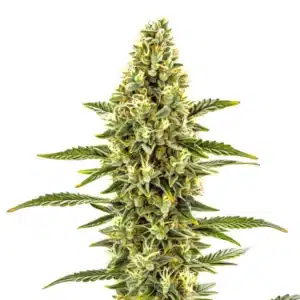
Gelato Auto
|
|
THC | 19% - 21% (Medium) |
|
|
Type | Autoflowering |
|
|
Yield | Medium |
|
|
Phenotype | 40% Indica / 60% Sativa |
Let’s dive into the factors that can elevate or hinder your cannabis plants’ transpiration process. You’ll find insights on how to tweak your grow room conditions for the best results. From humidity levels to airflow, every detail counts in ensuring your cannabis plants thrive.
Humidity and Its Impact on Transpiration
Humidity plays a crucial role in cannabis transpiration. The moisture level in the air affects how much water your plants will release. Too high or too low, and you might face issues. When asking what environmental factors influence cannabis transpiration the most, humidity ranks among the top, alongside temperature, light intensity, and airflow — all of which work together to regulate how efficiently your plants move water through their system.
Ideal Humidity Levels
For young cannabis plants, higher humidity levels are beneficial. Seedlings and clones thrive in environments with 65–70% humidity. This promotes healthy transpiration and allows them to establish strong root systems.
As your plants mature, they prefer lower humidity. During the flowering stage, aim for 40–50% humidity. This helps prevent mold and mildew, which thrive in moist environments. Adjusting humidity according to plant stage is crucial for optimal growth.
Managing Humidity in Your Grow Room
Dehumidifiers and humidifiers are essential tools for managing humidity. A dehumidifier is useful if your grow room is too moist, while a humidifier can add moisture during drier conditions.
Ensure your grow room has proper ventilation. Good airflow helps regulate humidity levels naturally, reducing the need for mechanical intervention. Regularly monitor your grow room with a hygrometer to maintain optimal conditions.
Promos & Deals
Temperature’s Role in Transpiration
Temperature directly affects how cannabis plants transpire. It’s important to maintain a stable environment to avoid stress and ensure healthy growth.
Optimal Temperature Ranges
Cannabis plants generally prefer temperatures between 70–85°F. During the vegetative stage, aim for the higher end of this range to promote vigorous growth and transpiration.
In the flowering stage, slightly cooler temperatures, around 65–80°F, help enhance bud quality. This range minimizes the risk of heat stress, which can halt transpiration and stunt growth.
Temperature Control Techniques
Invest in a reliable thermostat to maintain consistent temperatures. Oscillating fans can help distribute heat evenly throughout your grow room, preventing hot spots.
Consider using air conditioning or heating systems if your environment is prone to extreme temperature fluctuations. By keeping temperatures stable, you ensure your strains like GG4 Auto and Wedding Cake Autoflower develop to their full potential.
Light Intensity and Transpiration
Light exposure is another major factor in cannabis transpiration. It influences how plants manage water and nutrients.
The Effect of Light on Water Uptake
Intense light increases transpiration rates as plants work to cool themselves. This can lead to faster nutrient uptake, promoting vigorous growth and development.
However, too much light, especially during the flowering stage, can cause stress. Balance is key to ensuring your plants receive enough light without overwhelming them.
Adjusting Light Levels
Use adjustable LED grow lights to control light intensity. This allows you to customize light exposure according to your plants’ needs and stages of growth.
Monitor your plants for signs of light stress, such as curling leaves or discoloration. Adjust light distance and intensity as needed to maintain healthy transpiration rates.
Airflow and Its Influence on Transpiration
Proper airflow is vital for maintaining healthy transpiration rates. It helps regulate temperature and humidity, creating a balanced environment for your cannabis plants.
Benefits of Good Air Circulation
A consistent airflow prevents stagnant air, reducing the risk of mold and pests. It also supports strong stem and root development by gently swaying the plants, mimicking natural outdoor conditions.
Good airflow helps distribute CO₂ evenly, which is essential for photosynthesis and overall plant health. This ensures your strains, like Northern Lights Autoflower and Z OG Auto, thrive in optimal conditions.
Setting Up Effective Ventilation
Install exhaust fans to remove stale air and bring in fresh air. This prevents CO₂ depletion and maintains a healthy oxygen level in your grow room.
Position fans to create a gentle breeze across the plants. This promotes even transpiration and reduces the likelihood of hot spots, keeping your grow room environment balanced.
FAQs about What environmental factors influence cannabis transpiration the most?
How does humidity affect cannabis transpiration?
Humidity levels significantly influence cannabis transpiration. High humidity reduces the plant’s ability to release water, while low humidity increases transpiration rates. Both extremes can cause stress, impacting growth and yield.
To manage this, adjust humidity according to the growth stage. Seedlings require higher humidity, while flowering plants benefit from lower levels. This balance helps maintain optimal transpiration and plant health.
Why is temperature important for cannabis transpiration?
Temperature affects the rate at which cannabis plants transpire. High temperatures increase transpiration, which can lead to faster nutrient uptake. However, excessive heat can cause stress, halting the process.
Maintaining a stable temperature range ensures efficient transpiration and prevents issues like heat stress. This is crucial for the healthy development of your plants, especially during the flowering stage.
What role does light intensity play in transpiration?
Light intensity has a direct impact on transpiration. Bright light increases the plant’s need to cool itself, raising transpiration rates. This can enhance nutrient uptake and growth.
However, too much light can lead to stress and reduced transpiration. It’s important to balance light levels to ensure healthy plant development throughout the growth cycle.
How can airflow influence cannabis transpiration?
Airflow is essential for maintaining balanced transpiration rates. Good air circulation helps regulate temperature and humidity, creating an optimal environment for cannabis plants.
Effective airflow prevents stagnant air, reducing the risk of mold and pests. It also supports strong plant structure and efficient nutrient uptake, essential for healthy growth.
What are the best practices to optimize cannabis transpiration environmental factors?
To optimize transpiration, maintain ideal humidity and temperature levels, and ensure proper light intensity. Use tools like dehumidifiers, humidifiers, and adjustable LED lights to control these factors.
Regularly monitor your grow room environment with tools like hygrometers and thermostats. Adjust conditions as needed to provide your cannabis plants with the best possible growing conditions for robust health and yield.