Top Early Signs of Nutrient Deficiency in Cannabis: Expert Guide

Growing cannabis can be a rewarding experience, but it comes with its challenges. One of the most common hurdles is spotting early signs of nutrient deficiency in cannabis plants. Nutrient deficiencies can significantly affect the health and yield of your plants. Whether you’re a first-time grower or a seasoned expert, knowing these signs is crucial for a successful harvest.
Early symptoms of cannabis nutrient deficiency might appear subtle at first. These symptoms could range from discolored leaves to stunted growth. A keen eye is necessary to detect these early nutrient deficiency indicators in marijuana. This knowledge will empower you to take swift action, ensuring your plants receive the nutrients they need.
Recommended Strains
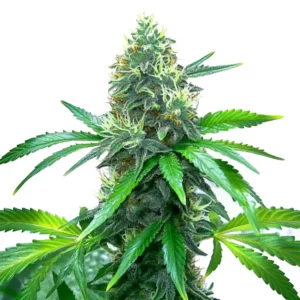
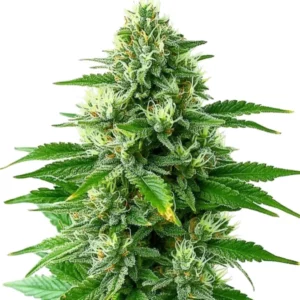
OG Kush

|
THC | 20% - 24% (Medium) |

|
Type | Feminized |

|
Yield | Medium |

|
Phenotype | 55% Indica / 45% Sativa |
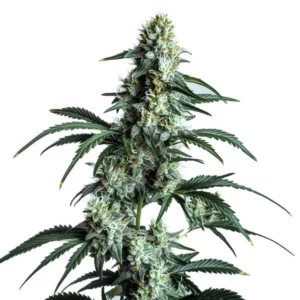
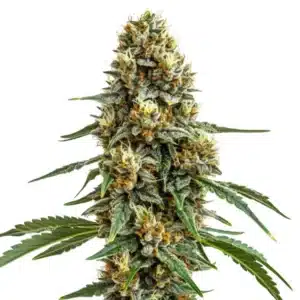
Sour Diesel
|
|
THC | 22% - 25% (Medium) |
|
|
Type | Feminized |
|
|
Yield | High |
|
|
Phenotype | 30% Indica / 70% Sativa |
One of the key things to remember is that different cannabis strains may show signs of nutrient deficiency in slightly different ways. For instance, Blimburn Seeds offers a variety of strains like Blue Dream, OG Kush, and Sour Diesel. Each strain has its nutrient preferences, making it important to tailor your care accordingly.
Leaf Discoloration
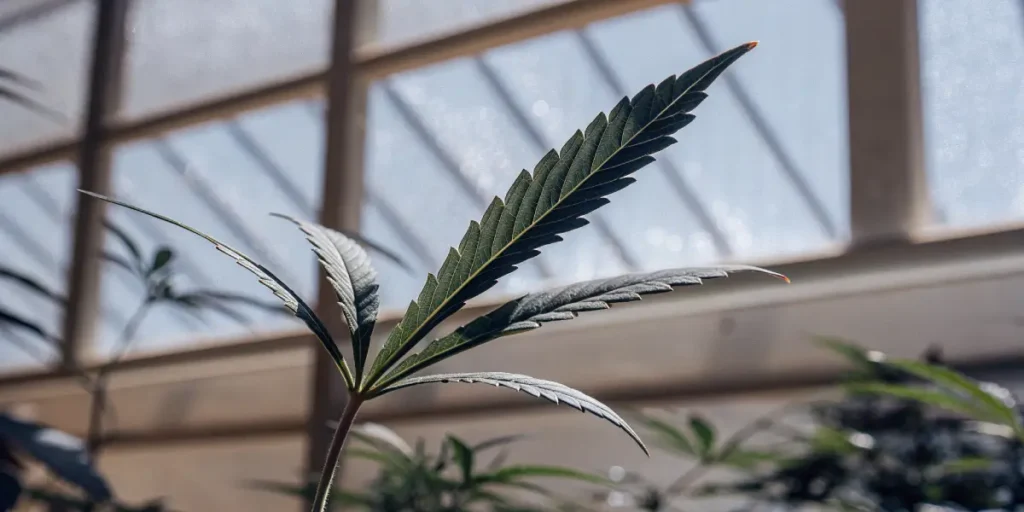
Leaf discoloration is a common early sign of nutrient deficiency in cannabis. Leaves may turn yellow, brown, or even purple, depending on the missing nutrient. For instance, nitrogen deficiency often causes leaves to yellow, starting from the bottom of the plant. This is because nitrogen is a mobile nutrient, meaning the plant will move it from older to newer leaves.
On the other hand, if you notice the edges of leaves turning brown and crisp, it could be a sign of potassium deficiency. This deficiency often affects the lower and older leaves first. Ensuring that your plants receive a balanced diet of nutrients will help prevent these issues from escalating.
Beyond nitrogen and potassium, other nutrients like magnesium and phosphorus can also affect leaf coloration. Magnesium deficiency often leads to interveinal chlorosis, where the areas between leaf veins turn yellow. Phosphorus deficiency might cause leaves to develop a dark, bluish-green hue before they turn purple. Knowing these nuances can aid in detecting nutrient deficiency in cannabis early.
Regular plant inspections can help catch these color changes before they become problematic. By integrating a monitoring routine into your cultivation practices, you can identify early symptoms of cannabis nutrient deficiency and adjust your care strategies accordingly. This proactive approach ensures your cannabis plants remain vibrant and healthy.
Spotting the Signs Early
Detecting nutrient deficiency in cannabis early can save your crop. Look closely at the leaves regularly. If your plants are showing unusual colors or patterns, act quickly. Consider checking the pH levels of your soil or growing medium. Incorrect pH can lock out nutrients, making them unavailable to the plant even if they’re present in the soil.
Another tip is to keep a journal of your grow. Document changes and note any signs of nutrient deficiency in cannabis plants as they arise. This helps in tracking patterns and pinpointing the exact moment when things started to go wrong.
Using tools like magnifying glasses or digital microscopes can help you spot early nutrient deficiency indicators in marijuana. These tools provide a closer look at leaf surfaces, revealing subtle color changes or texture variations that might not be visible to the naked eye. Early detection allows for timely interventions to restore plant health.
Moreover, sharing observations with fellow growers or online forums can provide additional insights into your plants’ health. Collective knowledge can be invaluable for knowing how to identify cannabis nutrient deficiency early and comparing experiences with different strains like those from Blimburn Seeds.
Promos & Deals
Growth Stunting
Growth stunting is another indicator. If your cannabis plants are not growing as fast as expected, they might be lacking essential nutrients. This is especially common in the vegetative stage when plants require more nitrogen. A lack of growth could mean the plant is focusing its limited resources on survival rather than development.
To address this, ensure your feeding schedule is appropriate for the stage of growth your plants are in. For example, OG Kush from Blimburn Seeds thrives with a steady supply of nitrogen during its vegetative phase. Adjust the nutrient mix as your plant progresses to avoid deficiencies.
It’s also crucial to consider environmental factors that might contribute to growth stunting. Temperature extremes, inadequate lighting, or poor air circulation can exacerbate the early signs of nutrient deficiency in cannabis. Ensuring optimal growing conditions can help mitigate these stressors and promote healthy development.
Regularly measuring growth rates and comparing them to expected benchmarks for your specific strain can also help in detecting nutrient deficiency in cannabis early. This data can guide adjustments in nutrient supply and environmental conditions, ensuring your plants have the resources needed for robust growth.
Balancing Nutrients
Learning how to identify cannabis nutrient deficiency early means maintaining a balanced nutrient regimen. Over-fertilization can be just as harmful as under-fertilization. Excess nutrients can lead to nutrient lockout, where the plant cannot absorb any nutrients at all.
One practical approach is to use a nutrient schedule tailored to the cannabis strain you are growing. Blimburn Seeds offers a variety of strains, each with its specific needs. For instance, Sour Diesel may require a different nutrient balance compared to OG Kush.
Incorporating organic matter like compost or worm castings can enhance nutrient balance, providing a slow release of essential elements. This can prevent the sudden fluctuations that often lead to early symptoms of cannabis nutrient deficiency.
Periodic soil testing can also be invaluable. Measuring nutrient levels and pH can help you fine-tune your feeding regimen, preventing both deficiencies and toxicities. This proactive management is essential for maintaining the health and productivity of your cannabis plants.
Weak Stems and Branches
Weak stems and branches are often a sign of nutrient deficiency. This can result from a lack of calcium, which is crucial for building strong cell walls. If your stems are bending or breaking easily, it’s time to reassess your nutrient regimen.
Calcium deficiencies can be corrected by adding calcium supplements or by adjusting the pH levels to ensure calcium is available to the plant. Regularly monitor your plants to catch these early signs of nutrient deficiency in cannabis before they become severe.
Besides to calcium, silica supplements can also enhance stem strength and resilience. Silica helps fortify cell walls, providing structural support that can reduce the risk of damage from environmental stresses.
Observing the physical structure of your plants can offer clues about their nutrient status. For example, closely spaced internodes might indicate early nutrient deficiency indicators in marijuana, suggesting a need to reassess your nutrient mix and growing conditions.
Strengthening Your Plants
Ensuring that your plants have strong structural support is vital. Consider using stakes or cages to support weak branches while addressing the underlying nutrient deficiency. This physical support can help prevent further damage while you work to correct the deficiency.
Giving your plants the right nutrients can make a huge difference. For example, using a balanced nutrient formula designed for cannabis can provide all the essential minerals your plants need. Strains like Blue Dream from Blimburn Seeds can benefit greatly from such care.
Implementing a foliar feeding program can also be beneficial. Applying nutrients directly to the leaves allows for quick absorption, providing an immediate boost to plants showing signs of nutrient deficiency in cannabis plants.
Consistent monitoring and adjustment of your growing environment are key to preventing deficiencies. Regular rotations and optimal spacing can ensure even light distribution and air flow, reducing stress and promoting strong, healthy growth.
FAQs about early signs of nutrient deficiency in cannabis
What are the early symptoms of cannabis nutrient deficiency?
Early symptoms of cannabis nutrient deficiency can include leaf discoloration, stunted growth, and weak stems. These symptoms can vary depending on the specific nutrient that is deficient. For example, yellowing leaves often indicate a nitrogen deficiency, while brown leaf edges may suggest a lack of potassium.
Regular observation is key. Checking the color and texture of leaves, as well as the growth rate, can provide early nutrient deficiency indicators in marijuana. Addressing these issues promptly can prevent more severe problems.
It’s also important to consider the function of environmental factors. Poor lighting or incorrect humidity levels can exacerbate the early signs of nutrient deficiency in cannabis, making it essential to maintain optimal growing conditions alongside nutrient management.
Utilizing high-quality seeds from Blimburn Seeds can also provide a strong foundation for healthy growth. Their robust strains are bred for resilience, allowing you to better detect and address any deviations from normal growth patterns.
How can I identify cannabis nutrient deficiency early?
To identify cannabis nutrient deficiency early, monitor your plants closely. Look for changes in leaf color and texture, growth patterns, and stem strength. Keep a detailed log of any changes you observe and compare them against normal growth patterns for your specific strain.
Using high-quality seeds from a reliable source like Blimburn Seeds can also help. Their strains, such as OG Kush, are bred to be robust, making it easier to spot deviations from healthy growth.
Incorporating regular soil and water testing into your routine can also aid in early detection. Identifying nutrient imbalances before they manifest visually allows for timely corrections, ensuring your plants remain healthy and productive.
Engaging in community forums or consulting with experienced growers can provide additional insights into how to identify cannabis nutrient deficiency early. Sharing experiences and solutions can enhance your growing practices and improve overall plant health.
Why is early detection of nutrient deficiency in cannabis important?
Early detection of nutrient deficiency in cannabis is crucial because it allows you to correct problems before they become severe. Addressing deficiencies early can prevent stunted growth and poor yields, which are common consequences of prolonged nutrient imbalance.
By catching early signs of nutrient deficiency in cannabis, you can adjust your feeding schedule, pH levels, and nutrient formulas to provide the best care for your plants, ultimately leading to a healthier and more productive crop.
Early intervention can also prevent secondary problems, such as pest infestations or diseases that often target weakened plants. Maintaining robust plant health from the start is essential for a successful harvest.
Investing in preventive measures, such as quality seeds from Blimburn Seeds and effective nutrient management, can save time and resources in the long run. Ensuring your plants receive the right care from the outset is key to thriving cannabis cultivation.
What are some common signs of nutrient deficiency in cannabis plants?
Common signs of nutrient deficiency in cannabis plants include yellowing or browning of leaves, slow or stunted growth, and weak stems or branches. These symptoms can vary depending on the specific nutrient that is lacking.
Pay close attention to your plants’ overall health. Even subtle changes can indicate a nutrient deficiency. For instance, Sour Diesel from Blimburn Seeds may show specific signs depending on the nutrient it lacks, allowing you to tailor your interventions accordingly.
Knowing the nutrient needs of each growth stage is also crucial. For example, during flowering, phosphorus and potassium become more critical, and deficiencies can lead to reduced bud development and quality.
Regularly revisiting your nutrient regimen and adjusting based on plant feedback is essential. Staying attuned to the signs of nutrient deficiency in cannabis plants ensures you can provide the most effective care throughout the growth cycle.
Can different cannabis strains show different early nutrient deficiency indicators?
Yes, different cannabis strains can show different early nutrient deficiency indicators. Each strain has unique nutrient requirements and may exhibit deficiencies in diverse ways. For example, a strain like Blue Dream might show early nitrogen deficiency with yellowing leaves, while another strain might exhibit different symptoms.
Knowing the specific needs of your chosen strain, such as those offered by Blimburn Seeds, can aid in detecting nutrient deficiency in cannabis early. Adjust your nutrient strategy based on the strain to ensure optimal health and growth.
Strain-specific nutrient charts or guides can be invaluable resources. These tools provide tailored information on the nutrient needs and potential deficiencies unique to each strain, allowing for more precise management.
Experimenting with different nutrient formulas and observing the plant’s response can also provide insights into the specific preferences of each strain. This hands-on approach can enhance your knowing and ability to meet the nutritional demands of your cannabis plants.