The Essential Brix Level for Cannabis Pre-Harvest Success!

When you’re about to harvest your cannabis, checking the Brix level is crucial. The Brix level tells you the sugar content in your plant’s sap. This measurement indicates the plant’s health and quality. For cannabis, a good Brix level before harvest can mean the difference between average and superior buds.
The question “What is a good Brix level for cannabis before harvest?” often comes up among growers. Typically, a Brix level of 12 or higher is considered excellent. High Brix levels suggest that your plant is healthy, with strong cell walls and abundant nutrients. This is exactly what you want for your cannabis plants.
Recommended Strains
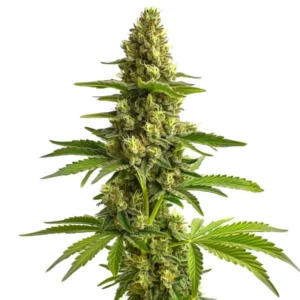
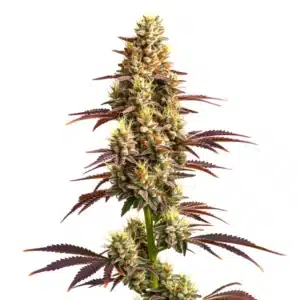
Bruce Banner #3

|
THC | 20% - 29% (High) |

|
Type | Feminized |

|
Yield | Medium |

|
Phenotype | 50% Indica / 50% Sativa |
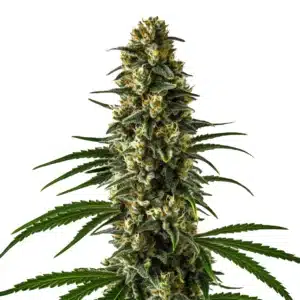
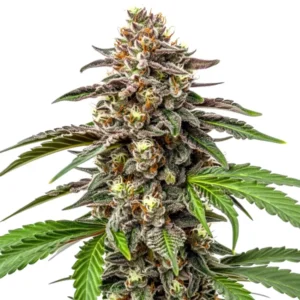
Girl Scout Cookies
|
|
THC | 18% - 25% (Medium) |
|
|
Type | Feminized |
|
|
Yield | High |
|
|
Phenotype | 60% Indica / 40% Sativa |
For strains like Blimburn Seeds’ Girl Scout Cookies, aiming for a higher Brix level can enhance the flavor profile. It’s not just about sugars; it’s about improving the overall quality of your harvest. A higher Brix level means your plant can resist pests better and produce more resin, resulting in potent and flavorful buds.
What is a Brix Level?
Brix level measures the sugar content in plant sap. This is expressed in degrees Brix (°Bx). One degree Brix equals one gram of sucrose in 100 grams of solution. In simpler terms, it tells you how sweet your plant’s sap is. But it’s not just about sweetness; it reflects overall plant health.
Growers often use a refractometer to measure Brix levels. It’s a simple tool that gives you a quick reading. By placing a drop of plant sap on the refractometer, you can determine the sugar concentration. The reading helps in assessing whether the plant is ready for harvest. A high Brix level is what every grower aims for before the harvest.
Knowing the Brix level significance in cannabis cultivation helps growers make informed decisions. By consistently monitoring Brix levels, growers can tailor their nutrient regimens to meet the plant’s specific needs at different stages of growth. This proactive approach ensures that the plant remains in optimal health, leading to a more successful harvest.
Using a cannabis Brix level guide pre-harvest can further enhance your cultivation strategy. These guides offer insights into the ideal Brix level cannabis harvest targets, helping you align your growing practices with industry standards. This alignment not only boosts plant health but also optimizes the final product’s quality.
Promos & Deals

Why is Brix Level Important for Cannabis?
The importance of Brix level in cannabis cultivation lies in its correlation with plant health. High Brix levels indicate that your plant has effectively absorbed nutrients. This is crucial for producing dense, resinous buds. Healthy plants with high Brix levels are less susceptible to pests and diseases.
Take Blimburn Seeds’ Bruce Banner #3, for example. This strain is known for its potency. Achieving an optimal Brix measurement for cannabis like Bruce Banner #3 can boost its natural THC levels. It’s a win-win for growers looking for both quality and quantity in their harvest.
Moreover, the Brix level significance in cannabis cultivation extends beyond just sugar content. It acts as an indicator of the plant’s overall vitality, reflecting how well it can synthesize energy through photosynthesis. This synthesis is crucial for developing the terpenes and cannabinoids that define the plant’s flavor and potency.
High Brix levels often correlate with a plant’s resilience. When plants maintain a robust Brix level, they are better equipped to withstand environmental stresses. This resilience is essential for ensuring that the plant reaches its full genetic potential, leading to the recommended Brix value cannabis harvesting aims for.
How to Measure Brix Level in Cannabis
Measuring the Brix level in cannabis is straightforward. First, you’ll need a refractometer. Start by crushing a small sample of your plant material to extract the sap. Place a drop of this sap on the refractometer lens. Then, look through the device to read the Brix level.
Regular monitoring is key. By keeping an eye on your plant’s Brix levels, you can make necessary adjustments to your cultivation practices. This may involve tweaking your nutrient regimen or adjusting light exposure to ensure your plants are thriving.
Consistency in measuring Brix levels can lead to a more accurate knowing of your plant’s health. By recording Brix levels at regular intervals, you can track how environmental changes or nutrient adjustments impact the plant. This information is invaluable for achieving the ideal Brix level cannabis harvest.
Remember that temperature and time of day can affect Brix readings. To obtain the most reliable data, measure your Brix levels under consistent conditions. This practice ensures that your readings reflect true changes in plant health rather than external variables.

Steps to Achieve Optimal Brix Levels
First, focus on soil health. Rich, organic soil can boost your plant’s ability to absorb nutrients, directly impacting Brix levels. Consider incorporating compost or organic fertilizers to improve soil quality. This can help elevate the recommended Brix value for cannabis harvesting.
Next, ensure adequate watering practices. Over-watering can dilute the plant’s nutrient uptake, lowering Brix levels. Conversely, underwatering can stress the plant, again affecting Brix readings. Balance is key to maintaining ideal Brix levels for cannabis harvest.
Besides to soil and water management, optimizing light exposure is crucial. Providing your plants with ample light not only aids in photosynthesis but also supports the production of sugars and other essential compounds. This strategy is a cornerstone of achieving optimal Brix measurement for cannabis.
Genetics also play a pivotal role in determining Brix levels. Selecting strains with a genetic predisposition for high Brix levels, such as those from Blimburn Seeds, can give you a head start. These strains are specifically bred to produce plants with superior sugar content and overall health.
Practical Tips for Raising Brix Levels
Improving light exposure is a practical way to raise Brix levels. Ensure your plants receive adequate light, which helps in photosynthesis. This process directly impacts sugar production in plants. More light means more sugars, which means higher Brix levels.
Another tip is to use foliar feeding. This involves spraying a nutrient solution directly onto the leaves. It can give your plants a quick nutrient boost, which might reflect in higher Brix levels. It’s a simple yet effective method to enhance plant health.
Integrated pest management is another effective strategy for maintaining high Brix levels. By controlling pest populations, you prevent them from sapping your plant’s energy, allowing it to focus on producing sugars and other vital compounds. This approach supports the plant’s ability to maintain optimal Brix levels.
Regularly rotating crops and using companion planting can also aid in maintaining soil health, which is essential for high Brix levels. By diversifying your planting strategy, you can create a more balanced ecosystem that supports nutrient uptake and overall plant health.
FAQs about What is a good Brix level for cannabis before harvest?
What tools do I need to measure Brix levels?
To measure Brix levels, you’ll need a refractometer. This tool is essential for any serious grower. It’s easy to use and provides quick results. Simply apply a drop of plant sap to the device and read the measurement.
Besides a refractometer, ensure you have proper lighting and nutrient supplies. These are vital in maintaining high Brix levels. Consistent monitoring with the right tools can help achieve the ideal Brix level for cannabis harvest.
Investing in a quality refractometer can make a significant difference in your cultivation efforts. Look for a device that’s easy to calibrate and provides accurate readings. A reliable refractometer is a key component in following a cannabis Brix level guide pre-harvest.
Additionally, keeping a detailed log of your Brix measurements can help you identify patterns and make informed adjustments. This practice allows you to correlate Brix levels with other factors, such as nutrient application and environmental conditions, enhancing your cultivation strategy.
Can all cannabis strains achieve high Brix levels?
Not all cannabis strains are created equal. Some are naturally more capable of achieving higher Brix levels. Genetics play a significant role. Strains like Blimburn Seeds’ Girl Scout Cookies are bred for robust health and high sugar content.
However, all strains can benefit from good cultivation practices. Even if a strain isn’t known for high Brix levels, proper care can improve its potential. Focus on soil health, nutrients, and watering to maximize any strain’s Brix potential.
Knowing the genetic potential of your chosen strains can guide your cultivation practices. While some strains naturally have higher Brix levels, others may require more attention to achieve the desired results. Knowledge of your strain’s characteristics is crucial for reaching the ideal Brix level cannabis harvest.
Even within the same strain, environmental factors can lead to variations in Brix levels. By maintaining consistent growing conditions and employing best practices, you can help any strain reach its full potential, maximizing both yield and quality.
How often should I check Brix levels?
Checking Brix levels regularly is important for tracking plant health. Aim to measure weekly, especially as you approach harvest time. Regular checks allow you to spot trends and make timely adjustments.
Measuring at the same time of day provides consistency. This helps in accurately assessing changes in your plant’s health. Maintaining optimal Brix measurement for cannabis ensures a successful harvest.
Regular monitoring becomes increasingly important as harvest approaches. Sudden changes in Brix levels can indicate the need for immediate intervention, whether it’s adjusting nutrients or addressing environmental stressors. This vigilance is key to maintaining the recommended Brix value cannabis harvesting requires.
Consider incorporating Brix monitoring into your regular cultivation routine. This practice not only helps you track plant health but also allows you to make data-driven decisions that enhance the overall quality of your harvest.
What factors can affect Brix levels?
Several factors influence Brix levels, including nutrient availability, light exposure, and soil health. Imbalances in any of these can lead to lower readings. For example, poor soil can limit nutrient uptake, affecting sugar production.
Stress factors like pests or disease also play a role. They can sap energy from the plant, reducing Brix levels. Managing these factors effectively can help maintain the recommended Brix value for cannabis harvesting.
Environmental conditions, such as temperature and humidity, also impact Brix levels. Extreme fluctuations can stress the plant, leading to reduced sugar production and lower Brix readings. Maintaining stable conditions is crucial for optimal plant health and Brix levels.
Another critical factor is the stage of plant development. As cannabis plants transition through their growth cycle, their nutritional needs change. Tailoring your nutrient schedule to these needs can help maintain high Brix levels throughout the plant’s life cycle, ensuring a robust and healthy harvest.
Can Brix levels predict the quality of my harvest?
Yes, Brix levels can be a good indicator of harvest quality. High Brix levels suggest that your plants are healthy and nutrient-rich. This typically translates to better taste, aroma, and potency in your final product.
While it’s not the only measure of quality, it’s a reliable one. Coupled with other cultivation practices, focusing on Brix levels can significantly improve the outcome of your cannabis harvest. It’s an integral part of the cannabis Brix level guide pre-harvest.
High Brix levels are often associated with increased production of terpenes and cannabinoids, which are essential for the plant’s flavor and psychoactive properties. This correlation makes Brix levels a practical metric for predicting the sensory quality of your harvest.
Incorporating Brix level monitoring into your broader cultivation strategy can provide a more comprehensive knowing of plant health. By using Brix levels alongside other indicators, you can make informed decisions that enhance both the quality and yield of your cannabis harvest.