The Best Tips for Growing Big Weed

Quick Summary: To grow Big Weed, you need elite genetics, large containers (25L+), and strategic training like 12/12 photoperiod control. By combining high-carbohydrate feeding with techniques like SCROG or FIM pruning, you can transform a standard seedling into a giant cannabis plant with monster yields.
From Seed to Monster Harvest
Growing giant marijuana plants is a science that starts beneath the soil. To achieve a big cannabis plant, you must focus on root expansion. A plant’s canopy size is limited by its root mass; therefore, using large pots of at least 25 to 50 liters is the first step toward a “monster” grow. In these large volumes, the root system can establish a vast network of white, fuzzy feeder roots that maximize nutrient uptake.
Recommended Strains
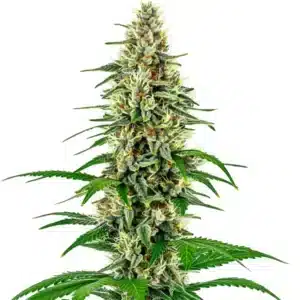
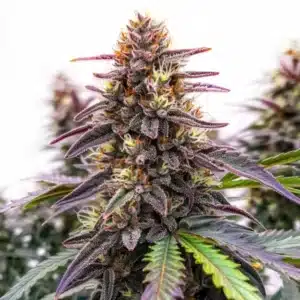
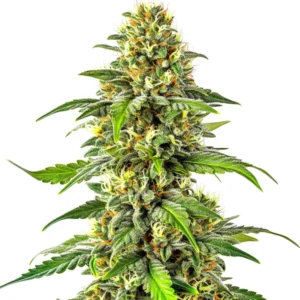
Skunk Diesel

|
THC | 16% - 18% (Medium) |

|
Type | Feminized |

|
Yield | Medium |

|
Phenotype | 55% Indica / 45% Sativa |
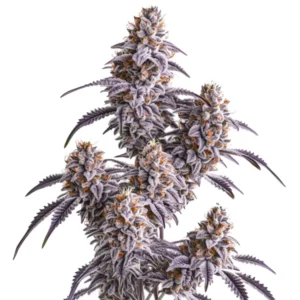
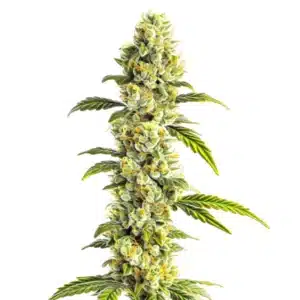
Critical x Green Crack
|
|
THC | 13% - 18% (Medium) |
|
|
Type | Feminized |
|
|
Yield | Medium |
|
|
Phenotype | 40% Indica / 60% Sativa |
Biologically, big weed plants require an aerated substrate to prevent root rot. Using organic matter like compost mixed with mycorrhizae fungi creates a symbiotic relationship. These non-pathogenic fungi attach to the roots, effectively extending their reach for water and minerals. This leads to thicker main stems and more robust lateral branches, which are essential for supporting the heavy weight of massive buds during the late flowering stage.
Promos & Deals

Maximizing Your Giant Cannabis Plant with Technical Training
To grow the biggest cannabis plant possible, you cannot let it grow naturally. Techniques like SCROG (Screen of Green) use a mesh to spread the branches horizontally. This ensures that every bud site stays within the “sweet spot” of your light’s PAR (Photosynthetically Active Radiation) zone. Indoors, light intensity drops off quickly with distance, so a flat canopy created by training is the secret to giant weed plants.
Pruning is equally vital. The FIM technique involves removing 90% of a growing tip, which triggers the plant to produce multiple terminal colas instead of just one. For big weed, you also want to apply “Lollipopping”, removing the spindly lower growth that doesn’t get light. This forces the plant to send all its energy, nitrogen, and phosphorus to the top tips, resulting in dense, heavy flowers that are characteristic of big cannabis plants.
Technical Comparison: Top Strains for Giant Marijuana Plants
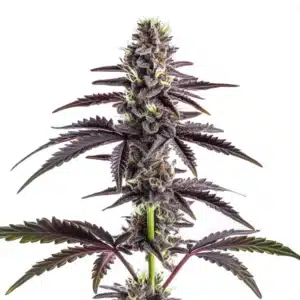
| Technical Feature | Skunk Diesel | Critical x Green Crack | Blue Colombian Kush |
|---|---|---|---|
| Genotype | Mostly Indica | Sativa-Dominant Hybrid | Pure Indica leaning |
| Outdoor Height | 1.5 – 2.0 Meters | Over 2.0 Meters | 1.8 – 2.2 Meters |
| Yield Potential | 550g per plant | 700g per plant | 600g per plant |
| Terpene Profile | Myrcene (Earthy/Diesel) | Limonene (Citrus/Fruity) | Pinene (Pine/Kush) |
| Flowering Time | 8-9 Weeks | 7-8 Weeks | 10-12 Weeks |
| Training Success | High (Topping) | Exceptional (SCROG) | Great (LST) |
Light Cycles and Environmental Control for Big Cannabis Plants
Light is the fuel for giant cannabis plants. Indoors, you must maintain a 18/6 light cycle during the vegetative phase to build the plant’s structure. For big weed, don’t rush the flip to flowering. Keep the plant in the vegetative stage for at least 8 weeks if space allows. When you are ready for buds, change to 12 hours of total darkness. This signals the plant that fall is coming, triggering the “flowering stretch” where a big cannabis plant can double in size.
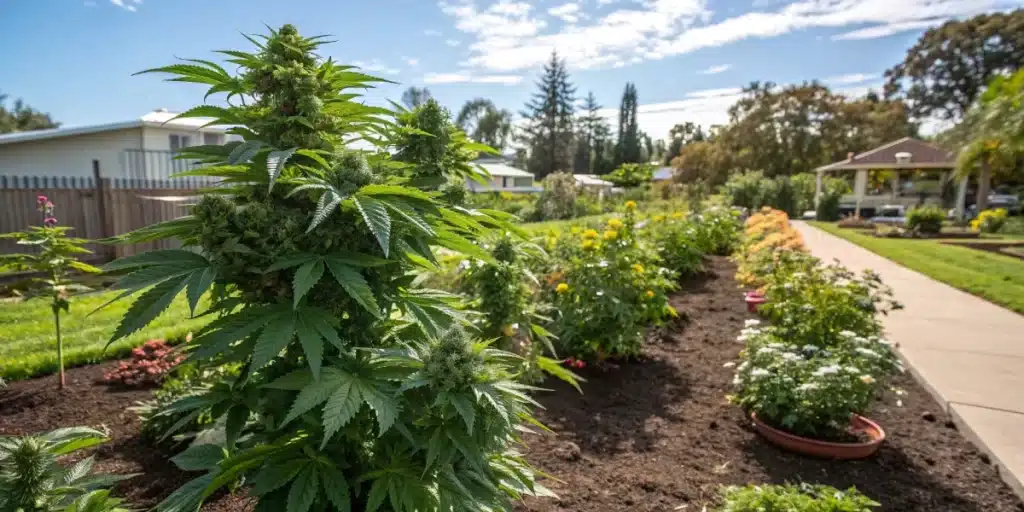
Outdoor giant marijuana plants rely on the sun’s full spectrum and high DLI (Daily Light Integral). To reach maximum potential, start your seeds early indoors in the spring and move them out once the threat of frost has passed. Ensure your area has at least 6-8 hours of direct sunlight. A healthy big weed plant can transpire gallons of water a day, so keeping the soil moist but not wet is a full-time job for any “Seed Hero.”
Professional Tips for Pro Cultivators
- Flush 10-14 days before harvest: Use reverse osmosis water to remove fertilizer salts. This improves flavor by letting the plant use up its stored sugars.
- Monitor Trichome Color: Use a 30x microscope. Harvest when 50% are milky white and 50% are amber for the best mix of “head” and “body” stone.
- Silica for Stem Strength: Add liquid silica to your nutrients. It hardens the cell walls, helping big cannabis plants support heavy colas without snapping.
- The “Cold Cure”: After drying, store your buds in airtight glass jars in a cool, dark place (around 18°C). This preserves terpenes like Myrcene and Limonene for a better aroma.
Frequently Asked Questions
How big can a weed plant grow?
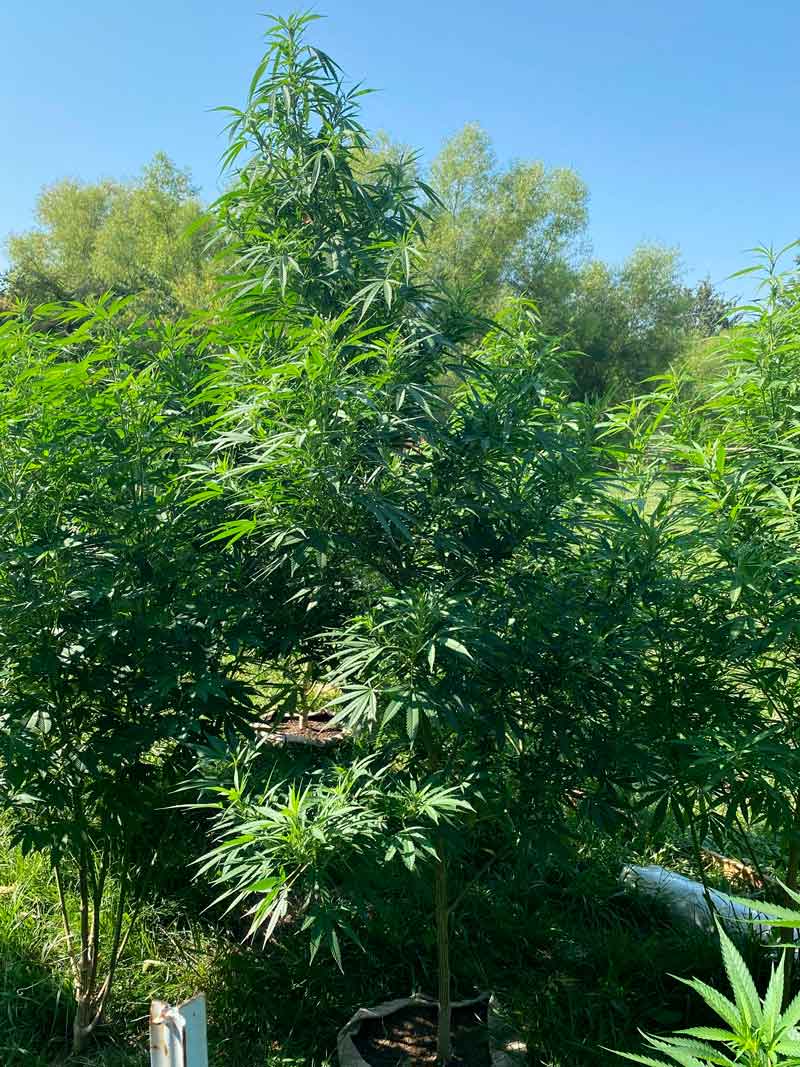
A cannabis plant’s size depends on genetics and environment. Indoors, they are usually kept under 2 meters due to ceiling limits. However, outdoors, a giant cannabis plant with pure Sativa genetics can reach over 4.5 meters (15 feet) in height. The final size is determined by pot volume, total vegetative time, and light intensity.
What are the best nutrients for big weed plants?
During the vegetative stage, focus on high nitrogen to build green leaves. Transition to high phosphorus and potassium (PK boosters) once flowering starts to support bud density. Always maintain a pH between 6.0 and 7.0 in soil to prevent nutrient lockout, which is the leading cause of stunted big weed plants.
Can I grow giant marijuana plants indoors?
Yes, but you must use high-wattage HID or LED lights and training techniques. Big weed plants indoors need lots of vertical space and excellent air circulation. Using the SCROG method is the best way to manage a giant marijuana plant in a grow tent while ensuring a massive, high-quality harvest of potent buds.