The Appeal of Hemp Wraps

Quick answer: hemp wraps are a natural, tobacco-free alternative to blunt wraps and rolling papers, made from hemp fiber. They burn slowly, add little flavor of their own and avoid tobacco’s nicotine, which appeals to many smokers. They are not risk-free, though, since any smoking carries health risks. Whether they beat papers comes down to your taste and priorities.
Below we compare hemp wraps with traditional papers on experience, sustainability, burn, health and cost.
Recommended Strains
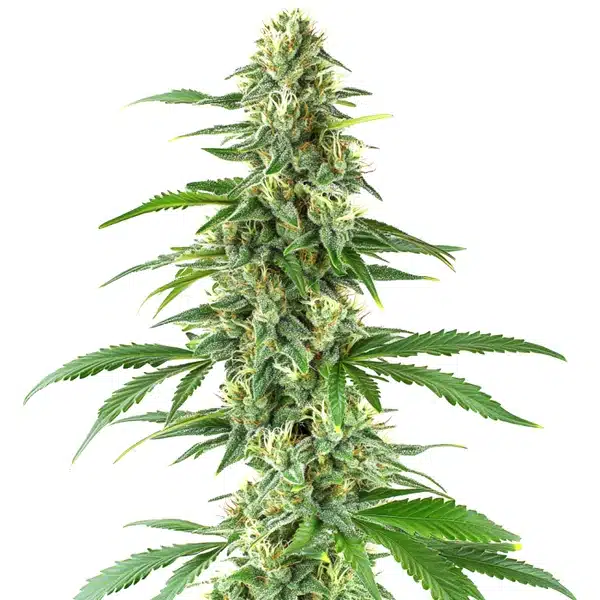
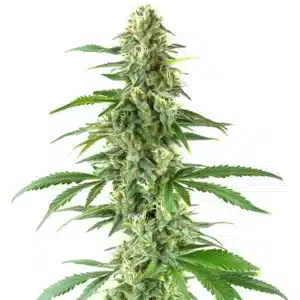
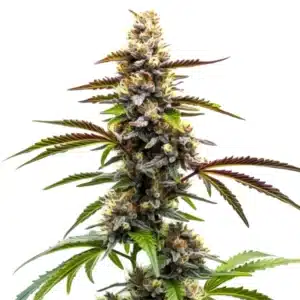
Yumboldt

|
Type | Feminized |

|
THC | 18% - 20% (Medium) |

|
Phenotype | 70% Indica / 30% Sativa |

|
Yield | Medium |
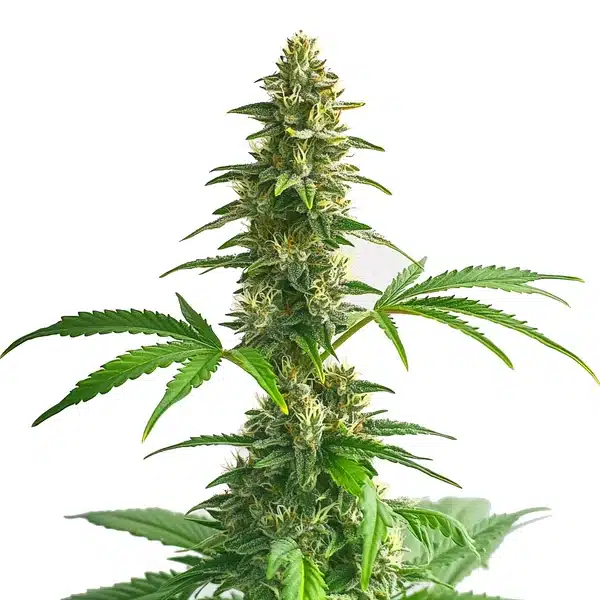
Yumbolt Auto
|
|
Type | Autoflowering |
|
|
THC | 12% - 24% (High) |
|
|
Phenotype | 80% Indica / 20% Sativa |
|
|
Yield | Medium |
A Natural Alternative
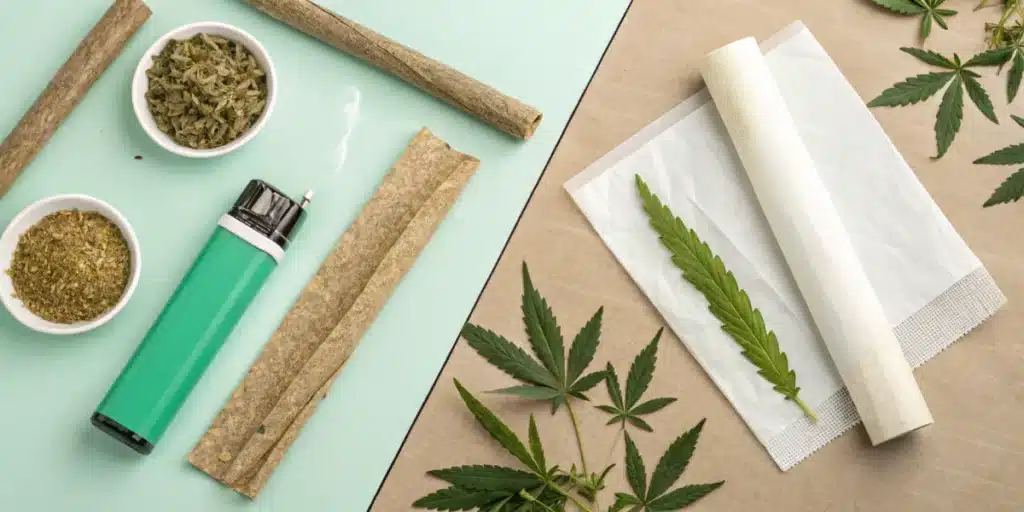
Hemp wraps are made from hemp fiber rather than tobacco or heavily processed paper, which is their core appeal. Smokers looking to avoid tobacco’s nicotine and additives, or synthetic ingredients in some papers, turn to hemp for a cleaner-feeling roll. They offer a sturdy, slow-burning wrap with a mild, earthy character that lets the flower’s flavor come through.
Enhanced Smoking Experience
Fans of hemp wraps praise their slow, even burn and the way they stay out of the flavor’s way compared with tobacco blunt wraps. The result is a smoother, more flower-forward session for many smokers. The thicker hemp material also holds more and can feel more substantial than thin papers, which some people prefer for a relaxed, longer smoke.
Promos & Deals
Traditional Rolling Papers: A Familiar Choice
Rolling papers remain the classic choice for good reason: they are thin, cheap, widely available and let the flavor of the flower dominate. Here is how their materials and health profile compare with hemp wraps.
Material Considerations
Papers come in several materials, wood pulp, rice and hemp, each burning a little differently. Rice and hemp papers are thin and slow-burning with minimal taste, while bleached wood-pulp papers are common but more processed. Unbleached and natural papers appeal to those avoiding extra chemicals. The material you choose affects burn, flavor and how clean the smoke feels.
Health Concerns
No smoking option is healthy. Hemp wraps avoid tobacco and nicotine, which is a plus over blunt wraps, but burning any plant material produces smoke and tar that can harm the lungs. Treat hemp wraps as a less-bad alternative to tobacco wraps, not a safe one. This is general information, not medical advice.
Sustainability and Environmental Impact
Hemp’s green reputation is part of its appeal. As a fast-growing, renewable crop, hemp can be a more sustainable raw material than some alternatives. Here is how that plays out.
Renewable Resources
Hemp grows quickly, needs relatively little water and pesticide compared with many crops, and regenerates fast, making it a renewable raw material. For environmentally minded smokers, hemp wraps and hemp papers can feel like a lower-impact choice than materials tied to deforestation or heavy processing.
Eco-Friendly Manufacturing
Many hemp wrap and paper brands emphasize natural processing and minimal chemicals, which can reduce environmental impact further. As always, the greenness varies by brand, so look for ones that are transparent about how their products are made if sustainability is a priority for you.
The Smoking Experience: Smoothness and Burn Rate
Burn rate is a key practical difference. Hemp wraps are thicker and tend to burn more slowly and evenly, while thin papers burn faster. Here is what that means in practice.
Burn Characteristics
Hemp wraps generally give a slow, steady, even burn that suits a longer, relaxed session, and their mild flavor keeps the focus on the flower. Thin papers burn quicker and are easy to light but can run or canoe if unevenly packed. If you want a leisurely smoke, hemp’s slower burn is a real advantage.
Health Benefits and Risks
The main health advantage of hemp wraps over blunt wraps is avoiding tobacco and nicotine, which removes one clear harm. However, inhaling any smoke exposes your lungs to tar and irritants, so hemp wraps are not a healthy choice, just potentially a less harmful one than tobacco. Smoke-free methods avoid these risks entirely. This is general information, not medical advice.

Ease of Use: Rolling and Handling
Hemp wraps and papers handle a little differently, which affects how easy they are for beginners. Here is what to expect when rolling and what you get for the price.
Learning Curve
Thin papers can be fiddly for beginners, tearing or rolling unevenly, while hemp wraps are thicker and more forgiving to handle, though they roll a bit differently from a classic joint. Pre-rolled hemp cones remove the skill barrier entirely. With a little practice, either becomes easy.
Value for Money
Rolling papers are usually the cheapest option, while hemp wraps cost a bit more but offer a slower burn and a tobacco-free alternative to blunt wraps. For occasional smokers, papers are economical; for those who value the hemp experience, the extra cost is modest. Your habits decide the better value.
Storage and Shelf Life
Both hemp wraps and papers last a long time if stored well. Keep them sealed, cool and away from humidity and strong odors so they do not dry out, get brittle or go moldy. Hemp wraps can dry out if left open, so reseal the pack. Proper storage keeps them fresh and easy to roll.
Availability and Market Trends
Hemp wraps have moved from niche to mainstream, and both wraps and papers are now widely available online and in stores. Demand for natural, tobacco-free options continues to grow, which is expanding the range of hemp products on offer.
Consumer Preferences
More smokers are seeking natural, tobacco-free and sustainable options, which has driven hemp wraps’ popularity. Preferences still vary: some want the purity and low cost of thin papers, others the slow burn and tobacco-free feel of hemp. The growing choice means there is a good fit for most tastes.
Innovation in Hemp Products
The category keeps expanding with flavored hemp wraps, pre-rolled hemp cones and improved, more natural formulations. This innovation makes hemp options easier to use and more varied than ever, broadening their appeal to both new and experienced smokers.
| Factor | Hemp wraps | Rolling papers |
|---|---|---|
| Material | Hemp fiber (tobacco-free) | Rice, hemp or wood pulp |
| Burn | Slow, even | Faster |
| Flavor | Mild, earthy | Minimal (thin papers) |
| Cost | A bit higher | Cheapest |
| Best for | Slow, tobacco-free session | Simple, pure, cheap |

FAQs About Are Hemp Wraps Better Than Papers
Are hemp wraps better for the environment than traditional papers?
Often, yes. Hemp is a fast-growing, renewable crop that typically needs less water and pesticide than many alternatives, so hemp wraps and papers can be a lower-impact choice, especially versus heavily processed or tobacco-based products. The exact footprint varies by brand and how the product is made.
Do hemp wraps burn slower than regular rolling papers?
Generally yes. Hemp wraps are thicker than thin rolling papers, so they tend to burn more slowly and evenly, which suits a longer, relaxed smoke. Thin rice or hemp papers burn faster. An even pack and good storage help any wrap or paper burn smoothly.
Can hemp wraps be reused?
No. Like papers, hemp wraps are single-use; once burned they cannot be reused. If a wrap goes stale before use, you can sometimes freshen it slightly with a humidity pack, but a smoked wrap is done. Store them sealed and cool so they stay fresh until you roll.
Are there flavored hemp wraps available?
Yes. Flavored hemp wraps are widely available, from fruity to sweet options, adding a light taste to your smoke. The flavor is usually subtle. Choose quality brands so added flavors are pleasant rather than harsh, and store them sealed to keep that flavor fresh.
Do hemp wraps contain THC?
No, not in any meaningful amount. Hemp wraps are made from industrial hemp fiber, which contains only trace THC and will not get you high on its own. They are simply the wrap; any effect comes from what you roll inside. This is general information, not legal advice.