Proven Ways to Grow Weed to Avoid Pesticides: Expert Guide

Growing organic cannabis at home is a rewarding endeavor. It offers control over what goes into your plants, ensuring a cleaner, healthier product. Many growers seek to grow weed to avoid pesticides, aiming to cultivate a pure, natural product. With a few simple strategies, you can achieve this goal.
The first step is knowing your plants’ needs. Cannabis plants thrive with the right balance of nutrients, water, and sunlight. By catering to these needs, you help your plants develop strong defenses against pests naturally. Choosing the right cannabis strains from Blimburn Seeds also plays a crucial role in achieving pesticide-free marijuana cultivation.
Recommended Strains

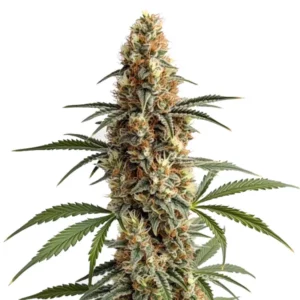
Blue Dream

|
THC | 17% - 24% (Medium) |

|
Type | Feminized |

|
Yield | High |

|
Phenotype | 50% Indica / 50% Sativa |
Mamba Negra
|
|
THC | 18% (Medium) |
|
|
Type | Feminized |
|
|
Yield | High |
|
|
Phenotype | 55% Indica / 45% Sativa |
For first-time growers, it might seem daunting, but with some guidance, anyone can master the art of how to grow weed without chemicals. Experienced growers know the importance of monitoring and adjusting conditions to keep plants healthy and resistant to pests.
Choosing the Right Strains
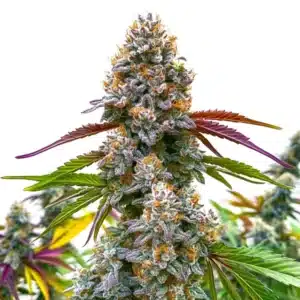
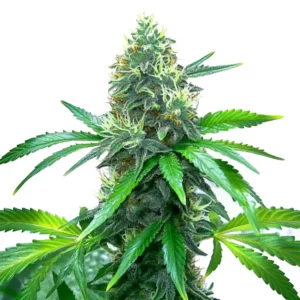
Blimburn Seeds offers a variety of strains suitable for natural pest control for cannabis plants. Strains like Blue Dream, known for its resilience, can thrive in different environments. Its natural hardiness makes it a great choice for those seeking to grow weed to avoid pesticides.
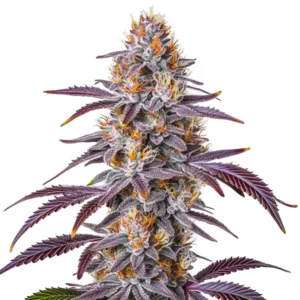
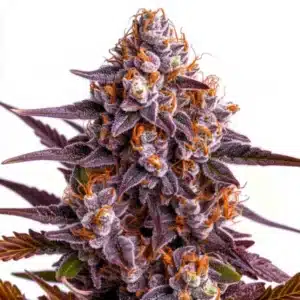
Another excellent option is the Mamba Negra strain. It combines strong growth with a natural resistance to common pests. This strain’s robust nature makes it ideal for organic weed gardening techniques.
When selecting strains, consider the specific conditions of your growing environment. Some strains may prefer a more humid climate while others thrive in drier conditions. By knowing these preferences, you can choose strains that naturally align with your environment, reducing the need for chemical interventions. This selection process is a key step in growing organic cannabis at home.
Additionally, experimenting with different strains can provide insights into which varieties offer the best natural pest resistance for your specific setup. Over time, this knowledge allows you to refine your approach and focus on strains that not only meet your cultivation goals but also support your efforts to grow weed to avoid pesticides.
Techniques for Pesticide-Free Cultivation
Employing organic weed gardening techniques is key. Start by improving soil health. Healthy soil can deter pests and promote strong plant growth. Use compost and natural fertilizers to enrich your soil. This creates an ecosystem where beneficial organisms can thrive, naturally combating harmful pests.
Companion planting is another effective method. By planting certain herbs or flowers near your cannabis, you can deter pests naturally. Plants like basil, marigold, and lavender not only beautify your garden but also repel insects that could harm your cannabis plants.
Besides to these methods, consider rotating your crops. Crop rotation can prevent pest populations from becoming established, as different plants attract different pests. This practice can contribute to a balanced garden ecosystem and supports your goal of how to grow weed without chemicals.
Mulching is another valuable technique. By applying a layer of organic mulch around your plants, you can help retain soil moisture, regulate temperature, and suppress weeds. This simple practice also supports beneficial soil organisms, further enhancing your natural pest control for cannabis plants.
Promos & Deals
Natural Pest Control Methods
Creating a balanced garden ecosystem is essential for natural pest control for cannabis plants. Encourage beneficial insects like ladybugs and predatory mites. These insects are natural enemies of many common cannabis pests and can help maintain a healthy balance.
Avoid using harsh chemicals that can harm the delicate ecosystem of your garden. Instead, focus on creating a supportive environment where your cannabis plants can thrive. This approach reduces the need for chemical interventions, helping you grow weed to avoid pesticides successfully.
Besides to encouraging beneficial insects, consider using natural pest repellents such as garlic or chili sprays. These homemade solutions can deter pests without harming your plants or the environment. Consistent application can form an effective part of your pesticide-free marijuana cultivation tips.
Another strategy is to introduce barriers such as netting or row covers. These physical barriers can protect your plants from pests while allowing sunlight and air to reach them. This method is particularly useful for preventing larger pests, such as birds or rodents, from damaging your crops.
Watering and Nutrient Management
Proper watering techniques are vital to prevent pest infestations. Overwatering can create a breeding ground for unwanted pests. Ensure your plants have adequate drainage and water them only when the soil feels dry to the touch.
Nutrient management plays a crucial role too. Use organic nutrients to feed your plants. Products like bat guano or worm castings provide essential nutrients without harmful chemicals. These products support healthy plant growth and resilience against pests.
Incorporating a diverse range of organic nutrients can further enhance soil health and plant vigor. By varying the nutrients you provide, you can ensure that your plants receive a balanced diet, which is crucial for their natural pest resistance. This approach aligns with the principles of organic weed gardening techniques.
Additionally, pay attention to the timing of your nutrient applications. Applying nutrients during the early morning or late afternoon can reduce evaporation and ensure that your plants absorb the maximum benefits. This practice can help maintain a healthy growing environment and support your efforts to grow weed to avoid pesticides.
Maintaining a Clean Growing Environment
Keeping your grow area clean is crucial for preventing pest problems. Regularly remove dead leaves and debris around your plants. This simple practice eliminates potential hiding spots for pests and reduces the risk of infestations.
Sanitation extends to your tools and equipment too. Clean your gardening tools regularly to prevent the spread of disease and pests. This practice is a fundamental part of how to grow weed without chemicals, ensuring your plants remain healthy and pest-free.
Consider implementing a routine cleaning schedule for your growing space. Regularly disinfecting surfaces and equipment can prevent the introduction and spread of pathogens. This proactive approach is vital for maintaining a healthy, pesticide-free growing environment.
Another aspect of maintaining cleanliness is the management of environmental conditions. By controlling humidity and temperature levels, you can create an environment that is less conducive to pest infestations. This control is essential for successful natural pest control for cannabis plants.
Practical Real-Life Examples
Consider a small-scale indoor grower who noticed spider mites on their plants. Instead of reaching for a chemical pesticide, they introduced ladybugs to their grow room. The ladybugs quickly controlled the spider mite population, demonstrating an effective natural pest control for cannabis plants.
Another example is a backyard gardener who planted lavender and marigold alongside their cannabis. These companion plants effectively repelled aphids and other pests. This simple strategy allowed them to enjoy a bountiful harvest of pesticide-free marijuana.
In another scenario, a grower used crop rotation and companion planting to manage pests over several seasons. By alternating between cannabis and other pest-repelling plants, they maintained a healthy balance in their garden, showcasing effective pesticide-free marijuana cultivation tips.
A community garden project also successfully utilized organic techniques to protect their cannabis crops. By sharing resources and knowledge, participants in the project were able to implement strategies such as beneficial insect release and organic mulching to collectively grow weed to avoid pesticides.
FAQs about grow weed to avoid pesticides
What are the benefits of growing organic cannabis at home?
Growing organic cannabis at home allows you to control the growing environment completely. You can ensure that no harmful chemicals are used, guaranteeing a cleaner, healthier product for personal use. Additionally, it can be a cost-effective way to produce high-quality cannabis, as you won’t rely on commercial products that may contain pesticides.
Another benefit is the ability to cultivate strains that suit your personal needs. With brands like Blimburn Seeds, you can choose strains that are naturally resistant to pests, further reducing the need for chemical interventions. This control makes home cultivation an appealing option for many cannabis enthusiasts.
Home cultivation also offers the opportunity to experiment with different growing techniques. By trying methods such as companion planting or soil enrichment, you can develop a deeper knowing of how to grow weed without chemicals. This hands-on experience is invaluable for those committed to sustainable cultivation practices.
Moreover, growing your own cannabis allows for greater transparency in the production process. You can be confident in the purity of your product, knowing that it was cultivated with natural pest control for cannabis plants and without the use of synthetic chemicals.
How can I ensure my cannabis plants remain pest-free without chemicals?
To keep your cannabis plants pest-free without chemicals, focus on creating a healthy growing environment. Use organic soil and natural fertilizers to promote strong plant growth. Strong plants are more resistant to pests, reducing the need for chemical treatments.
Incorporate companion planting and introduce beneficial insects to your garden. These natural methods help control pest populations and maintain a balanced ecosystem. Regular monitoring and early intervention with natural remedies can also prevent pest problems from escalating.
Besides to these strategies, consider the use of physical barriers such as nets or covers to protect your plants from larger pests. These barriers can be a vital component of your pesticide-free marijuana cultivation tips, ensuring that your crops remain safe from harm.
It’s also important to be proactive in your pest management approach. By keeping a detailed log of your growing practices and any pest issues that arise, you can identify patterns and adjust your strategies accordingly. This ongoing assessment is key to effective natural pest control for cannabis plants.
What natural pest control methods are most effective for cannabis?
Companion planting and beneficial insects are highly effective natural pest control methods. Plants like basil and marigold repel pests, while insects like ladybugs and predatory mites target common cannabis pests. These methods help maintain a healthy balance in your garden.
Organic sprays made from neem oil or insecticidal soap can also be effective. These solutions are gentle on plants and effective against a range of pests. By focusing on natural methods, you can grow weed to avoid pesticides and enjoy a healthier product.
Mulching and crop rotation are additional techniques that can enhance your pest control efforts. By improving soil health and disrupting pest life cycles, these practices contribute to a robust natural defense system for your plants.
Regular observation and prompt action are crucial for successful pest management. By inspecting your plants frequently and addressing any issues as they arise, you can minimize the impact of pests and maintain a thriving, pesticide-free garden.
Can I grow cannabis without any pesticides at all?
Yes, it is possible to grow cannabis without any pesticides. By using organic gardening techniques and maintaining a healthy growing environment, you can cultivate cannabis successfully. Choose pest-resistant strains and focus on soil health and companion planting to deter pests naturally.
Regular monitoring and early intervention with natural solutions are crucial. By adopting these practices, you can enjoy a pesticide-free harvest and the peace of mind that comes with knowing exactly what goes into your cannabis plants.
Knowing the specific needs of your chosen strains is also important. By providing the right conditions for growth, you can enhance your plants’ natural defenses and reduce the likelihood of pest infestations. This knowledge is a cornerstone of how to grow weed without chemicals.
Furthermore, engaging in continuous education about new organic methods and techniques can keep you informed and prepared for any challenges that may arise. This commitment to learning supports your efforts to grow weed to avoid pesticides and ensures a successful cultivation experience.
Why should I choose strains from Blimburn Seeds for organic cultivation?
Blimburn Seeds offers a wide range of strains known for their resilience and pest resistance. Choosing strains like Blue Dream, Mamba Negra, and Critical Daddy Purple from Blimburn Seeds can make a significant difference in your organic cultivation efforts. These strains are bred for strength and natural pest resistance, ideal for those seeking to grow weed to avoid pesticides.
By selecting the right strains, you can reduce the need for chemical interventions and enjoy a healthier, cleaner harvest. Blimburn Seeds provides options that cater to both beginners and experienced growers, making them a trusted choice for organic cannabis cultivation.
Besides to their pest-resistant qualities, strains from Blimburn Seeds offer diverse flavors and effects, allowing you to tailor your cultivation to your personal preferences. This variety enhances your growing experience and ensures a satisfying end product.
Furthermore, Blimburn Seeds is committed to supporting sustainable cultivation practices. By choosing their strains, you align yourself with a brand that values natural pest control for cannabis plants and the principles of organic weed gardening techniques.