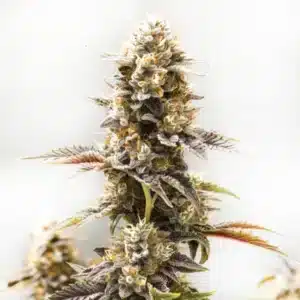
Proven Tips Using Refractometer Data to Improve Cannabis Yields

For both novice and seasoned growers, using refractometer data to improve cannabis yields can be a game-changer. A refractometer, a simple yet powerful tool, measures the Brix level in your cannabis plants. Brix level is a measure of the sugar content in plant sap, and higher Brix levels often indicate healthier plants.
By analyzing refractometer readings for cannabis growth optimization, you can gain insights into the plant’s health and nutritional status. This data helps in making informed decisions about feeding schedules and nutrient adjustments. Let’s dive into the practical aspects of optimizing cannabis yield with refractometer data.
Recommended Strains
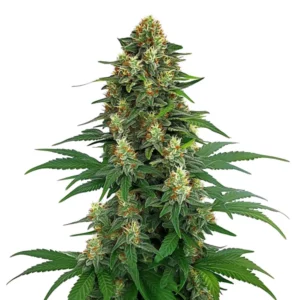
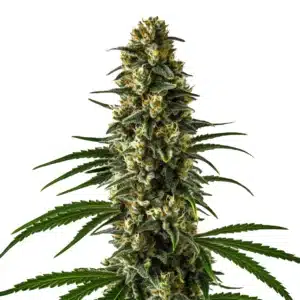
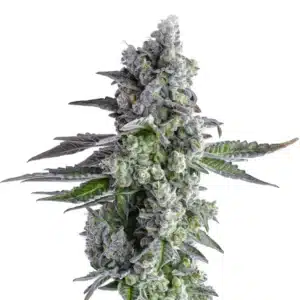
Tangie

|
THC | 19% - 22% (Medium) |

|
Type | Feminized |

|
Yield | High |

|
Phenotype | 30% Indica / 70% Sativa |

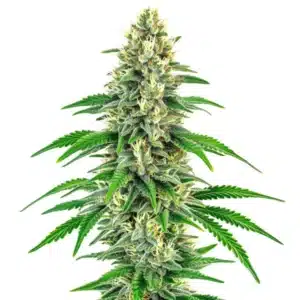
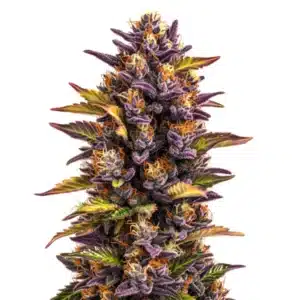
Blue Dream
|
|
THC | 17% - 24% (Medium) |
|
|
Type | Feminized |
|
|
Yield | High |
|
|
Phenotype | 50% Indica / 50% Sativa |
Take the example of the Tangie strain from Blimburn Seeds. Known for its robust growth and citrusy aroma, Tangie can significantly benefit from refractometer analysis. By keeping a close eye on the Brix levels, growers can ensure consistent quality and maximize yield.
How to Use a Refractometer in Cannabis Cultivation
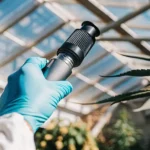
Using a refractometer might sound technical, but it’s straightforward. Start by collecting a small sample of plant sap. This can be done by crushing a leaf and extracting its juice. Place a few drops of the sap on the refractometer’s glass surface.
Look through the refractometer’s eyepiece, and you’ll see a scale indicating the Brix level. A higher Brix level suggests that your cannabis plant is healthy and receiving adequate nutrients. For instance, if you’re growing the Blue Dream strain from Blimburn Seeds, maintaining a Brix level of 12 or higher is ideal for optimal growth.
It’s essential to ensure that the refractometer is clean and properly calibrated before use. Any residue or calibration errors could lead to inaccurate readings, which might misinform your growing strategy. Regular calibration and cleaning routines help maintain the precision of your device.
Knowing the nuances of each strain is crucial when using refractometer data to improve cannabis yields. Each strain might react differently to environmental conditions, so having a baseline Brix level for each helps in making quick adjustments when needed.
Promos & Deals

Interpreting Refractometer Results to Enhance Cannabis Production
Interpreting refractometer results to enhance cannabis production involves knowing the correlation between Brix levels and plant health. A sudden drop in Brix levels might indicate stress or nutrient deficiency.
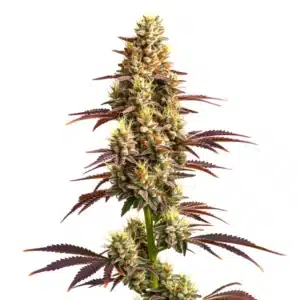
Let’s say you’re growing the Girl Scout Cookies strain from Blimburn Seeds. If you notice a decline in Brix levels, it may be time to adjust your nutrient feed or check for environmental stressors. Keeping Brix levels stable ensures that your cannabis plants thrive and produce abundant yields.
Analyzing refractometer readings for cannabis growth optimization can also help in identifying long-term trends in plant health. By maintaining detailed records of Brix level fluctuations, you can predict potential issues before they become severe, allowing you to take proactive measures.
Furthermore, interpreting refractometer results to enhance cannabis production offers insights into the specific needs of different growth stages. Plants in the flowering phase, for instance, might require different nutrient levels than those in the vegetative stage, and Brix readings can guide these adjustments.
Benefits of Using Refractometer Measurements
One significant benefit of using refractometer measurements to boost cannabis harvest is the ability to monitor plant health in real-time. Unlike other methods that require waiting for visible signs of stress, refractometers provide immediate feedback.
Additionally, refractometers are cost-effective and easy to use. They require minimal maintenance and can be used multiple times throughout the growing season. This makes them an invaluable tool for growers looking to improve cannabis cultivation with refractometer analysis.
Another advantage is the versatility refractometers offer across different cultivation environments. Whether growing indoors or outdoors, refractometers can adapt to various conditions, making them suitable for all types of cannabis cultivation setups.
Moreover, using refractometer data to improve cannabis yields fosters a more scientific approach to growing. It encourages growers to rely on precise data rather than guesswork, ultimately leading to more efficient and sustainable cultivation practices.
Steps for Optimizing Cannabis Yield with Refractometer Data
- Calibrate your refractometer before use to ensure accurate readings.
- Collect plant sap early in the morning when sugar levels are most stable.
- Record Brix levels consistently to track changes over time.
- Adjust nutrient feed based on Brix level readings to address deficiencies.
- Repeat the process regularly to maintain optimal plant health.
Each of these steps is crucial in using refractometer data to improve cannabis yields. By following this routine, growers can make informed decisions that directly enhance the growth and productivity of their cannabis plants.
Besides to these steps, maintaining an organized logbook of your readings and adjustments can be beneficial. This log can serve as a reference for future growing cycles, helping to fine-tune your approach over time for even better results.
These steps emphasize the importance of consistency and attention to detail. Each reading and adjustment is a piece of the larger puzzle of optimizing cannabis yield with refractometer data, ensuring that every plant receives the care it needs to thrive.
Real-Life Examples of Refractometer Use in Cannabis Cultivation
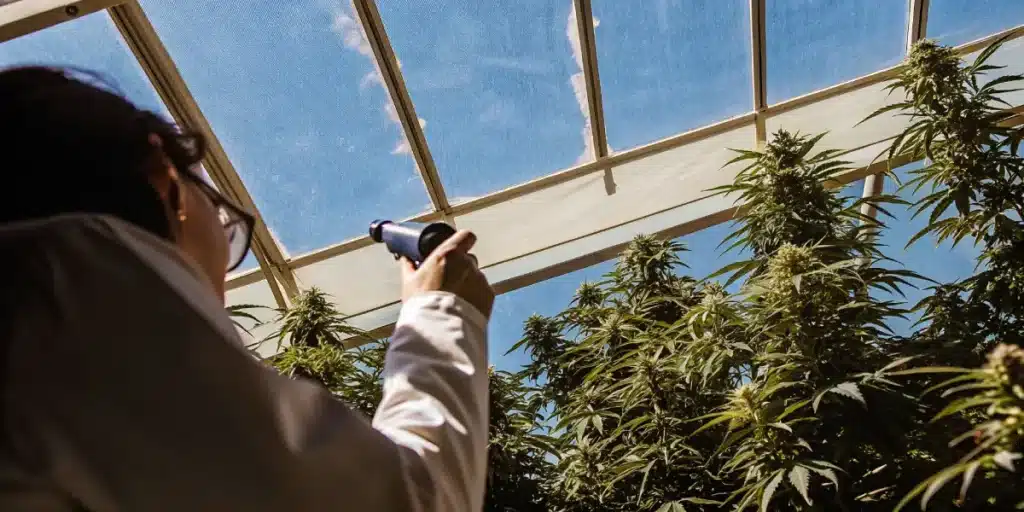
Many growers have successfully used refractometers to boost their cannabis yields. For instance, a grower cultivating Blue Dream noticed a consistent Brix level of 14, indicating that the plants were receiving optimal nutrition.
In another case, a Tangie grower observed a drop in Brix levels during a heatwave. By increasing the watering schedule and adjusting nutrient feed, the plants quickly recovered, and the yield was not compromised.
These examples highlight the practical benefits of interpreting refractometer results to enhance cannabis production. With continuous monitoring and adjustments, refractometers can significantly impact your growing success.
Furthermore, in regions with fluctuating climates, growers have leveraged refractometer data to mitigate the effects of environmental stressors. By keeping tabs on Brix levels, they can anticipate and counteract potential threats before they affect the crop.
Overall, these real-life scenarios illustrate the adaptability and effectiveness of improving cannabis cultivation with refractometer analysis, underscoring its role as a critical tool for successful cannabis farming.
FAQs about using refractometer data to improve cannabis yields
What is a refractometer, and why is it used in cannabis cultivation?
A refractometer is a device used to measure the sugar content, or Brix level, in plant sap. In cannabis cultivation, it helps growers assess plant health and nutrient uptake. By analyzing refractometer readings for cannabis growth optimization, growers can make informed decisions to enhance yield and quality.
Using refractometer data to improve cannabis yields is a straightforward process that provides immediate feedback on plant health. This allows for timely interventions, ensuring plants remain healthy throughout the growing cycle.
Refractometers are especially useful in detecting subtle changes that might not be immediately visible. For instance, a slight dip in Brix levels could indicate early signs of stress, allowing growers to address issues before they escalate.
With the ability to deliver quick insights, refractometers empower growers to be more responsive and adaptive. This proactive approach is integral to optimizing cannabis yield with refractometer data, ensuring consistent quality and productivity.
How often should I check Brix levels in my cannabis plants?
It’s advisable to check Brix levels at least once a week. Regular monitoring helps in tracking changes in plant health and nutrient status. However, during critical growth phases, more frequent checks may be beneficial.
For strains like Girl Scout Cookies from Blimburn Seeds, consistent monitoring can help maintain optimal Brix levels, ensuring the plants reach their full potential. This proactive approach is key to optimizing cannabis yield with refractometer data.
Frequent monitoring not only helps in maintaining optimal health but also aids in building a comprehensive knowing of the plant’s growth patterns. This knowledge can be invaluable for future growing cycles.
By setting a regular schedule for checking Brix levels, growers can create a reliable baseline for comparison, ensuring any deviations are promptly addressed to keep the plants thriving.
What is a good Brix level for cannabis plants?
Generally, a Brix level of 12 or higher is considered good for cannabis plants. However, the ideal Brix level can vary depending on the strain and growing conditions. For example, maintaining a Brix level of 14 can be optimal for the Blue Dream strain.
By interpreting refractometer results to enhance cannabis production, growers can ensure that their plants receive the right amount of nutrients and environmental conditions for healthy growth and high yields.
It’s important to understand that Brix levels can fluctuate due to several factors, including weather changes and nutrient availability. Regular monitoring helps in maintaining these levels within the optimal range for each specific strain.
As growers become more familiar with their plants’ Brix levels, they can make more precise adjustments to their cultivation practices, further using refractometer measurements to boost cannabis harvest.
Can refractometers be used for all cannabis strains?
Yes, refractometers can be used for all cannabis strains. Whether you’re growing Tangie, Girl Scout Cookies, or Blue Dream from Blimburn Seeds, refractometers provide valuable insights into plant health and nutrient uptake.
Using refractometer measurements to boost cannabis harvest works across different strains and growing setups. The key is consistent monitoring and timely adjustments based on the data obtained.
Each strain may have unique nutritional requirements and environmental preferences. By using refractometers, growers can tailor their approach to meet the specific needs of each strain, ensuring optimal health and yield.
Regardless of the strain, the principles of improving cannabis cultivation with refractometer analysis remain consistent, making this tool a versatile ally in achieving successful harvests.
Are there any limitations to using refractometers in cannabis cultivation?
While refractometers are a powerful tool, they have limitations. They measure sugar content but don’t provide information on specific nutrient deficiencies. Additional testing may be required to address complex nutrient issues.
Despite this, improving cannabis cultivation with refractometer analysis remains beneficial. It offers a quick and cost-effective way to gauge overall plant health and make necessary adjustments for optimal growth.
Growers may need to supplement refractometer readings with other diagnostic tools or tests to gain a complete picture of their plant’s health. This comprehensive approach can help address any underlying issues that might not be immediately apparent from Brix levels alone.
While no single tool can provide all the answers, refractometers are an integral part of a grower’s toolkit, contributing to a holistic knowing of plant health and facilitating informed decision-making.