Proven Tips for Ensuring Cannabinoid Stability in Edibles

When crafting cannabis-infused edibles, one priority stands out: maintaining cannabinoid stability. No one wants a cookie with diminished potency. Whether you’re a novice to cannabis cultivation or a seasoned grower, knowing how to ensure your edibles remain potent is crucial. Cannabinoid stability in edibles is influenced by several factors, and knowing these can make all the difference.
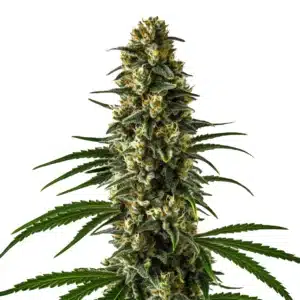
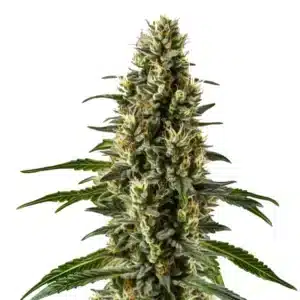
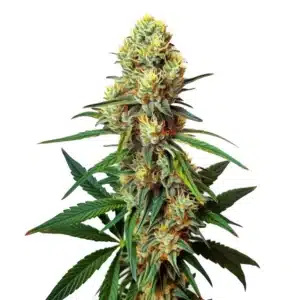
One key factor is temperature. High temperatures can lead to significant cannabinoid degradation in food products. For instance, if you’re baking edibles, keeping the temperature below 350°F can help preserve THC potency in edibles. This ensures that your carefully grown cannabis, like the potent Blue Dream from Blimburn Seeds, retains its desired effects.
Recommended Strains

Blue Dream

|
THC | 17% - 24% (Medium) |

|
Type | Feminized |

|
Yield | High |

|
Phenotype | 50% Indica / 50% Sativa |

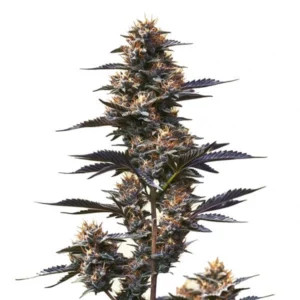
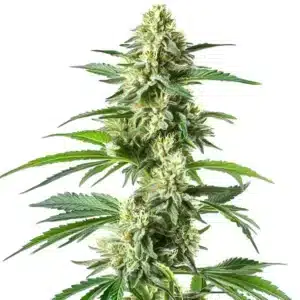
GG4
|
|
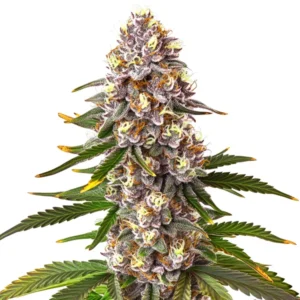
THC | 27% (High) |
|
|
Type | Feminized |
|
|
Yield | High |
|
|
Phenotype | 40% Indica / 60% Sativa |
Another critical aspect is the pH level of your edible. Cannabinoids like THC and CBD are more stable in a neutral or slightly acidic environment. Therefore, choosing recipes that align with this can enhance cannabinoid stability in edibles. This detail might seem minor, but it plays a significant role in how effective your finished product will be.
Knowing Cannabinoid Degradation in Food Products
The breakdown of cannabinoids, such as THC and CBD, is a natural process that can be accelerated under certain conditions. Heat, light, and oxygen are the primary culprits in cannabinoid degradation in food products. For instance, when cannabinoids are exposed to high temperatures for extended periods, they tend to break down much faster.
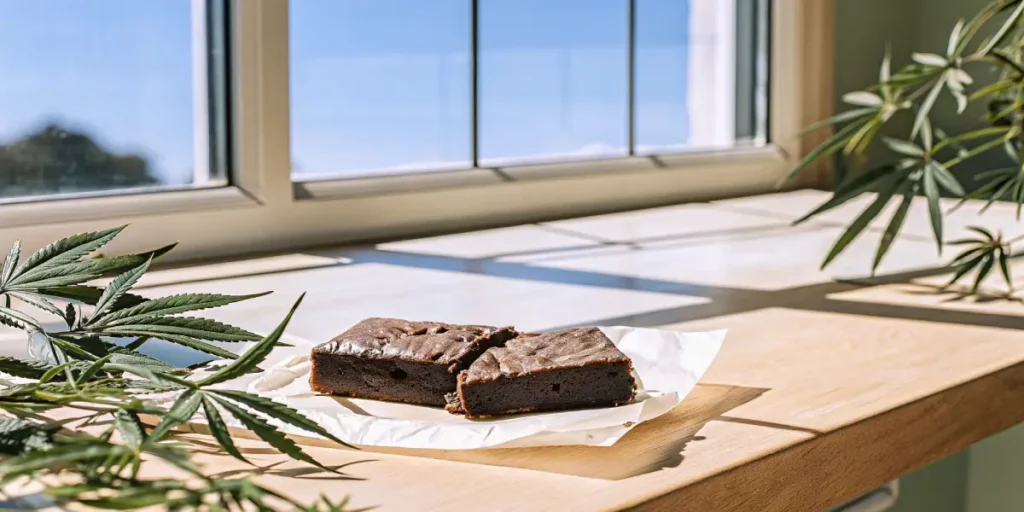
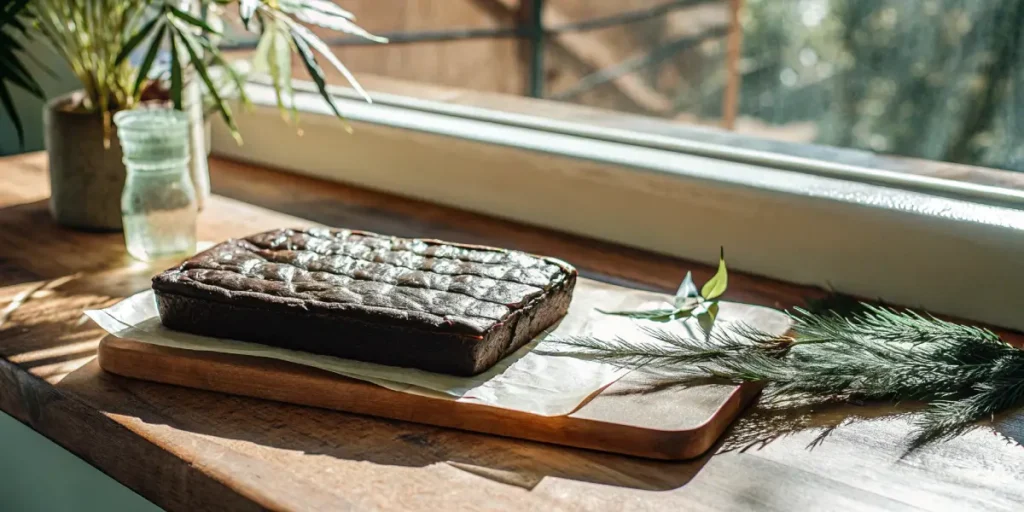
Light exposure is another factor. When cannabinoids are exposed to light, particularly UV light, they can degrade more rapidly. This is why storing edibles in opaque containers is advised. For example, if you’ve infused a batch of brownies with the flavorful GG4 strain from Blimburn Seeds, using the right storage can prolong their shelf life.
Another factor to consider is the presence of moisture, which can accelerate the degradation process. When cannabinoids come into contact with water, they might degrade into less potent forms, affecting the overall quality of the edible. Therefore, it is crucial to keep your edibles dry to maintain their potency and efficacy.
Furthermore, the initial quality of the cannabis used in edibles can greatly influence cannabinoid stability. High-quality cannabis strains, like those from Blimburn Seeds, have more resilient cannabinoid profiles, which are less prone to degradation. Selecting robust strains will help ensure that your edibles retain their intended effects for a longer period.
Promos & Deals
Preserving THC Potency in Edibles
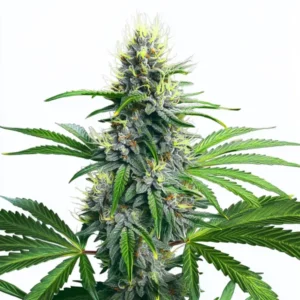
Preserving THC potency in edibles starts with the right extraction process. Using a gentle method that doesn’t expose cannabinoids to excessive heat or agitation will help maintain their integrity. This is especially important when working with high-THC strains like Girl Scout Cookies from Blimburn Seeds.
Storage also plays a pivotal role. Keeping edibles in a cool, dark place can significantly affect the stability of cannabinoids. Consider using vacuum-sealed bags or airtight containers to minimize oxygen exposure. These simple storage solutions can make a big difference in preserving the potency of your creations.
One effective approach to preserving THC potency in edibles is to use antioxidants. Adding ingredients such as rosemary extract or vitamin E can help prevent the oxidative degradation of cannabinoids, thus extending the shelf life. This is particularly beneficial for edibles that are intended to be stored for extended periods.
Additionally, paying attention to the packaging materials can help in maintaining cannabinoid stability in edibles. Materials that provide a strong barrier against light and oxygen are ideal. For instance, using opaque and UV-resistant bags or containers can go a long way in safeguarding the THC content of your cannabis-infused products.
Effects of Storage on Cannabinoid Stability
Proper storage is often underestimated but is crucial for maintaining cannabinoid stability in edibles. The effects of storage on cannabinoid stability cannot be overstated. Storing your edibles in a cool, dark, and dry place can prevent unwanted degradation.
Refrigeration is an option for many types of edibles. However, be mindful of moisture, as it can encourage mold growth. Using desiccant packs can help control humidity levels inside storage containers, thus protecting your edibles from cannabinoid breakdown in edible manufacturing.
Besides, it is essential to keep your storage area free from temperature fluctuations. Sudden changes in temperature can lead to condensation inside the containers, which can compromise the integrity of your edibles. Maintaining a consistent storage environment is key to preserving cannabinoid stability over time.
For those who prefer not to refrigerate their edibles, storing them in a pantry or cupboard away from appliances that generate heat can be effective. These storage methods can help maintain the potency of your edibles without the risk of moisture-related degradation, ensuring you enjoy the full benefits of your cannabis creations.
Factors Affecting Cannabinoid Shelf Life in Edibles
Several factors affect cannabinoid shelf life in edibles, starting with the initial quality of the cannabis used. High-quality strains, such as those from Blimburn Seeds, tend to have more resilient cannabinoids. The harvesting process, drying, and curing also play a role in the end product’s longevity.
Another factor is the method of infusion. Whether you’re using butter, oil, or alcohol, each has its own properties that can impact how long your edibles remain potent. For example, alcohol-based tinctures might have a longer shelf life compared to butter-infused products.
Moreover, the choice of ingredients in your recipes can also impact cannabinoid shelf life. Using fresh, high-quality ingredients can enhance the overall stability of your edibles. Conversely, using perishable or low-quality ingredients may lead to quicker degradation and reduced efficacy of cannabinoids.
The method of preparation is equally important. For instance, overmixing the batter or dough can introduce air, which may accelerate oxidation and cannabinoid breakdown in edible manufacturing. Paying attention to preparation techniques can help in creating edibles that maintain their intended effects over time.
FAQs about cannabinoid stability in edibles
How does temperature affect cannabinoid stability in edibles?
Temperature is a significant factor in cannabinoid stability in edibles. High temperatures can accelerate the degradation of cannabinoids, leading to a loss in potency. When manufacturing edibles, it’s crucial to control the temperature during both the cooking and storage processes.
Baking at temperatures below 350°F can help preserve the active compounds in cannabis. Additionally, storing edibles in a cool environment, such as a refrigerator, can prolong their shelf life by slowing down the degradation process.
Moreover, sudden changes in temperature can also affect the stability of cannabinoids. Fluctuating temperatures can cause the compounds to degrade at an accelerated rate, reducing the overall effectiveness of the edibles. Maintaining a stable temperature throughout the storage period is essential for preserving THC potency in edibles.
Additionally, consider the ambient temperature of the storage area. Areas that experience high temperatures for extended periods may not be suitable for storing edibles, as this can lead to cannabinoid degradation in food products. Ensuring your storage area remains consistently cool is vital for maintaining the potency of your cannabis-infused items.
What storage methods are best for preserving THC potency in edibles?
The best storage methods for preserving THC potency involve using airtight containers and keeping them in a cool, dark place. This minimizes exposure to light and oxygen, both of which can degrade cannabinoids. Vacuum-sealed bags are also effective in extending the edibles’ shelf life.
Avoid storing edibles in places with fluctuating temperatures or high humidity, as these conditions can lead to mold growth and further degradation. For longer-term storage, consider freezing your edibles, but ensure they are properly sealed to prevent freezer burn.
Additionally, using specialized storage solutions like dark glass jars or containers with UV-resistant coatings can further protect your edibles from light-induced degradation. These containers help in maintaining the integrity and potency of the cannabinoids over extended periods.
For those who frequently consume edibles, dividing large batches into smaller portions before storing can be beneficial. This practice reduces the need to open the main container repeatedly, thus minimizing exposure to air and maintaining the edibles’ freshness and potency.
Can the type of cannabis strain affect cannabinoid stability in edibles?
Yes, the type of cannabis strain can affect cannabinoid stability in edibles. Different strains have varying levels of cannabinoids and terpenes, which can influence how they degrade over time. High-quality strains from reputable sources, like Blimburn Seeds, are more likely to maintain their stability.
The curing process of the cannabis also plays a role. Properly cured cannabis tends to have more stable cannabinoids, leading to edibles that retain their potency longer. Choosing strains with a known stability profile can also be beneficial for long-term storage.
Furthermore, the genetic makeup of a cannabis strain can influence its resistance to degradation. Strains with higher levels of certain cannabinoids, such as CBD, might exhibit enhanced stability compared to strains with predominantly THC. This can affect the overall shelf life and potency of the resulting edibles.
When selecting strains for infusion, consider those known for their robust cannabinoid profiles and stability. This can help ensure that your edibles not only have the desired effects but also maintain their potency over time, delivering a consistent experience with each use.
What is the impact of light on cannabinoid breakdown in edible manufacturing?
Light, especially UV light, can have a detrimental impact on cannabinoid breakdown in edible manufacturing. Exposure to light accelerates the degradation of cannabinoids, reducing the overall potency of the edibles. This is why it is recommended to store edibles in opaque or light-proof containers.
During the manufacturing process, it’s important to minimize the exposure of cannabis extracts to light. Ensuring that the workspace is dimly lit and that storage containers are opaque can help maintain the integrity and potency of your edibles.
Additionally, it’s advisable to consider the packaging material used for storing edibles. Materials that offer UV protection can be particularly beneficial in reducing the risk of light-induced degradation. Using these materials can help in preserving the quality and potency of your cannabis-infused products.
For those involved in large-scale edible manufacturing, investing in equipment and facilities that limit light exposure during processing and storage can significantly enhance the longevity and effectiveness of the final products. This proactive approach ensures that consumers receive edibles with optimal potency and quality.
Why is pH level important for cannabinoid stability in edibles?
The pH level of the edible can influence the stability of cannabinoids. Cannabinoids are more stable in a neutral to slightly acidic environment. This means that recipes with a balanced pH can help in maintaining the potency of the edibles over time.
For instance, using ingredients that do not drastically alter the pH can contribute to better cannabinoid stability. Adjusting recipes to maintain a stable pH level can be a simple yet effective way to ensure your edibles remain potent and enjoyable.
Incorporating natural acidifiers like lemon juice or vinegar in your recipes can help achieve the desired pH level. These ingredients not only enhance the flavor profile but also contribute to maintaining the stability and potency of the cannabinoids in your edibles.
Moreover, knowing the interaction between different ingredients and their pH levels can guide you in creating recipes that support long-term cannabinoid stability. This insight allows for the development of edibles that offer both excellent taste and sustained potency.