Proven Secrets: Cannabis Genetics and Nutrient Needs Explained

When delving into cannabis cultivation, one of the most crucial aspects is knowing the interplay between cannabis genetics and nutrient needs. Whether you’re a first-time seed buyer or an experienced grower, the genetic makeup of your plant significantly influences its growth and nutrient uptake.
Cannabis genetics determine many aspects of the plant, from its size and shape to its resistance to pests. For example, a sativa strain might grow taller and require different nutrient ratios compared to an indica. This genetic influence on cannabis nutrient uptake is vital for optimizing growth and achieving the best yields.
Recommended Strains


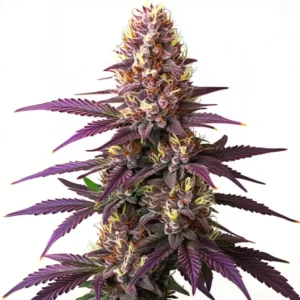
Let’s take a closer look at some strains from Blimburn Seeds. For instance, their Blueberry strain is known for its robust growth and high THC levels. To support such vigorous growth, a carefully balanced nutrient schedule is essential. Tailoring nutrients to match the specific cannabis strain nutrient requirements can make all the difference.
How Cannabis Genetics Affect Nutrient Needs
Cannabis genetics play a significant role in determining the nutrient needs of a plant. Different strains have unique characteristics that dictate how they absorb and process nutrients. This is what we call cannabis genetics nutrient interaction.
For instance, indica strains often have a shorter flowering period and might require more phosphorus during this stage. On the other hand, sativa strains may need more nitrogen during the vegetative stage to support their taller growth. By knowing these genetic differences, you can better tailor your nutrient strategy.
The genetic influence on cannabis nutrient uptake is not only limited to the primary nutrients but also extends to micronutrients. Strains with specific nutrient deficiencies can benefit from targeted supplements, enhancing their overall health and productivity. Recognizing the genetic traits of your chosen strain helps in devising a more efficient and effective nutrient regimen.
Additionally, environmental factors can also influence nutrient uptake. Factors like pH levels and soil composition interplay with cannabis genetics, affecting how nutrients are absorbed. Striking a balance between these elements ensures a successful harvest, highlighting the importance of knowing cannabis genetics and nutrient needs.
Promos & Deals


Optimizing Your Cannabis Nutrient Schedule
To optimize your cannabis nutrient schedule, it’s essential to consider both the growth stage of your plants and their genetic background. Seedlings have different needs compared to a plant in its flowering phase. Adjusting nutrient levels accordingly helps in maintaining plant health.
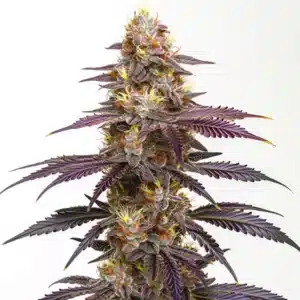
For example, Blimburn Seeds Gelato strain flourishes with a specific nutrient profile that emphasizes potassium and phosphorus during flowering. By aligning your nutrient schedule with the specific needs of the strain, you can maximize yield and potency.
Optimizing cannabis nutrient schedules involves regularly assessing the plant’s condition and making necessary adjustments. As plants progress through their growth stages, their nutrient demands change, requiring a dynamic approach to nutrient management. Monitoring these changes and responding promptly can prevent deficiencies and promote robust growth.
Furthermore, using technology such as automated nutrient delivery systems can enhance precision in nutrient administration. These systems allow growers to fine-tune nutrient levels in real-time, ensuring that cannabis genetics and nutrient needs are consistently met throughout the growth cycle.
Choosing the Best Nutrients for Specific Cannabis Strains
When selecting nutrients, consider the cannabis strain nutrient requirements. Some strains, like the Glookies from Blimburn Seeds, thrive with a higher potassium content to enhance bud development. This is crucial for achieving the best possible yield.
Pay attention to the three primary nutrients: nitrogen (N), phosphorus (P), and potassium (K). Each plays a vital role at different growth stages. Nitrogen supports leafy growth, phosphorus aids in root development and flowering, while potassium strengthens the plant’s immune system.
Besides to the primary nutrients, secondary nutrients such as calcium, magnesium, and sulfur are also essential for optimal plant health. These nutrients support various physiological processes and improve the plant’s resilience to environmental stressors. Choosing the best nutrients for specific cannabis strains involves knowing these additional nutritional requirements.
Moreover, experimenting with different nutrient formulations can help identify what works best for your strains. By documenting the results, growers can refine their practices over time. This iterative process is key to unlocking the full potential of cannabis genetics and nutrient needs.
Practical Tips for Meeting Cannabis Nutrient Needs
To meet the nutrient needs of your cannabis plants effectively, start by assessing your growing environment. Factors like light, temperature, and humidity can affect how plants use nutrients. Adjusting these conditions can significantly enhance nutrient uptake.
Consider using a balanced nutrient solution that caters to the specific cannabis genetics. For instance, the Sour Diesel strain, known for its energy-boosting effects, may require a tailored nutrient mix to support its unique growth pattern.
Regular monitoring is key. Track pH levels and electrical conductivity (EC) to ensure your plants are absorbing nutrients effectively. Overfeeding or underfeeding can lead to nutrient burn or deficiencies, affecting overall plant health.
Additionally, employing soil testing techniques can provide valuable insights into nutrient availability. This information allows growers to make informed decisions about nutrient supplementation, ensuring that cannabis genetics nutrient interaction is optimized for superior growth and yield.

FAQs about cannabis genetics and nutrient needs
What are cannabis genetics, and why are they important?
Cannabis genetics refer to the inherited traits of a cannabis plant, passed down from parent strains. These genetics determine various characteristics such as size, shape, flowering time, and cannabinoid profile. Knowing genetics is vital because it helps growers select the right strains for their needs, ensuring optimal growth and yield.
For instance, a grower looking for high THC content might choose strains like Blimburn Seeds’ Bruce Banner. Recognizing the genetic makeup allows for a more tailored approach to cultivation, aligning with the specific growth habits and nutrient needs of the plant.
The importance of cannabis genetics extends beyond yield and potency. It also influences the plant’s resistance to diseases and pests. By selecting strains with robust genetic profiles, growers can minimize the risk of crop loss, leading to more sustainable cultivation practices.
Besides, knowing cannabis genetics and nutrient needs aids in breeding efforts. By crossing strains with desirable traits, new varieties can be developed to meet specific market demands, further enhancing the diversity and resilience of cannabis crops.
How do I know if my cannabis plants are getting enough nutrients?
One way to determine if your cannabis plants are getting enough nutrients is by observing their growth and color. Healthy plants should exhibit vibrant green leaves and steady growth. Nutrient deficiencies often manifest as yellowing leaves or stunted growth.
Regularly testing the soil or growing medium for nutrient levels can also provide insights. Tools like pH meters and EC meters help ensure that nutrients are available and being absorbed effectively. Adjustments can be made based on these readings.
Visual signs of nutrient imbalances can also serve as indicators. For example, curling leaves or purple stems might suggest specific deficiencies that need addressing. By staying attentive to these signals, growers can fine-tune their nutrient strategies to better support cannabis genetics and nutrient needs.
Furthermore, documenting the plant’s progress through photos and notes can help track changes over time. This record-keeping allows for the identification of patterns related to nutrient uptake, informing future cultivation decisions for improved outcomes.
Can I use the same nutrient mix for all cannabis strains?
While some growers use a generic nutrient mix for convenience, it’s not always the best approach. Different strains have unique nutrient requirements depending on their genetics. Tailoring your nutrient mix to fit the specific needs of each strain can lead to better results.
For example, indica strains might need different nutrient ratios compared to sativa strains. Consulting strain-specific guides or seeking advice from the seed provider, like Blimburn Seeds, can help you create a more effective nutrient plan.
Utilizing a one-size-fits-all approach can limit the potential of diverse strains. Each strain’s genetic blueprint dictates its specific nutrient needs, and aligning your nutrient strategy with these requirements can significantly boost plant performance and yield.
By exploring different nutrient formulations and observing their effects on various strains, growers can develop customized nutrient regimens. This approach not only enhances growth but also supports the full expression of each strain’s unique characteristics.
What happens if cannabis plants receive too many nutrients?
Overfeeding cannabis plants can lead to nutrient burn, which is characterized by brown or burnt leaf tips. This can hinder growth and reduce yields. It’s important to follow the nutrient guidelines and adjust based on plant response.
If you notice signs of nutrient burn, flush the growing medium with pH-balanced water to remove excess nutrients. This helps to reset the nutrient balance and prevent further damage to the plants.
Excessive nutrient levels can also lead to a buildup of salts in the growing medium, affecting the plant’s ability to absorb water and other essential nutrients. This can further exacerbate nutrient imbalances and stress the plant.
To avoid these issues, it’s crucial to start with lower nutrient concentrations and gradually increase them as needed. Regularly assessing plant health and making incremental adjustments can help maintain a balanced nutrient environment, optimizing cannabis genetics and nutrient needs.
Are organic nutrients better for cannabis plants?
Organic nutrients can be beneficial for cannabis plants as they often improve soil health and encourage beneficial microbial activity. They tend to release nutrients slowly, providing a steady supply that mimics natural conditions.
However, the choice between organic and synthetic nutrients depends on your growing goals. While organic options can enhance flavor and aroma, synthetic nutrients might offer more precise control over the nutrient schedule, especially for specific cannabis genetics and nutrient needs.
Organic nutrients can also contribute to a more sustainable cultivation practice by reducing the reliance on chemical inputs. This aligns with environmentally conscious growing methods, promoting biodiversity and soil fertility over time.
Ultimately, the decision to use organic or synthetic nutrients should consider the specific cannabis strain nutrient requirements, as well as the grower’s personal preferences and objectives. Both approaches have their merits and can be effectively integrated into a comprehensive nutrient management strategy.