Proven PCR Use in Cannabis Strain Validation: Expert Guide

The cannabis industry is buzzing with innovation, and PCR use in cannabis strain validation is leading the charge. Polymerase chain reaction, or PCR, is transforming how we identify and verify cannabis strains. It’s a tool that ensures what you grow is exactly what you intended. For both first-time buyers and seasoned growers, using PCR testing for cannabis strain verification guarantees precision and peace of mind.
Picture this: you’ve just purchased seeds from Blimburn Seeds, like the popular Blue Dream. You plant them, expecting a specific growth pattern and effects. PCR testing confirms that your seeds are indeed Blue Dream, as promised. It eliminates guesswork, letting you focus on nurturing your plants.
Recommended Strains

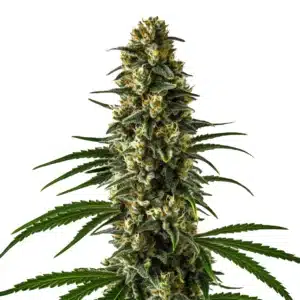
OG Kush

|
THC | 20% - 24% (Medium) |

|
Type | Feminized |

|
Yield | Medium |

|
Phenotype | 55% Indica / 45% Sativa |
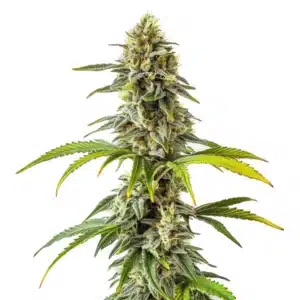
Girl Scout Cookies
|
|
THC | 18% - 25% (Medium) |
|
|
Type | Feminized |
|
|
Yield | High |
|
|
Phenotype | 60% Indica / 40% Sativa |
Genetic testing for cannabis strain validation is not just a fancy term. It involves analyzing the DNA of your plants. This DNA analysis in cannabis strain identification ensures that the genetic makeup of your strains matches what is advertised. This is critical in a market where authenticity matters.
How PCR Testing Works
PCR testing is like a photocopier for DNA. It amplifies specific DNA segments, making it easier to study them. For cannabis, this means isolating the unique genetic markers that differentiate one strain from another. This process is quick, reliable, and highly accurate.
When using PCR for cannabis authenticity, you start with a small sample of plant tissue. The PCR machine then amplifies specific DNA sequences. These sequences are compared against known profiles of cannabis strains. If you’re growing Tangie from Blimburn Seeds, for instance, PCR can confirm its genetic identity, distinguishing it from other citrus-flavored strains.
One of the key benefits of PCR testing for cannabis strain verification is its ability to identify even the most subtle genetic differences. This precision allows growers to fine-tune their cultivation practices to maximize the desired traits of a strain. Whether aiming for higher potency, specific aroma profiles, or particular growth characteristics, PCR testing provides the detailed genetic insights needed to achieve these goals.
Furthermore, PCR use in cannabis strain validation supports compliance with regulations and labeling requirements. As the cannabis industry evolves, accurate strain identification becomes crucial not only for consumer trust but also for meeting legal standards. By leveraging polymerase chain reaction technology, cultivators can ensure their products are properly labeled and marketed, avoiding potential legal issues and enhancing brand credibility.
Promos & Deals



The Importance of Strain Validation
Why is PCR use in cannabis strain validation so vital? For one, it protects both consumers and cultivators. Knowing your strain’s true identity ensures that you meet consumer expectations. This builds trust and can boost your reputation as a reliable grower.
Furthermore, cannabis strain validation using molecular techniques can prevent costly mistakes. Imagine investing in a strain for its high THC content, only to discover it’s a low-THC variety. PCR testing eliminates such disappointments, ensuring that your investment yields the expected results. Blimburn Seeds Girl Scout Cookies, celebrated for its potency, can be verified precisely with PCR.
Genetic testing for cannabis strain validation is also crucial for maintaining consistency across multiple growing cycles. By verifying the genetic identity of each batch, growers can replicate successful harvests and maintain the quality that their customers expect. This consistency is a significant selling point in a competitive market where even slight variations can impact consumer loyalty.
Moreover, accurate cannabis strain validation using molecular techniques can facilitate better resource management. By knowing exactly what they are cultivating, growers can allocate resources like nutrients, light, and water more effectively, optimizing their operations and reducing waste. This precision is increasingly important as sustainable practices become a priority in the industry.
Real-Life Applications of PCR in Cannabis Cultivation
Let’s look at how PCR testing plays out in real life. A grower might purchase a batch of seeds marketed as OG Kush. After planting, PCR testing can verify if the plants truly match the OG Kush genetic profile. This is especially useful in large-scale operations where consistency is key.
Additionally, breeders use genetic testing for cannabis strain validation when developing new hybrids. By confirming the genetic makeup of parent strains, breeders can predict the traits of the offspring more accurately. This scientific approach enhances the quality of new cannabis varieties.
The application of DNA analysis in cannabis strain identification extends beyond just verifying existing strains. It also plays a pivotal role in research and development. Researchers are utilizing PCR technology to explore the genetic underpinnings of desirable traits, such as disease resistance and drought tolerance, which can lead to the development of more robust and adaptable cannabis plants.
In the realm of personalized medicine, PCR use in cannabis strain validation is opening new doors. As cannabis is increasingly used for therapeutic purposes, matching a strain’s genetic profile to a patient’s specific needs can enhance treatment efficacy. This personalized approach, supported by precise genetic data, is promising for both medical professionals and patients seeking targeted relief.
Choosing the Right Cannabis Strains
Choosing the right strain is crucial for any grower’s success. With PCR testing, you can be sure that you are starting with the correct genetics. Whether you opt for Blimburn Seeds’ potent Bruce Banner or the relaxing effects of their Hindu Kush, PCR helps you make informed decisions.
Each cannabis strain has unique characteristics. Knowing them helps you cater to specific needs, whether it’s pain relief, relaxation, or creativity. PCR testing ensures that the strain you choose delivers the desired effects, no surprises involved.
For growers, selecting the appropriate strain goes beyond mere preference. It involves knowing the environmental conditions and market demands. PCR testing for cannabis strain verification gives growers the confidence to choose strains that will thrive in their specific climate, ensuring a successful harvest and a profitable operation.
Moreover, PCR use in cannabis strain validation empowers growers to experiment with new strains without the fear of mislabeling or misidentification. With accurate genetic information at their fingertips, they can explore novel combinations and expand their offerings, setting themselves apart in a crowded marketplace.

FAQs about PCR use in cannabis strain validation
What is PCR testing for cannabis strain verification?
PCR testing for cannabis strain verification is a scientific method used to confirm the genetic identity of cannabis plants. It involves amplifying specific DNA sequences to compare against known genetic profiles. This ensures that the strain you are growing is authentic and matches what you purchased.
For growers, this means no more guessing games. You can confidently cultivate your crops, knowing they will develop as expected. It is a powerful tool that has transformed the cannabis cultivation landscape, bringing precision and reliability to the forefront.
Beyond verifying authenticity, PCR testing for cannabis strain verification enhances traceability in the supply chain. Knowing the exact genetic profile of the cannabis being distributed allows for better tracking from cultivation to consumer, ensuring quality control and accountability at every stage.
Additionally, as cannabis becomes more mainstream and regulated, polymerase chain reaction in cannabis authenticity helps align industry practices with scientific standards. This alignment not only benefits individual growers but also elevates the industry’s reputation as a whole, fostering greater acceptance and integration into the broader agricultural community.
How does DNA analysis in cannabis strain identification work?
DNA analysis in cannabis strain identification involves examining the genetic material of the plant. By focusing on unique genetic markers, scientists can distinguish between different cannabis strains. This process is highly accurate and forms the backbone of PCR use in cannabis strain validation.
DNA analysis not only verifies authenticity but also aids in breeding programs. By knowing the genetic makeup of a strain, breeders can create new varieties with specific traits. This has expanded the diversity and potential of cannabis products available today.
The precision of DNA analysis in cannabis strain identification allows breeders to strategically cross-breed plants, enhancing desirable traits such as flavor, aroma, and therapeutic effects. This scientific approach reduces the element of chance in breeding programs and accelerates the development of superior cannabis varieties.
Moreover, the insights gained from DNA analysis can inform pest and disease management strategies. By identifying genetic markers linked to resistance, growers can select strains that are more likely to withstand environmental challenges, reducing the need for chemical interventions and promoting more sustainable cultivation practices.
Why is genetic testing for cannabis strain validation important?
Genetic testing for cannabis strain validation is crucial because it ensures that the cannabis you grow or purchase is true to its label. This authenticity is vital for both consumers seeking specific effects and growers aiming for consistent yields.
In a market where strain names can be misleading, genetic testing provides a scientific basis for trust. It safeguards against mislabeling and ensures that the investment in seeds or plants delivers the expected outcomes.
Additionally, genetic testing for cannabis strain validation supports the preservation of genetic diversity within the cannabis species. By accurately identifying and cataloging various strains, researchers and breeders can ensure that unique genetic lines are maintained for future generations.
As the cannabis industry continues to grow, the function of genetic testing becomes increasingly important in maintaining the integrity and quality of cannabis products. It provides a robust framework for innovation and quality assurance, ensuring that the industry can meet the evolving demands of consumers and regulators alike.
How do molecular techniques ensure cannabis strain validation?
Molecular techniques, such as PCR, ensure cannabis strain validation by analyzing the unique genetic markers of a plant. These techniques provide a high level of accuracy in distinguishing between strains, eliminating the uncertainty of traditional identification methods.
By using these advanced techniques, growers and consumers alike can have confidence in their cannabis products. It represents a step forward in quality assurance and transparency within the industry.
The application of molecular techniques in cannabis strain validation extends beyond just verifying authenticity; it also plays a critical role in advancing cannabis research. Scientists use these techniques to map the cannabis genome, uncovering new insights into its complex biology and unlocking potential new uses for the plant.
Furthermore, cannabis strain validation using molecular techniques aligns with global trends towards precision agriculture. As the industry adopts more data-driven approaches, these techniques provide the scientific foundation for more informed decision-making, enhancing both the efficiency and sustainability of cannabis cultivation.
Can PCR testing be used for all types of cannabis strains?
Yes, PCR testing can be applied to all types of cannabis strains. Whether it’s an indica, sativa, or hybrid, PCR testing is capable of identifying the genetic profile of the plant. This universality makes it a valuable tool across the cannabis industry.
For those investing in new or rare strains, like those from Blimburn Seeds, PCR testing provides peace of mind. It assures that what you’re growing aligns with your expectations, enabling better planning and cultivation strategies.
The adaptability of PCR testing for cannabis strain verification means it can be seamlessly integrated into any cultivation setup, from small-scale artisanal operations to large commercial enterprises. This flexibility ensures that growers of all sizes can benefit from the enhanced accuracy and reliability that PCR testing provides.
Moreover, as the cannabis industry continues to expand globally, the universal applicability of PCR testing allows for consistent quality standards across different regions. This consistency is crucial in establishing a cohesive global market where consumers can trust the authenticity and quality of the cannabis products they purchase.