Proven Cannabis Nutrients to Prevent Chlorosis: Expert Guide

Chlorosis is a common issue that cannabis growers face. It’s when the leaves turn yellow due to a lack of chlorophyll. This can be alarming, especially if you’re new to growing. The good news is that using the right cannabis nutrients to prevent chlorosis makes it entirely possible to keep your plants healthy. Let’s dig into the specific nutrients your cannabis plants need to stay green and vigorous.
First off, it’s important to understand what causes chlorosis. Usually, it’s a sign of nutrient deficiencies. But which nutrients are the culprits? Primarily, we’re talking about nitrogen, iron, and magnesium. These are crucial for chlorophyll production. If your plants show yellowing leaves, it’s a red flag that they might be lacking in one or more of these nutrients.
Recommended Strains
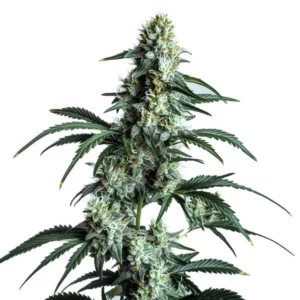
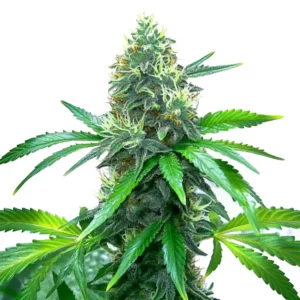
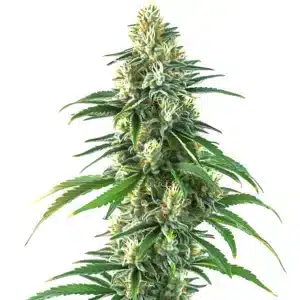
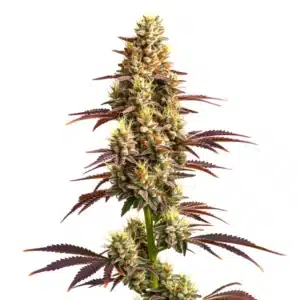
Sour Diesel

|
THC | 22% - 25% (Medium) |

|
Type | Feminized |

|
Yield | High |

|
Phenotype | 30% Indica / 70% Sativa |
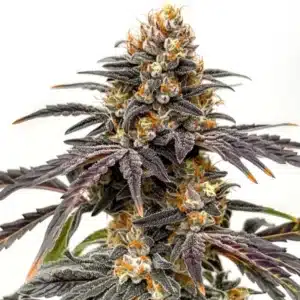
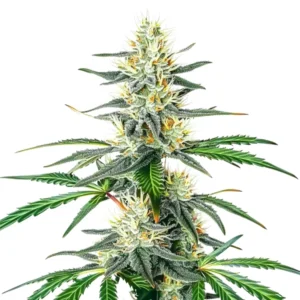
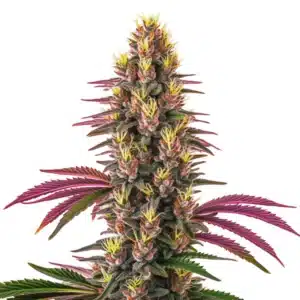
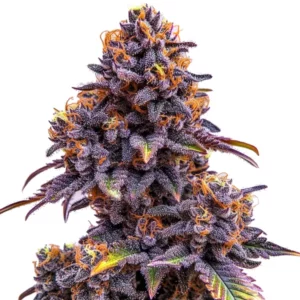
Black Hulk
|
|
THC | 15% - 18% (Medium) |
|
|
Type | Feminized |
|
|
Yield | Medium |
|
|
Phenotype | 40% Indica / 60% Sativa |
So, what can you do? Start by using the best cannabis nutrients for chlorosis prevention. Products rich in nitrogen, iron, and magnesium can work wonders. But remember, balance is key. Too much of one nutrient can lead to other issues. So, always follow the recommended dosages on your nutrient products.
Identifying Nutrient Deficiencies Causing Cannabis Chlorosis
Knowing which nutrient deficiency is causing chlorosis in your plants can make all the difference. Nitrogen deficiency is the most common, and you’ll often see older leaves turning yellow first. This happens because nitrogen is mobile within the plant and is redirected to new growth, leaving older leaves starved. Using the right cannabis nutrients to prevent chlorosis helps maintain balanced nutrition and keeps foliage healthy throughout the growth cycle.
Iron deficiency, on the other hand, shows up in younger leaves. They turn yellow while veins remain green. This happens because iron is less mobile than nitrogen. Lastly, magnesium deficiency causes interveinal chlorosis on older leaves. This means the areas between the veins turn yellow.
It’s also essential to consider environmental factors that may exacerbate nutrient deficiencies. For example, overwatering can lead to nutrient leaching, where essential nutrients wash away before they are absorbed. Ensuring proper drainage and watering practices can help mitigate this issue. Additionally, poor-quality soil can lack vital nutrients from the start, making it crucial to amend your soil with high-quality organic matter.
To further pinpoint the nutrient deficiencies causing cannabis chlorosis, growers can invest in nutrient testing kits. These kits provide a detailed breakdown of the nutrient levels in your soil, helping you tailor your feeding regimen accordingly. By knowing the precise needs of your plants, you can prevent and correct deficiencies more effectively, ensuring healthy growth and vibrant foliage.
Best Cannabis Nutrients for Chlorosis Prevention
Choosing the right cannabis nutrients to prevent chlorosis can seem daunting. However, several products on the market are formulated to tackle this issue. Look for nutrient solutions that specifically mention chlorosis prevention. These typically contain a balanced mix of the essential nutrients.
Try organic solutions for cannabis chlorosis. Products made from natural ingredients are often more gentle on plants. They can be less likely to cause nutrient burn. Organic products usually contain beneficial microbes that help plants absorb nutrients more efficiently.
Besides to commercial nutrient solutions, homemade remedies can also play a role in preventing chlorosis in cannabis plants. For instance, banana peels are rich in potassium and can be used to create a nutrient tea. Simply soak them in water and use the liquid to feed your plants. This natural approach can supplement your regular feeding schedule, providing an extra boost of nutrients.
When selecting the best cannabis nutrients for chlorosis prevention, consider the specific strain you’re cultivating. Strains from Blimburn Seeds, such as Sour Diesel or Black Hulk, may have unique nutrient preferences. Tailoring your nutrient program to your strain’s requirements can significantly enhance your plant’s health and resilience against chlorosis.
Promos & Deals
Organic Solutions for Cannabis Chlorosis
If you’re leaning towards organic solutions, you’re in luck. There are many cannabis soil nutrients to stop chlorosis that are both effective and environmentally friendly. Organic options often improve soil health besides to feeding the plants.
One popular method is to use compost. Not only does it provide essential nutrients, but it also improves soil structure and water retention. Composting is a long-term solution that requires patience, but the results are worth it. Your plants will have access to a steady supply of nutrients as the compost breaks down.
Another effective organic solution for cannabis chlorosis is the use of cover crops. Planting legumes or clover alongside your cannabis can naturally fix nitrogen in the soil, enriching it over time. This symbiotic relationship not only provides nutrients but also helps prevent soil erosion and improves its structure.
Furthermore, incorporating biochar into your soil mix can enhance nutrient retention and microbial activity. Biochar, a form of charcoal, acts like a sponge, holding onto nutrients and releasing them slowly as plants need them. This can be especially beneficial in preventing nutrient deficiencies causing cannabis chlorosis, as it ensures a more consistent nutrient supply.
Preventing Chlorosis in Cannabis Plants
Preventing chlorosis in cannabis plants is an ongoing process. It’s not just about adding nutrients, but also about maintaining optimal growing conditions. Soil pH is a critical factor. Cannabis plants prefer slightly acidic soil, with a pH between 6.0 and 7.0. If the pH is off, it can lock out nutrients, leading to deficiencies.
- Test soil pH regularly
- Adjust pH with lime or sulfur
- Use pH-balanced water
Light exposure is another key factor in preventing chlorosis in cannabis plants. Insufficient light can hinder photosynthesis, exacerbating nutrient deficiencies. Ensure your plants receive adequate light, whether natural or artificial, to support healthy growth and nutrient uptake.
Additionally, maintaining proper air circulation can help prevent the buildup of moisture and pathogens, which can stress plants and lead to chlorosis. Use fans or strategic plant spacing to promote airflow, keeping humidity levels in check and encouraging robust plant health.
Real-Life Examples and Practical Tips
Many growers have faced and conquered chlorosis. Take, for example, a grower using the GG4 strain from Blimburn Seeds. They noticed yellowing leaves and quickly identified a nitrogen deficiency. By incorporating a high-nitrogen fish emulsion into their feeding routine, they saw improvements within weeks.
Another grower cultivating Black Mamba experienced iron chlorosis. They opted for a chelated iron supplement. This form of iron is easier for plants to absorb, leading to faster recovery. Within a month, their plants regained vibrant green leaves.
In another instance, a grower dealing with magnesium deficiency in their Sour Diesel plants used Epsom salt as a foliar spray. This quick-acting solution provided an immediate source of magnesium, visibly reducing chlorosis symptoms within days. Such practical tips can be lifesavers for growers struggling with nutrient deficiencies causing cannabis chlorosis.
Moreover, experienced growers often emphasize the importance of keeping detailed records. Tracking your feeding schedules, nutrient concentrations, and environmental conditions can help identify patterns and prevent future occurrences of chlorosis. This proactive approach not only aids in current problem-solving but also enhances your overall growing expertise.
FAQs on Cannabis Nutrients to Prevent Chlorosis
How can I tell if my cannabis plant is suffering from chlorosis?
Chlorosis is generally indicated by yellowing leaves. To determine the cause, observe which leaves are affected. If older leaves are yellowing, it might be a nitrogen issue. If younger leaves are yellowing with green veins, it could be an iron deficiency.
Besides visual clues, consider testing the soil. A soil test can reveal nutrient deficiencies and pH imbalances. Regular monitoring allows you to address issues before they escalate, ensuring your plants remain healthy.
Another method to diagnose chlorosis is to monitor growth patterns. Stunted growth or smaller-than-usual leaves can also signal nutrient deficiencies causing cannabis chlorosis. If your plants aren’t reaching their full potential, it might be time to reassess your nutrient and pH management strategies.
Observe plant vigor and overall health. Healthy plants typically exhibit robust, green foliage, while those suffering from chlorosis may appear weak or stressed. Early detection and intervention with the right cannabis nutrients to prevent chlorosis can make a significant difference in plant recovery and yield.
What are the best cannabis nutrients for chlorosis prevention?
Look for nutrient solutions that are balanced and specifically designed for cannabis. Products high in nitrogen, iron, and magnesium are particularly effective. Organic options, like compost teas and fish emulsions, provide nutrients while improving soil health.
It’s also essential to consider the specific needs of your cannabis strain. Strains from Blimburn Seeds, such as Sour Diesel, might have unique nutrient requirements. Always tailor your approach to the plants you’re growing.
Moreover, incorporating microbial inoculants can enhance nutrient uptake and prevent chlorosis. These beneficial microbes form symbiotic relationships with plant roots, facilitating better absorption of essential nutrients. This approach complements the use of the best cannabis nutrients for chlorosis prevention, ensuring a well-rounded feeding strategy.
Remember that consistency is key. Regularly apply your chosen nutrient solutions according to the manufacturer’s instructions, and monitor plant responses. Adjust your feeding regimen as needed, based on the specific growth stage and environmental conditions, to maintain optimal plant health.
Can I prevent chlorosis by adjusting soil pH?
Absolutely. Maintaining the correct soil pH is crucial for nutrient uptake. If the pH is too high or too low, it can lock out essential nutrients, leading to chlorosis. Regularly test your soil and adjust as needed to keep the pH between 6.0 and 7.0.
Also, ensure the water you use is pH-balanced. Even if your soil is optimal, imbalanced water can shift the pH over time. Use pH-adjusting products if necessary to maintain stability.
Besides to adjusting soil pH, using buffered growing mediums can help maintain a stable pH environment. These mediums are pre-treated to resist pH fluctuations, providing an added layer of protection against nutrient lockout and ensuring consistent access to cannabis soil nutrients to stop chlorosis.
Consider integrating pH meters into your gardening toolkit. These handy devices allow for quick and accurate pH readings, enabling precise adjustments and preventing chlorosis in cannabis plants. Frequent monitoring and timely interventions can keep your plants thriving and free from nutrient-related stress.
Are organic solutions for cannabis chlorosis effective?
Yes, organic solutions can be highly effective. They not only provide nutrients but also enhance soil health. Organic matter like compost and alfalfa meal improves soil structure and water retention, creating a better environment for roots.
Organic methods also tend to be more sustainable and environmentally friendly. By supporting microbial life in the soil, they boost nutrient absorption, reducing the risk of chlorosis.
Organic solutions for cannabis chlorosis, such as vermicompost, can introduce beneficial earthworms to your soil. These organisms enhance soil aeration and nutrient cycling, leading to improved plant health and resilience against chlorosis. The slow, steady release of nutrients from vermicompost also minimizes the risk of nutrient burn.
Furthermore, the use of seaweed extracts can provide a rich source of trace minerals and growth hormones, promoting robust plant development. These extracts can be used as foliar sprays or soil drenches, complementing your organic nutrient regimen and further preventing chlorosis in cannabis plants.
What should I do if chlorosis persists despite nutrient adjustments?
If chlorosis persists, re-evaluate your growing conditions. Check for root issues, pest infestations, or environmental stressors like extreme temperatures. These can all contribute to chlorosis, even if nutrients are sufficient.
Seek advice from experienced growers or community forums. Sometimes, an outside perspective can identify issues you might have missed. And remember, growing cannabis is a learning process. Adjust and adapt as you gain more experience.
Consider conducting a thorough inspection of your growing environment. Look for any signs of pests or diseases that might be impacting plant health. Treat any infestations promptly with appropriate organic solutions for cannabis chlorosis, such as neem oil or insecticidal soaps.
Lastly, revisit your feeding schedule and ensure your plants are receiving nutrients at the right stages of growth. Over-fertilization can lead to nutrient lockout, while under-fertilization can cause deficiencies. Striking the right balance is key to preventing and overcoming persistent chlorosis.