Outdoor Cannabis Plant Spacing: How Far Apart Should You Grow?

Quick answer: outdoors, give most cannabis plants about 3 to 6 feet (1 to 2 m) of space between them, more for large sativas and less for compact autoflowers. Proper spacing improves airflow, light and root room, which means healthier plants and bigger yields.
Below we explain why spacing matters and how to adjust it for strain size, pot diameter, small or stealth grows and the season. For the full picture, see our outdoor growing guide.
Recommended Strains

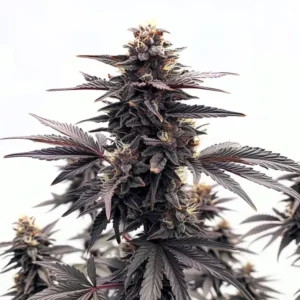
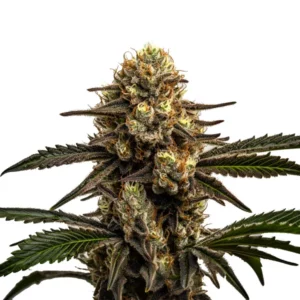
Apple Fritter

|
THC | 22% - 25% (High) |

|
Type | Feminized |

|
Yield | Medium |

|
Phenotype | 60% Indica / 40% Sativa |

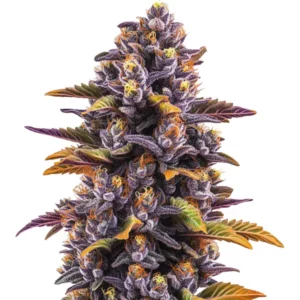
Apple Fritter Autoflower
|
|
THC | 22% - 25% (High) |
|
|
Type | Autoflowering |
|
|
Yield | Medium |
|
|
Phenotype | 60% Indica / 40% Sativa |
Why Proper Spacing Matters
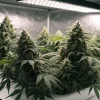
Spacing controls three things that make or break an outdoor grow: airflow, light and root space. Crowded plants trap humidity, which invites mold and bud rot, and they shade each other, cutting into yield. Give each plant room and air moves freely, light reaches lower bud sites, and roots have space to feed. Good spacing is one of the simplest ways to boost both plant health and harvest size.
Soil, Containers and Spacing
How you plant affects spacing. In-ground plants can spread wide roots and often grow larger, so they need more room. Plants in pots or fabric containers stay more contained, letting you place them a little closer and move them if needed. Rich, well-draining soil supports bigger plants, which again means wider spacing to avoid crowding.
Promos & Deals
Adjusting Spacing for Strain Size
Strain genetics drive plant size, so spacing should follow. Tall, stretchy sativas can need 6 feet or more between plants, while compact indicas and autoflowers do fine at 2 to 3 feet. Check the expected height and spread for your strain before planting, and leave room for the stretch that happens early in flowering.
Matching Spacing to Growth Habit
Beyond height, consider how bushy a plant gets. Wide, branchy plants need more lateral room than tall, narrow ones. If you plan to train with LST or ScrOG, factor in the extra width that training creates. When in doubt, give a little more space; you can fill gaps with smaller plants but you cannot easily add room later.
Container Size and Pot Diameter
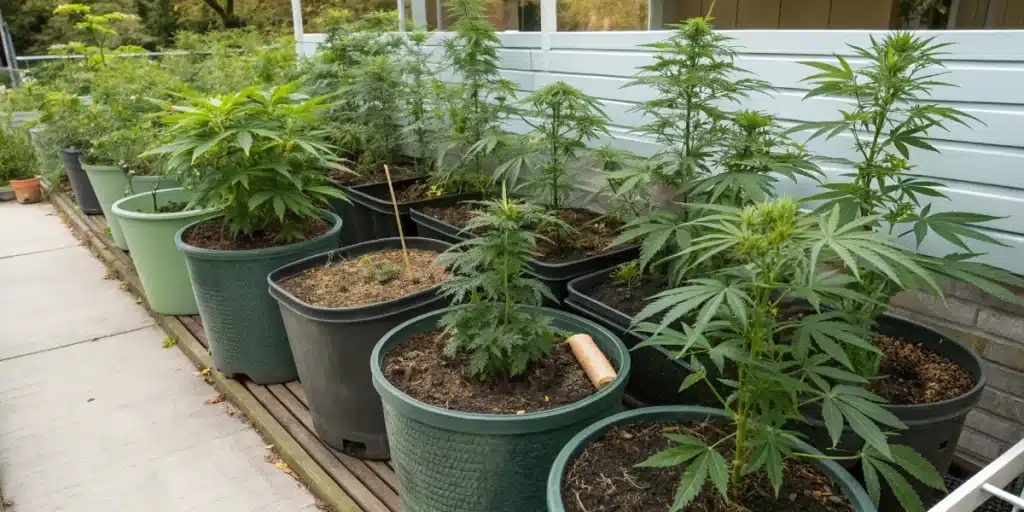
Pot size shapes plant size and therefore spacing. Bigger containers grow bigger plants that need more distance between them, while smaller pots keep plants compact and allow tighter placement. As a rough guide, leave enough room that mature canopies do not overlap, and remember that fabric pots dry faster, affecting watering more than spacing.
Balancing Pot Size and Spacing
Match pot diameter to the space you have. In a tight garden, moderate pots keep plants manageable and let you fit more without crowding. In open ground, larger pots or in-ground planting support big plants but demand wider gaps. The goal is canopies that nearly touch at maturity without shading or trapping humidity.
Tips for Small Spaces or Stealth Grows
Limited room does not rule out a good harvest. Choose compact strains, use smaller pots and train plants to stay low and wide. Autoflowers are ideal for stealth grows thanks to their small size and fast finish. Prioritize airflow even when space is tight, since crowding is the main risk in small gardens.
Maximizing Yield in Compact Areas
In a small space, training beats cramming in more plants. LST, topping and a simple screen spread one plant’s canopy to catch more light, often yielding more than two crowded plants would. Keep the area clean and airy, and remove lower growth that gets no light to focus energy on the top colas.

Advanced Techniques for Optimized Growth
Experienced growers fine-tune spacing with training systems and planning. Techniques like ScrOG use a screen to hold an even canopy at an ideal distance from the light, maximizing every square foot. Mainlining and careful pruning create uniform plants that share light evenly when spaced well.
Combining Tools with Good Practice
Simple tools help you get spacing right: a soil moisture meter, a thermometer-hygrometer and even a basic garden plan on paper. They do not replace good judgment, but they help you track conditions across a spaced-out garden and catch humidity or dryness before it becomes a problem.
Maintaining Your Garden Through the Season
Spacing is not set-and-forget. As plants grow and stretch, revisit airflow and light, prune crowded areas and stake heavy branches. Keeping gaps open through summer prevents the dense, humid pockets where mold starts, especially as buds swell toward harvest.
Seasonal Adjustments and Routine Care
Early season, young plants look far apart; by late flower they can fill the space completely, so plan for that growth. Adjust ties and supports as plants get heavy, thin inner growth if the canopy closes up, and watch humidity as autumn arrives. Routine checks keep a well-spaced garden healthy to the finish.
Common Spacing Mistakes to Avoid
The most common mistake is planting too close because young plants look small in spring. By late flower they fill the space, trapping humidity and shading each other, which cuts yield and invites mold. Another error is ignoring the flowering stretch, when plants can double in size, and forgetting that training widens the canopy. Finally, do not space purely by eye: check your strain’s expected height and spread, then leave a little extra. It is far easier to fill a gap with a smaller plant than to create room once everything is crowded.
| Plant type | Typical spacing | Pot guide |
|---|---|---|
| Autoflowers / compact | 2-3 ft (0.6-0.9 m) | 3-5 gal |
| Indicas / small hybrids | 3-4 ft (0.9-1.2 m) | 5-10 gal |
| Large hybrids | 4-6 ft (1.2-1.8 m) | 10-20 gal |
| Tall sativas | 6 ft or more (1.8 m+) | 20 gal+ or in-ground |

FAQs on cannabis plant spacing outdoor
What is the ideal spacing for outdoor cannabis plants in different environments?
It depends on strain size. Compact autoflowers do well at 2 to 3 feet apart, medium plants at 3 to 4 feet, and large sativas need 6 feet or more. In-ground plants generally need more room than potted ones. Aim for canopies that nearly touch at maturity without overlapping.
How does cannabis pot size outdoor influence plant growth and spacing?
Pot size largely sets plant size, which sets spacing. Bigger containers grow bigger plants that need wider gaps, while smaller pots keep plants compact for tighter placement. Fabric pots also dry faster, so they affect watering more than spacing. Match pot diameter to your available space.
Can I adjust cannabis plant spacing outdoor for different strains effectively?
Yes, and you should. Check each strain’s expected height and spread, then space accordingly: wider for tall, branchy sativas and tighter for compact indicas or autoflowers. Factor in training, which widens the canopy, and the flowering stretch. Adjusting spacing by strain is one of the easiest ways to lift yield.