Original Weed Strains

Quick answer: original weed strains, usually called landrace strains, are pure cannabis varieties that evolved naturally in a specific region, untouched by crossbreeding. They are the genetic backbone of today’s hybrids, prized for stable genetics, regional resilience and distinctive terpene profiles. Classics like Acapulco Gold, Afghan Kush and Durban Poison are still grown for their authentic effects and hardy, low-maintenance growth.
What Makes Original (Landrace) Strains Unique
Their value lies in purity and stability. Landrace strains evolved over centuries in one region, adapting to local pests, disease and climate, so they grow reliably and pass on consistent traits. Because they have not been crossbred, seeds from these varieties produce predictable plants, which is exactly why breeders and growers still seek them out.
Recommended Strains

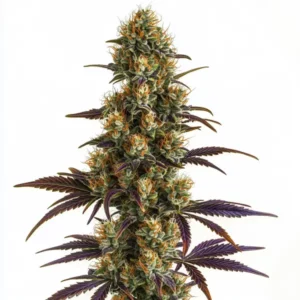
Afghan Autoflower

|
Type | Autoflowering |

|
THC | 15% - 17% (Medium) |

|
Phenotype | 90% Indica / 10% Sativa |

|
Yield | Medium |

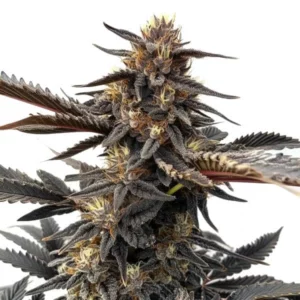
Afghan Kush Regular
|
|
Type | Regular |
|
|
THC | 18% - 22% (Medium) |
|
|
Phenotype | 90% Indica / 10% Sativa |
|
|
Yield | Medium |
Resilience and Regional Adaptation
Varieties like Afghan Kush and Durban Poison are built to handle tough conditions. Afghan Kush adapted to the cold, dry Hindu Kush mountains, while Durban Poison, a pure sativa from South Africa, naturally resists mold in subtropical humidity and needs little intervention outdoors.
Distinctive Terpene Profiles
Terpenes set these classics apart. Acapulco Gold is known for an earthy, citrusy aroma, while Thai Stick offers tropical notes rarely found in modern hybrids. These authentic, full-flavored profiles are a big part of why landrace genetics remain so sought after.
Promos & Deals
Why Original Strains Are Still Valued
Despite the dominance of hybrids, landrace strains hold their value for consistency, purity and genetic resilience. Breeders rely on them to pass on stable traits like potency and distinct flavor, while growers trust them because they have proven themselves over decades. Plants that evolved under harsh conditions, such as Afghan Kush and Panama Red, also tend to resist pests and perform well outdoors with minimal care. Staples like Skunk #1 and OG Kush became breeding cornerstones precisely because their genetics are so predictable.
Top Original Weed Strains to Know
Even in a hybrid-dominated market, a handful of classics remain essential for their unique effects, stable genetics and link to cannabis history. Whether you are a first-time grower or a seasoned cultivator, these varieties stand out.
Acapulco Gold: The Mexican Highland Classic
A legendary sativa from the highlands of Mexico, Acapulco Gold is known for energizing, euphoric effects and a citrusy, earthy aroma. Its resilience in warm, dry climates makes it a favorite for outdoor growers, and its uplifting character is ideal for daytime use.
Afghan Kush: Pure Indica From the Hindu Kush
The archetypal pure indica, Afghan Kush comes from the Hindu Kush mountains and is loved for its potent body effect and deep relaxation. It grows into resilient, high-yielding plants even in difficult conditions, which is why its seeds are so prized.
Durban Poison: Africa’s Sativa Queen
A classic South African sativa, Durban Poison delivers uplifting, energetic effects and resists mold and pests even in humid climates. It is a reliable outdoor performer that delivers consistent results in unpredictable weather.
Their Role in Modern Hybrids
Modern cannabis would not exist without these originals. They provide the stability, strength and traits breeders need, from the development of feminized lines to new varieties with unique terpene profiles. Their influence runs through nearly every popular hybrid on the market.
How They Strengthen Hybrids
Consistent, potent parents like OG Kush and Skunk #1 are chosen in breeding programs because their traits pass on predictably. Famous hybrids such as Girl Scout Cookies and Sour Diesel trace back to these reliable foundations.
The Influence of Landrace Genetics
Landraces like Thai Stick and Hindu Kush have shaped today’s cannabis. Adapted to their environments over centuries, they give breeders the robustness and distinctive terpenes used to build strong, resilient hybrids.
Why Growers Still Choose Them
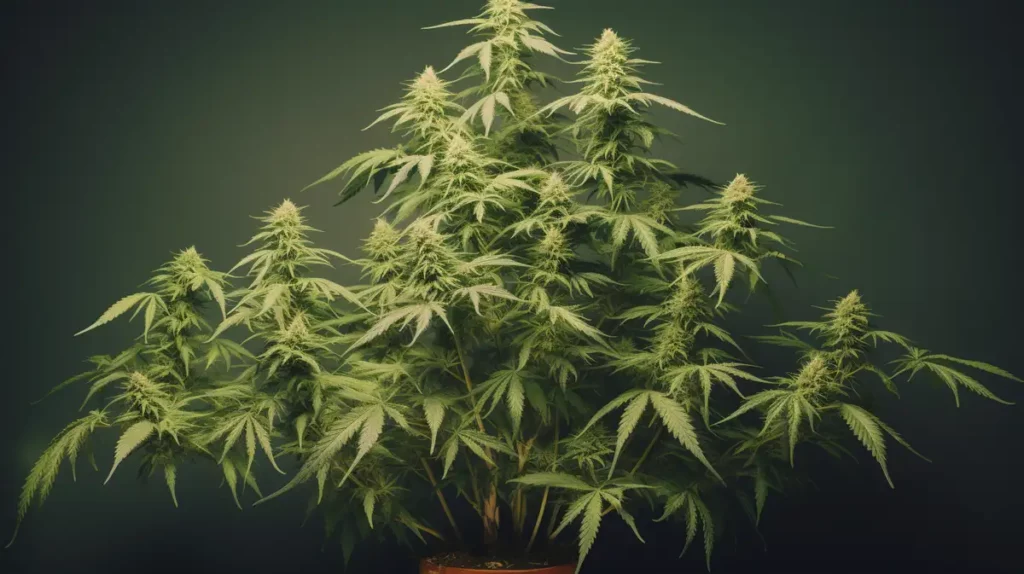
Beyond breeding, many cultivators simply prefer growing landrace varieties for their reliability and low maintenance. From traditional seeds to feminized versions, these plants are stable and forgiving, making them a solid choice for beginners and experts alike.
Durability Across Climates
Whether in the hot, dry climate of California or cooler, unpredictable regions, hardy classics like Durban Poison and Afghan Kush withstand a wide range of conditions and consistently produce healthy plants with minimal care.
Low Maintenance, Dependable Yield
Growers also favor landrace genetics for their resistance to pests and mold, which lets them thrive with little intervention. For a dependable, robust crop harvest after harvest, these proven varieties are hard to beat.
Traditional and Wellness Uses
Alongside their recreational appeal, landrace strains have long been associated with wellness uses, from easing discomfort to supporting focus. These are general, traditional associations rather than medical claims, and cannabis is not a substitute for professional care. This is not medical advice.
Indicas People Reach for to Relax
Pure indicas such as Afghan Kush are often chosen by people looking to unwind, thanks to their heavy, sedating character many find soothing in the evening. Reported effects vary from person to person. This is general information, not medical advice.
Sativas People Use for Focus and Creativity
At the other end, classic sativas like Durban Poison and Panama Red are associated with uplifting, energizing effects that many use during the day for mood and creativity without heavy sedation. Panama Red, popular in the 1960s-70s, is still valued for its long, cerebral character. Reported effects vary. This is not medical advice.
The Future of Original Strains
As cannabis goes mainstream, interest in originals is resurging. Many consumers seek these classics for their authentic effects and rich histories, and in active markets like California and Ohio the old-school varieties are making a comeback among both recreational and wellness-minded users.
Why the Legacy Continues
The legacy of original weed strains is undeniable: they are the foundation of cannabis itself. As the industry evolves, preserving these genetics matters more than ever, because their strength, resilience and purity are what make the next generation of strains possible.
| Landrace strain | Origin | Type | Known for |
|---|---|---|---|
| Acapulco Gold | Mexico | Sativa | Energizing, citrusy; dry-climate resilience |
| Afghan Kush | Hindu Kush | Indica | Heavy relaxation; hardy and high-yielding |
| Durban Poison | South Africa | Sativa | Uplifting; mold-resistant outdoors |
| Hindu Kush | Afghanistan/Pakistan | Indica | Resinous, stable breeding parent |
| Panama Red | Panama | Sativa | Cerebral, creative; tropical-climate grower |
FAQS
What are original weed strains?
Original weed strains, or landrace varieties, are naturally evolved cannabis plants that have not been crossbred. Shaped over centuries in one region, they offer stable genetics, strong regional resilience and unique terpene profiles, and they form the genetic foundation of modern hybrids.
Why do growers still choose original strains?
Growers value original strains for their predictable, stable traits, their natural resistance to pests and disease, and their low-maintenance growth, especially outdoors. They also provide an authentic, classic cannabis experience and a reliable genetic base for breeding.
Are feminized seeds available for original strains?
Yes. Many seed banks offer feminized versions of landrace classics like Afghan Kush and Durban Poison, giving growers consistent, all-female plants while preserving the original genetics and effects.