Exploring the Best Fast Flowering Weed Seeds

Fast flowering weed seeds (often called ‘fast version’ seeds) are photoperiod strains bred to finish flowering noticeably sooner than normal, typically around 7-8 weeks of flower instead of 9-11, by crossing a strain with a fast-finishing parent. Crucially, they are not autoflowers: they still flower when you switch the light cycle (or as the season shortens), so they keep the potency, size and yield potential of regular photoperiod plants while simply ripening faster. That speed makes them great for growers who want a quicker turnaround indoors, or who grow outdoors in short or wet-autumn climates and need plants to finish before the cold and mold arrive. As the guide explains, these are the photoperiod fast version seeds that finish a couple of weeks early.
Popular fast versions include well-known genetics like GG4 (Gorilla Glue), White Widow, Critical and Super Skunk. Below: what fast flowering seeds are, how they differ from autoflowers and regular photoperiods, who they suit, and notable fast strains, with names kept intact and no invented potency figures.
Recommended Strains

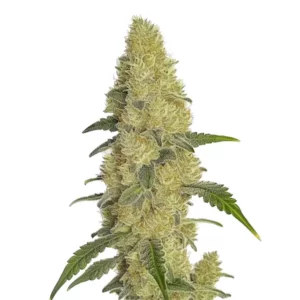
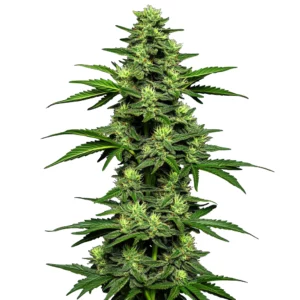
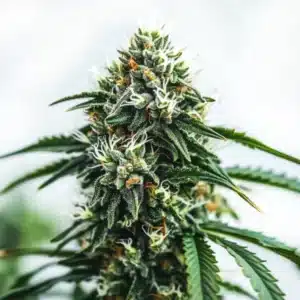
GG4 Fast Version

|
Type | Feminized |

|
THC | 19% - 22% (Medium) |

|
Phenotype | 40% Indica / 60% Sativa |

|
Yield | High |

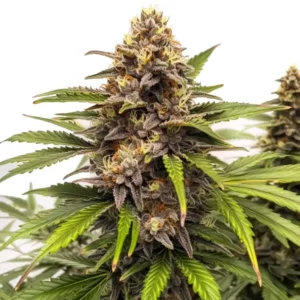
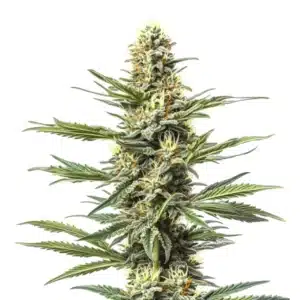
Critical Fast Version
|
|
Type | Fast Flowering |
|
|
THC | 18% - 22% (Medium) |
|
|
Phenotype | 60% Indica / 40% Sativa |
|
|
Yield | High |
Fast Version vs Autoflower vs Regular
How the three compare:
| Type | Flowering | Notes |
|---|---|---|
| Fast flowering (fast version) | Photoperiod, ~7-8 weeks (faster than normal) | Full photoperiod potency/size, just quicker |
| Autoflower | By age, ~8-10 weeks seed-to-harvest | No light-cycle change; smaller; ruderalis genetics |
| Regular photoperiod | ~9-11+ weeks flower | Standard; biggest potential, slowest |
Promos & Deals

What Fast Flowering Seeds Are
Fast flowering seeds, also known as ‘fast version’ seeds, are the answer to a simple grower wish: the quality of a favorite photoperiod strain, but a shorter wait. Breeders create them by crossing a well-known photoperiod strain with a fast-finishing parent, producing offspring that keep most of the original’s character (flavor, effect, structure) while flowering a couple of weeks faster, often finishing bloom in around 7-8 weeks rather than 9-11. They remain photoperiod plants, meaning indoors you still flip them to 12/12 to start flowering (and outdoors they flower as days shorten), which is the key difference from autoflowers.
The payoff is a faster harvest and quicker turnaround without the size or potency trade-offs that can come with autoflowering, making fast versions a sweet spot for growers who want speed but not the compromises of autos. In short, fast flowering seeds give you a familiar strain on an accelerated timeline.
Fast Flowering vs Autoflower (Don’t Confuse Them)
This is the most common point of confusion, so it’s worth being clear. Autoflowers flower automatically based on the plant’s age (thanks to ruderalis genetics), regardless of the light schedule, they’re very fast seed-to-harvest and beginner-friendly, but tend to be smaller and sometimes a bit less potent per plant. Fast flowering (fast version) seeds are different: they’re still photoperiod plants that you trigger into flower by changing the light cycle, they just complete that flowering phase faster than normal. So fast versions keep the bigger size and full potency potential of photoperiod genetics while shaving weeks off the bloom, whereas autos trade some size/potency for total automation and speed.
Which to choose depends on your goal: pick autoflowers for maximum simplicity and the fastest, most hands-off grows (see our autoflower seeds), and fast versions when you want near-regular-photoperiod results but need to finish sooner. Both beat standard photoperiods on speed.
Notable Fast Strains and Who Should Grow Them
Many classics come in fast versions, letting you grow a familiar favorite on a shorter clock. Well-known examples include GG4 (Gorilla Glue) Fast Version, White Widow, Critical Fast Version and Super Skunk, genetics prized for potency and yield, now available finishing faster (keep the strain names intact when you shop, and check each product page for its real flowering time, yield and potency rather than assuming figures). Who are fast flowering seeds for?
Indoor growers wanting more harvests per year from a quicker cycle; outdoor growers in short-season or wet climates (like northern regions or rainy autumns) who need plants to finish before cold and mold set in; and anyone who simply wants their favorite photoperiod strain sooner.
They’re also a good middle path for growers who find autoflowers too small but regular photoperiods too slow. Explore options in our fast flowering seeds collection, and for a classic grow walkthrough see how to grow White Widow. Match the fast version to your space and season for a quicker, quality harvest.
FAQs about fast flowering weed seeds
What does ‘fast flowering’ mean?
They’re photoperiod (‘fast version’) strains bred to finish flowering sooner than normal, typically around 7-8 weeks instead of 9-11, by crossing with a fast-finishing parent. They keep the potency, size and yield potential of regular photoperiod plants but ripen faster. They are not autoflowers, you still flip the light cycle to start flowering.
Fast version vs autoflower?
No. Autoflowers flower by age regardless of light (ruderalis genetics), are very fast and hands-off but usually smaller. Fast flowering seeds are photoperiod plants, you trigger flowering by changing the light cycle, that simply bloom faster than normal while keeping full photoperiod size and potency. Choose autos for simplicity, fast versions for near-regular results on a shorter timeline.
Who are fast versions best for?
Indoor growers wanting quicker cycles and more harvests per year, and outdoor growers in short-season or wet-autumn climates who need plants to finish before cold and mold arrive. They’re also ideal if you find autoflowers too small but regular photoperiods too slow, you get near-regular quality on a shorter clock. Pick one that suits your space and season. As a rough rule of thumb, if your main constraint is a short or wet outdoor season, a fast version that reliably finishes before the weather turns often beats a slower, bigger photoperiod that risks rotting in the rain, finishing a clean, healthy harvest matters more than squeezing out a few extra slow weeks.
How quick is the harvest?
Fast versions typically complete the flowering phase in about 7-8 weeks, roughly a couple of weeks faster than the 9-11 weeks of many standard photoperiods, plus your vegetative time beforehand. Exact timing varies by strain, so check each product page. They’re faster than regular photoperiods but, unlike autoflowers, still need you to switch the light cycle to flower.