Is Bong Water Bad for Plants? Effects and Alternatives

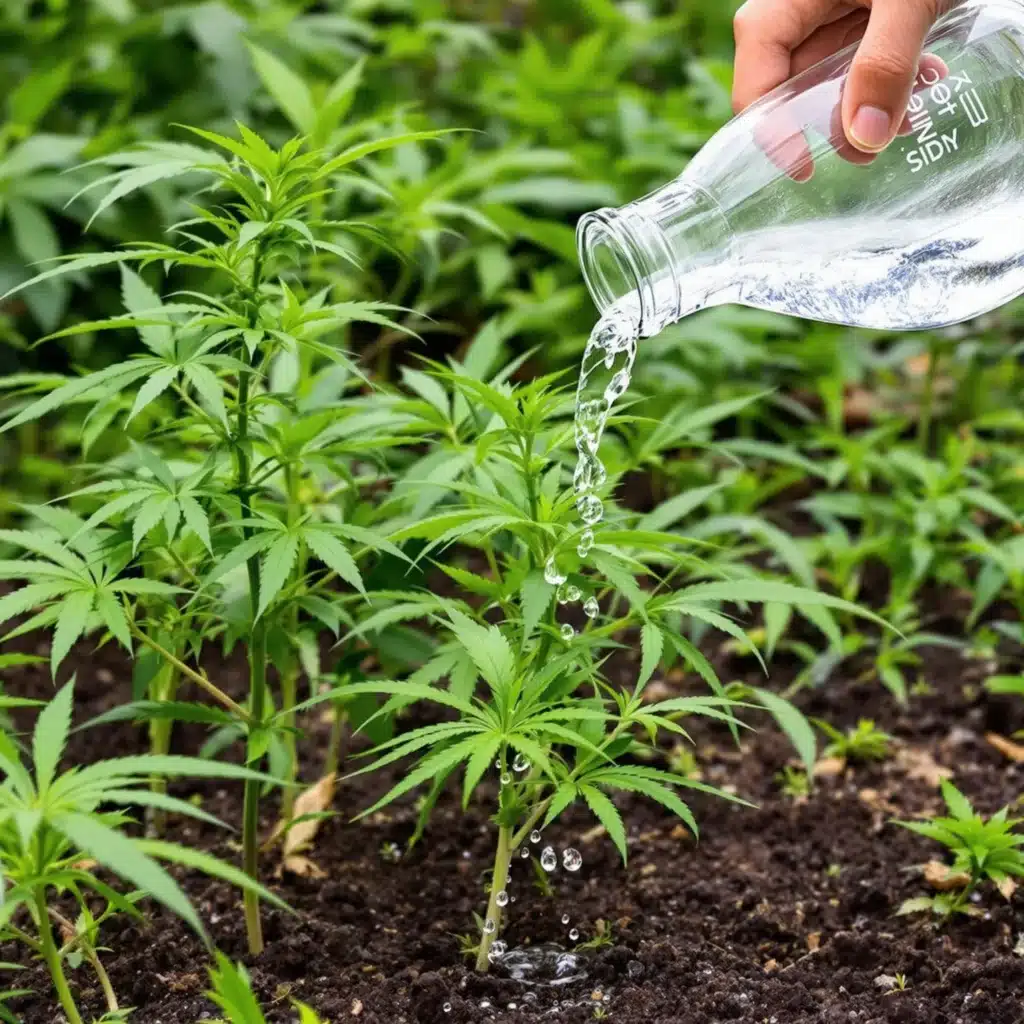
Is bong water bad for plants? Bong water is generally detrimental to plants due to its harmful toxins and imbalanced pH, which can damage or kill them over time. Although some suggest it might act as a nutrient-rich fertilizer, the risks far outweigh any potential benefits. Research indicates bong water can disrupt soil health, making it unsuitable for plant care.
Bong water, often considered for plant watering, contains various compounds that can impact plant health. Unlike compost tea, which is rich in beneficial nutrients, bong water harbors ash and tar that may harm plants. Understanding the effects of these substances on soil pH and plant vitality is crucial for maintaining healthy growth.
Recommended Strains
Blue Amnesia Auto

|
THC | 17% - 18% (Medium) |

|
Type | Autoflowering |

|
Yield | Low |

|
Phenotype | 40% Indica / 60% Sativa |

Blue Amnesia Regular
|
|
THC | 22% - 24% (High) |
|
|
Type | Regular |
|
|
Yield | High |
|
|
Phenotype | 30% Indica / 70% Sativa |
Bong Water
Composition of Bong Water
Bong water primarily functions to filter cannabis smoke, accumulating ash, resin, and tar-like substances. These components can alter the water’s pH, typically making it more acidic or alkaline than the neutral range of 6.0 to 7.0 preferred by most plants. Tap water, often used in bongs, contains chlorine and benzopyrenes, further complicating its suitability for plant use.
The presence of carbon-based particles, remnants of burnt cannabis, can be misleading. While carbon can benefit plants, the form present in bong water is often too harsh, leading to potential toxicity. Additionally, any fertilizer residues from the cannabis can leach into the water, introducing unwanted chemicals.
Potential Harmful Components
The harmful components in bong water include ash, resin, and tar, which can block root absorption and introduce toxins into the soil. These substances can disrupt the natural pH balance, leading to nutrient lockout and plant stress. For example, a pH imbalance can prevent plants from absorbing essential nutrients, causing deficiencies.
Moreover, bong water can harbor pathogens, promoting bacterial growth that can lead to root rot. The combination of these factors makes bong water a risky choice for plant care, especially for sensitive houseplants.
Promos & Deals
Effects of Bong Water on Plants
Impact on Different Plant Types
Houseplants, with their confined root systems, are particularly vulnerable to the harsh compounds in bong water. The limited soil volume means toxins can quickly overwhelm the plant, leading to symptoms like yellowing leaves and wilting. Outdoor plants, with more extensive root systems, might tolerate bong water better but still face risks of soil compaction and reduced aeration.
Cannabis plants, despite being the source of bong water, are not immune to its effects. The high nutrient requirements of cannabis make it sensitive to pH imbalances and toxic substances, which can lead to nutrient lockout and weakened immunity.
Comparing Bong Water to Compost Tea
Compost tea is a beneficial alternative to bong water, providing plants with essential nutrients and microorganisms that promote healthy growth. Unlike bong water, compost tea is specifically brewed to enhance soil fertility and plant health, making it a superior choice for watering plants.
Bong water lacks the beneficial properties of compost tea and instead introduces harmful residues that can damage plants. Opting for compost tea over bong water ensures your plants receive the nutrients they need without the risk of toxicity.
Why Bong Water is Not Ideal for Plants
While some may wonder why bong water might help plants grow, the reality is that bong water is not good for plants. The high levels of toxins and imbalanced pH can lead to detrimental effects. Bong water in plants can cause more harm than good, as it disrupts the delicate balance required for healthy growth.
Watering plants with bong water can lead to nutrient lockout, where essential nutrients are unavailable to the plant due to pH imbalances. This can result in stunted growth and poor plant health. Furthermore, bong water and plants do not mix well because the potential for bacterial growth can lead to root diseases.
| Feature / Merkmal | Cinderella 99 Fast Version | Wedding Cake Auto | Grandaddy Purple Regular |
|---|---|---|---|
| THC Percentage | 20-25% | 22-25% | 19-23% |
| Dominant Terpene | Limonene | Caryophyllene | Myrcene |
| Flavor Profile | Citrus, Pine | Vanilla, Earthy | Grape, Berry |
| Effect Profile | Energizing, Uplifting | Relaxing, Euphoric | Calming, Sedative |
| Suitable for | Daytime use | Evening use | Nighttime use |
Professional Tips for Plant Care
- Maintain 6.0-7.0 pH in soil to ensure nutrient absorption. Bong water can disrupt this balance, leading to deficiencies.
- Use compost tea instead of bong water for nutrient-rich watering. Compost tea enhances soil health without introducing toxins.
- Avoid using tap water in bongs for plant watering. Chlorine and benzopyrenes in tap water can harm plant roots.
- Monitor soil aeration and drainage when using any water source. Poor drainage can lead to root rot, especially with bong water.
- Regularly test soil for pH and nutrient levels if experimenting with bong water. This helps identify potential issues early.
- Consider the plant type and its sensitivity to environmental changes before introducing unconventional watering methods like bong water.

FAQs About Bong Water and Plants
Can I pour bong water in plants?
Pouring bong water on plants is not advisable due to its toxic components. These include ash and tar, which can disrupt soil pH and introduce harmful substances. Instead, use fresh water or compost tea to ensure your plants receive the nutrients they need without the risk of damage.
Does bong water grow bacteria?
Yes, bong water can promote bacterial growth if it sits for extended periods. This stagnant water becomes a breeding ground for pathogens, which can lead to root rot when introduced to plant soil. Always use fresh water to minimize the risk of bacterial contamination.
What are the benefits of bong water?
Bong water offers minimal benefits to plants. While it might contain trace nutrients from cannabis smoke, these are often in forms plants cannot absorb. The risks, such as pH imbalance and toxin introduction, outweigh any potential advantages.
Can you water plants with bong water?
Watering plants with bong water is generally discouraged. The harmful components, including ash and tar, can damage plant roots and disrupt soil health. Opt for clean water or nutrient-rich alternatives like compost tea to support plant growth effectively.