Interactions Between Cannabis and Cover Crops

For both first-time seed buyers and experienced growers, knowing the interactions between cannabis and cover crops can elevate your cultivation game. Cover crops are plants you grow alongside your cannabis to improve soil health, manage pests, and enhance the overall growth environment. Knowing the interactions between cannabis and cover crops also helps optimize nutrient cycling and soil structure, creating a balanced ecosystem that supports vigorous plant growth and higher yields. Let’s dive into how these cover crops interact with your cannabis plants to help you achieve a thriving garden.
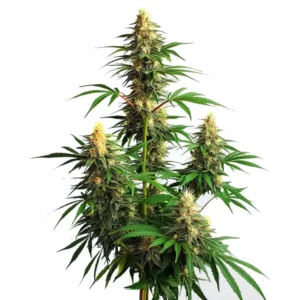
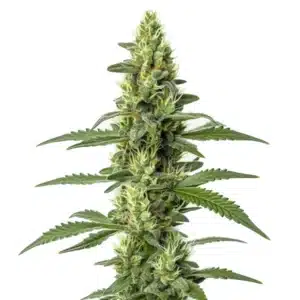
Choosing the right cannabis strains and cover crops can be crucial. Strains like Amnesia Haze Autoflower, Wedding Cake Autoflower, and Blue Dream Autoflower have unique needs and growth patterns. Pairing them with the right cover crops can lead to robust growth and bountiful harvests. Here, we explore these interactions and the benefits they bring to your cannabis cultivation efforts.
Recommended Strains

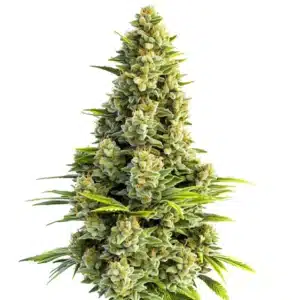
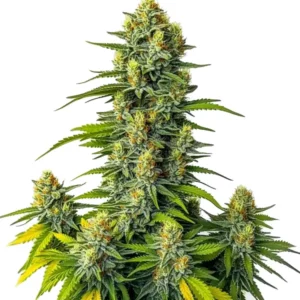
Wedding Cake Auto

|
THC | 17% - 20% (Medium) |

|
Type | Autoflowering |

|
Yield | High |

|
Phenotype | 65% Indica / 35% Sativa |
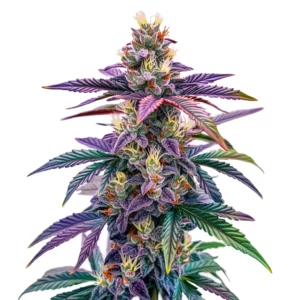
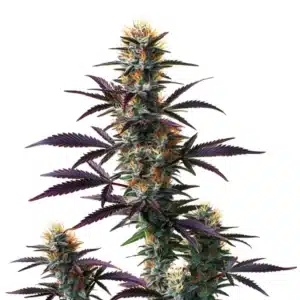
Blue Dream Autoflower
|
|
THC | 10% - 13% (Low) |
|
|
Type | Autoflowering |
|
|
Yield | Medium |
|
|
Phenotype | 30% Indica / 70% Sativa |
Benefits of using cover crops with cannabis
Cover crops offer multiple benefits that can directly impact the health and yield of your cannabis plants. They can improve soil structure, enhance nutrient availability, and even act as a natural pest deterrent.
Improving soil health
One of the primary benefits of cover crops is their ability to improve soil health. Plants like clover, vetch, and rye are excellent at fixing nitrogen in the soil, which is crucial for cannabis growth. These cover crops break down organic matter, boosting microbial activity, which in turn supports cannabis root development.
When growing Amnesia Haze Autoflower, known for its strong roots and energetic growth, pairing it with nitrogen-fixing cover crops can maximize its potential. The improved soil structure helps the roots penetrate deeper, ensuring better nutrient uptake.
Natural pest management
Cover crops like marigold and mustard can act as natural pest repellents. They emit scents and chemicals that deter common cannabis pests such as aphids and spider mites. By strategically planting these cover crops, you create a natural barrier that protects your cannabis plants.
For strains like Wedding Cake Autoflower, with its dense buds and sweet aroma, maintaining pest-free growth is crucial. Marigolds not only enhance your garden’s aesthetics but also provide a protective shield for your plants.
Promos & Deals
Practical tips for integrating cover crops with cannabis
Successfully integrating cover crops with cannabis requires planning and knowing the specific needs of your chosen strains. Here are some practical tips to help you get started.
Choosing the right cover crops
Different cannabis strains have different requirements. For example, Blue Dream Autoflower thrives with cover crops that enhance soil aeration and provide substantial organic matter. Rye and vetch are excellent choices as they decompose quickly, enriching the soil environment.
- For soil aeration: use rye or oats.
- For nitrogen fixing: consider clover or vetch.
- For pest management: marigold and mustard are effective.
When selecting cover crops, also consider your climate and soil type. Ensure compatibility to maximize the benefits they bring to your cannabis garden.
Timing your planting
Timing is crucial when working with cover crops. Plant them early in the growing season, ideally a few weeks before your cannabis seeds. This allows the cover crops to establish themselves and begin benefiting the soil.
For autoflower strains like Wedding Cake Autoflower, timing is particularly important due to their shorter life cycle. By planning your planting schedule effectively, you ensure that both your cover crops and cannabis plants are synchronized for optimal growth. adequate light to reach the lower branches, promoting even growth throughout the plant.

FAQs about Interactions between cannabis and cover crops
What are the best cover crops for cannabis?
The best cover crops for cannabis include clover, vetch, rye, marigold, and mustard. These plants offer different benefits such as nitrogen fixation, pest management, and soil aeration. When selecting cover crops, consider the specific needs of your cannabis strains and your local growing conditions.
For instance, GG4 benefits from nitrogen-fixing clover, while Purple Lemonade Autoflower pairs well with pest-repelling marigolds. Always tailor your cover crop choice to complement your cannabis strain’s growth requirements and environmental factors.
How do cover crops improve soil structure?
Cover crops improve soil structure by enhancing organic matter content and promoting microbial activity. As they grow, cover crops like rye and vetch create root systems that help break compacted soil, improving aeration and water infiltration.
This process is particularly beneficial for strains like Bruce Banner #3, which require well-aerated soil for robust root development. Over time, the decomposition of cover crops adds organic material to the soil, further enhancing its structure and fertility.
Can cover crops prevent cannabis pests?
Yes, certain cover crops can effectively deter common cannabis pests. Plants such as marigold and mustard release natural chemicals that repel insects like aphids and spider mites, creating a healthier growing environment for your cannabis plants.
By incorporating these pest-repelling cover crops, you reduce the need for chemical pesticides, promoting a more organic and environmentally friendly cultivation approach. This is especially important for growers aiming to produce high-quality, clean cannabis.
What are the challenges of using cover crops with cannabis?
One of the main challenges is managing competition for resources such as water and nutrients. Cover crops can sometimes outcompete cannabis plants if not properly monitored and managed. Regular soil testing and careful irrigation can mitigate these issues.
Another challenge is controlling cover crop growth to prevent them from overshadowing cannabis plants. Pruning and strategic planting can help maintain a balance, ensuring that both cover crops and cannabis thrive without hindering each other’s growth.
How should I time the planting of cover crops with cannabis?
Timing is key when integrating cover crops with cannabis. Ideally, plant cover crops a few weeks before sowing your cannabis seeds. This allows cover crops to establish and begin enhancing soil quality before cannabis plants take root.
For autoflower strains, which have a shorter growth cycle, precise timing is even more crucial. Plan your planting schedule to ensure cover crops and cannabis develop in harmony, maximizing the benefits of this interplanting strategy.