How to Identify and Solve Magnesium Deficiency in Cannabis

Quick Summary: Magnesium deficiency in cannabis stops energy production. It shows as yellowing between green leaf veins on older growth. Correct it by balancing pH (6.0-7.0 for soil) and adding Epsom salts or Cal-Mag. Fast action protects your THC potency and terpene profiles like Myrcene and Limonene.
Magnesium Deficiency in Cannabis Plants
Magnesium deficiency is a common hurdle that can ruin a high-quality harvest if ignored. Magnesium is a mobile nutrient. This means the plant can move it from old leaves to new ones when supplies are low. Because of this, you will always see the first symptoms on the older, bottom leaves of your plant. If the problem is not fixed, the damage will move up the plant toward the light.
Recommended Strains

Godfather OG

|
THC | 26% - 30% (High) |

|
Type | Feminized |

|
Yield | High |

|
Phenotype | 60% Indica / 40% Sativa |
Godfather OG Auto
|
|
THC | 25% - 26% (High) |
|
|
Type | Autoflowering |
|
|
Yield | Medium |
|
|
Phenotype | 70% Indica / 30% Sativa |
Biologically, magnesium is the heart of the chlorophyll molecule (C55H72O5N4Mg). Chlorophyll gives plants their green color and allows them to turn light into food. Without enough magnesium, your cannabis cannot perform photosynthesis effectively. This leads to weak plants that cannot produce the energy needed to grow big, resinous buds. In short, magnesium is the fuel that keeps the plant’s engine running.
When you have a magnesium deficiency in cannabis plants, the plant’s metabolism slows down. This affects how the plant uses other nutrients like Nitrogen and Phosphorus. It also disrupts the production of secondary metabolites. These include cannabinoids and terpenes, which are the main things growers care about for a quality harvest.
Promos & Deals

Visual Symptoms of Marijuana Magnesium Deficiency
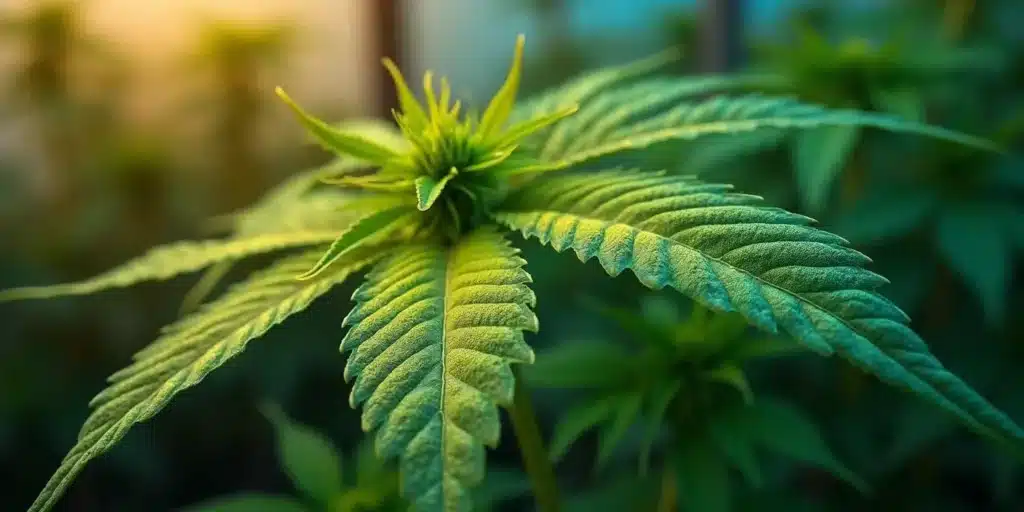
Identifying the problem early is the secret to a successful grow. The most famous sign of marijuana magnesium deficiency is interveinal chlorosis. This is a fancy way of saying the tissue between the leaf veins turns yellow, while the veins themselves stay a sharp, dark green. It creates a striped look on the fan leaves that is very easy to spot once you know what to look for.
As the deficiency gets worse, you will notice “rust spots” or small brown patches appearing on the yellow parts of the leaf. These spots mean the leaf tissue is actually dying. The edges of the leaves may also become dry, brittle, and curl upward. This is often called “praying to the light,” but in a bad way. The leaves eventually die and drop off, which reduces the plant’s ability to absorb light energy even further.
Growth will slow to a crawl. The stems might turn a dull purple color, though this can also be a genetic trait. If this happens during the flowering stage, your buds will stay small and airy. They will lack the “frosty” look that comes from heavy resin production. Acting fast is the only way to save the weight and quality of your final product.
Technical Comparison: Magnesium vs. Other Deficiencies
| Feature | Magnesium (Mg) | Calcium (Ca) | Nitrogen (N) |
|---|---|---|---|
| Location | Bottom/Older leaves first | Top/New growth first | Entire lower leaf yellows |
| Visual Pattern | Yellowing between green veins | Small brown/rusty spots | Uniform yellowing of whole leaf |
| Leaf Texture | Brittle, edges curl up | Distorted new leaves | Soft, wilting before dropping |
| Mobility | Highly Mobile | Immobile | Highly Mobile |
| Ideal pH (Soil) | 6.0 – 7.0 | 6.2 – 7.0 | 6.0 – 7.0 |
| Chemical Impact | Lowers Terpene production | Weakens cell wall structure | Reduces overall biomass |
The Link Between THC and Magnesium
There is a strong connection between THC and magnesium. THC is produced in the trichomes, which are small resin glands on the flowers. The plant needs a huge amount of energy to build these complex chemicals. Since magnesium drives photosynthesis, a lack of it means the plant has no “battery power” to produce high levels of THC. Plants with this deficiency often have lower psychoactive potency.
Terpenes like Myrcene (earthy) and Limonene (citrus) also suffer. These oils are part of the “Entourage Effect.” This effect is when all the chemicals in cannabis work together to create a specific feeling. Without magnesium, the plant cannot finish the chemical pathways needed for these terpenes. This results in a harvest that smells “flat” and has a boring effect, even if the genetics are high-end.
Using magnesium and weed cultivation techniques effectively ensures that the plant has the building blocks for resin. High levels of magnesium during the transition to flower help the plant shift gears. It moves from growing leaves to growing fat, heavy buds that are rich in both cannabinoids and flavor-giving oils.
Causes and Prevention of Magnesium Deficiency in Cannabis
The number one cause of magnesium deficiency in cannabis is “nutrient lockout” caused by the wrong pH. Even if your soil has plenty of magnesium, the plant cannot “see” it if the pH is too low (acidic). For soil, you must keep the root zone between 6.0 and 7.0. In hydroponics, the range is tighter, usually 5.5 to 6.5. If you drift outside these lines, your plant will starve in a room full of food.
Another cause is an imbalance of other minerals. If you use too much Calcium or Potassium, they can crowd out the Magnesium at the root’s absorption points. This is why using a balanced NPK ratio is critical. Many growers over-feed their plants with “bloom boosters,” which are high in Potassium, accidentally causing a magnesium lockout just when the plant needs it most.
To prevent this, always test your runoff water. If the pH is wrong, flush the growing medium with pH-balanced water. Then, re-introduce a light nutrient solution with a 2:1 or 3:1 Calcium-to-Magnesium ratio. This balance is the industry standard for healthy, vibrant cannabis plants.
Professional Tips for Master Growers
- Foliar Feeding for Instant Results: If your plant is struggling, spray a diluted Epsom salt solution (1 tsp per gallon) directly on the leaves. The plant absorbs Mg through the leaves much faster than the roots.
- Watch the Temperature: Cold roots (below 60°F / 15°C) struggle to take up magnesium. Keep your root zone warm to ensure nutrient movement.
- The “Cal-Mag” Trap: Don’t just add more Cal-Mag if the pH is wrong. You will only cause a salt buildup. Always fix the pH before adding more minerals.
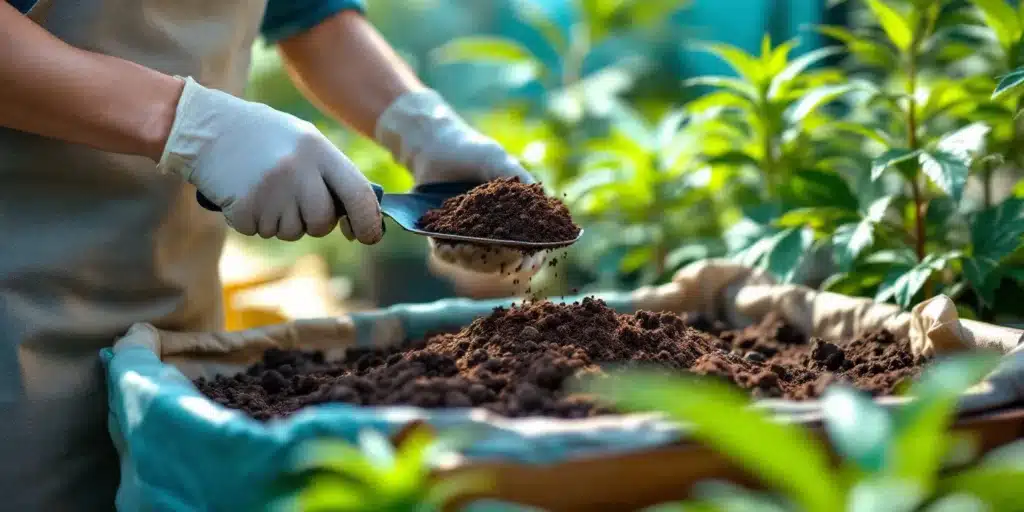
- Use Dolomite Lime: For soil growers, mixing 1 cup of dolomite lime per cubic foot of soil provides a slow-release source of both Magnesium and Calcium while buffering the pH.
- Light Intensity Matters: Under high-intensity LED lights, cannabis plants often demand more magnesium because they are working harder. Increase your Mg levels slightly if you see yellowing under powerful lights.
FAQs About Magnesium Deficiency in Cannabis
What is the fastest way to fix magnesium deficiency weed?
The fastest way to fix magnesium deficiency weed is a foliar spray using Epsom salts. Dissolve one teaspoon of pharmaceutical-grade Epsom salt into a gallon of pH-balanced water. Spray this on your plants when the lights are low or about to turn off. This bypasses root lockout and delivers the magnesium directly to the chlorophyll cells within hours.
Can I use tap water to solve magnesium deficiency?
Tap water often contains some minerals, but it is rarely enough to fix a magnesium deficiency in cannabis. In fact, tap water is often high in Calcium, which can make a magnesium deficiency worse by creating a mineral imbalance. It is always better to use a dedicated Cal-Mag supplement or Epsom salts to ensure you are giving the plant what it actually needs.
How do I tell the difference between magnesium and nitrogen deficiency?
A magnesium deficiency in cannabis causes yellowing between the veins while the veins stay green. A nitrogen deficiency causes the entire leaf to turn a pale, uniform yellow. Nitrogen deficiency usually starts at the very bottom and moves up very fast, whereas magnesium damage often looks more “patchy” and striped before the whole leaf dies.
Does magnesium affect the smell of my cannabis?
Yes, indirectly. Magnesium is vital for the production of terpenes. Terpenes are the oils that give cannabis its unique smell and taste. Without enough magnesium, the plant’s metabolic health drops, and it will prioritize survival over producing expensive aromatic oils. Proper magnesium levels lead to a louder, more complex terpene profile and a better entourage effect.