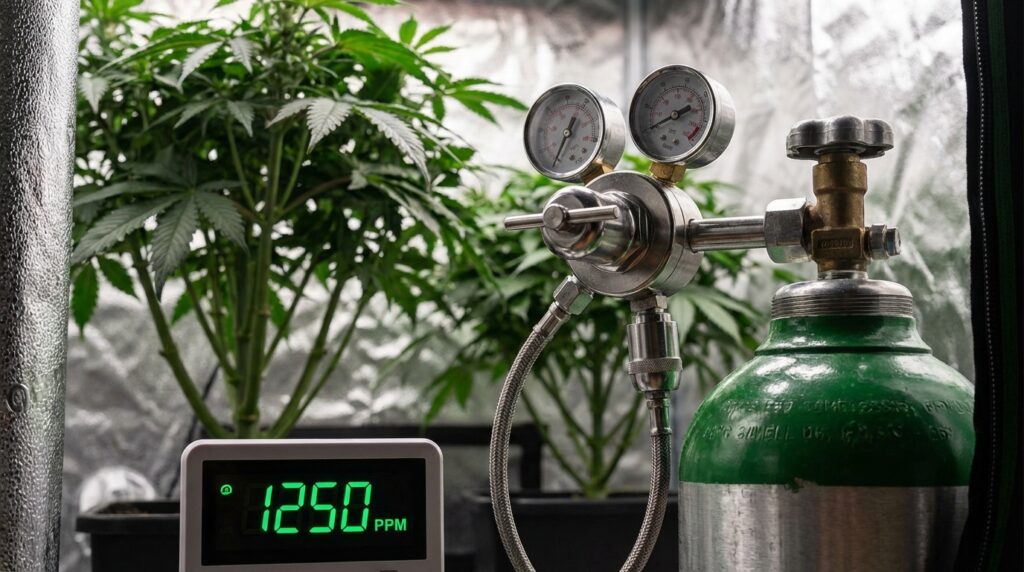
How to add CO2 to Grow Tent

Quick Summary: Learn how to add CO2 to grow tent setups to boost photosynthesis and yields. By maintaining levels between 1,200–1,500 ppm and keeping temperatures around 85°F, you can accelerate the growth of premium strains like BC Diesel or Orient Auto.
How to Safely and Effectively Add CO2 to Your Grow Tent
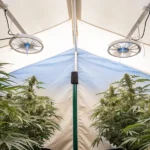
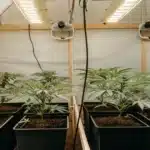
Boosting the growth of your cannabis plants is simple if you know how to add CO2 to grow tent. Carbon dioxide (CO2) is crucial for photosynthesis, which is how plants convert light into energy. In a standard environment, CO2 levels sit around 400 ppm. However, cannabis plants can process much more. By increasing the amount of CO2 in your grow tent, you provide the raw materials needed for faster cell division and stronger structures.
Recommended Strains
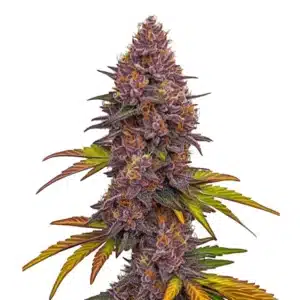
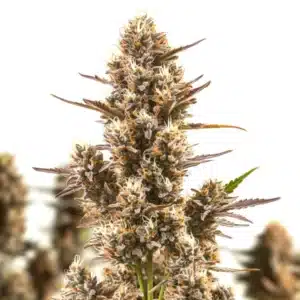
Grizzly Purple Auto

|
THC | 9% - 13% (Low) |

|
Type | Autoflowering |

|
Yield | Low |

|
Phenotype | 80% Indica / 20% Sativa |
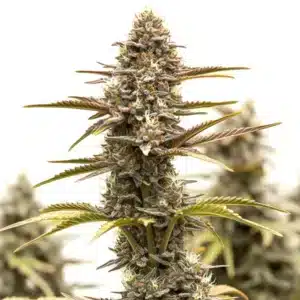
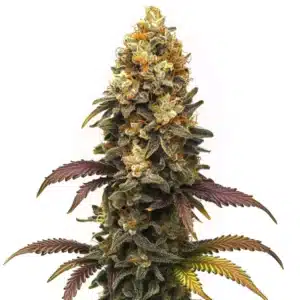
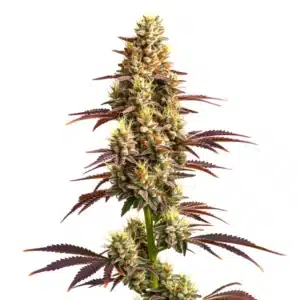
Grizzly Purple Kush
|
|
THC | 15% - 20% (Medium) |
|
|
Type | Feminized |
|
|
Yield | High |
|
|
Phenotype | 70% Indica / 30% Sativa |
This increased availability allows plants to absorb more light energy. Without extra CO2, your plants eventually hit a “ceiling” where more light doesn’t help. Introducing CO2 into your grow room removes this limit. You will see thicker stems and larger leaves. This is especially true for robust genetics like Grizzly Purple Kush. These high-performing strains have the metabolic capacity to handle high CO2 levels, resulting in a significantly heavier harvest at the finish line.
Promos & Deals

Methods to Increase CO2 for Grow Tent Success
There are several ways to supplement CO2 in your grow tent. For beginners, CO2 bags are a simple and cost-effective option. These bags use fungi or organic matter to release gas slowly. You just hang them above your plants. Since CO2 is heavier than air, it drifts down onto the leaves. While easy, they offer less control. They are best for small spaces where a full tank system might be overkill.
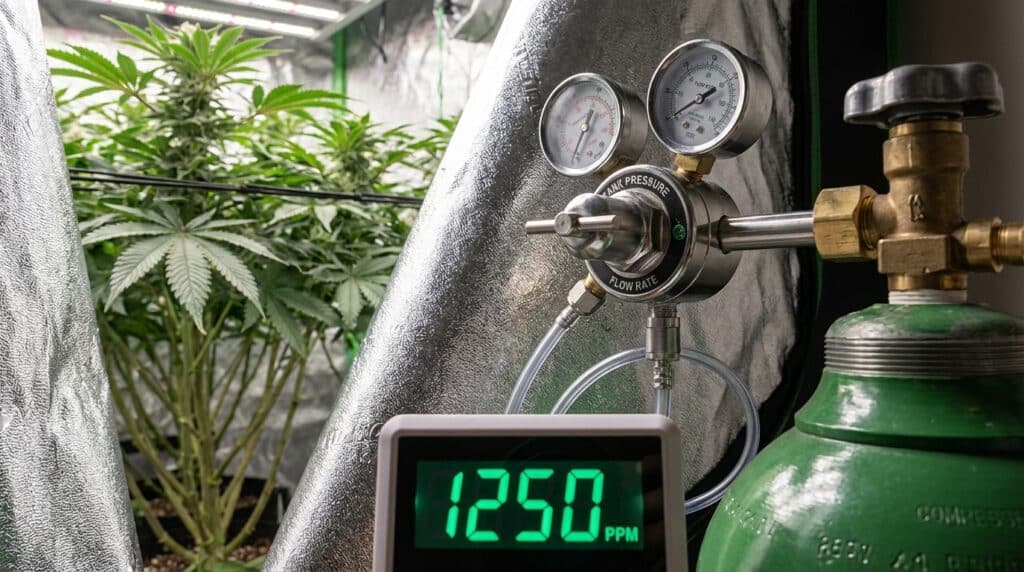
For larger setups, a CO2 system for grow tent use typically involves a compressed gas tank and a regulator. This approach gives you total control over the exact amount of CO2 released. You can set a timer or use a sensor to keep levels perfect. This precision ensures that your plants always have what they need for peak photosynthesis without wasting gas. It is the preferred method for serious hobbyists and professional growers alike.
Lastly, CO2 generators burn propane or natural gas to create CO2. These are highly efficient for massive rooms. However, they create a lot of heat and moisture. If you use a generator, you must have a powerful cooling system. This method is often too intense for a small tent but works wonders in open grow rooms. Regardless of the method, the goal remains the same: push the plant’s metabolism to its absolute limit.
| Feature | CO2 Bags (Organic) | Tank & Regulator | CO2 Generator |
|---|---|---|---|
| Setup Cost | Very Low | Medium | High |
| Control Level | None (Passive) | High (Digital) | High (Automatic) |
| Heat Output | Zero | Zero | High (Burning Gas) |
| Ideal Room Size | 2×2 to 4×4 Tents | Any Tent Size | Large Rooms/Greenhouses |
| PPM Consistency | Fluctuating | Highly Stable | Stable |
Best Practices: Timing the CO2 Boost for Cannabis
When introducing CO2, timing is everything. You should only add CO2 during “lights-on” hours. Plants respire (breathe) differently at night. In the dark, they take in oxygen and release CO2. Adding more gas at night is a waste and can actually stress your plants. Use a controller to turn off the CO2 system when the lights go out. This ensures your plants get the boost exactly when they can use it for energy production.
Temperature also plays a huge role. Normally, cannabis likes 70-75°F. When you add CO2, the plant’s metabolism speeds up. To handle this, you should raise the temperature to about 85°F. At this heat, the stomata (tiny leaf pores) open wider to take in more gas. This synergy between heat and CO2 is what creates the “super-growth” effect. If the room is too cool, the extra CO2 won’t do much.
Finally, be careful during the late flowering stage. CO2 is great for building the plant’s structure during the vegetative phase and early bloom. However, if you keep CO2 levels at 1,500 ppm during the last two weeks, it can delay ripening. High CO2 can cause buds to stay “airy” or keep growing new white pistils instead of maturing. Many experts recommend a CO2 drop in the grow tent during the final flush to help the plant finish its cycle and increase terpene production like Myrcene and Limonene.
Expert Tips for CO2 Management
- Seal the deal: CO2 is expensive. If your exhaust fan runs 24/7, you are just blowing your money outside. Use a sealed room or a “timed” exhaust system.
- Rain from above: CO2 is heavier than air. Always place your tubes or bags above the canopy so the gas “rains” down over the leaves.
- Check your PAR: Adding CO2 without high-intensity light is useless. Ensure your PPFD levels are above 800-1,000 µmol/m²/s to see real benefits.
- Safety first: High levels of CO2 are dangerous for humans. Always have a CO2 alarm in your grow area to protect yourself.
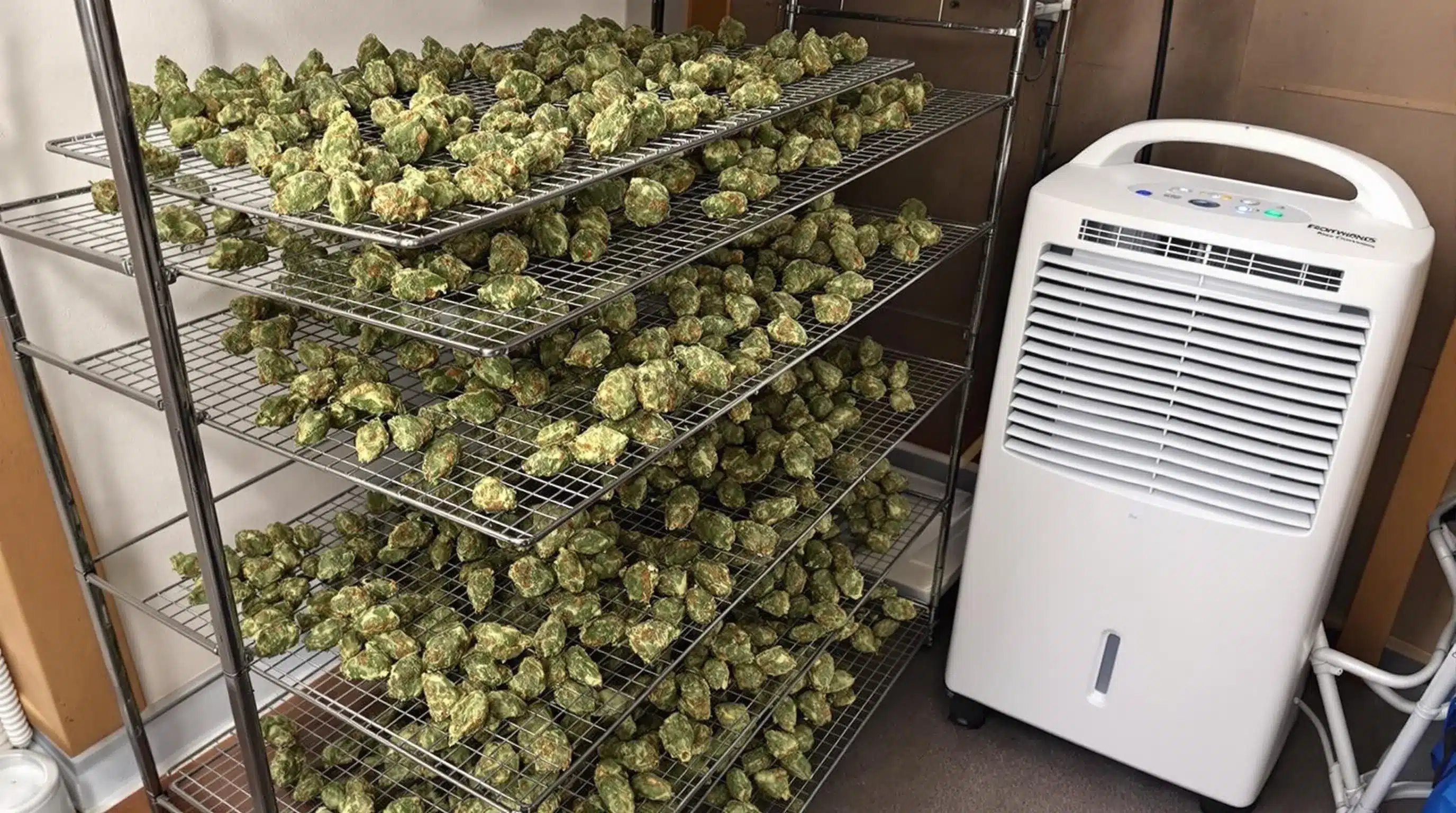
- Watch the humidity: Plants transpire more in high heat and CO2. Keep a powerful dehumidifier ready to prevent bud rot or powdery mildew.
Frequently Asked Questions
Why should I add CO2 to my grow tent?
Adding CO2 allows your plants to utilize higher light intensities that would otherwise cause light stress. It accelerates the metabolic rate of the plant, leading to faster vegetative growth and denser flower sites. For growers using high-end LEDs or HID lights, CO2 is the key to unlocking the full genetic potential of the strain.
What is the optimal CO2 level in a grow tent?
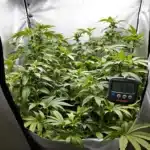
The sweet spot for cannabis is between 1,200 and 1,500 ppm. Levels below 1,000 ppm offer minimal visible results, while levels above 1,800 ppm can become toxic to the plant and dangerous for you. Constant monitoring with a digital infrared sensor (NDIR) is the best way to maintain these precise levels safely.
When is the best time to add CO2 to the grow room?
The best time to add CO2 is during the vegetative stage and the first 4-5 weeks of flowering. This is when the plant is building its structure and bulk. You must only run the system during the day, as plants do not perform photosynthesis in the dark and cannot use the extra carbon dioxide.
Can a CO2 drop in the grow tent impact my plants?
Yes, a sudden drop in CO2 levels during peak growth can stall the plant’s metabolism. If the plant has adapted to high CO2 and high light, removing the gas while keeping the lights intense can lead to light bleaching or nutrient lockout. Consistency is vital for maintaining the high metabolic rate you’ve established.
Can adding too much CO2 for marijuana be harmful?
Excessive CO2 (over 2,000 ppm) can cause the stomata to close, effectively “suffocating” the plant and stopping growth. It also poses a serious health risk to the grower. Symptoms like headaches or dizziness in the grow room mean levels are too high. Always use a regulator with a fail-safe solenoid valve to prevent leaks.