How Long After Pollination Do Seeds Develop

Quick Summary: Cannabis seeds typically reach full physiological maturity 6 to 8 weeks after pollination. Once fertilization occurs at the ovule, the plant redirects metabolic energy from secondary metabolite production (THC/Terpenes) to embryonic development, resulting in a hardened, mottled testa signifying ripeness.
Biological Mechanisms: How Long After Pollination Do Seeds Develop?
The development of cannabis seeds begins the moment a pollen grain from a staminate flower makes contact with the stigmatic surface of a female pistil. Biologically, this initiates the germination of a pollen tube, which grows down through the style to reach the ovular chamber. This fertilization event triggers a massive shift in the plant’s endocrine system. The energy previously dedicated to the “Sinsemilla” state, expanding floral surface area and increasing trichome density to capture pollen is immediately rerouted to primary reproductive functions.
Recommended Strains
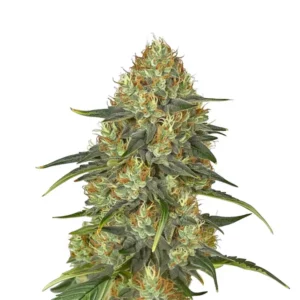
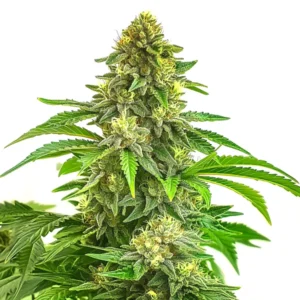
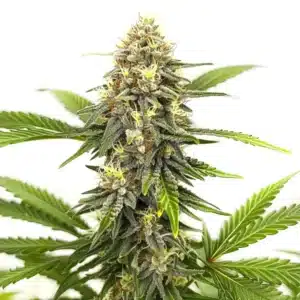
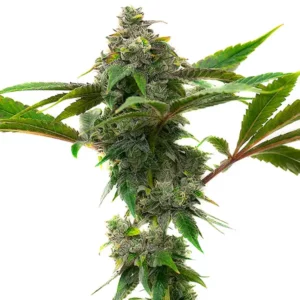
Jungle Lava

|
THC | 25% - 27% (High) |

|
Type | Feminized |

|
Yield | High |

|
Phenotype | 70% Indica / 30% Sativa |
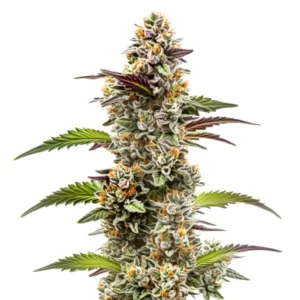
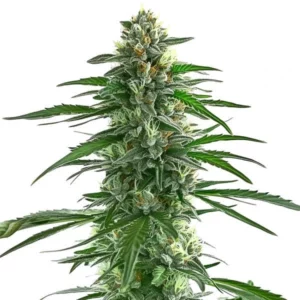
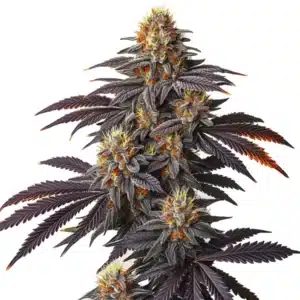
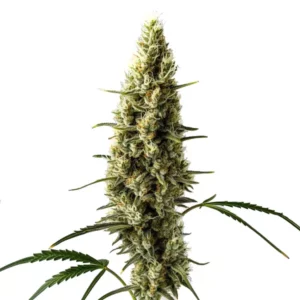
Jungle Breath
|
|
THC | 24% - 28% (High) |
|
|
Type | Feminized |
|
|
Yield | High |
|
|
Phenotype | 80% Indica / 20% Sativa |
Technically, the “development” of the seed structure is visible within 10 to 14 days as the perianth (the protective bract) begins to swell. This is not the floral swelling associated with harvest-ready buds, but rather the physical expansion of the developing embryo. During this phase, the plant requires high levels of Adenosine Triphosphate (ATP) to fuel rapid cellular division. Cultivators must ensure that light intensity, measured in Photosynthetic Photon Flux Density (PPFD), remains stable between 600–900 µmol/m²/s to provide the necessary energy for this transition.
The chemical profile also shifts significantly. As the seed matures, the concentration of aromatic terpenes like Myrcene and Limonene may decrease in the surrounding bracts because the plant is no longer attempting to attract pollinators or protect unfertilized ovules. Instead, it focuses on the synthesis of proteins and oils (lipids) inside the seed’s endosperm, which will eventually nourish the seedling during its first days of life.
Promos & Deals
The Maturation Timeline: From Fertilization to Mature Weed Seed
The transition from a fertilized ovule to a mature weed seed follows a predictable physiological arc. In the first three weeks post-pollination, the embryo is liquid and translucent. By week four, the seed coat (testa) begins to form. This is a critical juncture where environmental stability is paramount. If temperatures fluctuate outside the 21°C to 29°C (70°F to 85°F) range, the testa may fail to harden properly, leading to “hollow” or non-viable seeds that lack the structural integrity to survive long-term storage.
By weeks five and six, the seeds develop their characteristic pigmentation. This mottling, often referred to as “tiger stripes,” is actually a layer of epicuticular wax and pigments that protect the genetic material from UV radiation and desiccation. A truly mature seed will be dark brown, tan, or grey, and will feel rock-hard when pressed between the thumb and forefinger. If the seed is white, green, or soft, it has not yet completed the accumulation of essential nutrients and will likely fail to germinate.
Technical Comparison of Seed Maturation Variables
| Feature | Indica-Dominant | Sativa-Dominant | Autoflowering Strains |
|---|---|---|---|
| Maturation Window | 6 – 7 Weeks | 8 – 10 Weeks | 5 – 6 Weeks |
| Optimum Photoperiod | 12/12 Cycles | 11/13 or 12/12 | 18/6 or 20/4 (Critical) |
| Nutrient Focus (NPK) | Low N, High P (1-3-2) | Moderate P, High K | Balanced 1-1-1 Bloom |
| Visual Maturity Cues | Dark brown, heavy stripes | Grey/Tan, light stripes | Vivid mottling, fast hardening |
| Energy Redirection | High lipid accumulation | Extended embryo growth | Rapid vascular transport |
| Risk of Bud Rot | High (due to bud density) | Low (airy structure) | Moderate |
Environmental Optimization for Seed Production
To ensure mature seeds reach their full genetic potential, the environment must be tuned differently than for a standard flower harvest. While Sinsemilla growers often drop humidity (RH) to 40% to prevent mold, seed producers should maintain a slightly higher RH of 50–55% during the middle weeks of seed development. This prevents the bracts from becoming too desiccated, which can constrict the growing embryo and cause physical deformities in the seed.
Nutrient management is the second pillar of success. Phosphorus (P) is essential for the creation of the seed’s DNA and cell membranes, while Potassium (K) regulates the water pressure (turgor) necessary for the seed to expand. A common mistake is to continue using high-nitrogen (N) “veg” nutrients. Excess nitrogen during seed maturation can lead to “green” seeds that have high moisture content and poor shelf life. Transition to a PK booster with a ratio like 0-13-14 or similar targeted bloom formulas once the first seed pods are visible.
Professional Tips for Seed Cultivators
- The Calyx Squeeze: After week 5, gently squeeze a few lower calyxes. If the seed inside feels like a hard pebble, it is entering the final hardening stage. If it squashes, it needs at least 14 more days.
- Vascular Integrity: Avoid heavy defoliation during seed development. The fan leaves act as the primary solar panels that generate the carbohydrates required for the seeds to bulk up.
- Staggered Harvest: Seeds at the top of the plant (the apex) usually mature 7–10 days faster than those on the lower popcorn buds. Consider a partial harvest to ensure every mature weed seed is collected at its peak.
- The Float Test: After drying your seeds for at least two weeks, place them in a glass of distilled water. Viable, mature seeds will sink; “floaters” are typically immature or hollow and should be discarded.
How long do cannabis seeds take to mature after pollination?
On average, cannabis seeds require 42 to 56 days (6 to 8 weeks) to reach full maturity. This timeline begins once the pollen tube has successfully fertilized the ovule. Factors such as a Sativa-leaning genetic profile or cooler night-time temperatures can extend this maturation period by up to 14 additional days.
After pollination, where does a seed grow in a flower?
The seed develops inside the pistillate calyx (also known as the bract). This tear-shaped green pod is designed to protect the ovule. Once fertilized, the calyx swells significantly to accommodate the growing embryo. The pistils (the white hairs) will eventually wither and turn brown as the seed nears its final maturation stage.
How can I identify a fully mature weed seed?
A mature weed seed is characterized by a hard, smooth outer shell with a dark brown, grey, or tan color. Most high-quality seeds will display “tiger stripes” or mottling. Biologically, the seed is ready when the calyx naturally begins to split open, exposing the darkened seed to the environment for eventual dispersal.
Does pollination affect the potency of the flower?
Yes, pollination significantly reduces the THC and terpene potency of the flower. The plant possesses a finite amount of metabolic energy; once pollinated, it prioritizes the production of lipids and proteins for the seeds over the synthesis of cannabinoids. This is why seedless cannabis is the standard for consumption, while seeded buds are reserved for breeding.