How Can I Prevent Nutrient Deficiencies from Low Transpiration? Tips

Growing cannabis can be a rewarding endeavor, whether you’re a first-time seed buyer or an experienced cultivator. However, nutrient deficiencies can pose a challenge, especially when low transpiration affects your plants. Transpiration is the process by which plants absorb water through roots and release it as vapor through leaves. When this process slows, it can lead to nutrient uptake issues. If you’ve ever wondered, “How can I prevent nutrient deficiencies from low transpiration?”, the answer lies in optimizing humidity, temperature, and airflow to maintain steady water movement and efficient nutrient absorption throughout your cannabis plants.
Knowing Transpiration and Its Importance
Transpiration plays a critical role in the nutrient cycle of cannabis plants. It helps in nutrient absorption, cooling the plant, and maintaining the flow of water from roots to shoots. Various environmental factors can affect transpiration, including humidity, temperature, and airflow. Growers often ask, “How can I prevent nutrient deficiencies from low transpiration?” The answer lies in maintaining balanced humidity (40–60%), proper ventilation, and moderate temperatures to ensure consistent water movement and efficient nutrient uptake.
Recommended Strains

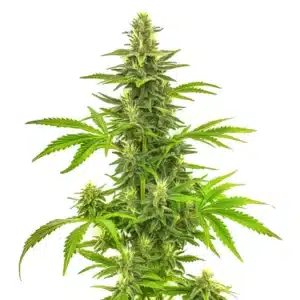
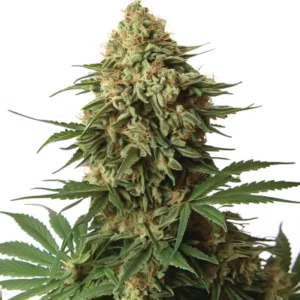
GG4

|
THC | 27% (High) |

|
Type | Feminized |

|
Yield | High |

|
Phenotype | 40% Indica / 60% Sativa |
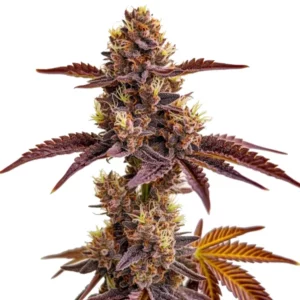
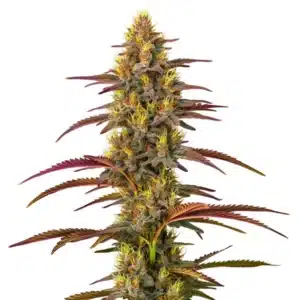
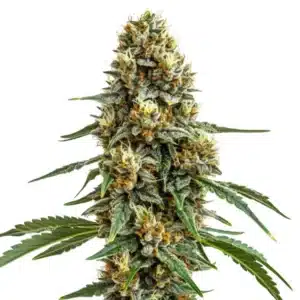
Gorilla Sherbet
|
|
THC | 26% - 30% (High) |
|
|
Type | Feminized |
|
|
Yield | High |
|
|
Phenotype | 70% Indica / 30% Sativa |
How Low Transpiration Affects Nutrient Uptake
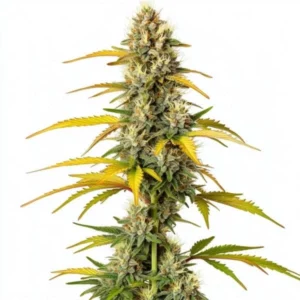
When transpiration is low, the uptake of essential nutrients like nitrogen, phosphorus, and potassium is compromised. This can result in stunted growth, yellowing of leaves, and poor bud development. These symptoms are indicators that your cannabis plant is not thriving.
To combat this, it’s crucial to monitor your grow environment and ensure that conditions such as humidity and temperature are optimized. Keeping a watchful eye on these factors can help you identify and address transpiration issues promptly.
Environmental Factors Influencing Transpiration
High humidity levels can significantly reduce transpiration because the moisture gradient between the plant and the air is minimized. To increase transpiration, reduce humidity using dehumidifiers or ventilation.
Conversely, high temperatures can increase transpiration rates, which may lead to faster dehydration of plants. Striking a balance with temperature control is essential for maintaining optimal transpiration rates.
Promos & Deals
Strategies to Prevent Nutrient Deficiencies
To prevent nutrient deficiencies due to low transpiration, focus on adjusting your grow environment and cultivation practices. Here are some strategies to consider:
Optimizing Humidity and Temperature
Maintaining the ideal humidity and temperature levels is crucial. For instance, during the vegetative stage, aim for 60-70% humidity. In the flowering stage, reduce it to 40-50% to enhance transpiration.
Temperature-wise, keep the grow room between 70-85°F (21-29°C) during the daytime and slightly cooler at night. This range helps in promoting healthy transpiration and nutrient uptake.
Enhancing Airflow and Ventilation
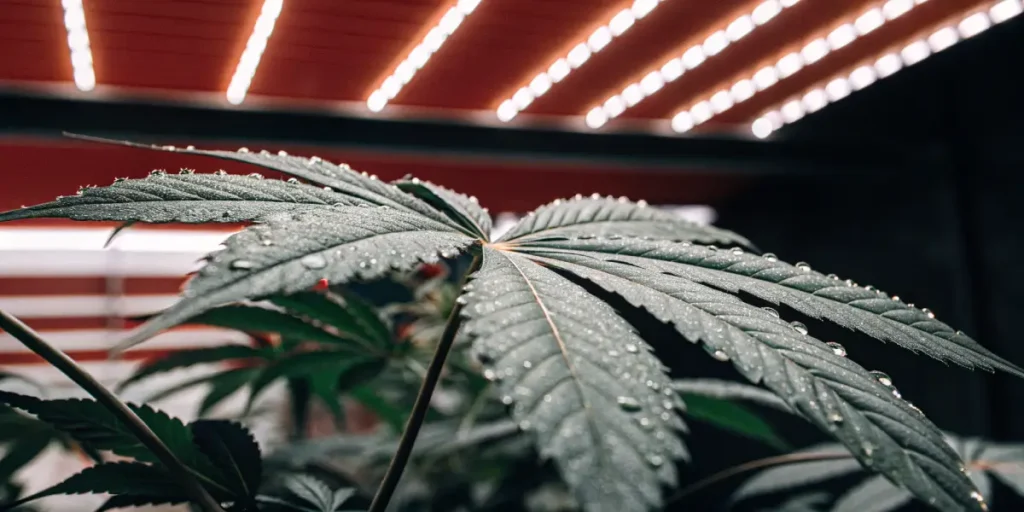
Good airflow ensures that fresh air circulates around your plants, which is vital for both transpiration and overall plant health. Use oscillating fans to maintain a gentle breeze and prevent stagnant air pockets.
Proper ventilation also helps in regulating temperature and humidity, creating a balanced environment that supports healthy plant growth.
Choosing the Right Cannabis Strains
Some cannabis strains are more resilient to environmental stressors than others. Choosing the right strain can make a big difference in how well your plants handle low transpiration conditions.
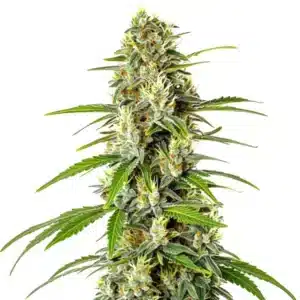
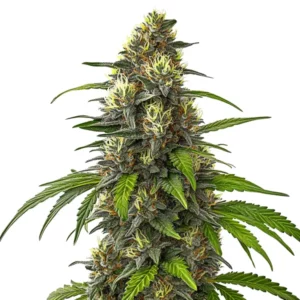
GG4
GG4 is known for its robust nature and resilience. This strain can withstand fluctuations in temperature and humidity, making it a great choice for growers facing low transpiration issues.
Its strong genetic profile allows for better nutrient uptake, even when environmental conditions aren’t perfect. GG4 produces dense, resinous buds, rewarding growers with a bountiful harvest.
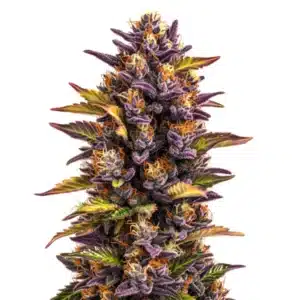
Gorilla Sherbet
Gorilla Sherbet is another excellent strain for managing nutrient deficiencies. Its adaptability to various growing conditions makes it a popular choice among cultivators.
This strain can thrive even with slight environmental shifts, ensuring that your plants continue to absorb nutrients effectively. Expect vibrant, flavorful buds from this resilient strain.
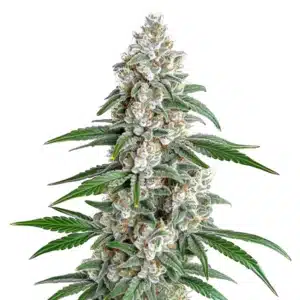
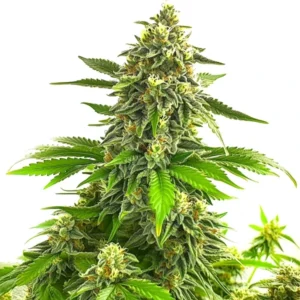
Bruce Banner Fast Version
Bruce Banner Fast Version is ideal for growers who want a quick turnaround without compromising on quality. Its fast growth cycle means less time for deficiencies to take hold.
The strain’s vigorous growth and nutrient uptake capabilities make it suitable for less-than-ideal environments. Enjoy a powerful, aromatic harvest with this fast-growing strain.
Monitoring Plant Health and Making Adjustments
Regularly monitoring your cannabis plants is vital for early detection of nutrient deficiencies. Keep an eye out for symptoms like yellowing leaves, brown spots, or slow growth.
Using Nutrient Supplements Wisely
If you notice signs of deficiencies, consider using nutrient supplements. Products rich in micronutrients can help address specific deficiencies quickly.
However, be cautious not to over-fertilize, as this can lead to nutrient burn and further stress your plants. Follow recommended dosages and observe how your plants respond.
Adjusting Watering Practices
Watering practices can impact transpiration rates. Ensure that your plants are neither overwatered nor underwatered, as both extremes can hinder nutrient uptake.
Check the moisture level of your growing medium regularly and adjust watering schedules accordingly. Consistency is key to maintaining healthy transpiration rates.
FAQs about How can I prevent nutrient deficiencies from low transpiration?
What is transpiration and why is it important for cannabis plants?
Transpiration is the process by which plants absorb water through their roots and release it as vapor through pores in their leaves. This process is crucial for nutrient uptake, as it helps transport nutrients from the soil to various parts of the plant.
Proper transpiration also aids in cooling the plant and maintaining the flow of water and nutrients. Without it, cannabis plants may suffer from nutrient deficiencies and other health issues.
How can I increase transpiration rates in my grow room?
To increase transpiration rates, focus on reducing humidity levels and enhancing airflow. Use dehumidifiers and fans to create an environment that encourages water vapor release from plant leaves.
Ensure that your grow room is well-ventilated, as stagnant air can inhibit transpiration. By optimizing these conditions, you can support healthy nutrient uptake and plant growth.
What are the signs of nutrient deficiencies in cannabis plants?
Common signs of nutrient deficiencies in cannabis plants include yellowing leaves, brown spots, and stunted growth. These symptoms can indicate a lack of essential nutrients like nitrogen, phosphorus, and potassium.
If you observe such signs, it’s important to assess your growing conditions and adjust factors like humidity, temperature, and nutrient levels to address the deficiencies.
Why might some strains handle low transpiration better than others?
Some cannabis strains are genetically predisposed to be more resilient to environmental stressors, including low transpiration. These strains have adapted to various conditions, allowing them to maintain nutrient uptake even when conditions aren’t ideal.
Choosing strains like GG4, Gorilla Sherbet, and Bruce Banner Fast Version can enhance your chances of success in managing low transpiration issues, as they are known for their adaptability and robust growth.
Can nutrient deficiencies be reversed in cannabis plants?
Yes, nutrient deficiencies can often be reversed if caught early and addressed promptly. Making adjustments to your grow environment, such as optimizing humidity and temperature, can help resolve deficiencies.
Additionally, using nutrient supplements and adjusting your watering practices can aid in correcting deficiencies. With careful monitoring and timely interventions, you can restore your cannabis plants to health.