How Big Should Cannabis Be After 1 Month?

Quick answer: After one month, a healthy cannabis plant is usually 6 to 12 inches tall (about 15-30 cm), in early vegetative growth with several sets of leaves and an establishing root system. With ideal conditions, strong light and good soil, some reach up to around 24 inches (60 cm). Genetics, light, soil and container size drive the differences, so a smaller but healthy plant is normal and will accelerate in month two.
At one month old, a cannabis plant has usually just left the delicate seedling phase and entered early vegetative growth, so it is still fairly small: commonly 6 to 12 inches tall (15-30 cm), with a few sets of true leaves and roots spreading out. In great conditions, some vigorous plants push higher, up toward two feet, but there is a wide normal range, and smaller is not a problem at this stage.
Recommended Strains
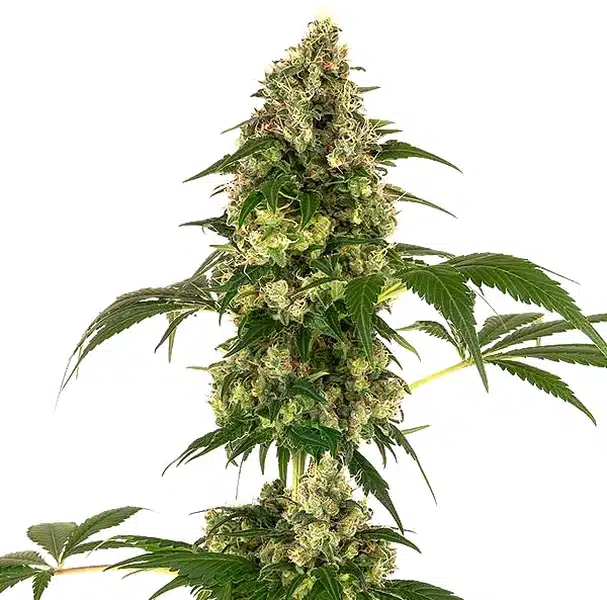
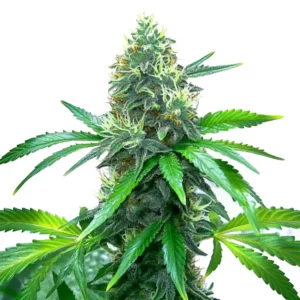
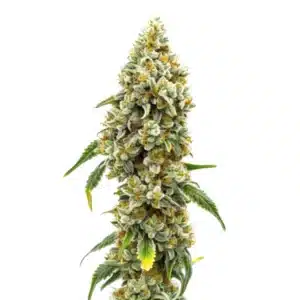
Afghan x Haze

|
THC | 22% - 25% (High) |

|
Type | Feminized |

|
Yield | Medium |

|
Phenotype | 40% Indica / 60% Sativa |
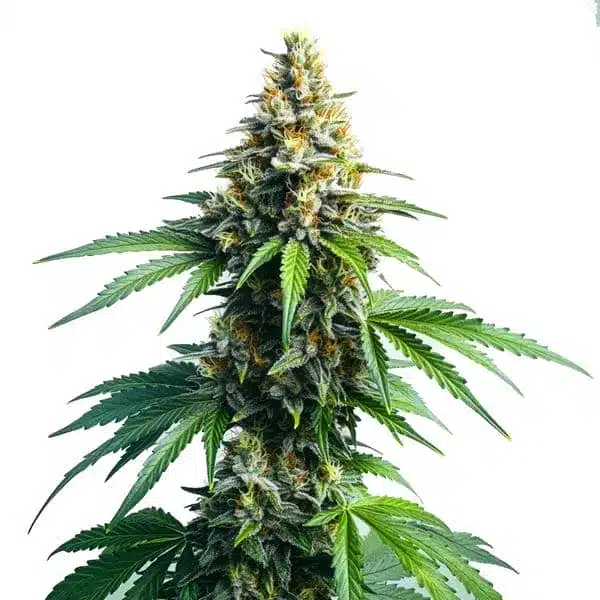
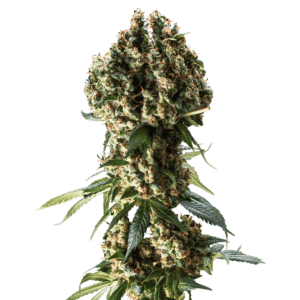
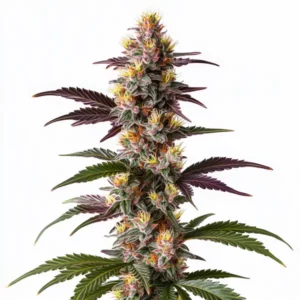
Afghan Kush
|
|
THC | 16% - 21% (Medium) |
|
|
Type | Feminized |
|
|
Yield | High |
|
|
Phenotype | 90% Indica / 10% Sativa |
This guide explains what is typical at one month, the factors that make plants bigger or smaller, and how to keep early growth healthy, plus how it compares to the two-month mark. The first month is about building a strong root system and healthy foundation rather than maximum height, so steady, green, vigorous growth is what you are really looking for.
| At 1 month | What to expect |
|---|---|
| Height | Roughly 6-12 inches (15-30 cm); up to ~24 in with ideal conditions |
| Structure | Early vegetative: several node sets, establishing roots |
| Stage | Seedling just finished; early veg |
| Main drivers | Genetics, light, soil quality, container size |
What a 1-Month-Old Plant Looks Like
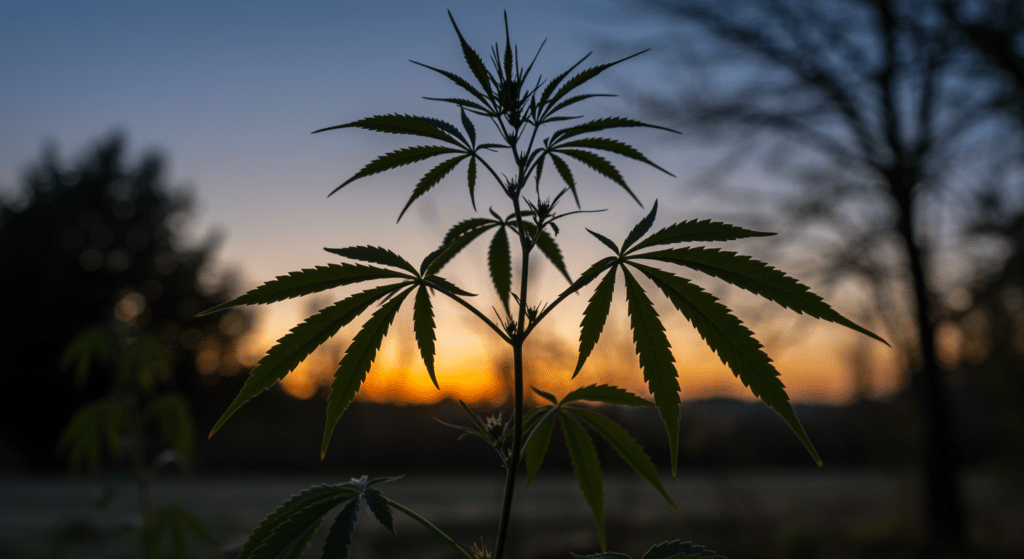
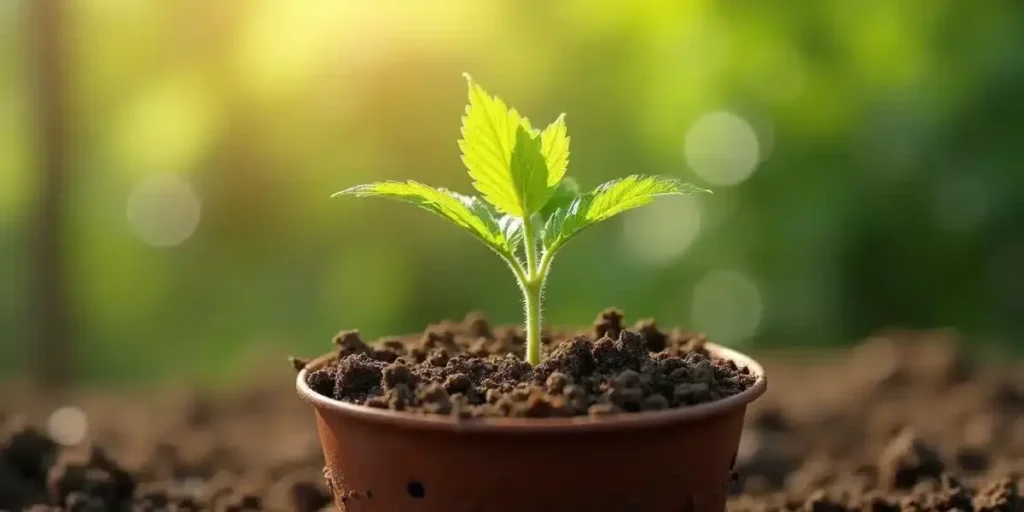
At one month, the plant has typically finished the seedling stage, first true leaves established, and begun vegetative growth in earnest, putting out several node sets of larger fan leaves. Height of 6-12 inches is typical, with a root system that is still developing but spreading. The plant should look green, healthy and upright, not stretched, pale or stalled.
At this age, root development and a strong foundation matter more than raw height. A compact, bushy, healthy one-month plant will outperform a tall, thin, light-starved one later. If growth seems slow, check light, pot size and watering before worrying about height. Growth accelerates noticeably in the second month, see our guide on plant size after 2 months.
Promos & Deals
What Affects Size at 1 Month
Several factors set early size. Genetics come first, some strains are naturally fast and tall, others compact, and autoflowers stay smaller overall on their quick clock. Light is next: strong, ample light (full sun outdoors) drives vigorous growth, while too little causes slow, stretchy plants. Soil quality and container size also matter, rich, living soil and enough root room let a plant grow faster.
Watering and early feeding round it out: consistent, correct watering and a light feed as the plant enters veg support steady growth, while over- or underwatering stalls it. If your one-month plant is small, work through these factors, usually light or pot size is the limiter. For getting the fragile early stage right, see our guide on cannabis seedling care.
How to Encourage Healthy Early Growth
In the first month, your goal is a strong foundation rather than maximum height. Give the young plant plenty of light (but not so intense it stresses a seedling), a well-draining, quality medium, and careful watering, overwatering is the classic early mistake that stalls growth. Feed lightly as it enters vegetative growth; seedlings need little, and too much too soon burns tender plants.
Make sure the container matches the plant’s age so roots can establish without sitting in too much wet soil. Healthy early growth looks compact, green and vigorous, with short internodes, not tall, pale and stretchy (a sign of too little light). Get the fundamentals right this month and the plant will reward you with much faster growth in month two, when it really takes off.
Autoflowers vs Photoperiods at 1 Month
The plant type matters at this stage. A one-month-old photoperiod plant is usually in early-to-mid vegetative growth, still building size before you (or the seasons) trigger flowering, so 6-12 inches is typical. A one-month-old autoflower, however, is often already starting to flower, since autos run on a fixed clock and begin blooming around weeks 4-5 regardless of light, so it may be shorter and already showing pistils.
That means a smaller, flowering autoflower at one month is completely normal and not a problem. Judge your plant against its type: for photoperiods, look for healthy veg growth; for autoflowers, expect the transition toward flowering. Mixing up the two is a common reason growers worry their plant is ‘too small’ when it is actually right on track.
FAQs About Cannabis Plant Growth
How big should my cannabis plants be after 1 month?
Usually 6 to 12 inches tall (about 15-30 cm) in early vegetative growth, with several sets of leaves and establishing roots. In ideal conditions some reach up to around 24 inches. Genetics, light, soil and pot size drive the differences, so a smaller but healthy plant is normal and will speed up in month two.
What does a 1-month-old weed plant look like?
A healthy one-month plant is a small, green, upright early-veg plant, roughly 6-12 inches tall with several node sets of fan leaves and a developing root system. It should look vigorous, not stretched or pale. Autoflowers stay smaller. At this stage a strong foundation matters more than height.
Is my 1-month-old plant too small?
Probably not, 6-12 inches is normal at one month, and health matters more than size. If it is much smaller, stalled or pale, check the usual limiters: not enough light, too small a pot, or over/underwatering. Fix the limiting factor and growth will accelerate, especially heading into the second month.
Why is my 1-month-old plant tall and thin?
Stretchy, pale, thin growth at one month usually means too little light, the plant is reaching for the source. Move it into stronger light (full sun outdoors) or lower your grow light, and it will grow more compact. Leggy early growth is weak, so fixing light now prevents a floppy, fragile plant later.