How Allelopathy Influences Cannabis Seed Selection

Allelopathy is a fascinating plant phenomenon that often goes unnoticed by many growers. It refers to the chemical interactions between plants, where one plant releases compounds that can affect the growth and development of nearby plants. In cannabis cultivation, knowing how allelopathy influences cannabis seed selection is crucial, as it helps growers choose compatible strains and create harmonious growing environments that promote healthy, balanced plant development.
If you’re new to growing or an experienced cultivator, you’ll find that the effects of allelopathy can dramatically impact your cannabis crop. Some plants release chemicals that inhibit growth, while others may promote it. This knowledge is crucial when selecting seeds, as it can determine the success of your harvest.
Recommended Strains

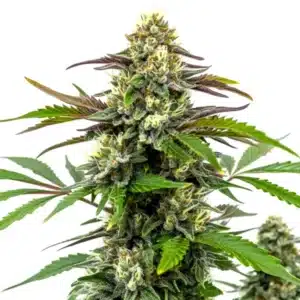
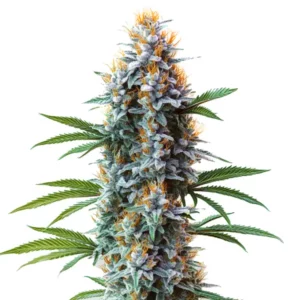
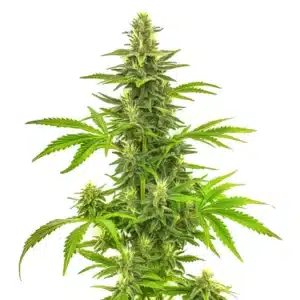
GG4

|
THC | 27% (High) |

|
Type | Feminized |

|
Yield | High |

|
Phenotype | 40% Indica / 60% Sativa |
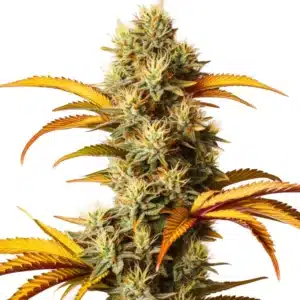
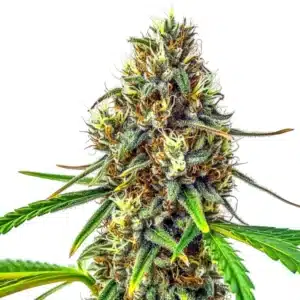
Bruce Banner Fast Version
|
|
THC | 25% - 32% (High) |
|
|
Type | Fast Flowering |
|
|
Yield | Medium |
|
|
Phenotype | 70% Indica / 30% Sativa |
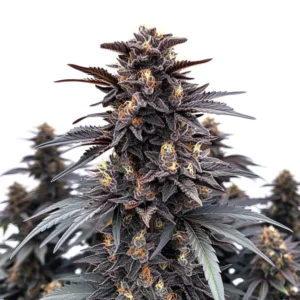
In this article, we’ll dive into how allelopathy influences cannabis seed selection, using examples from popular strains like GG4, Purple Lemonade Autoflower, and Bruce Banner Fast Version. Whether you’re growing in a large garden or a compact grow room, knowing these interactions can help optimize your growing environment.
Knowing Allelopathy in Cannabis Cultivation
Allelopathy involves the release of biochemicals called allelochemicals. These can either suppress or stimulate the growth of neighboring plants. In cannabis cultivation, these interactions can be beneficial or detrimental, depending on the strains involved. Knowing how allelopathy influences cannabis seed selection helps growers choose compatible strains that promote mutual growth, reduce competition, and enhance overall garden health.
Allelopathy Effects on Cannabis Seeds
The effects of allelopathy on cannabis seeds can vary based on strain and growing conditions. Some strains release compounds that can inhibit the germination and growth of competing plants. For instance, GG4 is known for its vigorous growth, which can overshadow other plants in its vicinity.
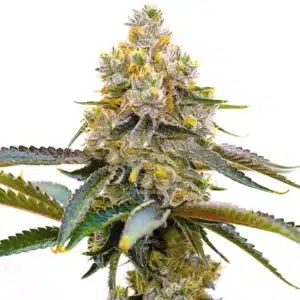
On the other hand, some strains might benefit from the presence of certain plants. The Purple Lemonade Autoflower, for example, may experience enhanced growth when grown alongside compatible plants that release growth-promoting chemicals. These positive interactions can lead to healthier and more productive cannabis yields.
Practical Examples of Allelopathy
In a grow room setting, knowing allelopathy can be the difference between a bountiful yield and a disappointing harvest. Suppose you decide to grow Bruce Banner Fast Version alongside other plants. In that case, it’s important to consider the allelopathic properties of neighboring plants to ensure they don’t hinder Bruce Banner’s robust growth.
Consider using companion planting strategies to harness the positive effects of allelopathy. Some non-cannabis plants can provide benefits by suppressing weeds or pests, indirectly boosting the growth of your cannabis plants. Incorporating these strategies can lead to a more harmonious growing environment.
Promos & Deals
Selecting Cannabis Seeds with Allelopathy in Mind
When selecting cannabis seeds, it’s essential to consider how allelopathy can impact their development. Knowing the chemical interactions between different plant species can guide you in choosing the right seeds for your grow space.
Choosing Compatible Strains
Choosing strains with compatible allelopathic properties is crucial. For instance, if you’re growing GG4, you may want to avoid planting it with strains that are sensitive to its aggressive growth pattern. Instead, pair it with sturdier strains like Bubble Gum Sherb that can thrive alongside it.
Likewise, growing strains like Purple Lemonade Autoflower can benefit from being near plants that have a protective or growth-stimulating effect. Knowing these interactions can lead to a more efficient use of your growing space and resources.
Evaluating Seed Traits
When evaluating cannabis seeds, consider their genetic traits that might influence allelopathic interactions. Strains like Bruce Banner Fast Version are known for their rapid growth and might require careful consideration of neighboring plants to ensure optimal growth.
Additionally, consider the overall ecosystem of your grow area. By knowing the allelopathic tendencies of the plants involved, you can create a balanced environment that supports the growth and health of your cannabis plants.

Optimizing Grow Room Conditions for Allelopathy
Creating the right environment in your grow room can enhance the positive effects of allelopathy. By controlling factors like spacing, light, and soil composition, you can influence how allelopathic interactions play out in your cannabis cultivation.
Managing Plant Spacing
Proper spacing is critical when managing allelopathic interactions. If plants are too close, the risk of negative interactions increases. For instance, strains like GG4 Feminized require enough space to avoid overshadowing other plants, allowing each to thrive.
On the other hand, strategically placing compatible plants closer together can enhance beneficial allelopathic effects. This can lead to a more productive and healthier crop, maximizing your grow room’s potential.
Adjusting Environmental Factors
Environmental factors such as light, temperature, and humidity can influence allelopathic interactions. Ensuring optimal conditions for each strain can mitigate negative interactions and promote healthy growth. For example, Bruce Banner Fast Version may thrive in slightly cooler temperatures compared to other strains.
Monitoring and adjusting these factors can help manage allelopathic effects, ensuring your cannabis plants grow to their full potential. Consistent environmental control is key to harnessing the benefits of allelopathy in your grow room.
FAQs about How allelopathy influences cannabis seed selection
What is allelopathy and how does it affect cannabis seed selection?
Allelopathy is the process where plants release chemicals that can affect the growth of nearby plants. In cannabis cultivation, this means that some plants might inhibit or promote the growth of others based on these chemical interactions. Knowing allelopathy helps growers choose compatible cannabis seeds that can thrive together, leading to a more productive yield.
For first-time seed buyers, being aware of allelopathy can prevent common pitfalls, such as planting strains too close together that might negatively affect each other. It’s a crucial factor in making informed decisions about which seeds to purchase, ensuring that you achieve the best possible results in your growing environment.
How can I identify allelopathic plants in my garden?
Identifying allelopathic plants involves observing their growth patterns and effects on surrounding plants. If a particular plant seems to dominate or suppress other plants, it might possess allelopathic properties. Researching strain-specific information can also help, as some cannabis strains are more prone to exhibit these traits.
In a cannabis garden, you might notice that some strains grow more vigorously or appear to stunt the growth of others. Keeping track of these interactions can help you adjust your planting strategies, ensuring a balanced and healthy garden.
Can allelopathy be used to benefit cannabis cultivation?
Yes, allelopathy can be beneficial in cannabis cultivation when managed correctly. By selecting strains with compatible allelopathic properties, you can create a symbiotic growing environment. This can enhance plant health, reduce pest issues, and promote higher yields.
Companion planting is one method to leverage allelopathy. By planting cannabis alongside non-cannabis plants that have beneficial effects, you can naturally improve the growing conditions and support your cannabis plants’ development.
Are there any drawbacks to allelopathy in cannabis growing?
While allelopathy can offer benefits, there are potential drawbacks if not managed properly. Negative interactions can occur if incompatible strains are planted too closely, leading to inhibited growth or even plant damage. Therefore, knowing the specific needs and traits of each cannabis strain is crucial.
Additionally, the effects of allelopathy are not always predictable. Environmental factors, soil conditions, and plant density can all influence these interactions, making it essential for growers to monitor their plants closely and adjust their strategies as needed.
What steps can I take to manage allelopathy in my grow room?
To manage allelopathy effectively, start by researching the strains you plan to grow, paying attention to their known interactions with other plants. Ensure adequate spacing to minimize negative interactions and promote positive ones. Consider using companion plants strategically to leverage beneficial allelopathic effects.
Regularly monitor your grow room conditions, adjusting light, temperature, and humidity to create an optimal environment. By being proactive and informed, you can manage allelopathy to your advantage, leading to a healthier and more productive cannabis crop.