How to Flush Cannabis Plants

Quick answer: flushing means watering cannabis with plain, pH-balanced water (no nutrients) in the final one to two weeks before harvest so the plant uses up stored salts and nutrients. The payoff is a smoother, cleaner-tasting, better-burning final product, not higher THC. Timing depends on your medium, soil needs longer than coco or hydro. Below is why it works, how to do it, and the mistakes to avoid.
Why Flushing Matters
Flushing clears built-up salts and nutrients from the plant’s system before harvest, which lets the natural flavor and aroma come through. The main benefit is a smoother smoke with less harshness or chemical taste, as the plant draws down its internal reserves. It is a simple finishing step that noticeably improves the quality of the final product.
Recommended Strains

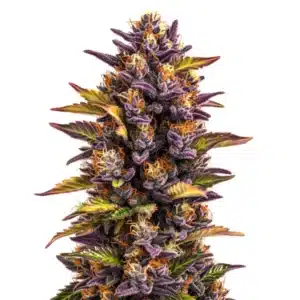
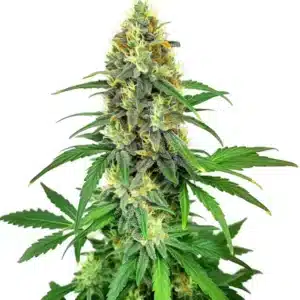
24K Gold Regular

|
THC | 19% - 22% (Medium) |

|
Type | Regular |

|
Yield | High |

|
Phenotype | 60% Indica / 40% Sativa |

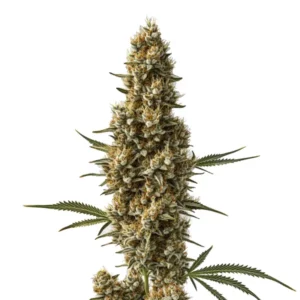
24k Gold Autoflower
|
|
THC | 18% - 24% (High) |
|
|
Type | Autoflowering |
|
|
Yield | High |
|
|
Phenotype | 40% Indica / 60% Sativa |
Effect on Quality
A proper flush improves purity and smoothness, letting terpenes express the strain’s true character without the taste of excess nutrients. It does not raise THC or CBD, those are set by genetics and the grow, but by removing residual salts it supports a cleaner, better-tasting, better-burning bud. Think of flushing as polishing the final product rather than boosting potency.
Promos & Deals

How to Flush: Water-Only Method
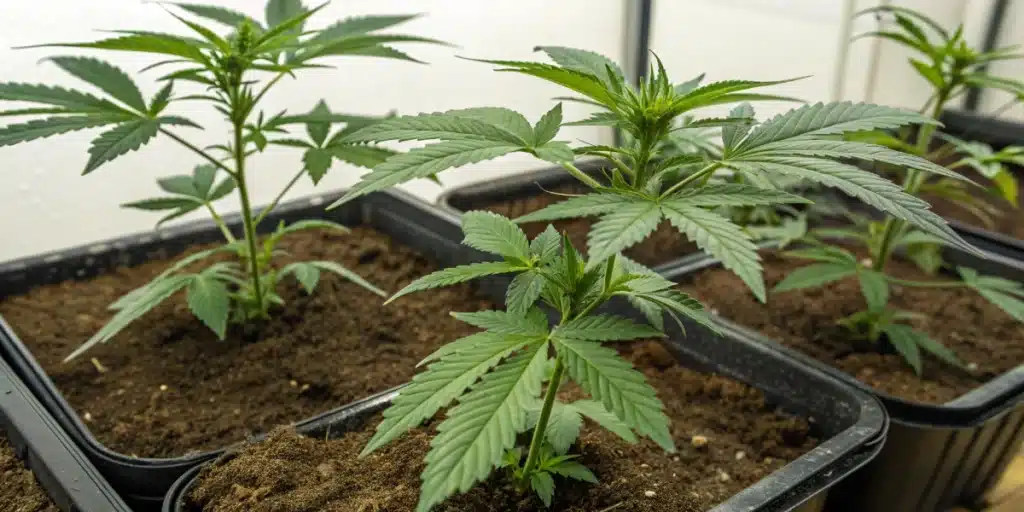
The simplest approach is to stop all nutrients and water with plain water for the final stretch, letting the plant flush impurities over several waterings. Start about one to two weeks before harvest, and use clean, chlorine-free (filtered or dechlorinated) water so nothing interferes. Watch the plant’s response to judge when it is adequately flushed.
Flushing Agents
Some growers add a commercial flushing agent that binds salts to speed their removal, which can shorten the process. Choose one compatible with your setup and strain, follow the instructions, and note that plain water is perfectly effective for most growers; agents mainly help larger or time-pressed operations.
Preparing to Flush
Before flushing, check the plant’s health for nutrient burn, pests or other stress, and note leaf color, since healthy plants recover and use their reserves best. Some late-flower yellowing is normal as the plant draws down nitrogen. A quick health check helps you time and tailor the flush for the cleanest finish.
Dial In Conditions
Keep the environment stable during the flush: steady temperature and humidity and good airflow reduce stress, and some growers slightly lower light intensity to ease the plant’s metabolism so it uses stored nutrients. A calm, consistent environment helps the flush do its job without shocking the plant close to harvest. The table below shows typical flush timing by medium.
When to Start Flushing by Trichomes
Timing the flush to ripeness matters as much as the calendar. Rather than counting days alone, watch the trichomes: begin flushing as they shift from clear to mostly milky, so the plain-water period lines up with peak ripeness. In soil, start about one to two weeks out; in coco or hydro, a few days is usually enough because they hold fewer nutrients. Starting too early can cause premature yellowing and some quality loss, while starting too late leaves a harsher taste. Letting trichome color guide you keeps the flush synced with the harvest window for the cleanest finish.
Common Flushing Mistakes
The usual errors are flushing for too long (excessive yellowing and lost quality), not flushing at all (harsh, chemical-tasting smoke, especially with synthetics), using chlorinated or unbalanced water that interferes with the process, and overwatering during the flush and drowning the roots. In living, organic soil, heavy flushing is largely unnecessary and can even strip beneficial soil life. Match the flush to your medium, use clean pH-balanced water, and water normally rather than drowning the plant. Avoiding these mistakes is what separates a clean, smooth finish from a disappointing one.
| Medium | Flush length | Notes |
|---|---|---|
| Soil | ~1-2 weeks | Holds nutrients longest |
| Coco coir | ~3-7 days | Drains fast; shorter flush |
| Hydroponics | ~3-7 days | Plain pH water in reservoir |
| Living/organic soil | Minimal | Soil biology buffers; less needed |
After the Flush
During and after flushing, watch leaf color, bud development and overall vigor to confirm it is working, and expect some fading leaves as the plant consumes reserves. Keep conditions stable and judge harvest by trichomes. Good post-flush monitoring ensures the buds finish clean with no residual chemicals in the final product.

FAQs about How to Flush Cannabis Plants before Harvest
How long should you flush cannabis before harvest?
In soil, about one to two weeks of plain pH-balanced water is typical; coco and hydro need only a few days to a week because they hold fewer nutrients. Living-soil grows may need little or none. Time the flush to your medium and judge ripeness by trichomes.
Does flushing increase potency?
No. Flushing does not raise THC or CBD, which are set by genetics and growing conditions. What it does is remove residual salts and nutrients for a smoother, cleaner-tasting, better-burning final product. The improvement is in flavor and smoothness, not strength.
Can you flush cannabis too much?
Over-flushing for too long can cause excessive nutrient loss and premature yellowing that may slightly reduce quality, while under-flushing leaves a harsher taste. Sticking to the typical window for your medium, and watching the plant, avoids both extremes for a clean finish.
Do you need to flush in organic living soil?
Usually not much. In healthy living soil, the soil biology buffers nutrients and the plant draws them down naturally, so a long synthetic-style flush is largely unnecessary and can even harm beneficial microbes. A light finish with plain water is plenty. Heavy flushing matters most with bottled synthetic nutrients.
What happens if you don’t flush before harvest?
With synthetic nutrients, skipping the flush often leaves buds harsher, with a chemical or salty taste and a less even burn, because residual nutrients stay in the plant. The effect is on flavor and smoothness rather than potency. In rich living soil, the difference is smaller since the plant draws nutrients down naturally.
Should you flush autoflowers?
Yes, the same logic applies: give autoflowers plain pH-balanced water for roughly the last week to clear residual salts for a smoother finish. Their short, fixed cycle means timing it by trichome ripeness matters, so start as trichomes turn mostly milky rather than on a strict day count.
Can you use molasses when flushing cannabis?
Some soil and organic growers add unsulfured blackstrap molasses during the final weeks to feed soil microbes and support a clean, flavorful finish, though it is optional and not a true nutrient flush. In hydro or with synthetics, stick to plain pH-balanced water. If you try molasses, use small amounts and watch the plant.