Explore the Amazing Environmental Benefits of Growing Cannabis

When you think about cannabis, the environmental benefits of growing cannabis might not be the first thing that comes to mind. However, this versatile plant offers more than just recreational and medicinal benefits. It plays a significant role in promoting environmental sustainability. Whether you’re a first-time cannabis seed buyer or an experienced grower, knowing the positive impact on our ecosystem can enhance your cultivation practices.
One of the most remarkable environmental benefits of growing cannabis is its potential for carbon sequestration. In simple terms, carbon sequestration is the process of capturing and storing atmospheric carbon dioxide. Cannabis plants are highly efficient at this due to their fast growth rates and large biomass production. These plants absorb CO2 from the atmosphere and store it, helping mitigate climate change. As they grow, they act as natural air purifiers, contributing to a cleaner atmosphere.
Recommended Strains

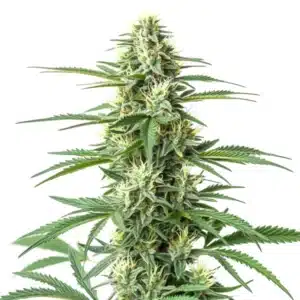
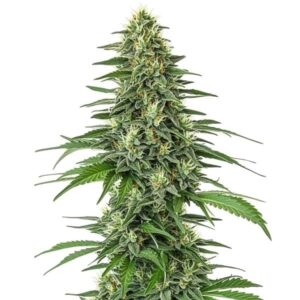
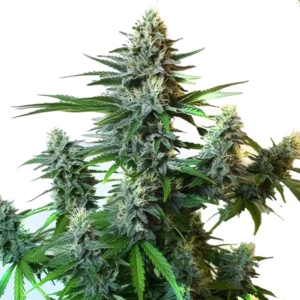
Green Crack

|
THC | 21% (Medium) |

|
Type | Feminized |

|
Yield | High |

|
Phenotype | 35% Indica / 65% Sativa |
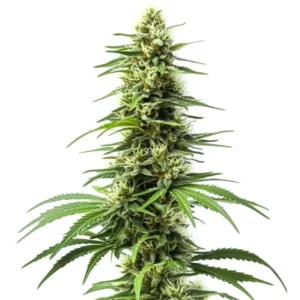
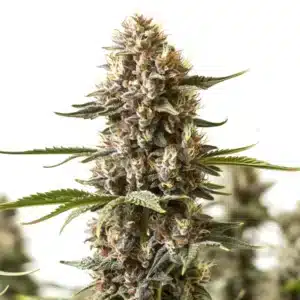
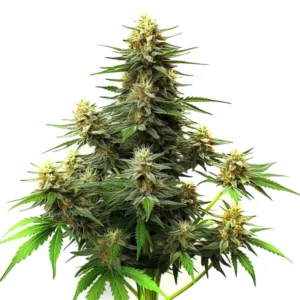
Harlequin
|
|
THC | 3% - 6% (Low) |
|
|
Type | Feminized |
|
|
Yield | High |
|
|
Phenotype | 25% Indica / 75% Sativa |
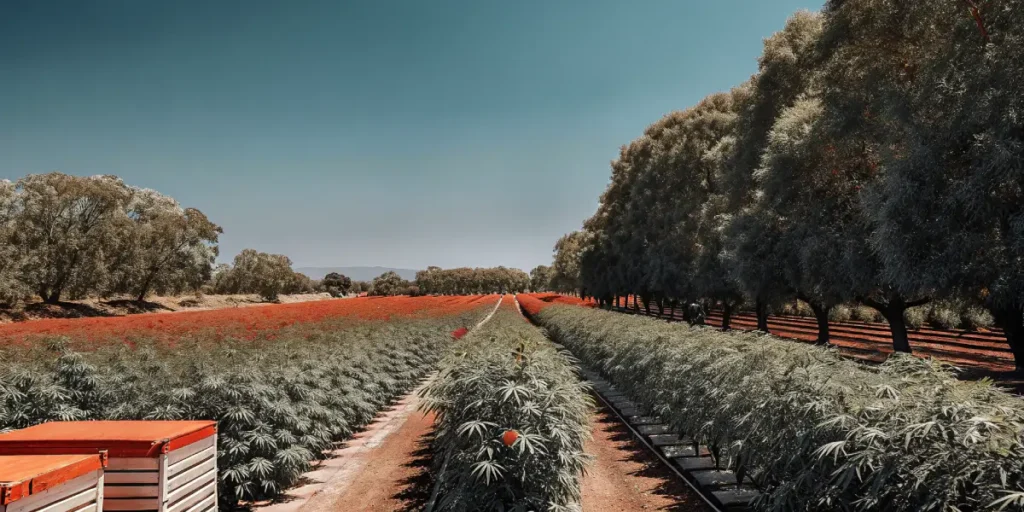
Cannabis cultivation also improves soil health. Through a process called cannabis soil health improvement, these plants enhance the quality of the soil they grow in. The roots of cannabis plants help prevent soil erosion, and their organic matter enriches the soil, making it more fertile. This leads to healthier plant growth and reduces the need for chemical fertilizers, promoting sustainable agriculture cannabis farming.
Increasing Biodiversity with Cannabis Cultivation
Growing cannabis can significantly increase biodiversity in agricultural settings. Biodiversity increase cannabis cultivation is a key benefit that supports a balanced ecosystem. By introducing cannabis into your garden, you create a habitat for various insects and wildlife. This diversity not only benefits the cannabis plants but also supports other crops.
For example, cannabis attracts pollinators like bees and butterflies. These insects play a crucial role in pollinating plants, which is essential for food production. Moreover, cannabis provides a habitat for beneficial insects that prey on common pests, reducing the need for chemical pesticides. This natural pest control method is a win-win situation for growers and the environment.
Besides to pollinators, cannabis cultivation fosters a microhabitat that encourages the presence of soil organisms such as earthworms and mycorrhizal fungi. These organisms aid in breaking down organic matter and enhancing soil fertility, further driving the cannabis soil health improvement process. By fostering a biodiverse environment, cannabis farmers can enjoy more resilient and productive agricultural ecosystems.
The variety of life that cannabis supports also extends to larger wildlife. Birds and small mammals may find shelter among cannabis fields, adding another layer of biodiversity. This interaction creates a more sustainable and balanced ecosystem where each species plays a role in maintaining the ecological health. The environmental benefits of growing cannabis are far-reaching, promoting biodiversity and ecological harmony.
The Function of Hemp in Phytoremediation
Hemp, a variety of cannabis, is particularly effective in phytoremediation. This is the process of using plants to clean up soil, air, and water contaminated with hazardous chemicals. Hemp phytoremediation environmental benefits are significant, as these plants can absorb heavy metals and toxins from the soil, making them ideal for rehabilitating polluted land.
An excellent example of hemp’s phytoremediation capabilities is its use in the Chernobyl nuclear disaster site. There, hemp was planted to remove radioactive elements from the soil. This demonstrates the plant’s potential to restore ecosystems to health. Growers can utilize these benefits to improve their land’s quality while cultivating a valuable crop.
The application of hemp for soil remediation is not limited to radioactive sites. Urban and industrial areas, often plagued by heavy metal contamination, can benefit from hemp’s ability to extract pollutants. This not only helps in environmental restoration but also transforms previously unusable land into arable soil suitable for sustainable agriculture cannabis farming.
Moreover, hemp’s rapid growth and resilience make it an ideal candidate for large-scale phytoremediation projects. Its deep root systems can break up compacted soil, promoting better water infiltration and reducing erosion. By integrating hemp into environmental remediation strategies, we can leverage the hemp phytoremediation environmental benefits to revitalize degraded landscapes and contribute to global ecological health.
Promos & Deals
Practical Examples of Sustainable Cannabis Farming
Sustainable agriculture cannabis farming practices are essential for maintaining ecological balance. By choosing sustainable methods, growers can reduce their environmental footprint while enjoying the benefits of cannabis cultivation. One practical approach is to use organic fertilizers and natural pest control methods.
Another example is water conservation. Cannabis plants require significant amounts of water, but growers can minimize waste by implementing efficient irrigation systems. Drip irrigation, for instance, delivers water directly to the roots, reducing evaporation and water runoff. This method ensures that cannabis plants receive the necessary hydration without depleting local water resources.
Incorporating permaculture principles into cannabis farming can further enhance sustainability. By designing gardens that mimic natural ecosystems, growers can create self-sustaining environments that require minimal external inputs. This not only decreases the reliance on synthetic fertilizers and pesticides but also promotes biodiversity increase cannabis cultivation, which is vital for long-term ecological health.
Another innovative sustainable practice is the use of renewable energy sources in cannabis cultivation. Solar panels, wind turbines, and other green energy solutions can power indoor growing operations, drastically reducing the carbon footprint associated with traditional growing methods. By integrating renewable energy, growers can align their operations with the environmental benefits of growing cannabis, contributing to a cleaner, more sustainable future.
Cannabis Strains That Support Environmental Sustainability
When selecting cannabis strains, consider those that offer environmental benefits. For example, the Green Crack strain from Blimburn Seeds is known for its vigorous growth and resilience. This strain thrives in various conditions, making it ideal for sustainable farming practices. Its fast growth cycle also allows for multiple harvests per year, maximizing yield with minimal environmental impact.
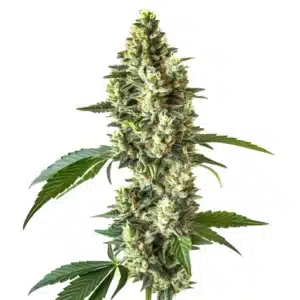
Another excellent choice is the Blue Dream strain, also available from Blimburn Seeds. This strain is famous for its high yield and resistance to pests and mold. By choosing resilient strains, growers can reduce the need for chemical interventions and promote a more eco-friendly cultivation process. Additionally, Blue Dream’s adaptability makes it suitable for different climates, further supporting sustainable agriculture.
The Critical Mass strain is another exemplary option for eco-conscious growers. Known for its dense foliage and high biomass production, it enhances the carbon sequestration cannabis plants process, aiding in atmospheric CO2 reduction. Its robust structure allows it to withstand various environmental stressors, making it a sustainable choice with a significant ecological footprint.
Furthermore, strains like Harlequin from Blimburn Seeds offer unique benefits with their high CBD content and resilience. These strains are often cultivated for their medicinal properties, providing both economic and environmental benefits. By selecting such strains, growers can support the dual objectives of achieving high-quality yields and minimizing environmental impact, aligning with the broader goal of sustainable agriculture cannabis farming.

Maximizing Environmental Benefits with Cannabis
To fully harness the environmental benefits of growing cannabis, it’s essential to adopt best practices. One approach is crop rotation, which involves alternating cannabis with other crops. This practice prevents soil depletion and helps maintain nutrient balance. It also supports biodiversity by attracting different plant and animal species to the area.
Companion planting is another effective strategy. By growing cannabis alongside other plants, such as clover or legumes, you can improve soil nitrogen levels naturally. These companion plants fix nitrogen in the soil, reducing the need for synthetic fertilizers. This technique not only benefits the cannabis plants but also enhances the overall health of your garden.
Implementing integrated pest management (IPM) is crucial for maximizing environmental benefits. IPM involves using a combination of biological, cultural, and mechanical control methods to manage pests, reducing the reliance on chemical pesticides. This approach aligns with sustainable agriculture cannabis farming, promoting healthier ecosystems and reducing environmental pollution.
Additionally, employing no-till farming techniques can further enhance soil health by minimizing soil disturbance. This practice preserves the soil structure, enhances carbon sequestration cannabis plants, and maintains beneficial microorganisms. By integrating no-till methods into cannabis cultivation, growers can achieve more sustainable and environmentally friendly outcomes, contributing to the long-term health of our planet.
FAQs about environmental benefits of growing cannabis
What are the environmental benefits of growing cannabis?
Growing cannabis offers several environmental benefits, including carbon sequestration, soil health improvement, and increased biodiversity. Cannabis plants absorb significant amounts of CO2, helping mitigate climate change. Their root systems prevent soil erosion and enhance soil fertility, reducing the need for chemical fertilizers. Additionally, cannabis cultivation supports diverse ecosystems by attracting pollinators and beneficial insects.
By adopting sustainable farming practices, growers can further maximize these environmental benefits. Techniques such as crop rotation, companion planting, and water conservation contribute to a healthier planet. Choosing resilient cannabis strains, like those from Blimburn Seeds, also supports eco-friendly cultivation.
Moreover, the integration of innovative farming methods like renewable energy use and permaculture principles enhances the environmental benefits of growing cannabis. These practices reduce the carbon footprint and foster a more balanced ecosystem, ensuring the long-term sustainability of cannabis cultivation.
The environmental benefits extend beyond individual farms, contributing to global efforts in combating climate change and preserving biodiversity. As more growers recognize these advantages, the potential for large-scale positive environmental impact increases, highlighting the function of cannabis in sustainable agriculture.
How does cannabis contribute to soil health improvement?
Cannabis plants enhance soil health through their extensive root systems and organic matter production. The roots prevent soil erosion and improve soil structure, while the plant’s organic matter enriches the soil with nutrients. This leads to healthier plant growth and reduces the reliance on synthetic fertilizers.
Moreover, cannabis cultivation encourages the growth of beneficial microorganisms in the soil. These microorganisms support nutrient cycling and improve soil fertility. By enhancing soil health, cannabis farming promotes sustainable agriculture and more robust ecosystems.
Another key aspect of cannabis soil health improvement is its ability to support the growth of cover crops. These plants can be grown in tandem with cannabis to fix nitrogen and add organic matter to the soil, further enhancing its fertility. This symbiotic relationship reduces the need for chemical inputs, promoting a more sustainable cultivation approach.
The environmental benefits of growing cannabis also include its role in soil remediation. Cannabis can thrive in marginal soils with low fertility, gradually improving soil quality over time. This characteristic makes it an ideal crop for restoring degraded lands, contributing to broader ecological restoration efforts.
Can cannabis cultivation increase biodiversity?
Yes, cannabis cultivation can significantly increase biodiversity. By providing a habitat for various insects and wildlife, cannabis supports a balanced ecosystem. The presence of pollinators like bees and butterflies is crucial for the pollination of many plants, contributing to food production and ecological health.
Additionally, cannabis plants attract beneficial insects that prey on common pests, reducing the need for chemical pesticides. This natural pest control method benefits both the environment and the grower, promoting a more sustainable approach to agriculture.
Beyond insects and wildlife, cannabis fields can serve as corridors for larger species, facilitating movement and genetic exchange between isolated populations. This connectivity is essential for maintaining healthy wildlife populations and contributes to the overall biodiversity increase cannabis cultivation.
Cannabis can also coexist with other crops in agroforestry systems, promoting biodiversity by integrating multiple plant species. This approach not only enhances ecosystem stability but also increases the resilience of agricultural landscapes to environmental changes, further underscoring the environmental benefits of growing cannabis.
What is hemp phytoremediation, and how does it benefit the environment?
Hemp phytoremediation is the process of using hemp plants to clean up contaminated soil, air, and water. Hemp can absorb heavy metals and toxins from the soil, making it ideal for rehabilitating polluted land. This process restores ecosystems to health and prevents further pollution by reducing the need for synthetic inputs.
Hemp’s phytoremediation capabilities have been demonstrated in areas like the Chernobyl nuclear disaster site, where it was used to remove radioactive elements from the soil. By incorporating hemp into farming practices, growers contribute to a healthier planet while cultivating a valuable crop.
Besides to its pollutant absorption capabilities, hemp’s robust growth helps stabilize soil and prevent erosion in areas with degraded landscapes. Its dense root network binds the soil together, reducing runoff and preserving topsoil, which is crucial for long-term agricultural sustainability.
As hemp gains recognition for its environmental benefits, more research and development efforts are focused on optimizing its use in phytoremediation. This ongoing innovation promises to enhance the hemp phytoremediation environmental benefits, offering scalable solutions for restoring contaminated sites worldwide.
How can growers maximize the environmental benefits of cannabis cultivation?
To maximize the environmental benefits of cannabis cultivation, growers should adopt sustainable practices like crop rotation and companion planting. Crop rotation prevents soil depletion and maintains nutrient balance, while companion planting improves soil nitrogen levels naturally.
Water conservation is another crucial aspect. Efficient irrigation systems, such as drip irrigation, minimize water waste and ensure the plants receive adequate hydration. By choosing resilient cannabis strains and using organic fertilizers, growers can further enhance the sustainability of their cultivation practices.
Incorporating technology, such as smart farming tools and data analytics, can further optimize resource use, improving efficiency and minimizing the environmental footprint. These tools allow for precision agriculture, where inputs are applied only when necessary, aligning with the principles of sustainable agriculture cannabis farming.
Community engagement and education also play a role in maximizing environmental benefits. By sharing knowledge and collaborating with other growers, communities can collectively adopt best practices for sustainable cannabis cultivation, amplifying the positive impact on the environment at a regional or even global scale.