
Expert Tips: Boost Nutrient Buffering Capacity in Cannabis Soils

Nutrient buffering capacity in cannabis soils is a game-changer for growers. It determines how well your soil can hold nutrients and supply them to your plants over time. When soil has a good buffering capacity, it means nutrients are released steadily, leading to healthier cannabis plants. This helps prevent nutrient leaching, a common issue where valuable nutrients wash away with water.
Buffering capacity isn’t just about holding nutrients. It’s also about maintaining stable pH levels. Cannabis plants are sensitive to pH variations. If the soil’s pH swings too much, nutrient absorption can be negatively affected. Ensuring a stable pH means your plants can access everything they need without interference.
Recommended Strains

GG4

|
THC | 27% (High) |

|
Type | Feminized |

|
Yield | High |

|
Phenotype | 40% Indica / 60% Sativa |

Girl Scout Cookies
|
|
THC | 18% - 25% (Medium) |
|
|
Type | Feminized |
|
|
Yield | High |
|
|
Phenotype | 60% Indica / 40% Sativa |
Think of it like a battery that releases energy consistently. When the soil functions as a nutrient battery, your plants enjoy a steady diet. This results in stronger growth, better yields, and robust plants that resist diseases. Let’s dive into how you can enhance the buffering capacity of your cannabis soil.
Improving Soil Buffering for Cannabis Farming
To improve soil buffering for cannabis farming, start with testing your soil. Knowing the current pH and nutrient levels gives you a baseline. Most cannabis strains prefer a slightly acidic soil, with pH levels between 6.0 and 7.0. If your soil tests outside this range, consider adding lime to raise the pH or sulfur to lower it.
Incorporating organic matter is another effective way. Compost and well-rotted manure not only improve nutrient retention but also enhance soil structure. This results in better aeration and drainage, which are key for healthy root systems. A well-aerated soil allows roots to access nutrients more efficiently, boosting the overall nutrient buffering capacity.
Additionally, using amendments like rock phosphate or bone meal can enhance soil nutrient retention in cannabis cultivation by providing a slow release of essential minerals. These amendments improve the long-term fertility of the soil, ensuring cannabis plants have a reliable nutrient source over their growth cycle. Regular monitoring and adjusting of soil conditions can also help mitigate issues before they impact plant health.
Another strategy is to use mycorrhizal fungi, which form a symbiotic relationship with plant roots. These fungi enhance nutrient uptake, particularly phosphorus, which is crucial for flowering and bud development in cannabis plants. By improving the efficiency of nutrient absorption, mycorrhizal fungi play a vital role in enhancing buffering capacity in cannabis soil.
Promos & Deals




Enhancing Buffering Capacity in Cannabis Soil
One practical tip is to use biochar. Biochar is a type of charcoal that’s added to soil. It’s porous and can hold nutrients and water effectively. When mixed into cannabis soils, it increases nutrient retention and improves pH stability. This is particularly useful for strains like GG4 from Blimburn Seeds, known for its nutrient demands.
Mulching is another technique. Applying a layer of organic material on the soil surface reduces moisture loss and adds nutrients as it breaks down. Mulching with leaves or straw can slowly contribute to the soil’s nutrient pool, benefiting the nutrient buffering capacity in cannabis soils.
Integrating worm castings into your soil mix is another way to enhance buffering capacity. Worm castings are rich in nutrients and beneficial microbes that improve soil health and nutrient availability. This natural amendment boosts soil fertility and structure, leading to improved plant growth and resilience.
Consider using natural enzymes and beneficial bacteria to further enhance nutrient cycling in the soil. These microorganisms break down organic matter, making nutrients more available to cannabis plants. This process not only optimizes nutrient buffering for cannabis growth but also supports a healthy soil ecosystem.
Optimizing Nutrient Buffering for Cannabis Growth
Regular soil testing is crucial for optimizing nutrient buffering for cannabis growth. By monitoring nutrient levels and pH, you can make informed decisions. Adjusting your fertilization strategy based on these results can significantly enhance soil nutrient retention in cannabis cultivation.
Another key factor is selecting the right soil amendments. Products like perlite or vermiculite can improve aeration and retention of nutrients and water. These amendments are particularly beneficial when growing strains such as Amnesia Haze, which requires a well-balanced soil environment.
Implementing a strategic watering schedule can also optimize nutrient buffering. Over-watering can lead to nutrient leaching, while under-watering stresses the plant. Finding the right balance ensures that nutrients remain available in the soil, supporting healthy growth.
Additionally, using organic teas or liquid fertilizers can provide a quick boost of nutrients when needed. These supplements can be tailored to the specific needs of your cannabis plants, allowing for precise management of nutrient availability and uptake.
Benefits of Nutrient Buffering in Cannabis Soils
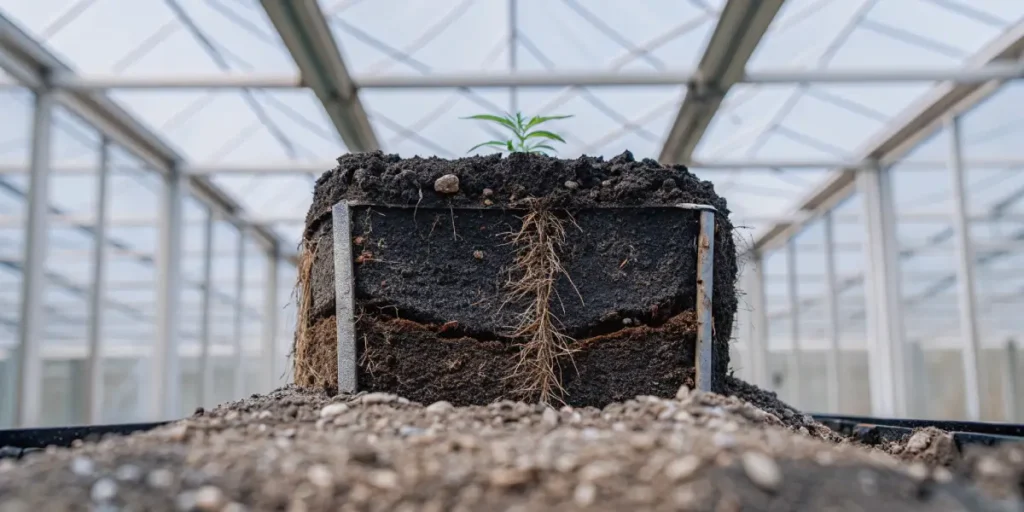
One of the main benefits of nutrient buffering in cannabis soils is the enhanced growth and yield of your plants. When nutrients are steadily available, plants grow stronger and produce bigger, more potent buds. This is especially beneficial for high-yielding strains that require consistent nutrient supply.
Nutrient buffering also contributes to environmental sustainability. By reducing nutrient leaching, you’re minimizing the chances of pollution in nearby water bodies. This eco-friendly aspect is an important consideration for responsible cannabis cultivators.
Moreover, maintaining a strong nutrient buffering capacity in cannabis soils reduces the need for frequent fertilization, lowering overall cultivation costs. This economic benefit can be significant for large-scale growers looking to optimize resource use while maximizing output.
Furthermore, a robust nutrient buffering system can help mitigate the impact of environmental stresses, such as drought or extreme temperatures. By ensuring that plants have access to the nutrients they need, even during challenging conditions, growers can maintain consistent quality and yield.
FAQs
How does nutrient buffering capacity affect cannabis growth?
Nutrient buffering capacity affects cannabis growth by ensuring plants receive a consistent supply of nutrients. This is crucial because fluctuating nutrient levels can lead to deficiencies or toxicities, which stunt growth and reduce yields. A good buffering capacity stabilizes the nutrient availability, contributing to healthy plant development.
For example, when growing a strain like GG4, known for its vigorous growth, a soil with high buffering capacity ensures that the plant’s nutritional needs are met throughout its lifecycle. This leads to a robust plant structure and denser, more potent buds.
Besides to supporting growth, a stable nutrient environment helps reduce stress on plants, making them less susceptible to diseases and pests. This resilience is crucial for strains with high production demands, ensuring consistent output and quality.
Ultimately, enhancing buffering capacity in cannabis soil allows for more precise control over the growing environment, enabling growers to fine-tune conditions to maximize plant health and productivity.
What are the signs of poor nutrient buffering in soil?
Poor nutrient buffering in soil can manifest in several ways. You might notice stunted growth, yellowing leaves, or nutrient burn, where leaf tips turn brown. These symptoms indicate that the soil is not providing a balanced nutrient supply.
Another sign is frequent pH fluctuations. If you’re constantly adjusting the pH, it could mean the soil isn’t buffering well. This lack of stability makes it challenging to maintain optimal conditions for cannabis strains like Amnesia Haze, which thrive with stable nutrient access.
Additionally, frequent irrigation issues, such as waterlogged soil or overly dry conditions, can indicate poor nutrient buffering capacity. These problems often result from inadequate soil structure, affecting nutrient retention and availability.
Soil crusting or compaction may also be observed, leading to restricted root growth and reduced nutrient uptake. Addressing these physical soil limitations is vital for improving overall plant health and maximizing yield potential.
Can I improve nutrient buffering capacity naturally?
Yes, you can improve nutrient buffering capacity naturally by adding organic matter and using soil amendments. Compost, manure, and biochar are excellent choices. They not only enhance nutrient retention but also improve soil structure and pH stability.
Natural methods align well with sustainable farming practices. By improving soil health through organic means, you support the environment and promote the growth of robust cannabis plants, like the nutrient-demanding Blue Dream strain.
Incorporating green manures, such as cover crops, into your rotation can also boost soil health. These plants fix nitrogen and add organic matter, enhancing soil fertility and buffering capacity over time.
Engaging in no-till farming practices can further support nutrient buffering by preserving the soil’s natural structure and microbial communities. This approach reduces soil disturbance, maintaining a thriving environment for nutrient-enhancing organisms.
Why is pH important in nutrient buffering?
pH is crucial in nutrient buffering because it affects nutrient availability to plants. Most cannabis strains prefer a slightly acidic pH, as it allows optimal nutrient uptake. If the pH is too high or too low, certain nutrients become inaccessible, leading to deficiencies.
Maintaining the correct pH range ensures that the soil’s buffering capacity is effective. This stability is vital for growing strains like Girl Scout Cookies, which require precise nutrient management for best results.
Consistent pH levels also help prevent nutrient lockout, a condition where nutrients are present in the soil but unavailable for plant uptake. By keeping pH within the optimal range, you ensure that your plants can access all necessary nutrients efficiently.
Regularly testing and adjusting soil pH is a proactive measure that enhances nutrient buffering capacity in cannabis soils, fostering a thriving growing environment and maximizing crop potential.
What are the best practices for managing soil nutrient retention?
To manage soil nutrient retention effectively, regularly test the soil to understand its current state. Adjust pH levels as needed and incorporate organic matter to enhance nutrient retention. These practices create a supportive environment for cannabis growth.
Using mulches and cover crops can also aid in nutrient retention. They protect the soil surface and add organic matter as they decompose. These strategies are essential for maintaining a high nutrient buffering capacity, benefiting all cannabis strains, including the demanding Amnesia Haze.
Implementing a comprehensive fertilization plan that includes both macro and micronutrients ensures balanced nutrition throughout the growth stages. Tailoring this plan to the specific needs of your cannabis strains can significantly improve soil nutrient retention in cannabis cultivation.
Finally, fostering biodiversity in your soil ecosystem by encouraging beneficial organisms such as earthworms and mycorrhizal fungi can naturally improve nutrient cycling and soil health. These organisms play a vital role in breaking down organic matter and releasing nutrients back into the soil for plant use.