Expert Mint Strain Cultivation Tips and Tricks for Easy Success

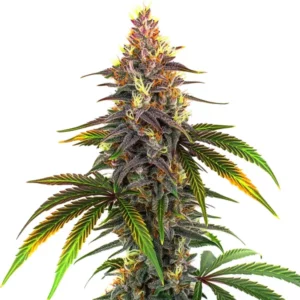
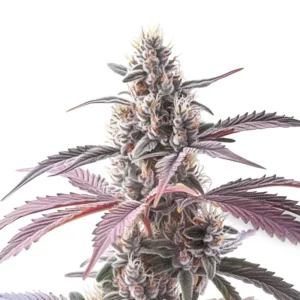
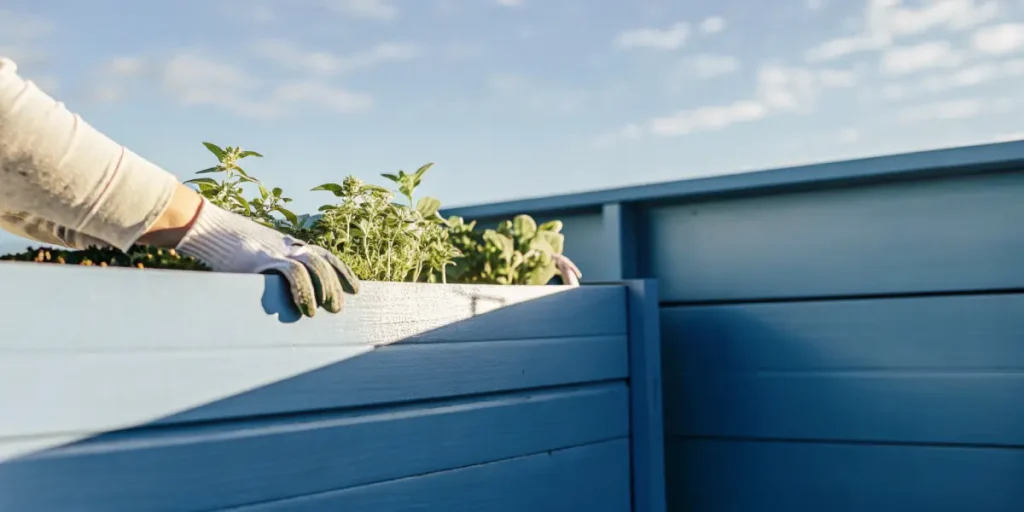
Growing mint strains can be an immensely rewarding experience, whether you’re a first-time cannabis seed buyer or a seasoned grower. This guide offers expert mint strain cultivation tips and tricks that will help you achieve easy success. From choosing the best soil for mint strain growth to implementing organic pest control for mint plants, we’ve got you covered.
Knowing the environment where your mint strains will thrive is crucial. The ideal lighting for mint cultivation indoors plays a significant role in the plant’s health and yield. Additionally, knowing how to maximize mint strain yield with pruning techniques can significantly enhance your harvest. With these insights, you’ll be on your way to growing robust and healthy plants.
Recommended Strains

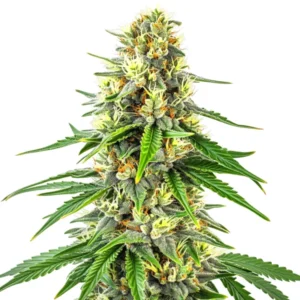
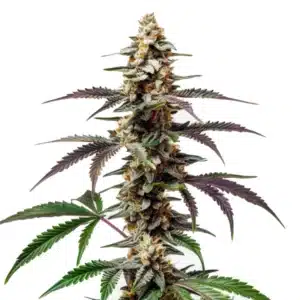
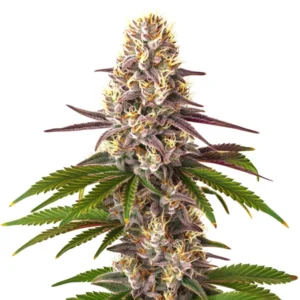
Gush Mints

|
THC | 31% - 34% (High) |

|
Type | Feminized |

|
Yield | High |

|
Phenotype | 50% Indica / 50% Sativa |
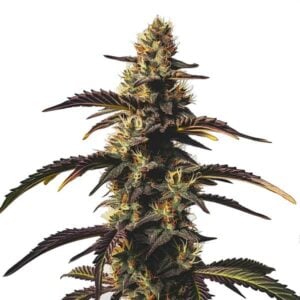
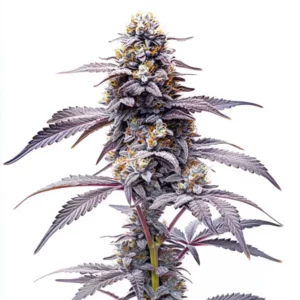
Chocolate Mint OG
|
|
THC | 20% - 25% (Medium) |
|
|
Type | Feminized |
|
|
Yield | High |
|
|
Phenotype | 80% Indica / 20% Sativa |
Let’s dive into the practical aspects of mint strain cultivation and explore how you can optimize every stage of the growing process. Whether you’re dealing with “Mint Chocolate OG,” “Mint Kush,” or “Gush Mint” from Blimburn Seeds, these tips will ensure your plants flourish.
Choosing the Best Soil for Mint Strain Growth
One of the first steps in successful mint strain cultivation is selecting the right soil. The best soil for mint strain growth is well-draining and rich in organic matter. A good mix often includes peat moss, perlite, and compost. These ingredients provide a balance of aeration and moisture retention, essential for healthy root development. Following proven mint strain cultivation tips and tricks at this stage helps establish strong roots and sets the foundation for vigorous, aromatic plant growth.
Test your soil’s pH levels before planting. Mint strains typically prefer a slightly acidic to neutral pH range, around 6.0 to 7.0. Adjusting your soil to fit these parameters can prevent nutrient lockout, where the plant cannot absorb essential nutrients, leading to stunted growth.
- Mix peat moss and perlite in equal parts for aeration.
- Add compost for nutrient-rich soil composition.
- Regularly check and adjust soil pH as needed.
Besides to the soil composition, it’s crucial to consider the soil’s texture. A loamy soil texture is often preferred as it combines sand, silt, and clay, providing optimal conditions for mint strain cultivation. This texture ensures that the soil remains loose, allowing roots to expand easily and absorb nutrients efficiently.
Furthermore, integrating a layer of mulch on top of the soil can help retain moisture and regulate soil temperature, creating a more stable growing environment. Mulching also minimizes weed growth, reducing competition for nutrients and helping your mint strains thrive under ideal conditions.
Promos & Deals
Ideal Lighting for Mint Cultivation Indoors
Lighting is a critical factor in mint strain cultivation. When growing indoors, providing the right amount of light can mimic the sun’s natural rays, promoting photosynthesis and growth. LED grow lights are popular due to their energy efficiency and full-spectrum capabilities.
The ideal lighting for mint cultivation indoors involves setting your lights to simulate the natural day-night cycle. During the vegetative stage, mint strains typically require 18-24 hours of light. As you transition to the flowering stage, reduce light exposure to 12 hours to encourage bud development.
- Use LED grow lights for energy efficiency and full spectrum.
- Maintain 18-24 hours of light during the vegetative stage.
- Switch to 12 hours of light during the flowering stage.
Positioning your lights at the correct distance from the canopy is crucial to prevent light burn while ensuring adequate light penetration. Regularly monitor the plants and adjust the height of the lights as the plants grow to maintain optimal conditions.
Consider using reflective materials on the walls of your growing space to maximize light efficiency. Reflective surfaces help to distribute light evenly across all plants, reducing shadows and ensuring each plant receives the ideal lighting for mint cultivation indoors.
Organic Pest Control for Mint Plants
Keeping pests away from your mint strains without using harsh chemicals is vital for maintaining plant health. Organic pest control for mint plants involves natural remedies and preventive measures that keep your cultivation eco-friendly.
Introduce beneficial insects like ladybugs, which feed on common pests such as aphids. Neem oil is another effective natural pesticide that can be applied to deter insects. Ensure your growing area is clean and free of debris where pests can hide.
- Introduce ladybugs to control aphids naturally.
- Use neem oil as a natural pesticide.
- Keep the growing area clean to prevent pest infestation.
Companion planting is another effective strategy for organic pest control. Planting herbs like basil or marigolds alongside your mint strains can naturally repel harmful insects, providing added protection without chemicals.
Regularly inspect your plants for any signs of pest activity such as holes in leaves or discolored spots. Early detection and intervention are key to minimizing pest damage and maintaining healthy plants without resorting to synthetic solutions.
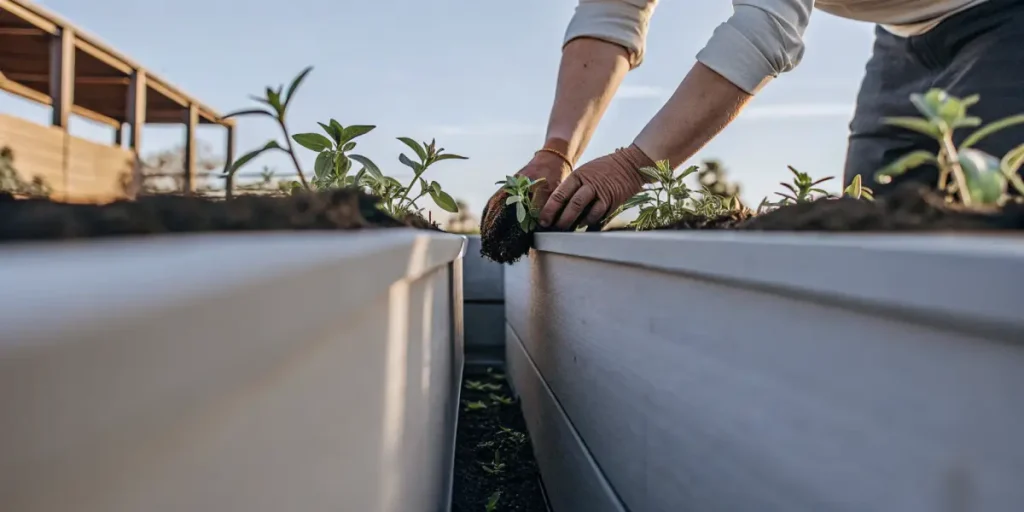
Watering Schedule for Mint Strain Development
A consistent watering schedule is essential for mint strain development. Overwatering can lead to root rot, while underwatering may cause wilting. It’s crucial to find a balance that keeps the soil moist but not soggy.
Check the top inch of soil before watering. If it feels dry, it’s time to water your plants. During hot seasons or when using strong lighting, you may need to water more frequently. Conversely, reduce watering during cooler periods to prevent excess moisture.
Consider using a drip irrigation system for consistent moisture levels. This method delivers water directly to the root zone, minimizing evaporation and ensuring efficient water use. Regularly monitor your plants for signs of stress and adjust your watering schedule accordingly.
To further optimize your watering schedule for mint strain development, it’s beneficial to water your plants early in the morning. This practice allows the foliage to dry during the day, reducing the risk of fungal infections that thrive in damp conditions.
Incorporating a moisture meter can also provide valuable insights into the soil’s water content. These devices help in determining the exact moisture needs of your plants, allowing for precise adjustments to your watering schedule.
Maximizing Mint Strain Yield with Pruning
Pruning is a valuable technique for maximizing mint strain yield. This process involves trimming away unnecessary foliage to direct the plant’s energy towards bud development. Regular pruning encourages a bushier growth pattern and increases light penetration.
Begin pruning during the vegetative stage by removing the lower branches that receive less light. This helps focus the plant’s energy on the top buds, which are more likely to produce quality flowers. Be careful not to remove too much, as this can stress the plant.
Utilize the “topping” method, which involves cutting the main stem’s top to encourage two main colas instead of one. This technique can significantly increase your yield, especially when applied to strains like “Mint Chocolate OG” from Blimburn Seeds, known for its robust growth.
Besides to topping, consider other pruning techniques such as “LST” (Low-Stress Training) to shape and control the canopy. LST involves gently bending and tying down stems, promoting even canopy development and further enhancing light exposure to all parts of the plant.
Regularly assess the growth and structure of your plants to decide on the best pruning strategy. These mint strain cultivation tips and tricks are essential for optimizing plant health and yield, ensuring a successful and bountiful harvest.
FAQs about mint strain cultivation tips and tricks
How often should I water my mint strains?
The watering schedule for mint strain development varies depending on the environment and growth stage. Generally, you should water your plants when the top inch of soil is dry. During hot weather or under strong indoor lights, more frequent watering is necessary.
In cooler climates or during the plant’s flowering stage, reduce watering to prevent over-saturation. Using a drip irrigation system can help maintain consistent soil moisture levels, reducing the risk of overwatering or underwatering.
Monitoring environmental conditions such as humidity and temperature can further refine your watering schedule. High humidity levels may reduce the need for frequent watering, while low humidity environments might necessitate increased water supply.
Remember, the key is to maintain a delicate balance where the soil remains consistently moist without becoming waterlogged. This approach supports healthy root development and overall plant vitality.
What is the best strain for mint cultivation?
Several strains are well-suited for mint cultivation, with “Mint Chocolate OG,” “Kush Mint,” and “Gush Mint” from Blimburn Seeds being top choices. These strains thrive under a variety of conditions and are known for their aromatic profiles and potent effects.
Each strain has unique attributes, so consider your growing environment and personal preferences when choosing. “Mint Chocolate Chip” offers a balanced hybrid experience, while “Thin Mint” provides a more indica-heavy effect.
When selecting a strain, also consider factors like growth difficulty, flowering time, and yield potential. These considerations will help you choose the best strain suited to your cultivation goals and capabilities.
Experimenting with different strains can lead to discovering unique flavor profiles and effects, enriching your mint strain cultivation experience.
How can I control pests organically?
Organic pest control for mint plants includes using natural solutions like neem oil and introducing beneficial insects such as ladybugs. These methods help maintain an eco-friendly garden without the use of harsh chemicals.
Regularly inspect your plants for signs of infestation and act promptly. Keeping the growing area clean and debris-free also minimizes pest problems, providing a healthier environment for your mint strains.
Implementing crop rotation can break pest cycles by altering the growing environment, making it less hospitable for pests specific to mint strains. This technique can be particularly useful in outdoor gardens.
Using natural deterrents like garlic or hot pepper sprays can also repel pests while being safe for the plants and the environment, contributing to effective organic pest control.
What lighting setup is ideal for indoor mint growth?
The ideal lighting for mint cultivation indoors involves using LED grow lights that provide a full spectrum. These lights are energy-efficient and effective at mimicking natural sunlight, crucial for indoor growth.
During the vegetative phase, maintain 18-24 hours of light. As the plants transition to flowering, reduce exposure to 12 hours to encourage bud development. Adjust the distance of lights to prevent burning and ensure optimal growth.
Investing in a timer can automate the lighting schedule, ensuring consistent light cycles without manual intervention. This consistency is vital for the healthy growth and development of mint strains.
Additionally, consider the color temperature of your lights. A mix of cool and warm light spectrums can simulate natural sunlight more accurately, enhancing photosynthesis and plant health.
Why is pruning important for mint strains?
Pruning is essential for maximizing mint strain yield with pruning techniques that direct the plant’s energy towards bud production. By removing unnecessary foliage, you enhance light penetration and airflow, which supports healthier growth.
Regular pruning during the vegetative stage promotes bushier plants and prepares them for a more productive flowering period. Techniques like topping can further increase yield, making it a crucial part of mint strain cultivation.
Pruning also aids in disease prevention by improving air circulation, reducing the likelihood of mold and mildew. This proactive approach is vital in maintaining plant health and maximizing yield potential.
Documenting your pruning methods and results can help refine your techniques over time, leading to increasingly successful cultivation experiences with each growth cycle.