Expert Insights: Proven Relationship Between Brix and Cannabis Quality

The relationship between brix and cannabis quality is a hot topic among growers. Brix is a scale to measure the sugar content in plant juices. Many growers believe higher brix levels indicate better quality cannabis. This is because sugar levels can influence various aspects of the plant, from flavor to potency.
Knowing brix levels can be crucial for both first-time buyers and seasoned cultivators. It helps in predicting the quality of the yield. Imagine testing your plants and seeing high brix levels. You can anticipate a richer flavor and possibly more potent effects.
Recommended Strains
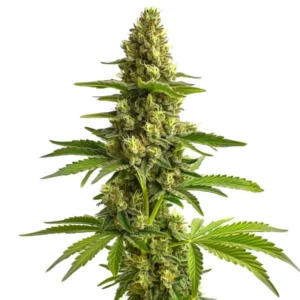
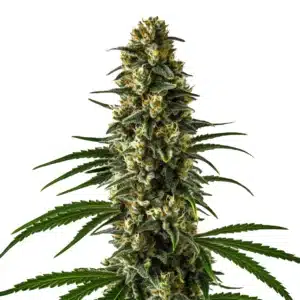
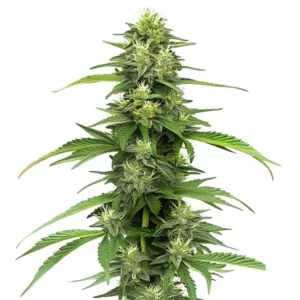
Bruce Banner #3

|
THC | 20% - 29% (High) |

|
Type | Feminized |

|
Yield | Medium |

|
Phenotype | 50% Indica / 50% Sativa |
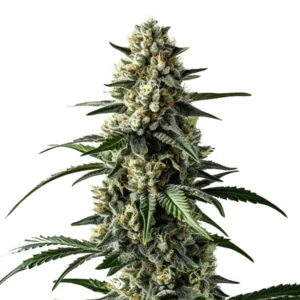
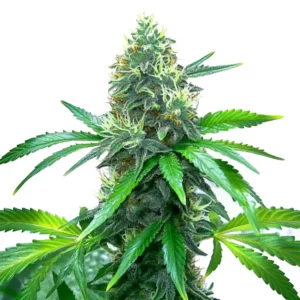
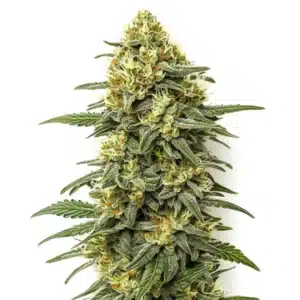
Mango
|
|
THC | 20% - 22% (Medium) |
|
|
Type | Feminized |
|
|
Yield | Medium |
|
|
Phenotype | 70% Indica / 30% Sativa |
Several factors influence brix readings. These include the health of the plant, soil quality, and even the strain itself. Strains like the renowned Bruce Banner 3 by Blimburn Seeds often show high brix levels, which correlates with their robust profile.
Importance of Brix in Cannabis Cultivation
Measuring brix levels is like taking a quick health check of your plants. It gives you insights into how well your plants are performing. High brix levels often correlate with healthier plants, which in turn produce better quality cannabis.
The impact of brix levels on cannabis potency cannot be overlooked. A plant with higher brix levels may deliver more intense effects, which many users seek. This happens because the sugars present can enhance the plant’s metabolism, leading to richer terpene profiles.
The relationship between brix and cannabis quality is further emphasized by the brix levels impact on cannabis potency. As growers focus on achieving ideal brix levels, they often witness a direct improvement in both the yield and the effectiveness of their plants. This is why tools like refractometers are invaluable in modern cultivation practices.
Moreover, the sugar content correlation with cannabis quality makes brix readings a reliable indicator of plant success. When growers monitor these levels, they can make informed decisions that enhance the overall growth cycle, ensuring that the end product is of the highest possible quality. This proactive approach in measuring brix levels can be the difference between a good harvest and an exceptional one.
How to Measure Brix Levels in Cannabis
To measure brix, you need a tool called a refractometer. This device helps you determine the sugar content in the plant’s sap. You simply extract a drop of sap from the plant’s stem or leaf and place it on the refractometer. The device then gives a reading, which you compare against a standard scale.
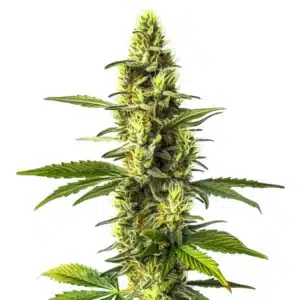
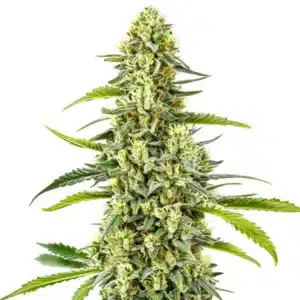
Using a refractometer is straightforward. However, interpreting the readings requires some practice. A reading of above 12 is generally considered good for cannabis. For example, the strain Girl Scout Cookies from Blimburn Seeds often hits high brix levels, resulting in a sweet, potent yield.
When measuring brix levels, it is important to ensure your equipment is calibrated correctly. This ensures the accuracy of your readings and allows you to make precise adjustments to your cultivation practices. Knowing the nuances of brix measurement and cannabis cultivation quality can give you a significant advantage in achieving optimal results.
Moreover, regular brix testing allows you to track changes over time. This provides invaluable data on how different cultivation techniques and environmental factors affect your plants. By comparing historical data, you can fine-tune your approach to maximize both the potency and flavor of your cannabis, ultimately boosting the relationship between brix and cannabis quality.
Promos & Deals

Influence of Brix on Terpene Profiles
Terpenes are aromatic compounds that give cannabis its unique smell and taste. The influence of brix on terpene profiles in cannabis is significant. Higher brix levels often mean better-developed terpenes, enhancing the plant’s aroma and flavor.
Cultivators aiming for premium quality cannabis focus on terpenes as much as cannabinoids. The relationship between brix and cannabis quality is evident here. For instance, the Mango strain by Blimburn Seeds is known for its fruity aroma, a result of its high brix readings.
The influence of brix on terpene profiles in cannabis is not only about aroma but also about the overall experience for users. Terpenes contribute to the entourage effect, where the combined presence of cannabinoids and terpenes enhances the plant’s effects. This relationship underscores the importance of monitoring brix levels to optimize not just flavor, but also overall consumer satisfaction.
Additionally, the sugar content correlation with cannabis quality plays a crucial role in how well the terpenes develop during growth. High brix levels suggest that the plant is thriving, which often leads to a more complex and desirable terpene profile. This complexity is what distinguishes top-tier cannabis from the rest, making brix an essential metric for any serious cultivator.
Brix and Cannabinoid Concentration
Brix measurement and cannabis cultivation quality are closely linked. High brix levels often indicate a potential for higher cannabinoid concentration. Cannabinoids are the compounds responsible for the effects of cannabis, with THC and CBD being the most well-known.
When brix levels are high, it suggests that the plant is metabolizing nutrients efficiently. This efficiency can lead to an increase in cannabinoid production. Growers looking to boost their plant’s potency should pay attention to brix levels as a guiding metric.
The relationship between brix and cannabinoid concentration is a key factor for growers aiming to enhance the therapeutic and recreational benefits of cannabis. By focusing on brix levels, cultivators can ensure that their plants are not only healthy but also capable of producing high levels of desired cannabinoids. This attention to detail is what sets apart premium cannabis products.
Furthermore, consistent monitoring of brix levels allows growers to identify trends in cannabinoid development. By knowing how brix levels impact on cannabis potency, cultivators can make more informed decisions about nutrient supply and environmental conditions, ultimately leading to a superior final product that meets consumer expectations.
Practical Applications for Growers
Knowing the relationship between brix and cannabis quality helps growers make informed decisions. By regularly testing brix levels, growers can identify potential issues early. This proactive approach ensures that the plants receive the care they need to thrive.
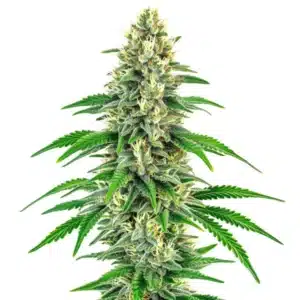
Real-life examples of this can be seen in the cultivation of strains like the OG Kush by Blimburn Seeds. High brix levels in this strain often predict a successful harvest with potent effects and rich flavors.
Practical applications of brix measurement extend beyond just monitoring. Growers can use brix data to tailor their nutrient schedules and irrigation practices, ensuring that each plant receives exactly what it needs. This precision in cultivation practices highlights the importance of the relationship between brix and cannabis quality.
Additionally, sharing brix data with peers can lead to collaborative improvements in cultivation techniques. As growers exchange insights on how brix levels impact on cannabis potency, the entire community benefits from collective knowledge, pushing the boundaries of what is possible in cannabis cultivation.
FAQs About Brix and Cannabis
What is the ideal brix level for cannabis?
The ideal brix level for cannabis varies depending on the strain and growing conditions. However, readings above 12 are generally considered good. This indicates a healthy plant with potential for high-quality yield. Regular testing and adjustments can help achieve these levels.
For instance, if your plant’s brix level is consistently low, it might need more nutrients or better soil. Adjusting these factors can help increase the brix levels, leading to better quality cannabis. Monitoring brix levels is a valuable tool for fine-tuning your cultivation practices.
Knowing the optimal brix levels for specific strains can be a game-changer for growers. Each strain has unique requirements, and knowing these can significantly boost the relationship between brix and cannabis quality. This knowledge allows growers to maximize both yield and potency, aligning with market demand.
Moreover, the sugar content correlation with cannabis quality underscores the importance of achieving these ideal brix levels. A well-informed grower can use this metric to not only improve plant health but also enhance the overall sensory experience of their cannabis, from aroma to effect.
How do brix levels affect cannabis potency?
Brix levels impact on cannabis potency by indicating the plant’s overall health. Higher brix levels often correlate with more robust plants. These plants can produce more cannabinoids, leading to more potent effects. Measuring brix regularly helps in tracking this potential.
For growers aiming for high potency, focusing on brix levels can be a game changer. It offers a tangible way to assess and improve the plant’s condition, ultimately enhancing the final product’s potency and quality.
The influence of brix on terpene profiles in cannabis is another aspect to consider. As brix levels rise, the overall metabolic efficiency of the plant improves, leading to better terpene and cannabinoid production. This synergy enhances the potency and overall quality of the cannabis, making it more desirable to consumers.
Additionally, growers who understand the relationship between brix and cannabinoid concentration can better predict the outcomes of their harvests. This foresight allows for strategic adjustments to cultivation practices, ensuring that the final product consistently meets high standards of potency and quality.
Can brix levels predict flavor profiles?
The sugar content correlation with cannabis quality also extends to flavor. Higher brix levels often lead to better-developed terpene profiles. This results in richer and more complex flavors. Plants with high brix levels tend to have a more pronounced aroma and taste.
Growers focusing on flavor should pay attention to brix readings. If the levels are high, you can expect the plant to produce a more aromatic and flavorful yield. This is particularly important for strains known for their unique flavors and aromas.
Flavor is a critical aspect of the consumer experience, and the influence of brix on terpene profiles in cannabis cannot be overstated. High brix levels can significantly enhance the depth and complexity of flavors, making the cannabis more appealing to discerning users. This is why many premium brands prioritize brix monitoring as part of their cultivation process.
Furthermore, the relationship between brix and cannabis quality extends to the marketability of the product. Cannabis that boasts both high potency and exceptional flavor profiles is more likely to stand out in a competitive market, offering growers a significant advantage in terms of both reputation and sales.
Is measuring brix complicated?
Measuring brix is relatively straightforward with the right tools. Using a refractometer, you can quickly determine the sugar content in your plant’s sap. This process is simple and can be done by anyone with minimal practice.
Interpreting the results might take some experience, but over time, you’ll get better at it. Regular practice and comparison with standard brix levels for cannabis will enhance your ability to use this measurement effectively.
While the initial learning curve might seem daunting, the long-term benefits of mastering brix measurement and cannabis cultivation quality are substantial. With practice, growers can become adept at using brix data to make informed decisions that optimize their cultivation processes.
Moreover, the accessibility of refractometers makes it feasible for growers of all sizes to incorporate brix measurements into their routine. This democratization of technology allows even small-scale cultivators to benefit from the insights that brix levels provide, contributing to a more level playing field in the cannabis industry.
How often should I check brix levels?
Checking brix levels should be part of your regular cultivation practices. Many growers test weekly or bi-weekly to keep track of their plants’ health. This frequency allows you to catch any issues early and make necessary adjustments.
Consistent monitoring helps in maintaining optimal growing conditions. It ensures that your plants are healthy and capable of producing high-quality cannabis. By incorporating regular brix checks, you can significantly improve your cultivation outcomes.
Frequent brix monitoring also provides valuable data that can be used to refine your cultivation strategy. By observing how brix levels change over time, you can better understand the relationship between brix and cannabis quality, allowing for more targeted interventions when needed.
Additionally, regular brix checks help in reinforcing the sugar content correlation with cannabis quality. This ongoing assessment ensures that your plants remain on track to achieve the highest possible standards, ultimately leading to a more successful and profitable harvest.