Expert Guide to Growing Autoflower Cannabis at Home Easily

Growing autoflower cannabis at home can be a rewarding experience, whether you’re a novice or a seasoned grower. Autoflowers are known for their quick growth cycles and resilience, making them an excellent choice for home cultivation. With the right approach, you can successfully cultivate these plants and enjoy a bountiful harvest.
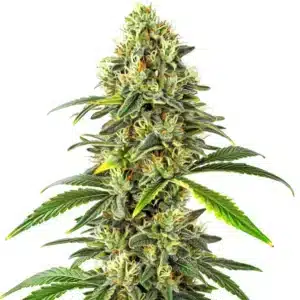
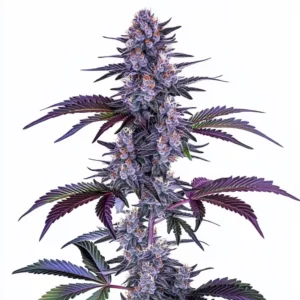
When starting with autoflowers, it’s essential to choose quality seeds. Blimburn Seeds offers excellent strains like Girl Scout Cookies Auto, GG #4 Auto, and OG Kush Auto, known for their robust growth and high yields. Selecting the right strain is the first step towards a successful grow.
Recommended Strains
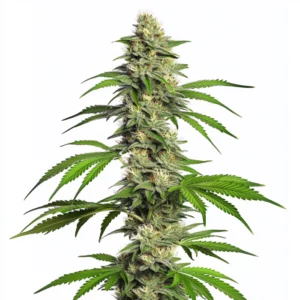
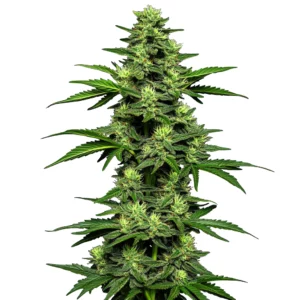
Girl Scout Cookies Autoflower

|
THC | 20% - 22% (Medium) |

|
Type | Autoflowering |

|
Yield | High |

|
Phenotype | 60% Indica / 40% Sativa |
OG Kush Auto
|
|
THC | 17% - 24% (Medium) |
|
|
Type | Autoflowering |
|
|
Yield | Low |
|
|
Phenotype | 50% Indica / 50% Sativa |
Knowing the basics of growing autoflower cannabis at home is crucial. These plants don’t rely on light cycles to flower, which simplifies the process. However, they do require specific conditions to thrive, such as the best soil for autoflower cannabis indoor and a suitable light schedule.
Choosing the Right Soil and Setup
The best soil for autoflower cannabis indoor is light and airy, allowing for adequate drainage and root development. Look for a mix that includes ingredients like peat moss, perlite, and organic compost. This combination ensures your plants receive the necessary nutrients while preventing overwatering.
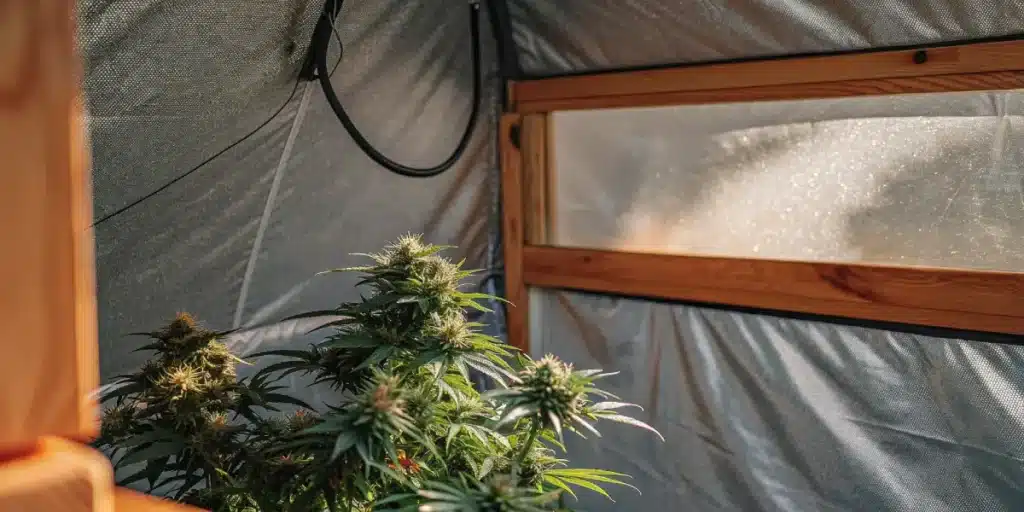
Setting up your grow space properly is essential. Ensure you have sufficient space for your plants to grow and access to fresh air. A grow tent can help maintain the ideal environment. Equip your space with fans and exhaust systems to control temperature and humidity, mimicking the plant’s natural habitat.
When preparing your grow space, consider the placement of your lights and the accessibility of your plants for easy maintenance. Proper organization can make it easier to monitor plant health and adjust conditions as needed. Creating a checklist for your setup process can help ensure no critical elements are overlooked.
It’s also beneficial to test the pH level of your soil before planting. Autoflower cannabis prefers a slightly acidic to neutral pH, around 6.0 to 7.0. Adjust the soil pH accordingly to ensure your plants can absorb nutrients effectively, promoting healthy and robust growth.
Promos & Deals
Lighting and Nutrients
The ideal light schedule for indoor autoflower cannabis is typically 18-24 hours of light per day. Autoflowers don’t depend on light cycles to trigger flowering, but ample light promotes vigorous growth and higher yields. LED lights are efficient and produce less heat, making them a popular choice.
Nutrients needed for autoflower cannabis growth differ from photoperiod plants. Autoflowers have a shorter life cycle, requiring a balanced diet of macronutrients and micronutrients. Use a nutrient solution tailored for cannabis, following the manufacturer’s instructions to avoid nutrient burn.
Besides to the right light schedule, consider the intensity and spectrum of your lights. Full-spectrum LED lights mimic natural sunlight and are ideal for all growth stages. Adjust the height of the lights as your plants grow to maintain optimal intensity and prevent light burn.
Regularly monitor the nutrient levels in your growing medium. Too much or too little of essential nutrients can impact plant health and yield. By keeping a detailed record of your feeding schedule and plant responses, you can fine-tune your approach and maximize the potential of your autoflower cannabis.
Maximizing Yield and Avoiding Common Mistakes
To maximize yield growing autoflower cannabis, focus on providing optimal conditions. Monitor your plants regularly, adjusting light, water, and nutrients as needed. Training techniques like low-stress training (LST) can increase light exposure to bud sites, enhancing overall yield.
Common mistakes growing autoflower cannabis at home include overwatering, incorrect nutrient dosing, and poor lighting. Overwatering can lead to root rot, while incorrect nutrients can stunt growth. Ensure your plants have the right amount of light, water, and food to thrive.
Another common mistake is neglecting to properly ventilate your grow space. Stagnant air can lead to mold and pest infestations, which can severely damage your plants. Ensuring good air circulation helps maintain a healthy environment and reduces the risk of these issues.
Additionally, failing to monitor your plant’s progress can result in missed signs of stress or disease. Regular inspections allow you to catch problems early and make necessary adjustments. Keeping a grow journal with notes on daily observations can be invaluable for refining your cultivation techniques over time.
Recommended Strains from Blimburn Seeds
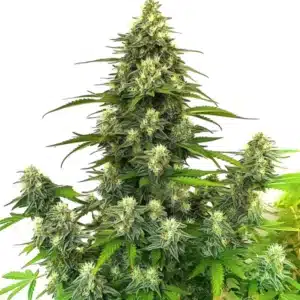
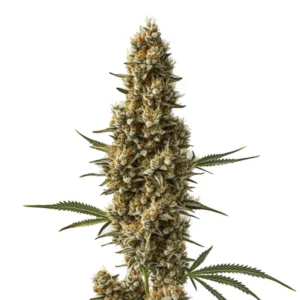
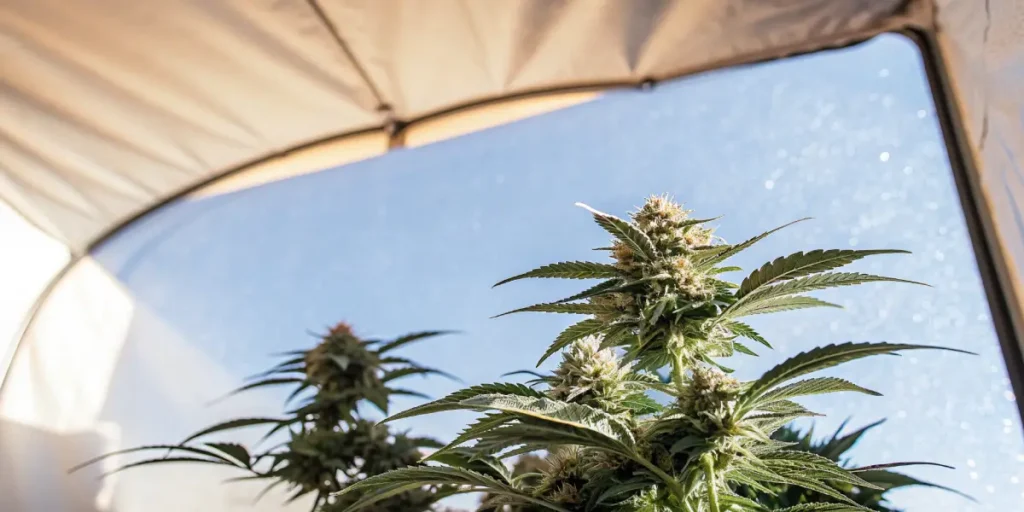
Girl Scout Cookies Auto is a popular choice for its balanced effects and ease of growth. This strain thrives indoors, producing dense, aromatic buds. With a compact size, it’s perfect for limited spaces.
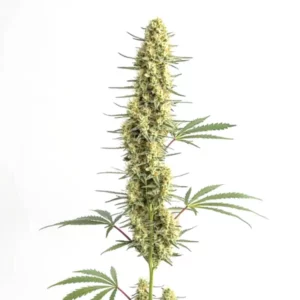
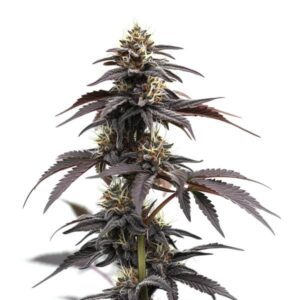
GG #4 Auto is known for its potency and resinous buds. It’s a hardy plant that withstands varying conditions, making it suitable for beginners. Expect a heavy yield of sticky, trichome-rich flowers.
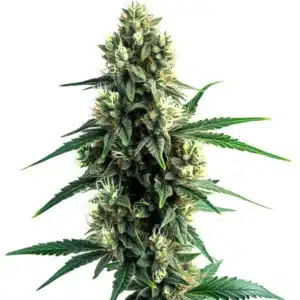
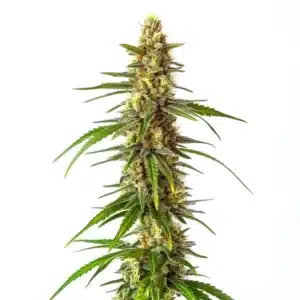
OG Kush Auto offers a classic cannabis experience with its earthy, pine aroma. This versatile strain adapts well to different environments, ensuring a rewarding harvest for growers of all levels.
Each of these strains from Blimburn Seeds has unique characteristics that cater to different grower preferences. Whether you are looking for high potency, specific flavors, or ease of growth, there is a strain to match your needs and enhance your growing experience.
Consider experimenting with different strains to find the one that best suits your growing style and consumption preferences. Rotating between strains can also provide variety in your harvest, giving you a range of effects and flavors to enjoy.
FAQs about growing autoflower cannabis at home
What is the best light schedule for autoflower cannabis?
The ideal light schedule for indoor autoflower cannabis ranges from 18 to 24 hours of light per day. Unlike photoperiod plants, autoflowers don’t rely on darkness to flower, allowing for extended light exposure. This continuous light cycle encourages faster growth and larger yields.
Using LED lights is beneficial as they provide the necessary spectrum while consuming less energy and emitting minimal heat. Adjust your lights to maintain a consistent environment, ensuring your plants receive the right amount of light throughout their growth stages.
The length of your light schedule can also influence the energy consumption of your grow operation. Balancing light exposure with energy efficiency can help reduce costs without sacrificing plant performance. Consider investing in timers to automate your light cycle and maintain consistency.
Experimenting with different light schedules can help you determine the perfect balance for your specific setup. Some growers find success with a 20/4 schedule, offering a brief dark period that can benefit plant health without significantly impacting yields.
How do I maximize yield when growing autoflower cannabis?
Maximizing yield involves optimizing all growth conditions. Start with quality seeds from Blimburn Seeds, and ensure your plants receive adequate nutrients, light, and water. Implement training techniques like low-stress training to expose more bud sites to light.
Monitor environmental factors such as temperature and humidity, making adjustments as needed. Regularly inspect your plants for signs of stress or deficiency and address issues promptly to maintain healthy, productive plants.
Utilizing advanced growing techniques like topping or defoliation can also boost yields, though they require careful execution. These methods redirect plant energy to more productive areas, potentially increasing the overall bud output.
Consistency is key in achieving high yields. Maintain a stable growing environment and adhere to your feeding and lighting schedules. Small deviations can impact plant development, so strive for uniformity in all aspects of your cultivation process.
What type of soil should I use for indoor autoflower cannabis?
The best soil for autoflower cannabis indoor is a light, well-aerated mix that drains well. A combination of peat moss, perlite, and organic compost is ideal, providing essential nutrients and preventing root issues like waterlogging.
Avoid using heavy or clay-based soils, as they can retain too much moisture and suffocate roots. Ensure your soil mix is free from pests and pathogens by purchasing from reputable suppliers or sterilizing your mix before use.
Adding beneficial microbes and fungi to your soil can enhance nutrient uptake and promote healthy root development. Products like mycorrhizal fungi supplements can be mixed into the soil to improve plant vigor and resilience.
It’s important to regularly test and adjust the soil pH to maintain an ideal range for nutrient absorption. Use pH-adjusting solutions if necessary, and monitor the soil’s pH throughout the growing cycle to prevent nutrient lockout.
Are there any common mistakes to avoid when growing autoflower cannabis at home?
Yes, several common mistakes can hinder your cannabis growth. Overwatering is a frequent issue, leading to root rot and stunted growth. Ensure proper drainage and allow the soil to dry between watering sessions.
Another mistake is improper nutrient dosing. Autoflowers require balanced nutrition throughout their life cycle. Follow feeding schedules closely and adjust based on your plant’s needs to prevent nutrient burn or deficiency.
Neglecting to maintain a consistent light schedule can also impact growth. Sudden changes in light exposure can stress plants and reduce yields. Use timers to ensure a stable light environment and synchronize your feeding schedule accordingly.
Failing to keep your grow space clean can lead to pest infestations and disease. Regularly sanitize your tools and environment to protect your plants from harmful pathogens. A routine cleaning schedule can prevent many common issues associated with indoor cultivation.
What nutrients are essential for autoflower cannabis growth?
Nutrients needed for autoflower cannabis growth include a mix of macronutrients like nitrogen, phosphorus, and potassium, and micronutrients such as calcium, magnesium, and iron. These nutrients support various growth stages and promote healthy development.
Use a nutrient solution formulated for cannabis plants, adjusting the concentration based on the manufacturer’s guidelines. Regularly check your plants for nutrient deficiencies or excesses and adjust your feeding regimen accordingly.
Incorporating organic supplements such as kelp extract or humic acids can boost nutrient uptake and overall plant health. These natural additives support the growth of robust, healthy plants and can be used alongside traditional nutrient solutions.
Monitoring the electrical conductivity (EC) of your nutrient solution can help you maintain the right nutrient balance. Adjust the EC levels as needed to match the specific growth stage of your plants, ensuring they receive the optimal concentration of nutrients.