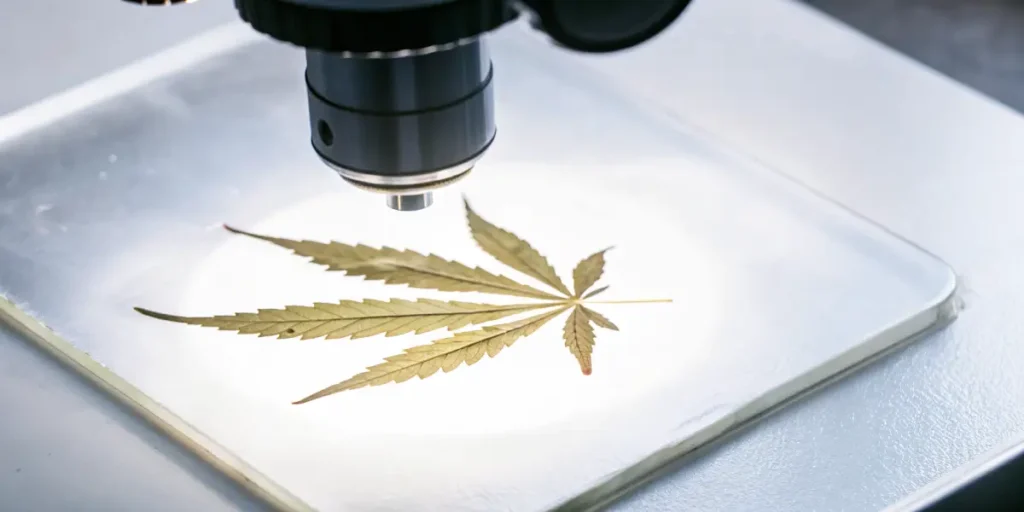
Expert Guide: Proven DNA Barcoding in Cannabis Taxonomy

DNA barcoding has revolutionized how we categorize and understand cannabis. By using a small, specific section of DNA, scientists can accurately identify cannabis species. The application of DNA barcoding in cannabis taxonomy is a game-changer for seed buyers and growers, as it ensures accurate strain identification and confidence that you’re getting the right genetics every time.
For those diving into cannabis cultivation, DNA barcoding in cannabis taxonomy provides a reliable method to differentiate between strains. This scientific approach helps in maintaining the purity of strains and unlocking their full potential. Whether you’re a seasoned grower or a newbie, it’s vital to grasp this concept.
Recommended Strains

Girl Scout Cookies

|
THC | 18% - 25% (Medium) |

|
Type | Feminized |

|
Yield | High |

|
Phenotype | 60% Indica / 40% Sativa |

Green Crack
|
|
THC | 21% (Medium) |
|
|
Type | Feminized |
|
|
Yield | High |
|
|
Phenotype | 35% Indica / 65% Sativa |
Blimburn Seeds offers a variety of strains, including the famous Bruce Banner, that benefit from DNA barcoding. This method ensures that what you’re planting matches the labeled strain. It’s an essential tool for anyone serious about cannabis cultivation.
What is DNA Barcoding?
DNA barcoding is like a genetic fingerprinting tool for plants. By analyzing a short section of DNA, usually from the chloroplast, scientists can identify a species with precision. This method is particularly useful in cannabis plant taxonomy using DNA barcoding.
In practical terms, DNA barcoding for cannabis species identification means that you can be sure about the strain you’re growing. For example, when purchasing seeds from Blimburn Seeds, you can rest assured that the DNA matches what’s advertised. This scientific technique provides clarity in a market full of variety.
The accuracy of DNA barcoding in cannabis taxonomy lies in its ability to work beyond visual similarities, offering a molecular lens to examine the genetic fabric of cannabis. This approach is especially beneficial for distinguishing between hybrid strains that may appear similar but have distinct genetic profiles. As the cannabis industry grows, DNA barcoding becomes indispensable in maintaining the integrity of genetic identification of cannabis strains.
Moreover, the simplicity of sample collection for DNA barcoding makes it accessible for widespread use. Leaf samples, often the preferred choice, can be analyzed swiftly, providing timely and reliable results. This ease of use empowers not only commercial growers but also researchers who are delving into the molecular taxonomy of cannabis using DNA markers, offering them a robust tool to explore genetic diversity and relationships within the species.
Promos & Deals




Applications of DNA Barcoding in Cannabis
DNA barcoding finds numerous applications in cannabis research. It’s not just about identifying species; it also helps in knowing genetic relationships. This is crucial for breeders looking to develop new strains with specific characteristics.
For example, Blimburn Seeds Blue Dream is a strain that benefits from such research. By using DNA markers, breeders can trace its lineage, ensuring its unique properties remain intact. This molecular taxonomy of cannabis using DNA markers is invaluable in maintaining strain integrity.
Beyond breeding, DNA barcoding applications in cannabis research extend to quality control in product development. Companies can ensure that the strains they market are genetically consistent, reducing variability in the end product. This is vital for medicinal cannabis, where precise strain composition is necessary to achieve specific therapeutic effects.
Additionally, DNA barcoding facilitates the tracking of cannabis products from seed to sale, enhancing transparency within the supply chain. By linking products to their genetic profiles, businesses can offer consumers a guarantee of authenticity, fostering trust and accountability in an industry that is rapidly expanding across the globe.
Benefits of DNA Barcoding for Growers
Growers benefit immensely from DNA barcoding applications in cannabis research. It ensures that the genetic identity of the seeds matches the label, reducing the risk of mix-ups. This is especially important for commercial growers who need consistency in their products.
Take Blimburn Seeds Girl Scout Cookies for instance. When you invest in this strain, you want to be sure of its genetic make-up. DNA barcoding provides that assurance. It helps in maintaining quality and reputation in a competitive market.
Furthermore, DNA barcoding supports precision agriculture by enabling growers to tailor their cultivation practices to the specific genetic needs of each strain. This can result in optimized growth conditions, increased yields, and improved cannabinoid profiles, ultimately enhancing the economic viability of growing operations.
The genetic insights gained through DNA barcoding also empower growers to implement more effective pest and disease management strategies. By identifying the genetic vulnerabilities of specific strains, growers can develop targeted treatment plans to mitigate risks, ensuring healthier crops and higher-quality harvests.

How DNA Barcoding Supports Legal Compliance
With the growing global acceptance of cannabis, legal compliance is crucial. DNA barcoding assists in verifying strains against regulatory standards. This is important for both recreational and medicinal cannabis, where strain-specific effects are often required.
Blimburn Seeds ensures that their strains, like the renowned Green Crack, adhere to strict genetic standards. This keeps growers on the right side of the law and ensures consumers receive the intended therapeutic benefits. It’s a win-win situation facilitated by science.
The function of DNA barcoding in cannabis taxonomy extends to international trade, where stringent regulations require accurate strain identification. By providing a verifiable genetic record, DNA barcoding helps navigate complex legal landscapes, facilitating smoother transactions and reducing the risk of legal disputes.
Additionally, DNA barcoding can be instrumental in protecting intellectual property rights within the cannabis industry. By offering a definitive genetic fingerprint, breeders and companies can safeguard their proprietary strains, ensuring that their innovations remain protected from unauthorized reproduction and distribution.
FAQs about DNA barcoding in cannabis taxonomy
How does DNA barcoding differ from traditional plant identification?
Traditional plant identification relies on visual characteristics, which can be subjective. DNA barcoding, on the other hand, uses genetic information to identify species. This makes it a more precise method. For cannabis, this means less guesswork and more certainty about what you’re growing.
For instance, visual similarities between strains can lead to misidentification. With Blimburn Seeds’ diverse catalog, DNA barcoding ensures that each strain remains true to its genetic identity. This precision is crucial for breeders and growers alike.
The reliance on morphological traits in traditional methods often fails to capture the full extent of genetic diversity within cannabis. DNA barcoding overcomes these limitations by providing a standardized and reproducible method for pinpointing species and strain variations, crucial for both breeding programs and consumer assurance.
Furthermore, DNA barcoding enhances the efficiency of plant identification processes. Laboratories can handle large volumes of samples with consistent accuracy, allowing for quicker decision-making in breeding, cultivation, and regulatory compliance, ultimately driving innovation and progress within the industry.
Why is DNA barcoding important for cannabis breeders?
For breeders, DNA barcoding is an invaluable tool. It allows for the accurate identification and classification of cannabis strains. This is vital for creating new hybrids and ensuring the purity of existing strains. Breeders can track genetic variations and maintain desired traits over generations.
By utilizing DNA barcoding, breeders can work with confidence. Blimburn Seeds’ commitment to genetic accuracy exemplifies this. Their strains, like Tangie, benefit from rigorous genetic analysis, ensuring that each seed delivers the expected results.
The use of DNA barcoding in cannabis taxonomy empowers breeders to explore genetic diversity more effectively. By analyzing the genetic makeup of various strains, breeders can identify desirable traits and incorporate them into new hybrids, pushing the boundaries of cannabis cultivation and innovation.
Moreover, DNA barcoding supports breeders in preserving the genetic integrity of heirloom and landrace strains. By maintaining accurate genetic records, breeders ensure that these culturally and historically significant strains are preserved for future generations, contributing to the rich tapestry of cannabis biodiversity.
Can DNA barcoding help in detecting cannabis plant pests?
Yes, DNA barcoding can assist in pest management by identifying the genetic makeup of both plants and pests. This allows growers to implement targeted strategies for pest control. Early detection and precise identification can prevent potential outbreaks.
For growers using Blimburn Seeds strains, knowing the exact genetic profile helps in customizing care practices. This proactive approach not only safeguards the crop but also enhances overall yield and quality.
Utilizing DNA barcoding for pest identification offers a strategic advantage in integrated pest management (IPM) programs. By pinpointing the specific pests affecting cannabis crops, growers can deploy targeted biological control agents or chemical treatments, minimizing the impact on beneficial organisms and environmental health.
Furthermore, ongoing research into the genetic interactions between cannabis plants and their associated pests can lead to the development of more resilient strains. By knowing these genetic dynamics, breeders and growers can select for traits that enhance pest resistance, ultimately reducing dependency on chemical interventions.
What challenges exist in DNA barcoding for cannabis?
One challenge in DNA barcoding for cannabis is the complexity of its genetic makeup. Cannabis has a high degree of genetic diversity, which can complicate the identification process. However, advancements in technology continue to improve accuracy and reliability.
Another challenge is the need for standardized protocols. Different labs may use varying methods, leading to inconsistencies. As the field matures, establishing uniform guidelines will be key. Blimburn Seeds remains at the forefront by adhering to stringent standards in their genetic testing processes.
The issue of genetic variability becomes more pronounced with the proliferation of hybrid strains, where traditional barcoding regions may not be sufficient to capture the full genetic landscape. Continuous research is necessary to identify more robust markers that can reliably differentiate between closely related strains.
Additionally, there are logistical challenges in implementing DNA barcoding on a large scale, such as the cost of sequencing and the need for specialized expertise. However, as technology advances and becomes more accessible, these barriers are likely to diminish, paving the way for widespread adoption in the cannabis industry.
Is DNA barcoding applicable to home growers?
Absolutely! Home growers can benefit from DNA barcoding by ensuring they cultivate the correct strains. This is particularly useful when purchasing seeds from reputable sources like Blimburn Seeds. Knowing the genetic identity helps in optimizing growing conditions and achieving desired results.
While home growers may not have access to advanced lab facilities, they can still rely on the accuracy provided by seed companies. By knowing the basics of DNA barcoding, home growers can make informed choices and enhance their cultivation experience.
For hobbyists keen on experimenting with crossbreeding, DNA barcoding offers a scientific foundation to validate their efforts. Home growers can document the genetic lineage of their creations, contributing to personal knowledge and potentially advancing the broader knowing of cannabis genetics.
Moreover, as the technology becomes more user-friendly and cost-effective, home growers may soon have access to portable DNA sequencing tools. This innovation could revolutionize home gardens, allowing enthusiasts to explore cannabis plant taxonomy using DNA barcoding right from their own living rooms.