Expert Guide: Proven Cannabinoids vs Time Stability Curve Insights

The term “cannabinoids vs time: stability curve” may sound complex. However, it’s crucial for anyone dealing with cannabis. Whether you’re a first-time buyer or a seasoned grower, knowing how cannabinoids change over time can save you time and money. By grasping the stability curve, you can ensure your cannabis remains potent and effective.
Cannabinoids are the active compounds in cannabis. Over time, these compounds can degrade. This degradation impacts the plant’s effectiveness and flavor. Keeping an eye on the stability curve helps you maintain the quality of your cannabis. For example, a strain like Blue Dream from Blimburn Seeds can retain its potency if stored correctly. However, poor storage can lead to a significant loss in its cannabinoid profile.
Recommended Strains
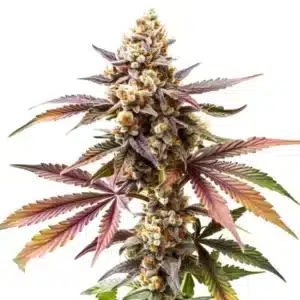
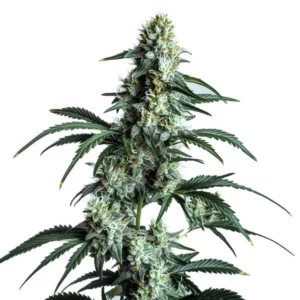
GG4 x Z OG

|
THC | 20% - 24% (Medium) |

|
Type | Feminized |

|
Yield | High |

|
Phenotype | 60% Indica / 40% Sativa |

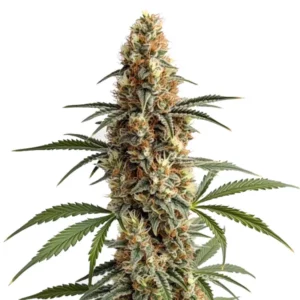
Blue Dream
|
|
THC | 17% - 24% (Medium) |
|
|
Type | Feminized |
|
|
Yield | High |
|
|
Phenotype | 50% Indica / 50% Sativa |
Storage conditions play a vital role in this process. Exposure to light, heat, and air can speed up cannabinoid degradation. By controlling these factors, you extend the life of your cannabis. This allows you to enjoy strains like Gelato from Blimburn Seeds at their finest, even months after purchase.
Factors Affecting Cannabinoid Stability
Several factors can affect the cannabinoid stability over time. One key factor is temperature. High temperatures can accelerate the degradation of cannabinoids. This means storing your cannabis in a cool, dark place helps maintain its quality. For instance, keeping your cannabis in a basement or a dedicated storage container can be beneficial.
Another major factor is humidity. Too much moisture can lead to mold. On the flip side, too little can dry out your cannabis, affecting its potency. Striking the right balance is crucial. Using humidity packs can help maintain the ideal conditions for strains like GG4 x Z OG from Blimburn Seeds.
Knowing the cannabinoids vs time: stability curve requires careful attention to the storage environment. The interplay of temperature and humidity can greatly influence the degradation rate of cannabinoids over time. By optimizing these conditions, you can enhance the longevity and effectiveness of your cannabis products.
Light exposure is another critical factor that can impact cannabinoid stability. Ultraviolet light can break down cannabinoids, reducing their potency. Investing in UV-blocking containers or storage solutions can help protect your cannabis from these harmful rays, ensuring that the cannabinoids remain intact and effective over time.
Storage Techniques for Long-term Cannabinoid Stability
Proper storage techniques are essential for ensuring long-term cannabinoid stability. Using airtight containers is a simple yet effective method. These containers prevent air from getting in, thus reducing the degradation rate of cannabinoids over time. Mason jars, for example, are a popular choice among growers.
Refrigeration is another technique. It slows down the degradation process. However, be cautious with freezer storage. While it can be effective, frequent thawing and refreezing can harm the cannabinoids. Keeping a strain like Sour Diesel from Blimburn Seeds in the fridge can help maintain its potency over time.
Besides to these methods, desiccants can be useful in maintaining the right moisture levels within storage containers. These substances absorb excess moisture, preventing mold and preserving the cannabinoid stability over time. For those storing large quantities, investing in a dedicated cannabis humidor can further ensure optimal conditions.
Regular monitoring of storage conditions is vital for long-term cannabinoid stability analysis. Using hygrometers and thermometers can help keep track of humidity and temperature levels, allowing for timely adjustments. This proactive approach ensures that your cannabis remains potent and effective, preserving its cannabinoid profile.
Promos & Deals
Identifying Signs of Cannabinoid Degradation
Over time, you might notice changes in your cannabis. These changes are often signs of cannabinoid degradation. One of the most common indicators is a change in color. If your cannabis looks browner than usual, it might be past its prime. This is a clear sign that the cannabinoids have started to break down.
A change in aroma can also indicate degradation. Fresh cannabis has a distinct smell. If it starts to smell musty or less potent, it may have lost some of its cannabinoid content. The effects of time on cannabinoid degradation can also be felt in the flavor. If your cannabis tastes flat, it might be time to get a new batch.
Texture changes can also be a telltale sign of degradation. Cannabis that feels excessively dry or brittle may have lost its moisture content, impacting its overall quality and cannabinoid stability over time. Conversely, overly moist cannabis may indicate improper storage conditions leading to degradation.
Knowing these signs is crucial as part of a comprehensive cannabinoids time-dependent stability study. By recognizing these indicators early, you can take corrective actions to prevent further degradation, ensuring that you get the most out of your cannabis products.
Degradation Rate of Cannabinoids Over Time
The degradation rate of cannabinoids over time can vary. Factors like strain type, storage conditions, and initial quality all play a part. Typically, cannabinoids like THC and CBD degrade at different rates. THC can convert into CBN, a compound with different effects, while CBD remains relatively stable over time.
Research into cannabinoids time-dependent stability study shows that, on average, cannabis can lose up to 17% of its THC content after a year if not stored properly. This highlights the importance of maintaining optimal storage conditions to preserve the cannabinoid profile of your cannabis.
Long-term cannabinoid stability analysis is essential for both consumers and cultivators. By knowing how different cannabinoids degrade over time, you can make informed decisions about storage and consumption. This knowledge also aids in selecting strains that meet specific stability needs.
It’s important to note that the degradation rate of cannabinoids over time is not uniform across all strains. Some strains may be more resilient due to their unique cannabinoid profiles and terpene content. By studying these variables, you can optimize your storage practices and enhance the longevity of your cannabis.

Maximizing Cannabinoid Stability in Practice
In practical terms, maximizing cannabinoid stability means paying attention to the little details. For instance, using dark-colored containers can help block out harmful light, further enhancing the stability of your cannabis. This is a simple yet effective tip that can go a long way in preserving cannabinoid content.
Regularly checking your cannabis for signs of degradation is also important. This proactive approach allows you to make necessary adjustments to your storage methods. If you notice changes in your cannabis, it might be time to rethink your storage strategy.
Engaging in routine quality checks not only helps in maintaining cannabinoid stability but also ensures that your cannabis is safe for consumption. By inspecting your storage setup and making timely changes, you can mitigate the effects of time on cannabinoid degradation.
Additionally, educating yourself about the cannabinoids vs time: stability curve can empower you to make better decisions regarding strain selection and storage solutions. By staying informed and adaptable, you ensure the longevity and effectiveness of your cannabis products.
FAQs about cannabinoids vs time: stability curve
What are cannabinoids?
Cannabinoids are the chemical compounds found in cannabis. They interact with receptors in the brain and body to produce various effects. The most well-known cannabinoids are THC, which is responsible for the psychoactive effects, and CBD, known for its therapeutic benefits.
These compounds are integral to the cannabis experience. They determine the potency, flavor, and overall effect of the plant. Different strains have different cannabinoid profiles, which is why some strains are more energizing while others are more relaxing.
The diversity of cannabinoid profiles across strains contributes to the wide range of effects and experiences cannabis can offer. By knowing the function of cannabinoids, you can better tailor your cannabis use to your personal needs and preferences.
For those interested in cultivation, knowing cannabinoids is crucial for selecting the right strains and optimizing growth conditions. This knowledge enhances your ability to produce high-quality cannabis with desired cannabinoid stability over time.
How does time affect cannabinoids?
Over time, cannabinoids can degrade. This degradation changes their chemical structure, affecting the potency and effectiveness of the cannabis. Factors like light, heat, and air exposure can speed up this process, leading to a loss of quality.
Ensuring proper storage conditions can slow down this degradation. By minimizing exposure to harmful elements, you extend the life of your cannabis, maintaining its potency and flavor for longer periods.
The effects of time on cannabinoid degradation are not only a concern for consumers but also for retailers and producers. Knowing these effects helps in planning inventory and ensuring that products reach consumers at their peak quality.
Educational resources and workshops focused on the cannabinoids vs time: stability curve can provide valuable insights into how best to store and care for cannabis. By learning these principles, you can maximize your experience and preserve the quality of your cannabis.
Why is cannabinoid stability important?
Maintaining cannabinoid stability ensures that your cannabis retains its intended effects. This means you get the most out of your cannabis, whether for recreational or medicinal purposes. Stability is crucial for both growers and consumers alike.
Without proper stability, cannabinoids can degrade, leading to a loss of potency. This not only affects the user experience but can also lead to wasted resources. By focusing on stability, you ensure that your cannabis remains effective and enjoyable.
For medical cannabis users, cannabinoid stability is particularly important. Consistent potency and effects are crucial for effective symptom management, making stability a top priority in both storage and consumption.
Cultivators also benefit from knowing cannabinoid stability over time, as it allows them to develop strains that better resist degradation. This knowledge enhances product quality and ensures customer satisfaction.
How can I improve the stability of my cannabis?
Improving the stability of your cannabis involves proper storage techniques. This includes using airtight containers, storing in cool, dark places, and maintaining the right humidity levels. These practices help preserve the cannabinoid profile of your cannabis.
Regularly checking your storage environment is also important. Make adjustments as needed to ensure that conditions remain optimal. This proactive approach ensures that your cannabis remains potent and effective over time.
Incorporating advanced storage technologies, such as temperature-controlled units or smart sensors, can further enhance the stability of your cannabis. These tools provide real-time data, allowing for precise management of storage conditions.
Additionally, consulting resources on long-term cannabinoid stability analysis can offer new strategies and insights for improving storage practices. By staying informed, you can continually refine your approach to cannabis preservation.
What are some common signs of cannabinoid degradation?
Common signs of cannabinoid degradation include changes in color, aroma, and flavor. If your cannabis looks brown, smells musty, or tastes flat, it may have degraded. These changes indicate a loss in potency and effectiveness.
Being aware of these signs allows you to take action before it’s too late. By regularly checking your cannabis, you can make necessary adjustments to your storage methods, ensuring that your cannabis remains of high quality.
Visual inspection is a simple yet effective method for detecting degradation. By familiarizing yourself with how fresh cannabis should look and smell, you can quickly identify when a batch is no longer at its best.
Engaging with community forums or expert consultations can provide additional tips for recognizing and addressing degradation. Sharing experiences and solutions can enhance your ability to maintain cannabinoid stability over time.