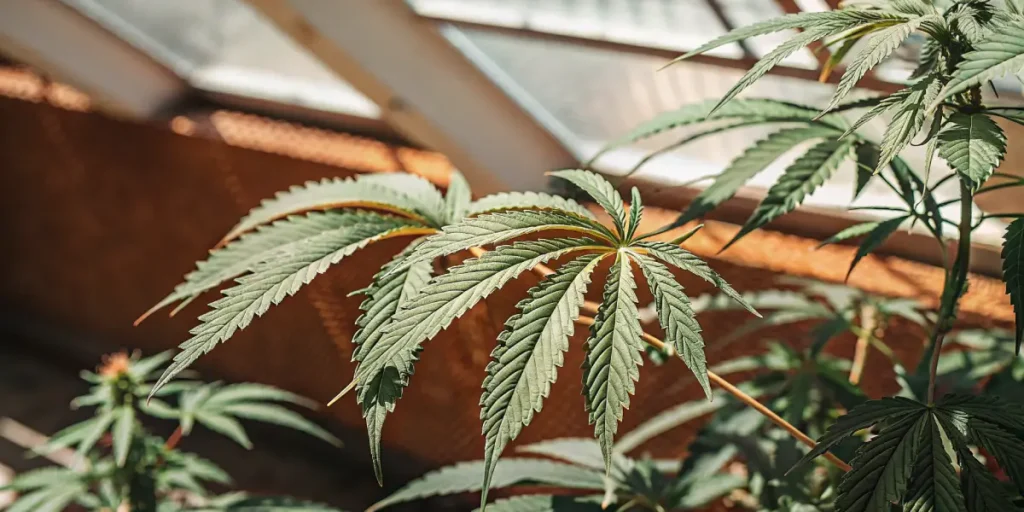
Expert Guide: Potassium Excess and Nutrient Antagonism in Cannabis

Growing cannabis requires a balance of nutrients. One element, potassium, is vital but can cause problems if in excess. Potassium excess and nutrient antagonism in cannabis is a topic every grower should understand. Too much potassium can lead to nutrient imbalances that affect plant health.
Potassium is crucial for photosynthesis, enzyme activation, and water regulation. However, excessive potassium levels can cause toxicity. This affects the plant’s ability to absorb other nutrients, leading to deficiencies. Managing potassium levels in cannabis cultivation is essential for healthy growth.
Recommended Strains


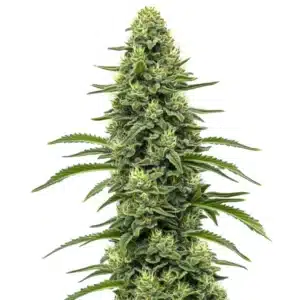
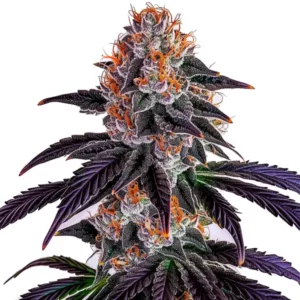
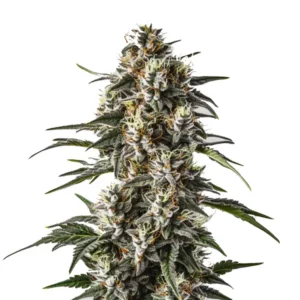
Blimburn Seeds offers a variety of strains. Strains like GG4, Blue Dream, and Gelato are all affected differently by nutrient levels. Knowing how each strain reacts can help tailor your feeding schedule to prevent potassium-induced issues.
Potassium Toxicity Effects on Cannabis Growth
Excess potassium can be harmful. Potassium toxicity effects on cannabis growth include stunted development, leaf burn, and poor bud production. These symptoms indicate that the plant is struggling to take up other essential nutrients. This results in nutrient imbalance due to potassium excess in cannabis.
When cannabis plants absorb too much potassium, it can block the uptake of nutrients like calcium and magnesium. These elements are critical for strong cell walls and chlorophyll production. Without them, plants may show signs of weakness and yellowing leaves.
The impact of potassium toxicity effects on cannabis growth can vary depending on the strain, with some like Blue Dream being more sensitive to nutrient fluctuations. It’s important for growers to monitor their plants closely and adjust nutrient levels accordingly. Knowing the specific needs of each strain helps mitigate the risk of nutrient imbalance due to potassium excess in cannabis.
In addition to visible symptoms, excessive potassium can also affect the plant’s internal processes. Photosynthesis and water regulation may be compromised, leading to further health issues. Experienced growers know that managing potassium levels in cannabis cultivation is vital to avoid these complications and ensure a thriving crop.
Signs of Nutrient Antagonism in Cannabis Plants
Nutrient antagonism occurs when one nutrient interferes with the absorption of others. In cannabis, this is often seen as yellowing leaves, brown spots, or curled leaf tips. These are clear signs of nutrient antagonism in cannabis plants. Experienced growers know to look for these indicators early.
Spotting these signs early can prevent further damage. Testing soil or growing mediums for nutrient levels helps identify the issue. Adjusting your nutrient regimen based on these tests can resolve potassium-induced nutrient deficiencies in cannabis effectively.
Knowing the signs of nutrient antagonism in cannabis plants is crucial for maintaining plant health. In some cases, growers might also observe reduced plant vigor and uneven growth patterns. These additional signs indicate that the plant is struggling to achieve a balanced nutrient uptake, which can be detrimental if left unchecked.
To effectively manage these issues, regular monitoring and testing are essential. By staying vigilant and making timely adjustments, growers can ensure that their plants receive a well-balanced diet. This proactive approach helps prevent long-term nutrient deficiencies and supports optimal growth and yield.
Promos & Deals
Managing Potassium Levels in Cannabis Cultivation
Managing potassium levels is crucial. Start by using a balanced nutrient mix. Always check the nutrient labels for potassium content. Over-fertilizing is a common mistake that leads to potassium excess and nutrient antagonism in cannabis.
Regularly flush your plants with clean water to prevent buildup. Doing this helps wash away excess salts and nutrients. Flushing is especially important if you’re using synthetic fertilizers, which can accumulate quickly.
Cultivators should also consider the growing medium they use, as this can influence nutrient retention and availability. Soil, coco coir, and hydroponic systems each have unique characteristics that affect how nutrients are absorbed. Tailoring your approach to suit your chosen medium can improve the effectiveness of managing potassium levels in cannabis cultivation.
Additionally, environmental factors such as temperature, humidity, and light intensity can impact nutrient uptake. Ensuring these conditions are optimized will support the plant’s ability to process nutrients efficiently. By taking a holistic approach to cultivation, growers can prevent nutrient antagonism and promote healthy plant development.
Resolving Potassium-Induced Nutrient Deficiencies in Cannabis
If you notice deficiencies, act quickly. First, test the soil or growing medium to confirm excess potassium. Once confirmed, reduce potassium input and consider using a nutrient solution with a lower potassium ratio.
Consider switching to organic fertilizers. These often have a more balanced nutrient profile. Organic options like compost or worm castings release nutrients slowly, reducing the risk of nutrient antagonism.
When resolving potassium-induced nutrient deficiencies in cannabis, patience and precision are key. It’s important to make gradual adjustments to avoid shocking the plants. Slowly reducing potassium levels while monitoring plant responses can facilitate a smoother recovery process.
Utilizing organic fertilizers not only aids in resolving deficiencies but also enhances the overall health of the soil or growing medium. This natural approach promotes a more sustainable cultivation environment, leading to stronger, more resilient plants over time. By closely observing the plants’ progress, growers can fine-tune their nutrient regimen to prevent future imbalances.
FAQs about potassium excess and nutrient antagonism in cannabis
What are the signs of potassium toxicity in cannabis plants?
Potassium toxicity in cannabis plants often manifests as burnt leaf edges, dark green foliage, and stunted growth. These signs indicate that the plant is struggling with nutrient absorption. Addressing these symptoms early is key to maintaining plant health.
Monitoring your plants regularly for these signs can prevent long-term damage. Using a balanced nutrient solution and avoiding over-fertilization can help manage these symptoms effectively.
Besides to the commonly observed symptoms, potassium toxicity may also lead to reduced root development and compromised bud formation. These issues can ultimately affect the plant’s yield and quality. By maintaining a consistent and appropriate nutrient regimen, growers can minimize the risk of potassium toxicity effects on cannabis growth.
Regular visual inspections, combined with soil and water testing, provide a comprehensive approach to identifying and addressing potassium toxicity. By staying informed and proactive, growers can safeguard their crops against the detrimental effects of nutrient imbalances.
How can I prevent nutrient antagonism in cannabis cultivation?
To prevent nutrient antagonism, maintain a balanced nutrient regimen. Regularly test your soil or growing media to ensure appropriate nutrient levels. Flushing plants with water between feedings can also prevent nutrient buildup.
Choosing the right strain, like Gelato from Blimburn Seeds, can also make a difference. Some strains are more resilient to nutrient imbalances and can better handle slight excesses without adverse effects.
Preventing nutrient antagonism in cannabis cultivation also involves knowing the specific nutrient requirements of your chosen strains. Some cannabis varieties may have unique needs that require tailored nutrient solutions. By researching and adapting to these requirements, growers can enhance their plants’ resilience to imbalances.
Moreover, implementing a structured feeding schedule with regular monitoring can help maintain consistent nutrient levels. This disciplined approach can significantly reduce the likelihood of nutrient antagonism, supporting the plant’s overall health and productivity.
Why does potassium excess lead to other nutrient deficiencies?
Excess potassium can interfere with the absorption of other nutrients like calcium and magnesium. These nutrients are crucial for plant development. When blocked, plants can exhibit signs of deficiency despite nutrient presence in the soil.
Addressing this involves reducing potassium levels and ensuring a balanced nutrient supply. This helps restore the plant’s ability to absorb necessary nutrients efficiently.
The interaction between nutrients is complex, and potassium excess can disrupt this balance. This disruption often leads to a cascade of deficiencies, impacting the plant’s growth and vitality. Recognizing the interconnected nature of nutrient uptake is essential for addressing nutrient imbalance due to potassium excess in cannabis.
To mitigate these issues, growers should focus on maintaining equilibrium in their nutrient solutions. Adjusting nutrient ratios and monitoring environmental conditions can help create a stable growing environment, reducing the risk of deficiencies and promoting robust plant health.
Can I use organic fertilizers to manage potassium levels in cannabis?
Yes, organic fertilizers are a great option. They typically provide a slower release of nutrients, reducing the risk of excess. Options like compost and worm castings are excellent for maintaining balanced nutrition.
Organic fertilizers also improve soil health, promoting a more stable growing environment. This can lead to healthier plants that are more resilient to nutrient imbalances.
Besides to managing potassium levels, organic fertilizers offer the benefit of enhancing soil microbiota. This contributes to a more dynamic and supportive growing environment, fostering beneficial interactions between plants and soil organisms. Such improvements can lead to increased resilience against nutrient antagonism and other stress factors.
By incorporating organic materials into your cultivation practice, you can create a more sustainable and environmentally friendly approach to cannabis growing. This not only benefits the plants but also promotes ecological health and biodiversity.
What steps should I take if I suspect potassium excess in my cannabis plants?
If you suspect potassium excess, first test your soil or growing medium. Confirming the excess allows for targeted action. Reduce potassium-rich fertilizers and consider flushing your plants with water to remove buildup.
After addressing the excess, monitor your plants closely for recovery signs. Adjust your nutrient regimen to prevent future issues. Using strains like Blue Dream from Blimburn Seeds can help, as they often respond well to balanced nutrient feeds.
Following the initial steps, it’s important to continue observing your plants for any residual signs of stress or deficiency. This ongoing assessment allows you to make informed decisions about further nutrient adjustments, ensuring your plants remain on a path to recovery.
Keeping detailed records of your nutrient management practices can also aid in identifying patterns and preventing future occurrences of potassium excess and nutrient antagonism in cannabis. By learning from past experiences, you can refine your cultivation techniques and enhance your overall success.