Expert Guide: How to Use a Refractometer in Outdoor Cannabis Cultivation

Using a refractometer can transform your outdoor cannabis growing experience. It helps you measure the sugar levels in your plants, which is a direct indication of their health. Knowing how to use a refractometer in outdoor cannabis cultivation allows both new and experienced growers to gain valuable insights into their plant’s needs and make more informed growing decisions.
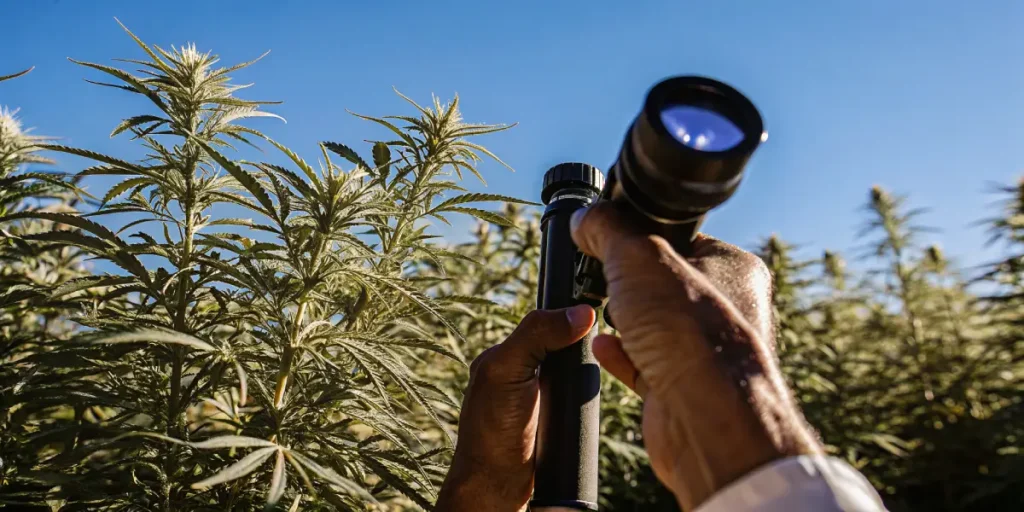
A refractometer is a straightforward device that measures the refraction of light through a liquid. In cannabis cultivation, it is used to gauge the Brix level, which refers to the sugar content in the plant’s sap. High Brix levels indicate healthy plants and robust growth, making a refractometer an essential tool for outdoor growers.
Recommended Strains
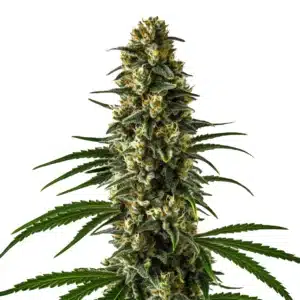
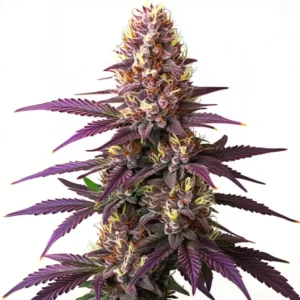
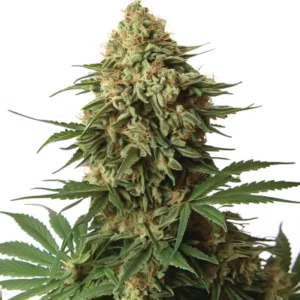
Girl Scout Cookies

|
THC | 18% - 25% (Medium) |

|
Type | Feminized |

|
Yield | High |

|
Phenotype | 60% Indica / 40% Sativa |

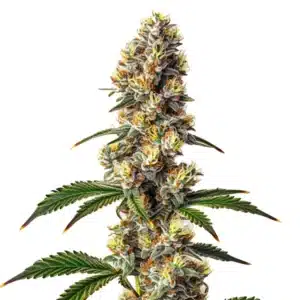
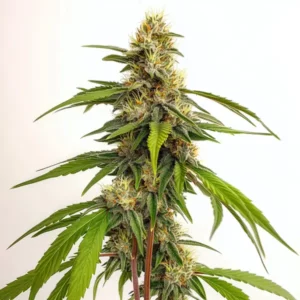
Fat Bastard
|
|
THC | 30% - 38% (High) |
|
|
Type | Feminized |
|
|
Yield | High |
|
|
Phenotype | 50% Indica / 50% Sativa |
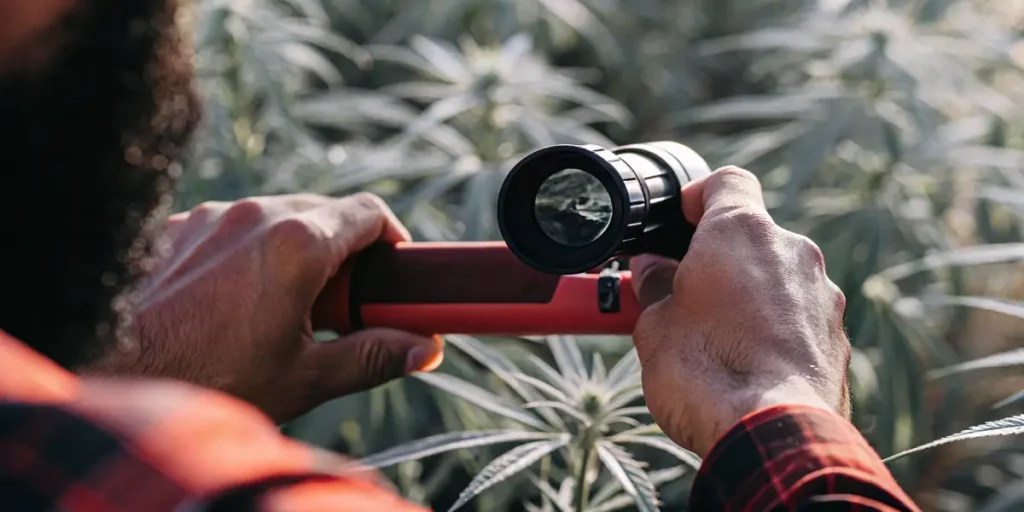
To start using a refractometer, first familiarize yourself with its parts, such as the eyepiece, prism, and calibration screws. You’ll need to calibrate it before use. This ensures the readings you get are accurate, which is vital for making informed decisions about your plant care routines.
How to Calibrate a Refractometer for Cannabis
Calibration is the first step in using a refractometer. Begin by cleaning the prism with a soft cloth to prevent any residue from affecting your results. Distilled water is used for initial calibration. Place a few drops on the prism, and look through the eyepiece to see where the boundary line falls on the scale. Knowing how to use a refractometer in outdoor cannabis cultivation ensures accurate readings and reliable data when monitoring plant health in open-air growing conditions.
Adjust the calibration screw until the boundary line aligns with the zero line on the scale. This process ensures that your refractometer gives accurate readings when measuring your cannabis plants. Regular calibration is necessary, especially if you notice inconsistent readings.
Knowing how to calibrate a refractometer for cannabis is crucial for achieving optimal refractometer readings for outdoor cannabis. This step prepares the tool for precise measurements, ensuring that environmental factors do not skew the results. By consistently maintaining your refractometer, you ensure that each reading reflects your plant’s true health, enabling you to make better decisions about cultivation practices.
For outdoor cannabis growers, regular calibration is especially important due to the fluctuating environmental conditions. Temperature changes or humidity can affect the calibration of your refractometer, making it vital to check its accuracy frequently. By prioritizing calibration, you lay the groundwork for reliable data collection, which in turn supports effective plant management.
Using a Refractometer to Measure Cannabis Plant Health
Once calibrated, you can start measuring the Brix levels of your cannabis plants. Collect a small sample of sap from the plant’s stem or leaves. This can be done using a garlic press or similar tool to extract sap efficiently. Place a few drops of the sap on the refractometer’s prism.
Look through the eyepiece and note the reading. High Brix levels usually indicate healthy plants with optimal nutrient uptake. This measurement can help you identify potential deficiencies early, allowing you to adjust fertilization or watering schedules accordingly.
Using a refractometer to measure cannabis plant health allows growers to gain insights into the plant’s condition beyond visual inspection. By knowing the Brix levels, growers can detect early signs of stress or nutrient deficiencies, enabling them to take corrective actions promptly. This proactive approach can prevent minor issues from escalating into significant problems that could impact yield and quality.
Moreover, regularly measuring Brix levels helps in tracking the effectiveness of different cultivation strategies. For example, if a new nutrient blend is introduced, changes in Brix levels can indicate its impact on plant health. This data-driven approach helps growers refine their techniques, ultimately leading to healthier plants and better harvests.
Optimal Refractometer Readings for Outdoor Cannabis
Cannabis plants thrive with Brix levels of 12 or higher. Levels below 12 may indicate stress or nutrient deficiencies. Regular monitoring allows you to adjust your cultivation practices, ensuring your plants remain in excellent health.
In outdoor settings, factors like sunlight, soil quality, and water availability can affect Brix levels. For instance, the Girl Scout Cookies strain from Blimburn Seeds is known for its resilience but still benefits from consistent monitoring to maintain high Brix levels.
Optimal refractometer readings for outdoor cannabis are crucial for ensuring plants receive the right care. By maintaining Brix levels of 12 or above, growers can promote robust growth and enhance the plant’s overall health. This benchmark helps in setting goals for nutrient management and watering schedules, ensuring that plants receive the necessary support throughout their growth cycle.
Tracking Brix levels over time also enables growers to understand the unique requirements of different cannabis strains. For instance, some strains may naturally exhibit higher Brix levels, while others may require more intervention to reach the desired range. By customizing care strategies based on refractometer readings, growers can optimize conditions for each specific strain, resulting in higher yields and better quality crops.
Promos & Deals


Interpreting Refractometer Results in Cannabis Cultivation
Interpreting your readings is crucial. High Brix levels not only signify good health but also enhance flavor and cannabinoid content. On the other hand, low levels could suggest that your plants are under stress, possibly due to pests, diseases, or insufficient nutrients.
To make accurate interpretations, compare your readings over time. A sudden drop in Brix levels may indicate an urgent need for intervention, whether that’s through pest control or nutrient amendments. By keeping a log, you can better understand how environmental changes affect your plants.
Learning how to interpret refractometer results in cannabis cultivation is a vital skill for growers aiming to optimize their practices. By analyzing Brix levels, growers can gain insights into the plant’s physiological state and make informed decisions about care strategies. This analytical approach supports a proactive management style, allowing potential issues to be addressed before they affect plant health severely.
Furthermore, interpreting refractometer results facilitates a deeper knowing of the interrelationship between environmental factors and plant health. By correlating Brix readings with environmental conditions, growers can adjust their cultivation practices to mitigate stress factors. This adaptability is key to maintaining plant vigor and achieving successful harvests in outdoor cannabis cultivation.
Refractometer Troubleshooting for Cannabis Growers
If you’re facing issues with your refractometer, start by checking the calibration. Make sure the prism is clean and free of any sticky sap residues. If readings fluctuate wildly, recalibrate the device with distilled water.
Another common issue is improper sample collection. Ensure you are using a clean tool to extract sap and that your samples are fresh. Old or contaminated sap can lead to inaccurate readings, skewing your knowing of the plant’s health.
Refractometer troubleshooting for cannabis growers often involves a few key checks to ensure accurate readings. Start by examining the condition of the refractometer’s prism; it should be free from scratches and residue. Regular maintenance, including cleaning the prism with a soft cloth, helps prevent inaccuracies caused by dirt or dried sap.
Additionally, environmental factors like temperature and humidity can affect refractometer performance. Inconsistent readings might require more frequent recalibration, especially in outdoor settings where conditions can change rapidly. By staying vigilant and addressing these factors, growers can maintain the reliability of their refractometer data, supporting effective decision-making in cannabis cultivation.
FAQs about how to use a refractometer in outdoor cannabis cultivation
What is a refractometer and how is it used in cannabis cultivation?
A refractometer is an instrument that measures the degree to which light changes direction, or refracts, as it passes through a liquid. In cannabis cultivation, it’s primarily used to measure the sugar content, or Brix level, in plant sap. This gives growers an idea of the plant’s health and nutrient uptake efficiency.
To use it, a small sap sample from the cannabis plant is placed on the refractometer’s prism. By looking through the eyepiece, growers can read the Brix level and make informed decisions about their cultivation practices, such as adjusting nutrients or watering schedules.
Knowing how to use a refractometer in outdoor cannabis cultivation enables growers to keep a close watch over their plants’ health. This tool is invaluable for diagnosing issues early and implementing timely interventions. By integrating refractometer readings into regular cultivation routines, growers can enhance the quality and yield of their crops while maintaining optimal plant health.
The effectiveness of a refractometer in cannabis cultivation lies in its ability to provide real-time insights into plant health. By regularly monitoring Brix levels, growers can adapt their strategies to the specific needs of each strain, ultimately leading to improved outcomes. This precision in plant care underscores the importance of incorporating refractometers into outdoor cannabis cultivation practices.
How do I calibrate my refractometer for accurate readings in cannabis growing?
Calibration is critical for obtaining accurate readings. Start by cleaning the refractometer’s prism with a soft cloth. Use distilled water for initial calibration by placing a few drops on the prism and adjusting the calibration screw until the reading aligns with the zero mark on the scale.
Regular calibration is recommended, especially if readings seem inconsistent. This process ensures that your refractometer provides reliable data, which is essential for maintaining optimal plant health in cannabis cultivation.
Learning how to calibrate a refractometer for cannabis is foundational for ensuring accurate and dependable readings. This process should be part of your regular maintenance routine to prevent errors caused by environmental changes or equipment wear. By prioritizing calibration, you enhance the reliability of your refractometer, thus supporting better decision-making in your cultivation practices.
Furthermore, maintaining a calibrated refractometer allows you to trust the data you collect. This trust is crucial when making adjustments to nutrient levels or other cultivation factors. Consistent calibration helps avoid misinterpretations that could lead to unnecessary interventions or missed opportunities to optimize plant health.
What are the benefits of using a refractometer in outdoor cannabis cultivation?
Using a refractometer offers several benefits, including the ability to monitor plant health and optimize growing conditions. By measuring Brix levels, growers can detect nutrient deficiencies or stress early, allowing them to make timely interventions that promote robust plant growth.
In outdoor cannabis cultivation, where environmental factors can vary greatly, a refractometer helps ensure plants receive the right amount of nutrients and water. This leads to healthier plants, better yields, and improved cannabinoid and flavor profiles.
The benefits of using a refractometer in outdoor cannabis cultivation extend beyond basic monitoring. This tool provides a quantitative measure of plant health, offering insights that are not visible to the naked eye. By integrating refractometer data into your cultivation practices, you can create a more responsive and efficient growing environment.
Additionally, refractometers help in tailoring care strategies to the specific needs of different cannabis strains. By knowing how various strains respond to changes in Brix levels, growers can fine-tune their approaches, ensuring that each plant receives optimal care. This precision contributes to higher quality yields and a more successful cultivation process.
What should I do if my refractometer gives inconsistent readings?
Inconsistent readings can be frustrating but are often resolved by recalibrating the refractometer. Ensure the prism is clean and that you’re using fresh, uncontaminated sap samples. Check if environmental factors like temperature or humidity are affecting the readings.
If issues persist, consider recalibrating more frequently or consulting the refractometer’s manual for additional troubleshooting tips. Accurate readings are essential for effective cannabis cultivation, so addressing these issues promptly is important.
Refractometer troubleshooting for cannabis growers requires a systematic approach to identify and resolve the source of inconsistencies. Begin by verifying that the equipment is clean and free from any residues that could affect readings. Regular maintenance and cleaning are key to ensuring the refractometer functions correctly.
Furthermore, environmental conditions such as extreme temperatures or humidity can influence the accuracy of refractometer readings. Monitoring these factors and adjusting your calibration routine accordingly can help mitigate their impact. By addressing these potential issues, you ensure that your refractometer remains a reliable tool in your cannabis cultivation toolkit.
How can I interpret refractometer results to improve my cannabis growing practices?
Interpreting refractometer results involves knowing the Brix levels and how they relate to plant health. High Brix levels generally indicate healthy plants, while low levels may signal stress or deficiencies. Keeping a log of these readings helps track changes over time.
Use this information to adjust your growing practices, such as modifying nutrient levels or watering schedules. By consistently monitoring and interpreting refractometer results, you can fine-tune your approach to each cannabis strain, leading to better growth and higher yields.
To effectively interpret refractometer results in cannabis cultivation, it is important to correlate Brix levels with other indicators of plant health. This comprehensive analysis can guide strategic decisions about nutrient management, pest control, and environmental adjustments. By leveraging refractometer data, growers can enhance their knowing of plant needs and optimize their care routines accordingly.
Moreover, maintaining a detailed log of refractometer readings allows you to identify trends and patterns over time. This historical data can inform future cultivation strategies, helping you anticipate potential challenges and make proactive adjustments. This level of insight is invaluable for achieving consistently high-quality cannabis crops.