Expert Guide: How Testing Improves THC and Terpene Levels in Cannabis

How testing improves THC and terpene levels in cannabis is essential knowledge for both novice and seasoned cannabis enthusiasts, as achieving the best THC and terpene levels is a shared goal. Testing plays a crucial role in reaching this objective. By using precise testing methods, growers can ensure that their plants produce the desired potency and flavor profile.
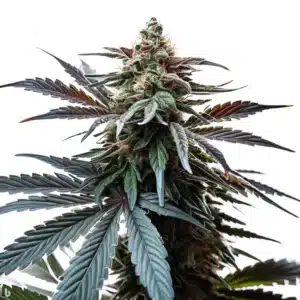
Take, for example, a popular strain from Blimburn Seeds like the “Mamba Negra“. This strain is known for its rich THC content and unique terpene profile, which can be consistently achieved through precise testing. Accurate testing allows growers to monitor these levels and make necessary adjustments to cultivation practices.
Recommended Strains
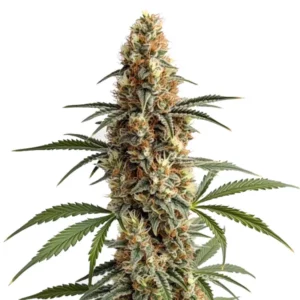
Mamba Negra

|
THC | 18% (Medium) |

|
Type | Feminized |

|
Yield | High |

|
Phenotype | 55% Indica / 45% Sativa |

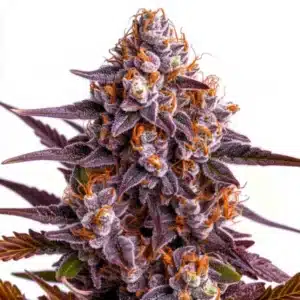
Blackberry Moonrocks
|
|
THC | 26% - 33% (High) |
|
|
Type | Feminized |
|
|
Yield | High |
|
|
Phenotype | 80% Indica / 20% Sativa |
Testing isn’t just about numbers on a chart. It’s about knowing the growth process and how changes affect outcomes. By regularly testing, growers can fine-tune their methods to maximize THC and terpene concentrations, ensuring a high-quality product every time.
The Importance of Testing in Cannabis Cultivation
Testing cannabis is not just for meeting regulatory requirements. It is a vital tool for improving the quality of the end product. Regular testing allows growers to gauge the health of their plants and the effectiveness of their cultivation techniques.
For instance, with strains like “Blackberry Moonrocks” from Blimburn Seeds, testing can help maintain its signature potency and aroma. By examining THC levels and terpene profiles, growers can adjust lighting, nutrients, and other factors to enhance these traits.
Furthermore, testing provides a framework for innovation in cultivation techniques. By knowing how testing improves THC and terpene levels in cannabis, growers can experiment with different variables to discover new methods for boosting potency and flavor. This innovation helps in creating unique product offerings that stand out in the market.
The function of testing in cannabis quality control cannot be overstated. It serves as a checkpoint for growers, ensuring that every step of the cultivation process meets high standards. By integrating testing into their routine, growers can consistently deliver products that satisfy both regulatory standards and consumer expectations.
Promos & Deals

Benefits of Testing Cannabis THC Levels
High THC levels are often associated with stronger effects, which many consumers seek. Testing helps ensure that the THC levels in cannabis meet these expectations. This is particularly important for first-time buyers who rely on potency information to make informed choices.
With accurate THC level testing, growers can confidently market their products, knowing they have met the desired potency standards. This not only boosts consumer trust but also enhances the reputation of brands like Blimburn Seeds.
Additionally, the benefits of testing cannabis THC levels extend to the cultivation process itself. By identifying the factors that enhance THC production, such as specific nutrient mixes or light cycles, growers can optimize their operations for maximum yield. This not only improves the quality of the product but also increases overall efficiency.
Testing also contributes to a better knowing of how environmental stresses affect THC levels. By analyzing data from different grow cycles, growers can develop strategies to mitigate negative impacts, ensuring a robust and resilient crop. This proactive approach is critical for maintaining high-quality standards over time.
Improving Cannabis Terpene Profile Through Testing
Terpenes are the compounds responsible for the aroma and flavor of cannabis. Testing helps in identifying and enhancing these profiles. For example, the “GG4” strain from Blimburn Seeds is renowned for its complex terpene profile.
By testing the terpene levels, growers can understand how environmental factors and cultivation techniques influence these compounds. This knowledge allows them to refine their processes to produce a cannabis plant with the desired aroma and taste.
The process of improving cannabis terpene profile through testing also involves knowing the interplay between different terpenes. By analyzing terpene interactions, growers can create unique flavor profiles that cater to specific consumer preferences. This customization is a significant advantage in a competitive market.
Furthermore, testing provides insights into the stability of terpene profiles throughout the plant’s lifecycle. By maintaining consistent testing protocols, growers can ensure that the final product retains its desired characteristics from harvest to consumption, thus enhancing customer satisfaction.

Impact of Testing on Cannabis Potency
How testing improves THC and terpene levels in cannabis is a crucial factor in cultivation success. Potency is a major selling point for cannabis products, and regular testing helps growers maintain the desired potency levels, ensuring that each batch meets consumer expectations. This consistency is key to building a loyal customer base.
Testing impacts potency by providing detailed insights into how different cultivation techniques affect THC levels. Growers can then tailor their methods to enhance potency, whether through adjusting nutrient levels or modifying light exposure.
The impact of testing on cannabis potency is also evident in the improved ability to predict harvest outcomes. By knowing the relationships between various growth factors and potency levels, growers can better schedule their harvests to maximize THC concentrations at peak times.
Moreover, testing allows for the identification of specific phenotypes within a strain that naturally produce higher potency levels. By selecting and propagating these phenotypes, growers can consistently achieve higher THC levels, thereby enhancing the overall quality and marketability of their products.
How Testing Enhances Cannabis Terpene Concentration
Terpene concentration is not just about flavor, but also about the overall cannabis experience. Testing provides insights into how to enhance these concentrations effectively.
For instance, with “Blackberry Moonrocks”, testing can reveal how slight changes in humidity or temperature affect terpene production. Armed with this information, growers can create optimal conditions for terpene development.
How testing enhances cannabis terpene concentration is closely linked to the ability to monitor and adapt to environmental changes. By using real-time data, growers can make immediate adjustments to factors like humidity and soil composition, ensuring that terpene levels remain optimal throughout the growth cycle.
Besides, testing aids in identifying the most effective cultivation practices for terpene enhancement. Whether it’s tweaking the nutrient regimen or altering the light spectrum, these insights allow growers to fine-tune their methods, leading to a more aromatic and flavorful product that resonates with consumers.
Role of Testing in Cannabis Quality Control
Quality control in cannabis cultivation is essential for ensuring product safety and consistency. Testing plays a critical role in this process by providing a reliable method for assessing product quality.
Through rigorous testing, growers can detect contaminants or issues early, allowing them to address these problems before the product reaches consumers. This is particularly important for maintaining the quality standards expected from reputable brands like Blimburn Seeds.
The role of testing in cannabis quality control extends beyond contamination detection. It also involves verifying the accuracy of labeling related to THC and terpene content, ensuring that consumers receive exactly what they expect. This transparency builds trust and enhances the brand’s credibility.
Moreover, testing contributes to a continuous improvement cycle in cultivation practices. By analyzing test results over multiple grow cycles, growers can identify areas for enhancement, implement changes, and measure the impact of those changes, leading to ongoing quality improvements and operational excellence.
FAQs about How testing improves THC and terpene levels in cannabis
How does testing improve the THC levels in cannabis?
Testing helps growers understand the factors that influence THC levels, such as genetics, environmental conditions, and cultivation techniques. By analyzing these factors, growers can make informed adjustments to enhance THC concentrations in their plants.
For instance, testing might reveal that a particular nutrient boosts THC production. Growers can then use this information to adjust their fertilization strategies, ensuring that their plants achieve the desired potency.
Furthermore, knowing how testing improves THC and terpene levels in cannabis can lead to more targeted breeding programs. By selecting parent plants with desirable traits identified through testing, growers can develop new strains with enhanced THC profiles.
Testing also provides the data needed to optimize the timing of nutrient applications and environmental adjustments, maximizing THC levels at critical growth stages. This precision approach ensures that every plant reaches its full potential.
What is the significance of testing terpenes in cannabis?
Terpenes not only contribute to the aroma and flavor of cannabis but also to the overall experience. Testing terpenes allows growers to refine these profiles, ensuring that their products meet consumer expectations for taste and scent.
By knowing how different factors influence terpene production, growers can adjust their cultivation techniques to enhance these profiles, leading to a more desirable product.
Additionally, testing terpenes in cannabis provides insights into how these compounds interact with cannabinoids to create the entourage effect. By optimizing terpene profiles, growers can enhance the therapeutic and recreational experiences of their products.
The significance of terpene testing also lies in its ability to identify unique profiles that can be trademarked or branded, offering a competitive edge in the market. This differentiation can attract niche market segments looking for specific flavor and aromatic experiences.
Can testing affect the marketability of cannabis products?
Yes, testing significantly impacts the marketability of cannabis products. Accurate testing ensures that products meet advertised potency and flavor profiles, which boosts consumer trust and satisfaction.
For brands like Blimburn Seeds, consistent testing results in a reliable product that consumers can depend on, enhancing brand reputation and market position.
Testing also contributes to compliance with regulatory standards, which is crucial for entering and maintaining presence in legal markets. By meeting these standards through rigorous testing, growers can expand their market reach and access new customer bases.
Moreover, tested and certified products can command premium pricing, as consumers are often willing to pay more for assurance of quality and consistency. This increased revenue potential highlights the impact of testing on the overall profitability of cannabis products.
How do growers use testing to maintain cannabis quality?
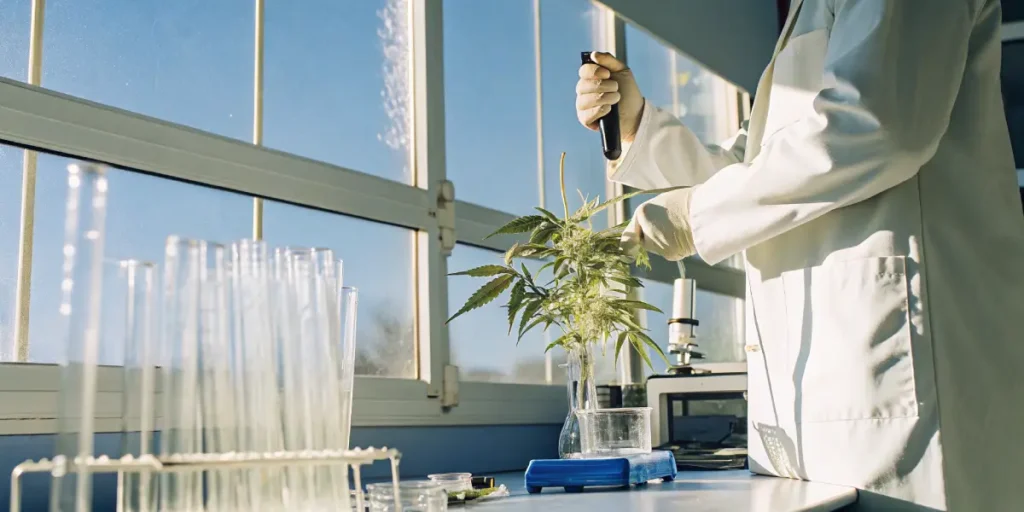
Growers use testing to monitor the health and quality of their cannabis plants throughout the cultivation process. This includes assessing THC and terpene levels, as well as checking for potential contaminants.
By using this data, growers can make necessary adjustments to their processes, ensuring that the final product meets high-quality standards and is safe for consumption.
Testing also helps in benchmarking performance against industry standards or competitors. By knowing where their products stand in the market, growers can set realistic goals for improvement and innovation.
Furthermore, testing provides a scientific basis for making informed decisions about resource allocation, such as investments in new technology or infrastructure improvements, optimizing both quality and operational efficiency.
What are the practical steps for testing cannabis effectively?
Effective cannabis testing involves regular sampling throughout the growth cycle, from early vegetative stages to post-harvest. Growers should use reliable testing methods to analyze both THC and terpene levels.
It’s also important to keep detailed records of testing results, cultivation conditions, and any adjustments made. This data can help identify trends and guide future cultivation practices for improved results.
Another practical step is to establish partnerships with certified testing laboratories that can provide accurate and timely analysis. These collaborations ensure that growers have access to the latest testing technologies and methodologies.
Regular training for staff on testing protocols and data interpretation is also crucial. By empowering team members with the knowledge to understand and act on test results, growers can enhance the overall effectiveness of their quality control processes.