Expert Guide: How Cannabis Growers Use Testing to Boost Yield

In the competitive world of cannabis cultivation, achieving high yields is crucial for both novice and seasoned growers. Many are turning to innovative methods to ensure their crops thrive. A key strategy is incorporating tissue and sap testing. How cannabis growers use tissue and sap testing to improve yield lies in the ability of these methods to reveal precise nutrient levels and plant health indicators, allowing for tailored care that enhances growth, potency, and overall yield.
Cannabis growers use tissue and sap testing to improve yield by identifying deficiencies and excesses in nutrient levels. This proactive approach means issues can be addressed before they impact growth. With this data, growers can optimize nutrient delivery, ensuring plants receive exactly what they need at the right time.
Recommended Strains

Bruce Banner #3

|
THC | 20% - 29% (High) |

|
Type | Feminized |

|
Yield | Medium |

|
Phenotype | 50% Indica / 50% Sativa |

Sour Diesel
|
|
THC | 22% - 25% (Medium) |
|
|
Type | Feminized |
|
|
Yield | High |
|
|
Phenotype | 30% Indica / 70% Sativa |
Both tissue and sap testing provide a snapshot of plant health. While tissue tests analyze the solid parts of the plant, sap tests focus on the fluid inside. Together, these methods offer a comprehensive view of nutrient uptake and metabolism, crucial for maximizing the output of strains like Blue Dream, Bruce Banner #3, and Sour Diesel from Blimburn Seeds.
Cannabis Tissue Testing for Yield Improvement
Cannabis tissue testing for yield improvement is a technique that provides growers with a detailed knowing of their plants’ nutritional status. By regularly analyzing tissue samples, cultivators can detect subtle changes in nutrient levels, allowing them to fine-tune their feeding strategies precisely. This attention to detail ensures that plants receive a balanced supply of nutrients, promoting vigorous growth and robust yields.
This method also helps growers avoid over-fertilization, a common mistake that can lead to nutrient burn and reduced plant performance. By identifying nutrient imbalances early, growers can make informed adjustments to their fertilization routines, supporting optimal plant health and maximizing the potential of high-yielding strains from Blimburn Seeds. How cannabis growers use tissue and sap testing to improve yield is a testament to the importance of precision agriculture in modern cannabis cultivation.
Growers who utilize tissue testing can make informed decisions about fertilization. For instance, if a test shows low potassium, growers can adjust their nutrient mix to boost this element. This targeted approach not only improves plant health but also enhances yield potential. Blue Dream, a popular strain from Blimburn Seeds, thrives with such precision care, resulting in lush growth and abundant harvests.
Sap Analysis in Cannabis Cultivation
Sap analysis in cannabis cultivation offers an immediate view of a plant’s nutrient status, providing critical insights that traditional tissue testing may not reveal. Because sap testing captures the current nutrient availability within plants, it allows growers to address deficiencies as they develop, rather than after they’ve already impacted growth. This real-time data is essential for maintaining a healthy nutrient balance and preventing growth stunting conditions.
Furthermore, sap analysis can help growers tailor their nutrient delivery systems to better match the dynamic needs of their cannabis plants. By knowing which nutrients are in demand at different growth stages, cultivators can optimize their feeding schedules and formulations. This level of precision is key to optimizing cannabis growth with tissue testing and ensuring plants like those from Blimburn Seeds reach their full yield potential.
Sap analysis provides real-time data on the nutrient status of cannabis plants. Unlike tissue testing, which offers a snapshot of past nutrient uptake, sap testing reveals what’s currently available to the plant. This is vital for making immediate adjustments.
For example, if sap analysis indicates a calcium deficiency, growers can quickly supplement this nutrient. This rapid response prevents potential growth issues, ensuring plants remain robust and productive. Cannabis yield enhancement using sap and tissue tests is particularly evident in high-demand strains such as Bruce Banner #3, where maximizing every growth stage is essential.
How cannabis growers use tissue and sap testing to improve yield is a vital practice for modern cultivators. Sap testing also helps in balancing nutrient ratios, which is crucial for optimal growth. By maintaining the right balance, growers can avoid common problems like nutrient lockout, where plants can’t absorb nutrients due to imbalances. This method of optimizing cannabis growth with tissue testing and sap analysis is an invaluable tool for serious cultivators.
Promos & Deals




Benefits of Sap Testing in Cannabis Farming
The benefits of sap testing in cannabis farming extend beyond immediate nutrient management. By continuously monitoring the sap’s nutrient profile, growers can establish a robust database of plant responses over multiple growth cycles. This data-driven approach enables cultivators to develop more effective long-term growing strategies, enhancing both yield and quality year after year.
Moreover, sap testing can aid in the early detection of potential stress factors, such as water imbalances or environmental changes, that might otherwise go unnoticed until they adversely affect plant health. By integrating sap analysis into their routine, growers can maintain a proactive stance, mitigating risks before they escalate and ensuring their crops from Blimburn Seeds consistently meet market demands for quality and quantity.
One of the primary benefits of sap testing in cannabis farming is the ability to detect and correct nutrient imbalances before they cause visible symptoms. This preemptive approach is a game-changer for growers aiming to maintain plant vitality throughout the growth cycle.
For strains like Sour Diesel from Blimburn Seeds, which are known for their vigor and high yield potential, sap testing ensures these plants receive the precise nutrients they need at each growth stage. This results in healthier plants that produce superior buds, enhancing both yield and quality.
Implementing a Testing Routine
Implementing a testing routine involves more than just scheduling regular tests; it requires an integrated approach to knowing the growth dynamics of cannabis plants. Growers should consider environmental factors and plant developmental stages when setting up their testing schedules. This holistic approach ensures that nutrient management strategies are both responsive and proactive, leading to more resilient and productive plants.
Moreover, collaboration with testing laboratories can help growers interpret their results more effectively, providing them with actionable insights. By working closely with experts, cultivators can enhance their knowing of plant physiology and improve their ability to respond to nutrient deficiencies or toxicities, ultimately leading to better yield outcomes from strains like those offered by Blimburn Seeds.
Setting up a regular testing routine is crucial for leveraging the benefits of tissue and sap testing. Many growers start by scheduling tests at key growth stages, such as vegetative and flowering phases. This routine helps identify shifts in nutrient needs, allowing for timely interventions.
It’s also important to choose the right samples for testing. Collecting leaves from similar parts of each plant ensures consistent and reliable results. This consistency is vital for accurate comparisons over time, enabling growers to fine-tune their nutrient strategies effectively.
By implementing a structured testing routine, growers can systematically improve their crops. This methodical approach is especially beneficial for new growers, who might otherwise be overwhelmed by the complexities of nutrient management. Regular testing demystifies this process, making it manageable and rewarding.
Real-Life Examples of Yield Improvement
Real-life examples of yield improvement through testing highlight the tangible benefits of incorporating these practices into cannabis cultivation. For instance, a grower might discover through tissue testing that their plants are experiencing a hidden micronutrient deficiency. By addressing this issue early, they can prevent stunted growth and ensure a more substantial harvest.
Additionally, lessons learned from sap analysis can provide growers with a competitive edge. By knowing the nutrient needs of different strains, such as those from Blimburn Seeds, cultivators can tailor their strategies to capitalize on each plant’s unique characteristics. This strategic approach can lead to significant long-term yield enhancements and increased profitability.
Many growers have reported significant improvements in yield thanks to tissue and sap testing. For instance, one cultivator working with Bruce Banner saw a 20% increase in yield after addressing a hidden magnesium deficiency identified through sap testing.
Another grower focusing on Blue Dream used tissue testing to uncover low nitrogen levels early in the growth cycle. By adjusting their feeding regimen, they were able to boost plant growth and ultimately harvest a more abundant crop.
FAQs about How cannabis growers use tissue and sap testing to improve yield
What is the difference between tissue and sap testing?
Tissue testing analyzes the solid parts of the plant, such as leaves, to determine historical nutrient uptake. This method provides insights into what nutrients have been stored and are available for future growth. It helps growers identify if any essential nutrients are lacking or in excess.
Sap testing, on the other hand, examines the liquid part of the plant, offering a real-time snapshot of what’s currently available to the plant. This allows growers to make immediate adjustments to their nutrient regimen, addressing current deficiencies or toxicities before they affect plant health.
Knowing the differences between these testing methods helps growers decide which one best suits their needs at any given time. While tissue testing is excellent for long-term nutrient management, sap analysis offers a more immediate approach, essential for quick interventions. Together, they provide a comprehensive toolset for optimizing cannabis growth with tissue testing and sap analysis.
Both methods are integral to a well-rounded approach to nutrient management in cannabis farming. By integrating them into their cultivation practices, growers can enhance their knowing of plant health and make informed decisions that lead to healthier plants and higher yields, especially in high-performance strains from Blimburn Seeds.
How often should I conduct tissue and sap tests?
Regular testing is key to maximizing the benefits of these analyses. Many growers conduct tests during key growth stages, such as the transition from vegetative to flowering. This ensures that nutrient needs are met at every critical phase of development.
For ongoing monitoring, some growers opt for monthly tests to keep a close eye on nutrient levels. This frequency allows them to make necessary adjustments and maintain optimal conditions throughout the growth cycle, leading to healthier plants and higher yields.
Establishing a consistent testing schedule allows growers to track changes in nutrient uptake over time, providing valuable data that can inform future cultivation strategies. This systematic approach to monitoring helps prevent nutrient deficiencies and toxicities, ensuring plants achieve their full potential.
Moreover, frequent testing can help growers identify trends or patterns in nutrient demands, enabling them to adjust their feeding practices proactively. This is especially important for maintaining the health and productivity of high-yielding strains from Blimburn Seeds, where even minor nutrient imbalances can significantly impact overall performance.
Can tissue and sap testing help with pest control?
While tissue and sap testing primarily focus on nutrient management, they can indirectly aid pest control. Healthy plants are more resilient to pests and diseases. By ensuring plants have the right nutrients, growers can enhance their natural defenses.
Moreover, certain nutrient imbalances can make plants more susceptible to pests. For example, excess nitrogen can attract certain insects. By maintaining balanced nutrient levels through testing, growers can reduce the risk of pest infestations.
Besides to strengthening plant defenses, nutrient testing can alert growers to conditions that may predispose plants to pest problems. By addressing these imbalances promptly, cultivators can prevent pests from gaining a foothold and reduce the need for chemical interventions.
Furthermore, by optimizing cannabis growth with tissue testing and sap analysis, growers can ensure that their plants are robust and healthy, providing an inhospitable environment for pests. This integrated approach to plant health management can lead to more sustainable and environmentally friendly cultivation practices.
Are there any limitations to tissue and sap testing?
While incredibly useful, tissue and sap testing have limitations. They require access to a laboratory for analysis, which can be a barrier for some growers. Additionally, interpreting the results can be complex, especially for those new to cannabis cultivation.
Despite these challenges, the benefits often outweigh the drawbacks. With practice and experience, growers can learn to navigate these complexities, using the insights gained to enhance their cultivation practices and improve yield.
Another limitation is the potential delay between sample collection and receiving results, which can slow down decision-making processes. However, advances in portable testing technology are helping to mitigate this issue by providing faster turnaround times.
Ultimately, integrating these testing methods into a comprehensive cultivation strategy requires a commitment to ongoing learning and adaptation. As growers become more proficient in interpreting data, they’ll find that the insights gained from tissue and sap analysis are invaluable tools for cannabis yield enhancement using sap and tissue tests.
What equipment is needed for sap testing?
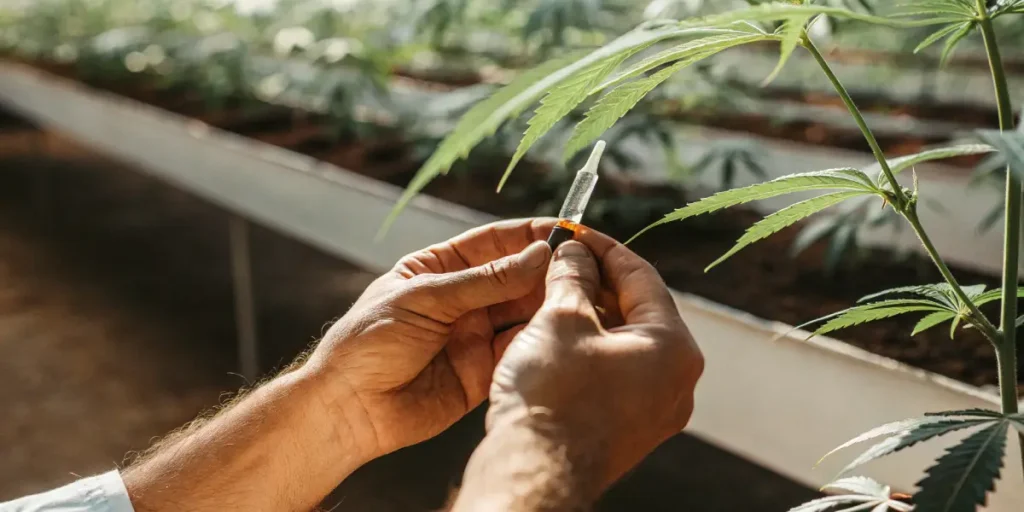
Sap testing requires a few specialized tools. A sap press is essential for extracting the liquid from the plant material. This device squeezes the sap out of leaves or stems, which can then be tested for nutrient content.
Besides to the press, growers will need access to a lab that can perform the analysis. Some may choose to invest in portable testing kits, which allow for on-site analysis and quicker results, making nutrient management more efficient and responsive.
Alongside the sap press, growers may also benefit from using precision scales and collection containers to ensure accurate sample preparation. Having the right equipment ensures that the sap extraction process is efficient and that the samples remain uncontaminated, providing reliable results.
For those interested in conducting sap analysis in cannabis cultivation on-site, investing in portable meters for measuring pH and electrical conductivity can provide additional insights into nutrient availability. These tools, combined with sap testing, offer a comprehensive system for monitoring and managing plant health and productivity.