Expert Guide: Foliar vs Root Nutrient Uptake in Cannabis

Foliar vs root nutrient uptake in cannabis: role of tissue/sap tests is a key concept for understanding how cannabis plants absorb essential elements for optimal growth. Nutrient uptake is crucial for cannabis development, and foliar and root uptake are the two primary methods. Foliar nutrient uptake involves spraying nutrients directly onto leaves, allowing the plant to absorb them through leaf pores. Root uptake, on the other hand, refers to nutrient absorption through the root system when nutrients are mixed with water. Each method has its pros and cons, and tissue or sap tests can help determine which approach is most effective for maintaining balanced nutrition.
Foliar feeding offers quick results. It’s ideal for addressing nutrient deficiencies fast. Root uptake is slower but more sustainable for long-term growth. With cannabis, choosing the right method can affect yield and potency. Tissue and sap tests play a role in determining the best strategy.
Recommended Strains
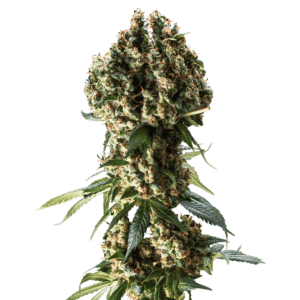
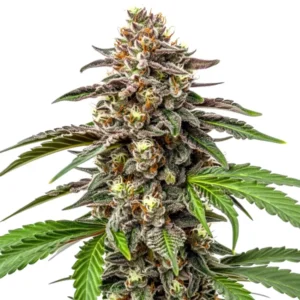
Granddaddy Purple

|
THC | 25% (High) |

|
Type | Feminized |

|
Yield | Medium |

|
Phenotype | 70% Indica / 30% Sativa |

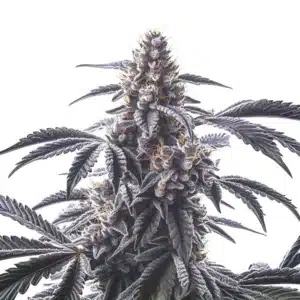
GG4
|
|
THC | 27% (High) |
|
|
Type | Feminized |
|
|
Yield | High |
|
|
Phenotype | 40% Indica / 60% Sativa |
Blimburn Seeds offers strains like GG4, Bruce Banner #3, and Granddaddy Purple that respond well to both foliar and root feeding. Knowing how these methods work helps in maximizing the potential of these strains.
Foliar Nutrient Uptake vs Root Uptake in Cannabis
Foliar vs root nutrient uptake in cannabis: role of tissue/sap tests is crucial for understanding how plants absorb and utilize nutrients. Foliar feeding is fast and efficient, directly targeting the plant’s leaves and providing quick relief from deficiencies. This method is particularly beneficial during the flowering stage when roots might have difficulty absorbing enough nutrients. Foliar feeding can help boost essential nutrient levels, leading to improved bud quality.
Root uptake, however, is the backbone of nutrient absorption. It ensures that the plant has a steady supply of nutrients. This method is more gradual, allowing for consistent growth. It also supports the plant’s overall health and resilience over time. Both methods have their place in cannabis cultivation.
In the debate of foliar nutrient uptake vs root uptake in cannabis, it’s essential to understand the timing and specific needs of the plant. During periods of rapid growth, foliar feeding can provide the immediate nutrient boost required, while root uptake continues to build the plant’s foundational strength. The synergy of these methods, especially when guided by sap analysis in cannabis nutrient absorption studies, allows growers to tailor their approaches.
By integrating both methods, cannabis cultivators can address acute deficiencies quickly while ensuring a consistent supply of nutrients through root uptake. This combined strategy is particularly effective in optimizing the yield and potency of cannabis strains from Blimburn Seeds, ensuring both immediate and long-term benefits.
Cannabis Tissue Testing for Nutrient Uptake Comparison
Tissue testing involves analyzing plant leaves to determine nutrient levels. This method helps growers understand what nutrients the plant lacks or has in excess. By testing tissue, you can tailor your nutrient strategy more precisely. It gives a snapshot of the plant’s current state and helps in making informed decisions.
Sap analysis is a bit different. It focuses on the plant’s nutrient uptake over time, offering dynamic insights. Unlike tissue testing, sap analysis reveals how nutrients move within the plant. This method is gaining traction among cannabis growers for its detailed insights into nutrient absorption.
Through cannabis tissue testing for nutrient uptake comparison, growers can pinpoint specific nutrient imbalances at a given moment. This precision allows for targeted foliar interventions that can immediately address any discrepancies, ensuring that the plant remains in optimal health. For instance, a tissue test might identify a potassium deficiency, prompting a targeted foliar application to rectify the situation swiftly.
Meanwhile, sap analysis in cannabis nutrient absorption studies gives a broader perspective of nutrient dynamics, showing trends and patterns over time. This knowing is crucial for adjusting root nutrient strategies, ensuring a steady nutrient supply that supports the plant’s long-term health and productivity. Together, these testing methods provide a comprehensive toolkit for nutrient management.
Promos & Deals


Function of Tissue Testing in Cannabis Foliar Feeding
Foliar feeding can be more effective when guided by tissue tests. These tests highlight specific deficiencies, allowing you to target them directly. If a tissue test shows magnesium deficiency, a foliar spray can deliver magnesium directly to the leaves, giving the plant a quick boost.
For strains like Bruce Banner #3 from Blimburn Seeds, foliar feeding can enhance the vivid green color and overall vigor. Regular tissue testing helps maintain this balance, ensuring plants receive what they need at the right time. This method is especially useful in emergency nutrient correction.
The function of tissue testing in cannabis foliar feeding is critical for maintaining the delicate balance of nutrients within the plant. By providing real-time data on nutrient levels, tissue tests enable growers to adapt their foliar feeding strategies with precision, avoiding the risk of over-fertilization and nutrient burn, which can be detrimental to plant health.
Furthermore, tissue testing can aid in the development of a proactive nutrient management plan. By identifying potential deficiencies before they become problematic, growers can implement preventative measures, ensuring that the plants from Blimburn Seeds consistently receive the nutrients they require to thrive and produce high-quality yields.
Sap Analysis in Cannabis Nutrient Absorption Studies
Sap analysis offers an ongoing view of nutrient dynamics. This method tracks the flow of nutrients, showing how effectively they are moving through the plant. For cannabis growers, this information is invaluable. It helps tweak nutrient plans to enhance absorption and efficiency.
By monitoring sap, you can detect issues like nutrient blockages or inefficiencies that might not be visible through tissue testing alone. This insight allows for adjustments that promote better nutrient mobility. For example, if sap analysis shows slow calcium movement, you can adjust your feeding strategy accordingly.
Sap analysis in cannabis nutrient absorption studies provides a dynamic view of how nutrients traverse the plant systems over time. Unlike static tissue tests, sap analysis reveals the real-time nutrient status, allowing growers to make informed decisions to rectify nutrient transport issues promptly. This method is indispensable in diagnosing and correcting systemic inefficiencies that could hinder plant growth.
For cultivators, especially those managing premium strains like Granddaddy Purple from Blimburn Seeds, sap analysis is a vital tool for ensuring the characteristic traits of the strain are maintained. By ensuring optimal nutrient flow, sap analysis supports the development of vibrant colors and rich flavors, ultimately enhancing the plant’s market value and consumer appeal.
Cannabis Nutrient Uptake Efficiency: Sap vs Tissue Tests
Both sap and tissue tests have unique roles in improving nutrient uptake efficiency. Tissue tests are excellent for diagnosing current deficiencies. They help in creating immediate solutions through targeted feeding. This approach is particularly effective for foliar feeding adjustments.
Sap tests, on the other hand, offer insights into the plant’s nutrient transport system. They help optimize root feeding strategies by highlighting systemic issues. By combining both testing methods, growers can create a balanced feeding approach that maximizes both short-term and long-term plant health.
In the context of cannabis nutrient uptake efficiency, sap vs tissue tests each provide distinct advantages that, when combined, offer a comprehensive knowing of plant health. Tissue tests allow for immediate corrective actions, while sap analysis provides a broader view of nutrient transport over time, ensuring that interventions are sustainable and effective.
Utilizing both sap and tissue tests enables growers to fine-tune their nutrient management plans effectively. By addressing both immediate and systemic nutrient challenges, cultivators can enhance the overall health and productivity of their cannabis crops, ensuring robust growth and high yields from strains like those offered by Blimburn Seeds.

FAQs about Foliar vs root nutrient uptake in cannabis: role of tissue/sap tests
What is the main difference between foliar and root nutrient uptake in cannabis?
Foliar nutrient uptake involves applying nutrients directly to the leaves. This method provides quick absorption, making it effective for immediate nutrient correction. Root uptake is slower, involving nutrient absorption through the root system. It’s more sustainable for long-term growth as it provides a steady nutrient supply.
Both methods are crucial for cannabis cultivation. Foliar feeding can quickly address deficiencies, while root uptake supports overall plant health. Successful growers often use a combination of both methods to ensure their plants are healthy and productive.
Foliar vs root nutrient uptake in cannabis revolves around the urgency of nutrient delivery versus the sustainability of nutrient supply. While foliar feeding addresses immediate deficiencies, root uptake builds a resilient foundation for plant growth. This dual approach ensures that cannabis plants receive the nutrients they need at all stages of their development.
Incorporating insights from cannabis tissue testing for nutrient uptake comparison allows growers to fine-tune their strategies. By knowing both immediate and long-term nutrient needs, growers can ensure their plants from Blimburn Seeds receive optimal care, resulting in healthy, high-yielding crops.
How do tissue tests improve cannabis nutrient management?
Tissue tests reveal the current nutrient status within the plant. By analyzing leaf samples, growers can identify which nutrients are lacking or in excess. This information allows for precise nutrient adjustments, improving plant health and yield. Tissue tests are especially useful for foliar feeding strategies.
By addressing specific deficiencies detected through tissue tests, growers can prevent potential growth issues. This proactive approach helps maintain optimal nutrient levels, ensuring that plants like Gorilla G from Blimburn Seeds thrive throughout their growth cycle.
The function of tissue testing in cannabis foliar feeding is pivotal in refining nutrient management practices. By delivering a clear picture of nutrient deficiencies, tissue tests empower growers to make precise adjustments, enhancing the effectiveness of foliar applications and promoting immediate plant recovery.
Moreover, tissue tests serve as an early warning system, identifying potential nutrient imbalances before they affect plant health. This preventive measure is crucial for maintaining the vigor and productivity of cannabis plants, ensuring that strains from Blimburn Seeds achieve their full potential in terms of yield and quality.
Why is sap analysis important for cannabis growers?
Sap analysis provides dynamic insights into nutrient flow within the plant. Unlike tissue tests, which offer a static snapshot, sap analysis reveals how nutrients are moving over time. This method helps identify inefficiencies or blockages in nutrient transport.
For cannabis growers, sap analysis is a powerful tool for optimizing feeding strategies. By knowing nutrient mobility, growers can make informed adjustments to improve overall nutrient uptake. This approach supports healthier plants and can lead to higher yields.
Sap analysis in cannabis nutrient absorption studies is critical for knowing the complexities of nutrient transport within the plant. By offering a real-time view of nutrient flow, sap analysis helps growers identify and address systemic issues that could impede plant development, ensuring that nutrients are efficiently utilized.
This method enables cultivators to adjust their nutrient strategies proactively, ensuring that their plants receive a balanced nutrient supply. For those growing premium strains like those from Blimburn Seeds, sap analysis provides the insights needed to maintain the unique characteristics and high-quality yield potential of these cannabis varieties.
Can combining tissue and sap tests benefit cannabis cultivation?
Absolutely. Combining tissue and sap tests offers a comprehensive view of nutrient uptake. Tissue tests diagnose current deficiencies, while sap tests provide insights into nutrient transport dynamics. Together, they help create a balanced and effective feeding strategy.
This combined approach allows for precise nutrient management, enhancing both foliar and root feeding methods. By knowing both current and systemic nutrient issues, growers can optimize their cannabis plants’ health and productivity.
The integration of tissue and sap tests in cannabis cultivation offers a holistic approach to nutrient management. By providing insights into both immediate nutrient needs and long-term transport dynamics, this combination empowers growers to optimize their feeding strategies, ensuring robust plant health and productivity.
For cannabis growers, especially those working with premium strains from Blimburn Seeds, this dual testing approach enhances the ability to address nutrient deficiencies promptly while maintaining efficient nutrient transport. This results in healthier plants, improved yields, and the preservation of desirable strain characteristics.
Which Blimburn Seeds strains benefit most from foliar and root feeding?
Blimburn Seeds offers a variety of strains that thrive with both foliar and root feeding. Gorilla G, Bruce Banner, and Granddaddy Purple are all excellent choices. These strains respond well to targeted nutrient strategies, resulting in robust growth and high-quality yields.
Foliar feeding can enhance the vibrant colors and potent aromas of these strains, while root feeding ensures long-term health and resilience. By employing both methods and utilizing tissue and sap tests, growers can maximize the potential of these exceptional cannabis strains.
The strains from Blimburn Seeds, such as GG4, Bruce Banner #3, and Granddaddy Purple, exhibit remarkable responsiveness to nutrient interventions, showcasing enhanced growth and quality when both foliar and root feeding strategies are employed. This dual approach ensures that these strains achieve their full genetic potential.
Combining foliar nutrient uptake vs root uptake in cannabis for these strains provides a versatile framework for nutrient management. By using tissue and sap tests to guide these feeding strategies, growers can tailor nutrient applications to the specific needs of each strain, ensuring robust plant health and exceptional yields.