Expert Guide: Essential Refractometer Calibration for Cannabis Cultivation

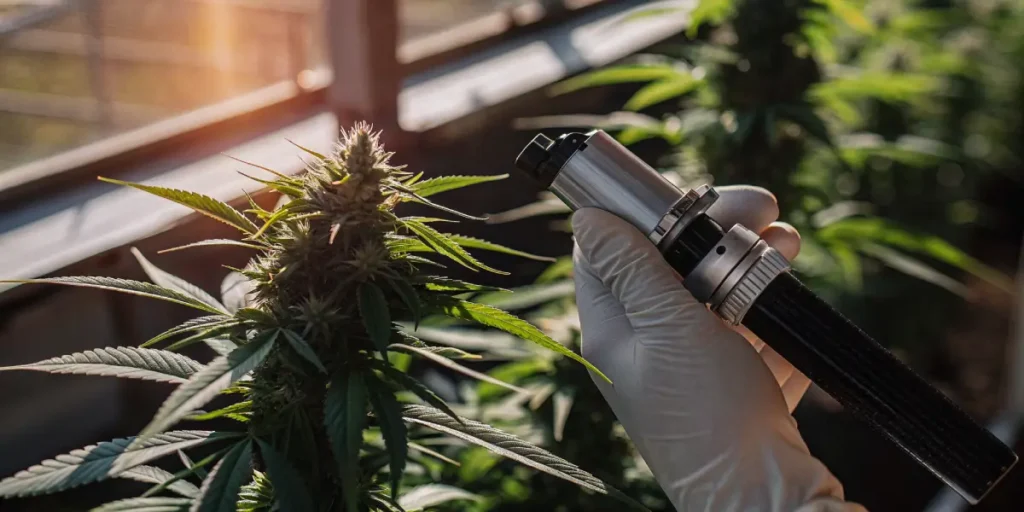
Getting the best out of your cannabis plants involves precision and consistency. A refractometer is an essential tool in a grower’s arsenal, offering vital insights into plant health and nutrient uptake. However, this tool is only as good as its calibration. If you’re diving into cannabis cultivation, mastering refractometer calibration for cannabis cultivation is key.
Refractometers measure the Brix level in plant sap. Brix is an indicator of sugar content but also reflects overall plant health and nutrient density. Regular calibration ensures that readings are accurate and reliable. This process enhances your ability to make well-informed decisions about plant nutrition and care.
Recommended Strains

GG4

|
THC | 27% (High) |

|
Type | Feminized |

|
Yield | High |

|
Phenotype | 40% Indica / 60% Sativa |

Blue Dream
|
|
THC | 17% - 24% (Medium) |
|
|
Type | Feminized |
|
|
Yield | High |
|
|
Phenotype | 50% Indica / 50% Sativa |
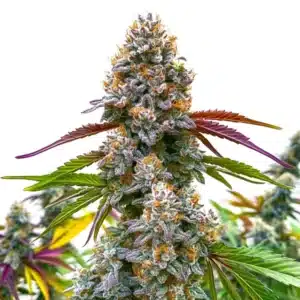
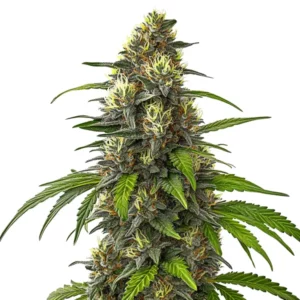
Imagine growing a strain like Blimburn Seeds GG4. With accurate refractometer readings, you can fine-tune your nutrient schedule to push this strain to its full potential, ensuring dense buds and a robust yield. Calibration is the first step in achieving that level of precision.
Why Refractometer Calibration Matters
Refractometer calibration is crucial for maintaining the accuracy of your readings. Without it, you’re essentially flying blind, and your decisions could be based on faulty data. In the context of a cannabis grow room, every decision can impact the quality and quantity of your harvest.
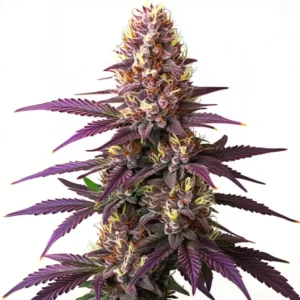
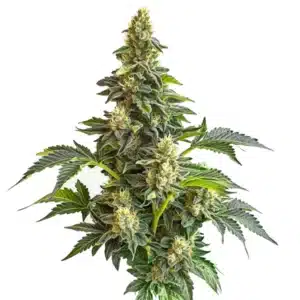
Consider strains like Blimburn Seeds Blue Dream. This plant thrives with a delicate balance of nutrients. A calibrated refractometer helps you monitor this balance closely. Calibrating your refractometer ensures that when you see a Brix level, you can trust it’s telling you the truth about your plant’s health.
Furthermore, refractometer calibration for cannabis cultivation helps you detect early signs of nutrient deficiencies or excesses, allowing for timely interventions. By regularly calibrating your device, you’re ensuring that your insights are based on accurate data, which is essential for optimizing plant growth and maximizing yield. This is particularly important when managing a dynamic environment like a cannabis grow room, where conditions can fluctuate rapidly.
Incorporating refractometer maintenance in cannabis farming into your routine not only guarantees precise readings but also extends the lifespan of your device. By keeping your refractometer in top condition, you’re investing in the long-term success of your cultivation efforts. Whether you’re growing for personal use or commercial purposes, the benefits of proper calibration cannot be overstated.
Promos & Deals
How to Calibrate a Refractometer for Cannabis
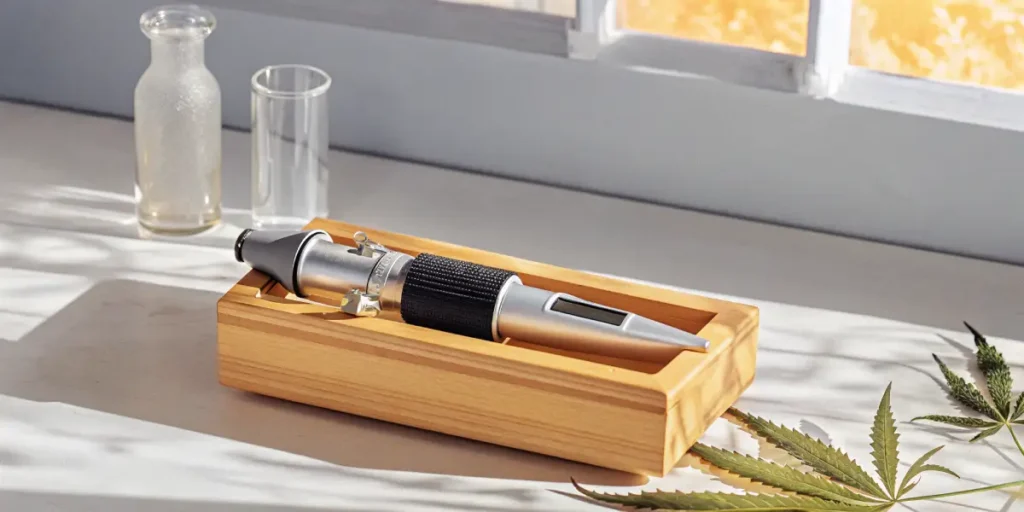
Calibration might sound technical, but it’s a straightforward process. Start by gathering your tools: a refractometer, distilled water, and a small screwdriver. First, ensure your refractometer is clean. Dirt and residues can skew your readings.
Next, place a drop of distilled water on the refractometer’s glass surface. Look through the eyepiece and use the screwdriver to adjust until the boundary line between the blue and white areas aligns with the zero mark. This step is the basis of any cannabis cultivation refractometer calibration guide.
Knowing how to calibrate a refractometer for cannabis is a skill that pays dividends in the form of healthier plants and higher yields. Take your time with each step to ensure accuracy, and remember that consistency is key. Regular calibration builds confidence in your readings, empowering you to make precise adjustments to your growing environment.
For newcomers, following a cannabis cultivation refractometer calibration guide can simplify the process, ensuring that you’re aligning your practices with industry standards. As you become more familiar with your refractometer, calibration will become second nature, transforming how you approach cannabis cultivation and enhancing your overall results.
Best Practices for Refractometer Calibration
Consistency is your friend. Make it a habit to calibrate your refractometer regularly, ideally before each use. This habit ensures your readings are as accurate as possible. Refrain from using tap water for calibration; its impurities can give false readings.
Store your refractometer properly. After use, clean it with distilled water and dry it with a soft cloth. Proper refractometer maintenance in cannabis farming means storing it in a cool, dry place to avoid damage from humidity or heat.
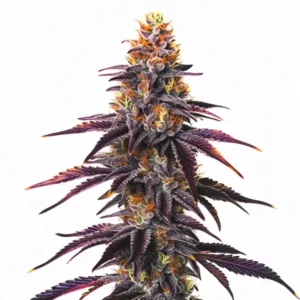
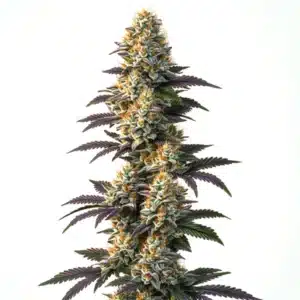
Incorporating the best refractometer calibration practices for cannabis into your routine ensures that you consistently obtain accurate data. This allows you to tailor your nutrient and care strategies to the specific needs of your plants. Regular calibration also helps in identifying growth patterns, enabling you to optimize conditions for each strain, such as Blimburn Seeds Critical Daddy Purple.
Additionally, tracking calibration data over time can reveal insights into your growing environment, helping you refine your approach to achieve the best results. By adhering to these practices, you’re not only enhancing your immediate harvest outcomes but also contributing to the long-term success of your cannabis cultivation endeavors.
Real-Life Calibration Tips for Growers
In a bustling grow room, it’s easy to overlook tools. Make refractometer calibration a part of your routine. Set a reminder or a schedule to keep it at the forefront of your cultivation practices.
Keep a calibration log. Note down the date and time of each calibration. This log will help track patterns and ensure your refractometer is consistently providing correct data. It’s especially useful when working with multiple strains from Blimburn Seeds or other sources.
Another effective strategy is to integrate refractometer calibration into your regular maintenance schedule. Just as you monitor light cycles and nutrient levels, consistently checking your refractometer’s accuracy should be a non-negotiable part of your routine. This proactive approach minimizes the risk of errors and maximizes the reliability of your data.
By sharing best practices and insights with fellow growers, you can stay informed about the latest advances and techniques in refractometer calibration for cannabis cultivation. Building a network of like-minded individuals can provide valuable support and knowledge, further enhancing your growing practices and outcomes.
Common Issues and Troubleshooting
Sometimes, even with careful calibration, issues can arise. One common problem is temperature fluctuation. Refractometers are sensitive to temperature changes, so it’s best to perform readings in a controlled environment.
If your readings seem inconsistent, double-check the cleanliness of the device. Residues from plant sap or water can distort your results. In the case of persistent problems, consult your device’s manual or consider professional recalibration services.
Another common issue in refractometer calibration cannabis grow room settings is user error. Ensure that all team members are trained on proper calibration techniques to prevent discrepancies. Misalignment or using the wrong type of water can lead to inaccurate measurements, so it’s crucial to follow protocol closely.
Addressing issues quickly and thoroughly is vital to maintaining the integrity of your cannabis cultivation refractometer calibration guide. By taking a proactive approach to troubleshooting, you minimize disruptions and ensure that your plants receive the precise care they need for optimal growth and productivity.
FAQs about refractometer calibration for cannabis cultivation
What is the ideal frequency for refractometer calibration in cannabis cultivation?
It’s advisable to calibrate your refractometer before each use. Frequent calibration ensures that your readings are always accurate, allowing you to make informed decisions about your cannabis plants. This practice is especially critical in dynamic environments like grow rooms where conditions can change rapidly.
For those cultivating multiple strains such as Blimburn Seeds’ Blue Dream and Gorilla G4, maintaining accuracy is key. Each strain may have different nutrient needs, and accurate Brix readings help tailor your approach to each plant’s requirements.
Frequent calibration not only safeguards against environmental changes but also enhances the precision of your cultivation strategies. By maintaining a strict calibration schedule, you’re better equipped to respond to the unique demands of each growing cycle, ensuring that all strains reach their full potential.
Knowing the importance of refractometer calibration for cannabis cultivation can transform your approach to plant care. By prioritizing accuracy and consistency, you’re laying the foundation for a successful and productive growing season, no matter the strains you’re working with.
Can I use tap water for refractometer calibration?
Tapping into your home’s water supply might seem convenient, but it’s not recommended. Tap water contains minerals and impurities that can affect your refractometer’s accuracy. Instead, use distilled water, which provides a neutral baseline for calibration.
By using distilled water, you avoid introducing variables that could skew your readings. This step is vital for ensuring the reliability of your refractometer calibration cannabis grow room practices.
Opting for distilled water over tap water is a simple yet effective way to enhance the accuracy of your refractometer. This choice eliminates potential contaminants, ensuring that your calibration process remains robust and reliable.
Consistency in your calibration approach, including the use of distilled water, is a hallmark of the best refractometer calibration practices for cannabis. By adhering to these guidelines, you contribute to a more controlled and predictable cultivation environment.
How does temperature affect refractometer readings?
Temperature plays a significant role in refractometer accuracy. Most devices are calibrated to work at a specific temperature, often around 68°F (20°C). Deviations can lead to incorrect readings. To mitigate this, try to perform calibrations and readings in a temperature-controlled setting.
In fluctuating environments, consider using a refractometer with automatic temperature compensation (ATC). This feature adjusts readings based on temperature variations, providing more consistent results in your cannabis cultivation refractometer calibration guide.
Knowing the impact of temperature on refractometer readings is crucial for achieving reliable results. By controlling the environment where calibrations and measurements take place, you increase the likelihood of obtaining precise data.
Investing in a refractometer with ATC can further enhance the accuracy of your readings, accommodating temperature changes that might otherwise compromise your data. This feature is particularly beneficial in active grow rooms where environmental conditions can be unpredictable.
Is it necessary to clean the refractometer after every use?
Yes, cleaning your refractometer after each use is essential for maintaining its accuracy and longevity. Residues from plant sap or calibration solutions can build up, affecting readings. A quick rinse with distilled water and a gentle wipe with a soft cloth will suffice.
Regular cleaning is a part of best refractometer calibration practices for cannabis. It ensures that your device remains reliable, helping you optimize the growth of strains like Blimburn Seeds Critical Daddy Purple.
Consistent cleaning and maintenance of your refractometer not only protect its functionality but also contribute to a more seamless cultivation process. By eliminating potential contaminants after each use, you preserve the integrity of your readings and enhance your overall growing strategy.
Integrating cleaning into your regular routine is an essential aspect of refractometer maintenance in cannabis farming. This simple practice can make a significant difference in the quality and reliability of your calibration efforts, ultimately supporting healthier plant growth and better yields.
What should I do if my refractometer continues to show inaccurate readings?
If you’ve calibrated correctly and your refractometer still gives erroneous readings, check for physical damage or residue build-up. If the problem persists, consult the manufacturer’s manual for troubleshooting steps or consider seeking professional recalibration services.
Maintaining your refractometer is crucial for accuracy. By addressing issues promptly, you ensure that your cannabis cultivation efforts are supported by reliable data, leading to healthier plants and more successful harvests.
When faced with persistent inaccuracies, a systematic approach to troubleshooting can uncover the root cause of the issue. Evaluating each component of your refractometer and its calibration process can identify areas for improvement or repair.
Engaging with professional recalibration services may be necessary if internal components are compromised or beyond self-repair. By prioritizing the accuracy of your refractometer, you’re investing in the ongoing success and productivity of your cannabis cultivation endeavors.