
Expert Guide: Diagnosing Cannabis Nutrient Issues Using a Refractometer

Using a refractometer can be a game-changer for diagnosing cannabis nutrient issues. This handy tool helps you understand the plant’s health through its sap. When it comes to diagnosing cannabis nutrient issues using a refractometer, growers can identify imbalances early and make precise adjustments before deficiencies impact yield or quality. If you’re looking to maximize yield and quality, it’s essential to be proactive about nutrient management. Whether you’re growing the vibrant GG4 strain from Blimburn Seeds or another favorite, a refractometer can assist in identifying nutrient imbalances before they become major problems.
With a refractometer, you can measure the Brix level in your cannabis plants. The Brix level indicates the sugar content in the plant’s sap, which correlates with overall plant health. A higher Brix level usually means your plant is thriving. However, if the numbers are low, it might be time to look into nutrient adjustments.
Recommended Strains

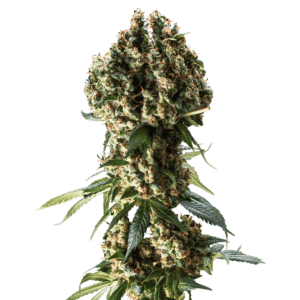
GG4

|
THC | 27% (High) |

|
Type | Feminized |

|
Yield | High |

|
Phenotype | 40% Indica / 60% Sativa |
Granddaddy Purple
|
|
THC | 25% (High) |
|
|
Type | Feminized |
|
|
Yield | Medium |
|
|
Phenotype | 70% Indica / 30% Sativa |
Let’s explore how diagnosing cannabis nutrient issues using a refractometer can transform your cultivation process. From basic readings to real-life adjustments, this tool is invaluable for both newcomers and seasoned growers.
Why Use a Refractometer for Cannabis?
Refractometers are not just for winemakers. They’re an effective tool for diagnosing cannabis nutrient deficiency with a refractometer. By measuring the Brix level, you can get a snapshot of your plant’s sugar and nutrient levels. This helps you make informed decisions about feeding and care.
Imagine you’re cultivating the popular Blue Dream from Blimburn Seeds. You notice the leaves aren’t as vibrant as they should be. A quick refractometer test reveals a low Brix level, indicating a potential nutrient deficiency. Armed with this knowledge, you can adjust your nutrient regimen to boost plant health.
Using refractometer for cannabis nutrient analysis is becoming increasingly popular among growers who seek precision and efficiency. By providing a direct indicator of plant health, refractometers streamline the nutrient management process, making it easier to achieve optimal results. This is particularly beneficial when growing high-value strains where every detail matters.
Moreover, a refractometer is a non-invasive and eco-friendly tool that doesn’t require the destruction of plant tissue for analysis. This attribute makes it ideal for regular monitoring, allowing continuous oversight without harming your plants. As a part of a comprehensive cannabis nutrient issues refractometer guide, this tool helps maintain a balance in your cultivation practices.
How to Take Refractometer Measurements
Taking a refractometer reading is straightforward. First, extract a small sample of sap from your cannabis plant. This can be done by gently squeezing a fresh leaf. Place a drop of the sap on the refractometer’s prism and close the cover plate.
Next, hold the refractometer up to light and look through the eyepiece. You’ll see a scale with a line indicating the Brix level. This value helps in identifying cannabis nutrient imbalances refractometer style, offering direct insights into your plant’s needs.
When performing refractometer measurements for cannabis nutrient problems, consistency in your sampling technique is crucial. Ensure that the sap is fresh and that the refractometer is calibrated correctly for accurate readings. This diligence can greatly enhance the reliability of your data.
Incorporating refractometer readings into your regular routine can also help track seasonal changes in plant health. By aligning your readings with environmental factors, you can better understand how external conditions affect nutrient uptake and adjust your care strategies accordingly.
Promos & Deals


Interpreting Refractometer Data for Cannabis
Once you have your Brix level, it’s time to interpret the data. A Brix level below 10 can signal nutrient problems. Levels above 12 suggest your plant is in good health. For instance, if you’re growing Granddaddy Purple from Blimburn Seeds and see a Brix level of 8, consider tweaking your nutrient solution.
Low Brix levels often point to deficiencies in essential nutrients like nitrogen, phosphorus, or potassium. By using refractometer for cannabis nutrient analysis, you can pinpoint these deficiencies and correct them swiftly. This proactive approach can save your crop and enhance yield.
Knowing the nuances of your Brix readings can help in diagnosing cannabis nutrient deficiency with refractometer accuracy. If you’re consistently seeing lower than expected numbers, it might be worth investigating other factors such as root health or pest presence, which can also affect nutrient uptake.
Tracking Brix levels over time allows you to establish a baseline for plant health. This historical data can be invaluable when experimenting with new nutrient solutions or cultivation techniques. By comparing past and present readings, you can make informed decisions that support sustainable growth.
Common Nutrient Issues and Solutions
Nitrogen deficiency is a common issue in cannabis cultivation. If your refractometer indicates low Brix, check for yellowing leaves. Increase nitrogen inputs to correct this issue. Similarly, low phosphorus levels can lead to poor root development. Adjusting your nutrient mix can address this problem.
Poor potassium levels can cause weak stems and small buds. If your refractometer measurements for cannabis nutrient problems suggest a deficiency, increase potassium in your feed. This can boost plant vigor and improve overall growth.
Besides these common issues, magnesium and calcium are other nutrients that can impact Brix levels. Magnesium deficiency often results in interveinal chlorosis, while calcium deficiency can cause blossom end rot. Both can be diagnosed and corrected through precise refractometer readings.
When identifying cannabis nutrient imbalances refractometer data should always be correlated with visual plant symptoms and environmental conditions. This holistic approach ensures that your interventions address the root cause of the problem, rather than just the symptoms.

Benefits of Diagnosing Nutrient Issues Early
Early diagnosis of nutrient issues can prevent more severe problems down the line. By integrating refractometer readings into your regular plant care routine, you can ensure your cannabis plants receive optimal nutrition. This is especially crucial when cultivating high-demand strains like GG4.
Regular monitoring can also save you money. Instead of blindly applying nutrients, you can tailor your approach based on concrete data. This precision not only improves plant health but also boosts yield and potency.
Proactive monitoring using a refractometer not only enhances plant health but also maximizes resource use efficiency. This means you can achieve higher yields with potentially less input, optimizing both the ecological footprint and the economic viability of your operation.
Additionally, early intervention helps maintain the genetic expression and flavor profile of your chosen strains. By preventing nutrient imbalances, you preserve the unique characteristics that make strains from Blimburn Seeds so sought after by consumers and growers alike.
FAQs about diagnosing cannabis nutrient issues using a refractometer
What is a refractometer and how does it work in cannabis cultivation?
A refractometer is a tool that measures the Brix level, or sugar content, in plant sap. In cannabis cultivation, it helps growers assess plant health and nutrient levels. By knowing the Brix level, you can determine if your plants are receiving adequate nutrition and make necessary adjustments.
This tool is simple to use. Once you have a small sample of sap, you place it on the refractometer. The tool then refracts light through the sap, providing a Brix reading. This reading indicates whether your plant is healthy or if it needs more nutrients.
Diagnosing cannabis nutrient issues using a refractometer is efficient and non-destructive, making it ideal for consistent and comprehensive plant monitoring. This practical application supports modern cultivation techniques by providing real-time insights into plant health.
Additionally, refractometers are adaptable to different settings, whether you’re managing a large-scale operation or a small personal grow. Their versatility and ease of use make them a valuable asset to any grower’s toolkit, facilitating better outcomes through informed decision-making.
Why is monitoring Brix levels important for cannabis plants?
Monitoring Brix levels is crucial because it directly correlates with plant health. High Brix levels often mean the plant is thriving, while low levels can indicate nutrient deficiencies. By keeping track of these levels, you can ensure your cannabis plants are in optimal condition.
For example, if you’re growing Blue Dream and notice a dip in Brix levels, you can adjust your nutrient mix to boost plant health. This proactive approach is key to achieving high yields and potent buds.
Regular Brix monitoring provides a real-time snapshot of your plant’s metabolic state, facilitating early detection and correction of issues. This method not only enhances yield but can also improve the cannabinoid and terpene profiles of your harvest by ensuring plants receive balanced nutrition.
Furthermore, using refractometer for cannabis nutrient analysis allows for a science-based approach to cultivation. By integrating data into your routine, you can refine practices over time, achieving a higher standard of quality and consistency in your crops.
How often should I check Brix levels in my cannabis plants?
It’s a good practice to check Brix levels weekly. This frequency allows you to catch any nutrient issues early and make timely adjustments. Consistent monitoring helps maintain plant health and ensures a robust harvest.
For instance, if you’re growing Granddaddy Purple, weekly checks can help you spot and correct imbalances before they impact your yield. Regular readings provide a comprehensive view of your plant’s health over time.
Incorporating weekly Brix checks into your routine ensures that you are consistently aware of your plants’ nutritional status. This regular monitoring is particularly beneficial during key growth phases, such as flowering, when nutrient demands are heightened.
Moreover, a routine schedule of checking Brix levels can help you develop a more intuitive sense of your plants’ needs. Over time, you’ll be able to anticipate issues before they arise, leading to more successful harvests and healthier plants.
Can refractometers help with all cannabis strains?
Yes, refractometers are versatile and can be used with any cannabis strain. Whether you’re cultivating GG4 or another strain from Blimburn Seeds, this tool can offer valuable insights into nutrient levels and overall plant health.
Different strains may have varying optimal Brix levels, but the principle remains the same. By tailoring your approach based on specific readings, you can optimize growth and productivity for any strain.
While each cannabis strain may have unique nutrient requirements, the fundamental process of diagnosing cannabis nutrient issues using a refractometer remains consistent. This makes refractometers invaluable for both experimental breeding and production cultivation.
Furthermore, as you become familiar with the Brix profiles of different strains, you can better predict how they will respond to environmental changes. This adaptability enhances your ability to cultivate a diverse portfolio of strains effectively.
What should I do if my Brix levels are consistently low?
If you notice consistently low Brix levels, it’s time to investigate your nutrient regimen and growing conditions. Consider factors such as soil quality, water pH, and nutrient mix to identify potential issues.
Adjusting your nutrient solution, improving soil conditions, or tweaking environmental factors can help raise Brix levels. Keeping a detailed log of changes and results can guide future decisions and improve overall cultivation success.
Additionally, consider reviewing your irrigation practices and lighting conditions, as these can also influence nutrient uptake. Sometimes, small adjustments in these areas can significantly impact Brix levels and overall plant health.
By systematically addressing the factors contributing to low Brix readings, you can gradually enhance the vitality of your plants. This disciplined approach ensures that your efforts are rewarded with improved growth and higher-quality yields over time.