Essential Mint Strain Grow Guide for Beginners: Expert Tips

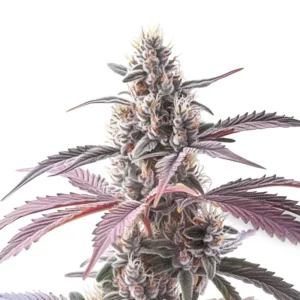
The mint strain is a popular choice among cannabis enthusiasts, known for its refreshing aroma and unique flavor profile. For beginners, diving into the world of growing mint strains can be exciting yet challenging. This mint strain grow guide for beginners is designed to make the process smooth and rewarding.
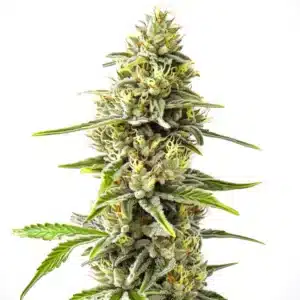
Choosing the right seeds is crucial. Blimburn Seeds offers some of the finest mint strains like the “Budmint” and “Mint Chocolate OG“. These strains are perfect for those looking to start their cultivation journey. They offer robust growth and a delightful yield.
Recommended Strains
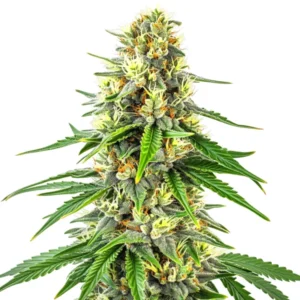
Budmint

|
THC | 17% - 22% (Medium) |

|
Type | Feminized |

|
Yield | Medium |

|
Phenotype | 60% Indica / 40% Sativa |
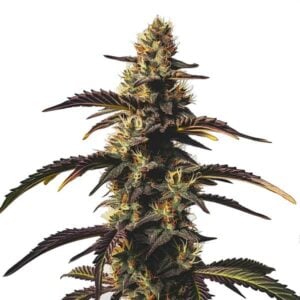
Chocolate Mint OG
|
|
THC | 20% - 25% (Medium) |
|
|
Type | Feminized |
|
|
Yield | High |
|
|
Phenotype | 80% Indica / 20% Sativa |
Creating the ideal environment is another key step. Mint strains thrive in conditions that mimic their natural habitat. This mint strain growing instructions for beginners will help you set up the perfect indoor or outdoor space, ensuring your plants get the right amount of light, water, and nutrients.
Choosing the Right Mint Strain Seeds
When starting out, selecting the right seeds is foundational. Blimburn Seeds has a variety of mint strains that cater to both flavor and potency. These seeds are bred for resilience, making them a great choice for novices.
“Mint Chocolate OG” from Blimburn Seeds is another excellent option. Known for its ease of growth and high yield, it provides a minty, earthy aroma that appeals to both new and seasoned growers. Opting for quality seeds from a reputable source ensures a higher success rate in cultivation.
Knowing the genetic background of your chosen strain can also provide insights into its growth patterns and potential challenges. For those who are new to cultivation, a beginner’s guide to growing mint strain often recommends strains that have been stabilized for consistent results.
It’s also worth considering the climate and environment where you plan to grow. Some mint strains may perform better in specific conditions, so researching the specific needs of each strain can help in making an informed decision. This step-by-step mint strain cultivation for beginners emphasizes the importance of matching seed choice to growing conditions.
Promos & Deals

Setting Up Your Growing Environment
Creating an optimal growing environment is crucial for the success of your mint strain. Whether you choose to grow indoors or outdoors, ensure your plants receive adequate sunlight. Indoor growers should invest in good quality grow lights.
Temperature and humidity levels are also important factors. Mint strains prefer temperatures between 68-77°F. Maintaining these conditions will help in the healthy development of your plants, leading to a fruitful harvest.
When setting up your grow space, consider the accessibility and maintenance needs of your plants. Ensure there’s enough room to maneuver around your plants for watering and inspection. This easy mint strain grow guide for starters highlights the importance of planning your grow area for efficiency.
Proper ventilation is also key to preventing mold and pests. Installing fans and ensuring that air circulates well can make a significant difference in plant health. Mint strain growing instructions for beginners often stress the importance of air movement as a preventative measure against common issues.
Soil and Nutrient Requirements
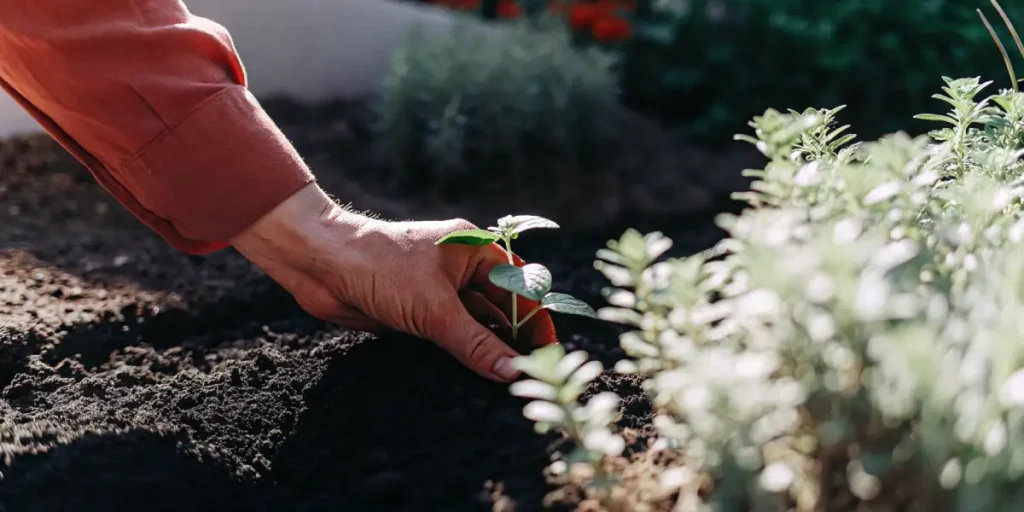
The soil you choose impacts the growth of your mint strain significantly. Opt for a well-draining soil mix to prevent waterlogging. Adding organic matter like compost can improve soil fertility and structure.
Nutrients play a vital role in plant health. During the vegetative stage, a nitrogen-rich fertilizer will support growth. As your plants enter the flowering stage, switch to a phosphorus-rich formula. This mint strain cultivation tips for novices will ensure your plants receive the nutrients they need at each stage.
It’s also important to consider the texture and composition of your soil. A loamy soil that balances sand, silt, and clay can provide the perfect structure for root development. Regularly amending your soil with organic additives can further enhance its properties.
Besides to macronutrients, don’t overlook the importance of micronutrients like calcium and magnesium. These elements are essential for various physiological processes in plants. A well-rounded fertilizer regime will support your plants throughout their lifecycle, as emphasized in this mint strain grow guide for beginners.
Watering Techniques
Watering is an art in itself when it comes to cannabis cultivation. Over-watering and under-watering can both lead to problems. A good rule of thumb is to water your plants when the top inch of soil feels dry.
Invest in a moisture meter if you’re unsure. This tool helps maintain consistent moisture levels, which is a crucial part of this easy mint strain grow guide for starters. Remember, the roots should never be waterlogged as this can lead to mold and root rot.
To improve your watering efficiency, consider the use of drip irrigation systems. These systems can deliver water directly to the root zone, minimizing evaporation losses and ensuring even moisture distribution. This is especially beneficial for beginners seeking a hassle-free approach.
Additionally, the quality of water you use can impact plant health. If possible, use filtered or distilled water to avoid introducing unwanted minerals or contaminants. Regularly checking the pH of your water can also help maintain the optimal range for nutrient uptake.
Harvesting and Curing Your Mint Strain
Knowing when to harvest is as important as the growing process itself. Most mint strains are ready to harvest when 70-80% of the pistils have darkened. Another indicator is the trichomes, which should appear milky white with some turning amber.
Once harvested, the curing process begins. Proper curing enhances flavor and potency. Hang your buds upside down in a dark, well-ventilated room for 7-14 days. This beginner’s guide to growing mint strain will help you achieve the best results.
Monitoring the drying environment is key to preventing mold and degradation. Aim for a consistent temperature and humidity, ideally around 60-70°F and 50-60% humidity. This controlled environment helps preserve the terpenes and cannabinoids in your buds.
After the initial drying phase, transition your buds to airtight containers for curing. The curing process not only enhances flavor but also allows for the chlorophyll breakdown, resulting in a smoother smoke. Patience during this stage pays off with superior quality cannabis.
FAQs about mint strain grow guide for beginners
What is the best mint strain for beginners?
Budmint from Blimburn Seeds is highly recommended for beginners. It’s known for its balanced growth pattern and ease of cultivation. With its sweet minty flavor and relaxing effects, it’s a favorite among novice growers.
Another great option is Mint Chocolate OG, which offers a robust growth profile and high yield. These strains are forgiving of minor mistakes, making them ideal for those new to cannabis cultivation.
For those just starting, selecting a strain with a shorter flowering time can also be beneficial. This allows you to see results more quickly, providing encouragement and feedback for your growing efforts.
Consider experimenting with a few different strains to find one that best suits your growing style and environment. Variety can also help you learn more about the nuances of cannabis cultivation.
How can I prevent mold in my mint strains?
Preventing mold involves maintaining proper humidity levels and ensuring good air circulation. Keep humidity between 40-50% during flowering to inhibit mold growth. Use fans in your grow area to enhance airflow.
Regularly inspect your plants for any signs of mold, especially in dense foliage areas. Quick action can prevent the spread and save your crop from damage.
Another effective strategy is to prune your plants to increase air flow around the buds. Removing lower leaves and thinning out dense areas ensures that air circulates freely, reducing the risk of mold.
Consider using natural antifungal treatments, such as neem oil, to prevent mold outbreaks. These treatments can be applied as a preventative measure, particularly in high humidity environments.
What lighting schedule should I use for mint strains?
A common lighting schedule for mint strains during the vegetative stage is 18 hours of light and 6 hours of darkness. This promotes robust growth and prepares your plants for the flowering stage.
When transitioning to the flowering stage, switch to 12 hours of light and 12 hours of darkness. This change signals the plant to start producing buds.
Consistency in your lighting schedule is crucial. Sudden changes can stress your plants and potentially disrupt their growth. Using a timer can help maintain a stable light cycle, which is important for successful mint strain cultivation.
For those growing indoors, the type of light used can also impact growth. Full-spectrum LED lights are a popular choice among growers for their efficiency and ability to mimic natural sunlight.
What are the common pests that affect mint strains?
Mint strains can be susceptible to pests like spider mites, aphids, and whiteflies. Regularly inspect your plants and use organic pest control methods to manage these issues.
Introducing beneficial insects like ladybugs can naturally reduce pest populations. Keeping your grow area clean and free of debris also helps minimize pest infestations.
Creating a pest management plan at the start of your growing cycle can help prevent infestations. This plan should include regular monitoring and the use of natural deterrents to keep pests at bay.
Additionally, rotating your plants and avoiding overcrowding can reduce the likelihood of pest problems. Healthy, well-spaced plants are more resilient and less attractive to pests.
How can I improve the flavor of my mint strain?
Enhancing flavor is all about proper curing and nutrient management. Use organic nutrients to avoid chemical aftertastes. Flush your plants with pure water in the final weeks before harvest.
During curing, maintain a stable environment. A slow cure at a controlled humidity level brings out the best flavors, resulting in a premium tasting mint strain.
Terpene profiles significantly contribute to flavor, so preserving these compounds is key. Avoid high temperatures and direct sunlight during drying and curing to protect these delicate molecules.
Experimenting with different organic additives, such as molasses, can also enhance flavor. These natural products can boost the sugar content in your plants, resulting in a sweeter, richer taste.