Essential Guide: Refractometer vs Sap Analysis in Cannabis Cultivation

In the world of cannabis cultivation, knowing the health and vitality of your plants is crucial. Two popular methods for monitoring plant health are using a refractometer and sap analysis. Both techniques offer unique insights and advantages, making them invaluable tools for both novice and seasoned growers. Knowing refractometer vs sap analysis in cannabis cultivation helps you decide which method is best suited for your garden’s needs and management style.
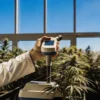
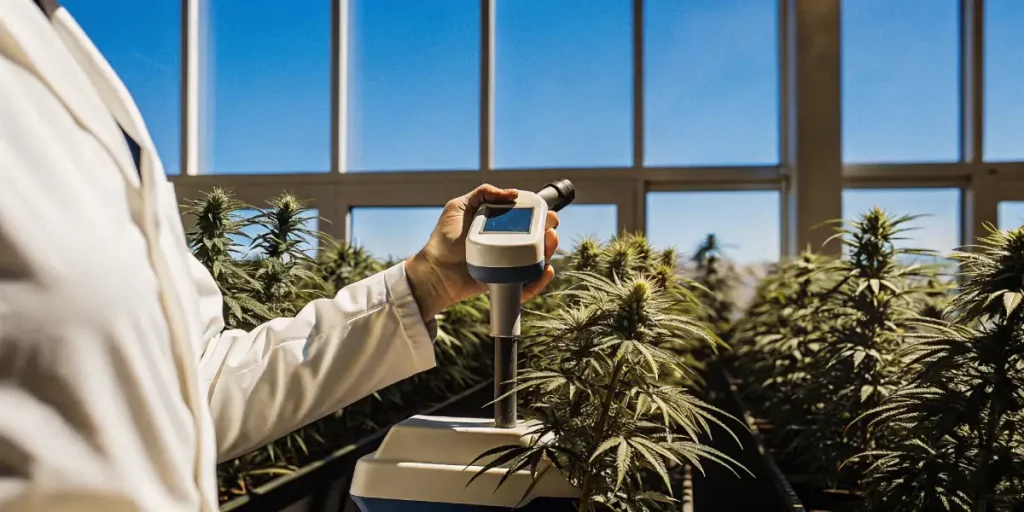
Refractometers are handheld devices that measure the refractive index of a liquid solution, often used to determine the sugar content of plant sap. This tool is simple to use and provides quick results. Sap analysis, on the other hand, involves a more detailed examination of the nutrients and compounds present in the plant’s sap. It provides a comprehensive look at the plant’s nutritional status.
Recommended Strains
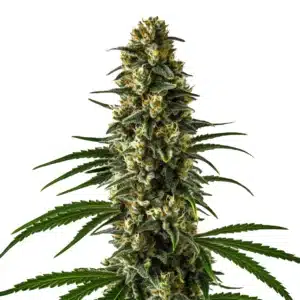
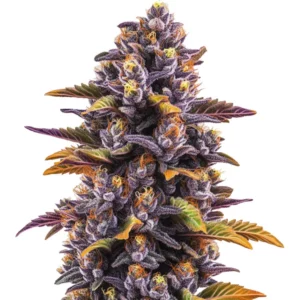
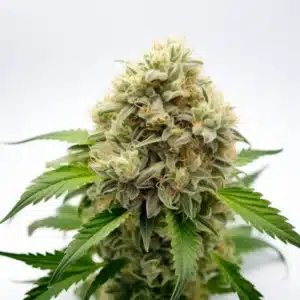
Girl Scout Cookies

|
THC | 18% - 25% (Medium) |

|
Type | Feminized |

|
Yield | High |

|
Phenotype | 60% Indica / 40% Sativa |
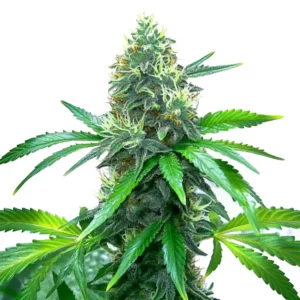
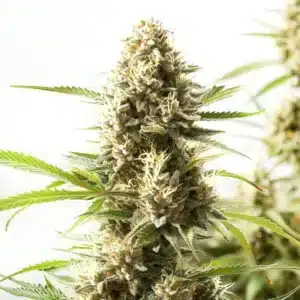
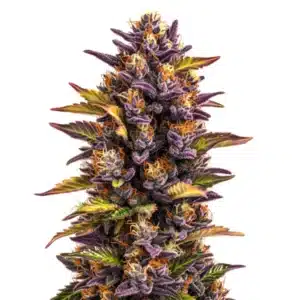
OG Kush
|
|
THC | 20% - 24% (Medium) |
|
|
Type | Feminized |
|
|
Yield | Medium |
|
|
Phenotype | 55% Indica / 45% Sativa |
When it comes to choosing between refractometer vs sap analysis in cannabis cultivation, it’s important to consider the specific needs of your grow operation. Both methods offer distinct benefits, and knowing these can help you make informed decisions that enhance your cultivation practice.
Refractometer Benefits in Cannabis Sap Analysis
Refractometers are a staple in many cannabis grow rooms due to their simplicity and effectiveness. By measuring the Brix level, or sugar content, in the sap, growers can infer the plant’s overall health and vitality. Higher Brix levels often indicate robust plants with efficient photosynthesis.
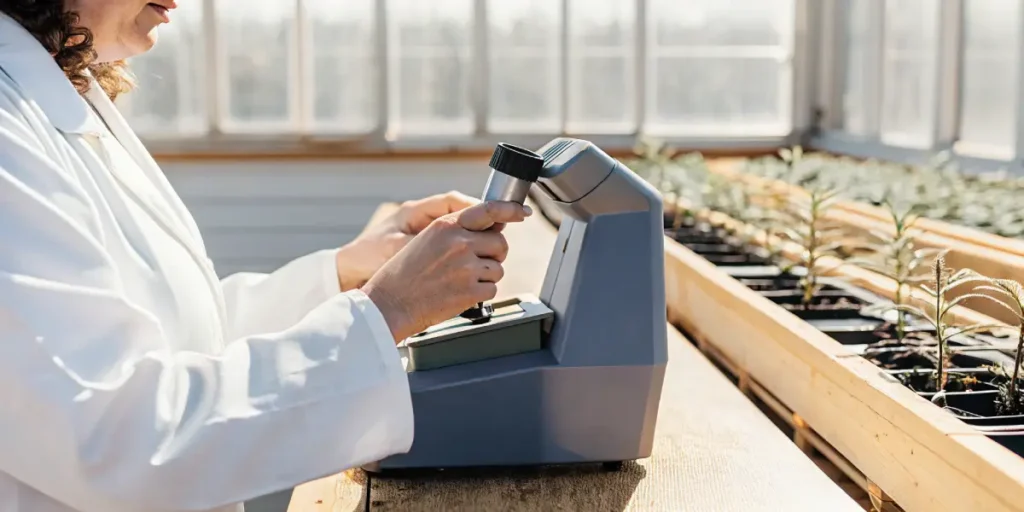
Using a refractometer is straightforward. A drop of sap is placed on the device’s prism, and the refractive index is read. This quick test allows growers to make immediate adjustments to their cultivation practices. For instance, if the readings are low, it might suggest the need for better nutrient management or adjustments in light exposure.
The refractometer benefits in cannabis sap analysis extend beyond just measuring sugar content. It can also serve as an early warning system that alerts growers to potential issues before they become critical. Regular monitoring with a refractometer can help maintain a consistent quality of cannabis, essential for meeting consumer expectations.
Moreover, refractometers are quite cost-effective, making them accessible to small-scale growers who may not have the resources for more complex analyses. This accessibility ensures that more growers can implement effective monitoring techniques, improving the overall standards in cannabis cultivation sap analysis vs refractometer use.
Promos & Deals
Sap Analysis Advantages for Cannabis Growers
Sap analysis takes plant monitoring to another level by providing detailed insights into the plant’s nutrient uptake and overall health. Unlike a refractometer, which primarily measures sugar content, sap analysis examines a variety of nutrients and compounds within the sap.
For cannabis growers, this means a deeper knowing of how well their plants are absorbing essential nutrients like nitrogen, potassium, and magnesium. This method can reveal deficiencies before they manifest visually, allowing for proactive management.
The sap analysis advantages for cannabis growers are manifold. By identifying nutrient imbalances early, growers can tailor their fertilization strategies to meet the specific needs of each strain. This leads to healthier plants, better yields, and potentially higher levels of active compounds like THC and CBD.
Furthermore, sap analysis can enhance the precision of cultivation practices by providing data-driven insights. This scientific approach to growing can be especially beneficial for producers who aim to standardize their products, ensuring consistency across different batches and growth cycles.
Comparing Refractometer and Sap Analysis in Cannabis
When weighing refractometer vs sap analysis in cannabis cultivation, consider the level of detail and immediacy required. While refractometers offer quick insights into plant health through sugar content, sap analysis provides a comprehensive nutrient profile that can guide long-term cultivation strategy.
For example, if growing Blimburn Seeds OG Kush, a strain known for its resilience, a refractometer might suffice for routine checks. However, for more sensitive strains like Girl Scout Cookies, sap analysis could help in fine-tuning nutrient regimens to optimize growth.
Comparing refractometer and sap analysis in cannabis requires an knowing of the specific goals of your cultivation. For those seeking immediate, actionable data, refractometers are invaluable. Yet, for a holistic approach that considers every nutrient nuance, sap analysis stands unparalleled.
Ultimately, the choice between these methods should reflect the grower’s objectives and resources. Combining both could provide a balanced strategy, leveraging the strengths of each method to cover the weaknesses of the other, ensuring well-rounded plant care.
Refractometer Accuracy in Cannabis Plant Health
Accuracy is key in ensuring your cannabis plants thrive. While refractometers are generally reliable, their accuracy can be influenced by the operator’s technique and the quality of the device. Consistency in sample collection and reading is crucial.
For growers using strains like Blue Dream from Blimburn Seeds, maintaining accurate Brix readings can be a game-changer in optimizing yield and potency. Regular calibration of the refractometer is recommended to maintain precision.
The refractometer accuracy in cannabis plant health cannot be overstated. High precision ensures that growers are making decisions based on reliable data, which can significantly impact the success of their cultivation practices.
Besides to calibration, proper training on using the refractometer is essential. Educating staff on best practices for sample collection and device handling can minimize errors, leading to more consistent and reliable results over time.
FAQs about refractometer vs sap analysis in cannabis cultivation
What are the main differences between refractometer and sap analysis?
The primary difference lies in the scope of information provided. A refractometer measures the sugar content in the sap, which is indicative of the plant’s health and energy reserves. It’s quick and easy but limited to Brix levels.
Sap analysis, however, offers a broader nutrient profile, including macro and micronutrients. This method is more comprehensive and helps identify deficiencies and imbalances that may not be visible through Brix readings alone.
Knowing these fundamental differences is crucial for deciding between refractometer vs sap analysis in cannabis cultivation. Each technique addresses different aspects of plant health, making them complementary rather than mutually exclusive.
Growers should assess their specific needs and resources when choosing between these methods. While refractometers provide immediate feedback, sap analysis offers depth. A strategic combination can ensure both quick adjustments and long-term health maintenance.
How can refractometer readings affect cannabis cultivation practices?
Using a refractometer allows growers to quickly gauge the health of their plants through Brix levels. High readings could suggest healthy photosynthesis, while low readings might prompt adjustments in nutrition or environmental conditions.
This immediate feedback is invaluable for making on-the-fly decisions, especially in fast-paced grow environments. It helps in maintaining consistent growth rates and preventing potential issues from escalating.
Refractometer readings can also guide growers in optimizing their irrigation and fertilization schedules. By correlating Brix levels with plant performance, cultivators can fine-tune their practices to maximize efficiency and output.
Furthermore, consistent monitoring with a refractometer can contribute to creating a more sustainable growing environment. By catching potential problems early, growers can reduce waste and resource use, aligning with eco-friendly cultivation goals.
Is sap analysis more beneficial for certain types of cannabis strains?
Yes, sap analysis is particularly beneficial for strains that are sensitive to nutrient imbalances. It provides detailed nutrient information, which is crucial for strains requiring precise nutrient management.
For example, strains from Blimburn Seeds like Girl Scout Cookies may benefit from sap analysis to ensure optimal nutrient uptake and prevent deficiencies that could affect potency and yield.
Sap analysis allows growers to customize their nutrient solutions to the specific needs of each strain, potentially enhancing the plant’s natural characteristics. This tailored approach can lead to higher quality products that stand out in the marketplace.
Additionally, for experimental strains or newly developed hybrids, sap analysis can offer critical insights during the testing phases, ensuring that the plants are receiving all necessary nutrients to express their full genetic potential.
Can refractometers and sap analysis be used together in cannabis cultivation?
Absolutely. Using both tools in tandem provides a comprehensive view of plant health. Refractometers offer quick checks on sugar levels, while sap analysis dives deeper into nutrient content.
This combination ensures that growers are well-informed about their plants’ overall health and can make informed decisions to enhance growth and productivity.
Incorporating both refractometer and sap analysis in cannabis cultivation can create a robust monitoring system. While refractometers offer regular updates, sap analysis provides periodic in-depth checks, creating a balanced approach to plant care.
This dual strategy is particularly advantageous for large-scale operations where maintaining uniform plant health across various stages of growth is critical. It allows for precise interventions and adjustments, ensuring optimal plant performance.
Are there specific tools required for sap analysis in cannabis cultivation?
Yes, sap analysis typically requires more specialized equipment compared to a refractometer. This includes tools for extracting sap and laboratory access for analyzing the nutrient content.
Despite the additional resources, the insights gained from sap analysis can significantly improve cultivation outcomes, especially for nutrient-sensitive strains from Blimburn Seeds.
The process of conducting sap analysis often involves sophisticated techniques like chromatography and spectrometry, which require both expertise and equipment. However, the investment can lead to improved crop management and economic returns.
For growers committed to achieving the highest quality, collaborating with laboratories or investing in in-house capabilities for sap analysis could be a strategic decision, providing a competitive edge in the cannabis market.