Essential Guide: How Brix Levels Vary Across Cannabis Growth Stages

For both novice and seasoned cannabis cultivators, knowing how Brix levels vary across cannabis growth stages can enhance your growing experience. Whether you’re nurturing your first plant or refining your methods, Brix levels offer insights into plant health and potential yield. Let’s dive into what Brix levels mean for cannabis.
Brix levels measure the sugar content in plant sap, an indicator of overall plant health. High Brix levels often suggest robust growth and greater resistance to pests. As your cannabis plants move through their growth stages, Brix levels can change, reflecting their evolving needs.
Recommended Strains

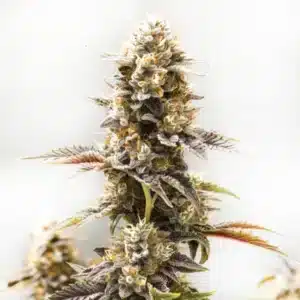
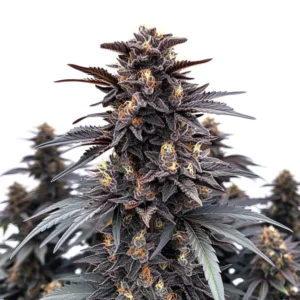
Blue Dream

|
THC | 17% - 24% (Medium) |

|
Type | Feminized |

|
Yield | High |

|
Phenotype | 50% Indica / 50% Sativa |

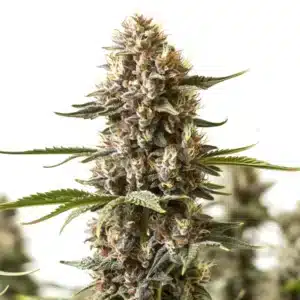
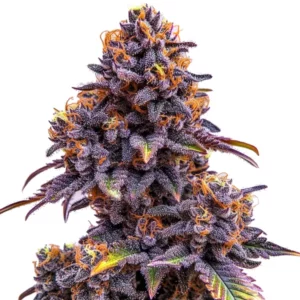
Wedding Cake
|
|
THC | 17% - 23% (Medium) |
|
|
Type | Feminized |
|
|
Yield | Medium |
|
|
Phenotype | 60% Indica / 40% Sativa |
Monitoring Brix levels in cannabis cultivation offers a non-invasive way to assess plant health. By measuring Brix levels during different stages, growers can make timely adjustments to optimize conditions. This guide will explore how Brix levels vary across cannabis growth stages, providing practical tips for each phase.
Brix Levels in the Seedling Stage
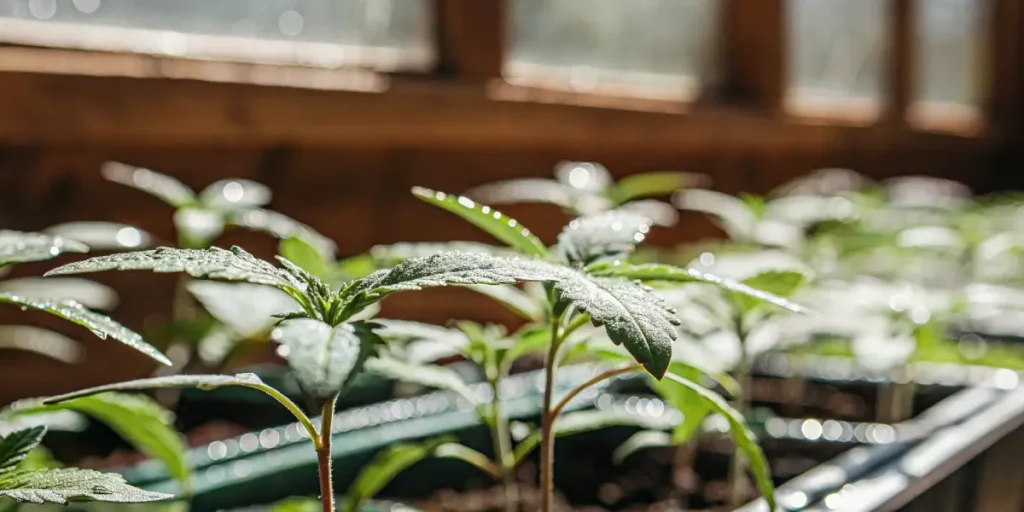
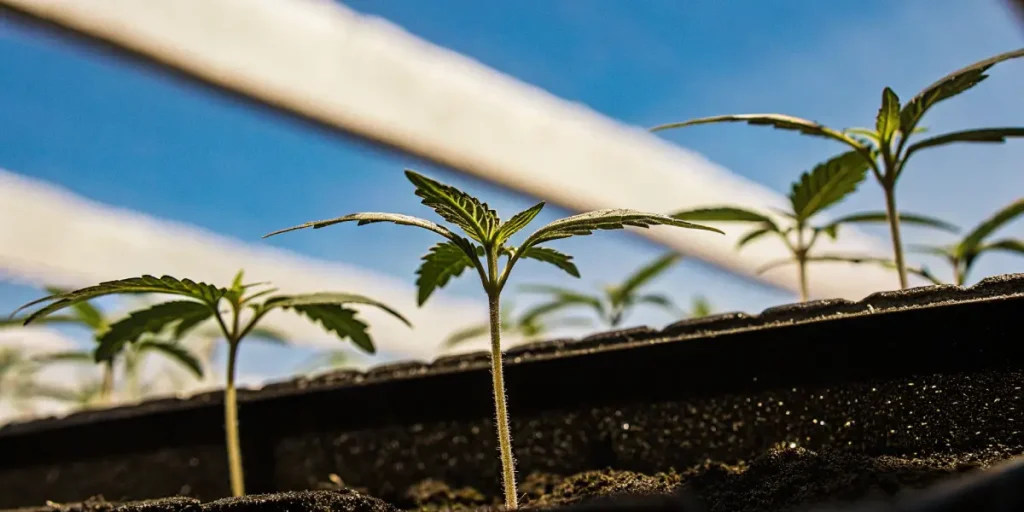
The seedling stage is where it all begins. At this point, Brix levels are typically low. The plant focuses on establishing roots and developing its first set of leaves. Energy is directed towards growth rather than sugar production, resulting in minimal Brix readings.
For first-time growers, it’s crucial to ensure your seedlings have the right nutrients. Using soil rich in organic matter can help. A strain like “Blue Dream” from Blimburn Seeds offers a robust start, known for its resilience and vigor in early growth stages.
Knowing how Brix levels vary across cannabis growth stages begins with acknowledging the unique needs of seedlings. Their low Brix levels necessitate a focus on foundational elements, such as soil quality and water availability. Early intervention and support can foster a healthier transition to subsequent growth stages.
During this stage, monitoring Brix levels in cannabis cultivation can reveal much about the initial health of the plant. Although Brix levels are low, consistent readings can still provide valuable insights into whether the plant is absorbing nutrients effectively. This knowledge is vital for making early adjustments that set the stage for future growth.
- Use a refractometer to measure Brix levels accurately.
- Ensure adequate light and water to support initial growth.
- Consider a gentle nutrient solution to boost the plant’s health.
Promos & Deals

Brix Levels During the Vegetative Phase
As plants enter the vegetative phase, Brix levels usually increase. This stage is marked by rapid growth, as the plant develops a sturdy structure. Leaves expand, and roots spread extensively, enabling better nutrient uptake.
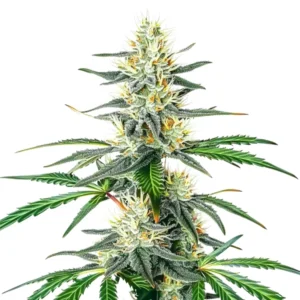
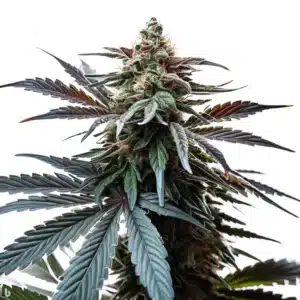
Measuring Brix in the cannabis vegetative phase can help you adjust your growing practices. Higher Brix levels suggest that your plant is effectively photosynthesizing and absorbing nutrients. Strains like “GG4” from Blimburn Seeds can thrive at this stage with proper care.
During the vegetative phase, the focus on Brix levels helps ensure that plants are developing the necessary infrastructure for robust growth. The increase in Brix levels during this stage is a positive indicator that the plant is well on its way to achieving a high yield. Cultivators should prioritize maintaining stable environmental conditions to support this growth.
The vegetative phase is essential for setting the foundation for successful flowering. How Brix levels vary across cannabis growth stages becomes particularly evident here, as consistent monitoring allows growers to make strategic decisions to enhance growth. A well-managed vegetative phase can lead to a more productive flowering stage.
- Increase nitrogen levels to support leaf growth.
- Ensure consistent light cycles to maximize photosynthesis.
- Monitor humidity and temperature for optimal conditions.
Brix Levels During the Flowering Stage
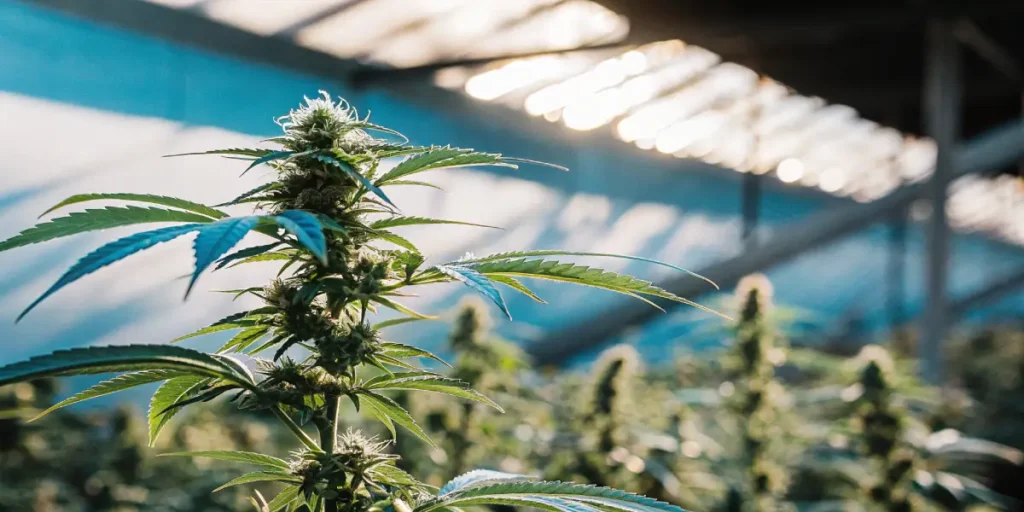
The flowering stage is critical for Brix levels. Here, the plant shifts focus to producing buds, and Brix levels can tell you a lot about the plant’s health and potential yield. High Brix levels during the cannabis flowering stage mean your plant is likely to produce potent buds.
At this stage, phosphorus and potassium become more important. They support bud development and increase the plant’s sugar content. Strains like “Wedding Cake” from Blimburn Seeds are known for their high yield and potency when well-maintained during flowering.
Brix levels during the flowering stage are crucial for determining the final quality of your cannabis. As the plant’s energy is directed towards bud production, maintaining high Brix levels ensures that the buds are dense and rich in cannabinoids. Growers should focus on fine-tuning nutrient balances to support this crucial phase.
The impact of Brix levels on cannabis potency becomes most apparent during the flowering stage. High Brix levels not only contribute to a more potent product but also enhance the flavor and aroma profiles. Continuous monitoring during this stage allows for timely interventions to address any fluctuations, ensuring a premium harvest.
- Balance nutrient levels to avoid deficiencies.
- Use Brix measurements to gauge plant health.
- Adjust watering schedules to prevent root rot.
Impact of Brix Levels on Cannabis Potency
Brix levels influence cannabis potency significantly. Higher Brix levels often correlate with higher concentrations of cannabinoids and terpenes, which affect the plant’s aroma, flavor, and effects. Therefore, maintaining optimal Brix levels is crucial for a potent final product.
For those growing cannabis for personal use or sale, knowing this relationship can be a game-changer. Higher Brix levels can lead to a more appealing and effective product. Adjusting your growing techniques to maintain high Brix can maximize your harvest’s quality and market value.
The impact of Brix levels on cannabis potency is not just limited to the flowering stage. Throughout the plant’s life cycle, consistent Brix levels indicate a well-nourished plant, setting the stage for a potent final product. This relationship underscores the importance of monitoring Brix levels in cannabis cultivation from start to finish.
Growers who focus on achieving optimal Brix levels can expect to produce cannabis that stands out in both potency and sensory appeal. This attention to detail is particularly valuable in competitive markets, where the quality of the end product can significantly influence consumer preference and demand.
Brix Levels Comparison in Cannabis Growth Cycles
Comparing Brix levels across different growth cycles can provide valuable insights. Each cycle offers an opportunity to refine your growing techniques, improving overall results. By tracking changes, you can identify successful practices and areas for improvement.
For instance, if Brix levels were lower during a previous cycle’s flowering stage, you might adjust nutrient levels or environmental conditions. Continuous learning and adaptation are key to successful cannabis cultivation.
Brix levels comparison in cannabis growth cycles allows for a deeper knowing of how different variables impact plant health and yield. By analyzing data from one cycle to the next, growers can identify patterns and make informed decisions that enhance future crops.
Using consistent strains, such as those from Blimburn Seeds, during these comparisons can help isolate specific factors contributing to success or challenges. This approach facilitates targeted improvements, ensuring each growth cycle is more successful than the last.
FAQs about How Brix Levels Vary Across Cannabis Growth Stages
What are Brix levels, and why do they matter in cannabis cultivation?
Brix levels measure the sugar content in plant sap, providing insights into plant health and vigor. In cannabis cultivation, Brix levels can indicate how well a plant is photosynthesizing and absorbing nutrients. High Brix levels often correlate with healthy, thriving plants.
Monitoring Brix levels can help growers identify potential issues early. Adjustments in nutrient supply or environmental conditions can be made based on Brix readings, ensuring optimal plant development and yield.
Knowing how Brix levels vary across cannabis growth stages is essential for any cultivator looking to optimize their growing practices. By maintaining awareness of Brix levels, growers can make informed decisions that enhance plant health and maximize yields.
Brix levels during cannabis flowering stage, in particular, offer crucial insights into the final potency and quality of the crop. Recognizing the importance of these measurements throughout the plant’s lifecycle can significantly impact the success of a cultivation operation.
How do I measure Brix levels in my cannabis plants?
To measure Brix levels, you’ll need a refractometer. This tool is designed to measure the sugar content in plant sap. Simply collect a small sample of sap from your plant’s stem or leaves, place it on the refractometer’s prism, and look through the eyepiece to obtain a reading.
Refractometers are affordable and easy to use, making them a valuable tool for any cannabis grower. Regular measurements can help track plant health and inform adjustments to growing practices.
Measuring Brix in cannabis vegetative phase and other stages provides continuous feedback on the plant’s condition. This proactive approach allows growers to make timely interventions, ensuring that plants receive the nutrients they need at every stage of development.
The simplicity of using a refractometer makes it accessible for growers at all experience levels, ensuring that anyone can benefit from the insights Brix measurements provide. This tool is indispensable for those seeking to optimize their cannabis cultivation process.
How can I increase Brix levels during the cannabis flowering stage?
Increasing Brix levels during flowering involves optimizing nutrient supply and environmental conditions. Focus on providing adequate phosphorus and potassium, as these nutrients support bud development and sugar production.
Additionally, ensure your plants receive consistent light and maintain appropriate humidity and temperature levels. These factors contribute to optimal photosynthesis and nutrient uptake, promoting higher Brix levels.
To maximize the brix levels during the cannabis flowering stage, growers should also pay attention to the timing of nutrient applications. Ensuring that plants receive the right nutrients at the right time can significantly influence Brix levels, leading to more potent and flavorful buds.
Fine-tuning environmental factors, such as temperature and humidity, can also have a substantial impact. By creating an ideal growing environment, cultivators can enhance the natural sugar production in their plants, resulting in higher Brix levels and an improved final product.
What strains from Blimburn Seeds are best for achieving high Brix levels?
Several strains from Blimburn Seeds are known for their potential to achieve high Brix levels. “Blue Dream” is a popular choice for its resilience and robust growth, making it ideal for beginners. “GG4” thrives during the vegetative phase with the right care.
For those focusing on the flowering stage, “Wedding Cake” offers high yield and potency when maintained properly. These strains provide a good starting point for growers aiming to optimize Brix levels.
Choosing the right strain is crucial for achieving high Brix levels, as genetics play a significant role in a plant’s potential. Strains from Blimburn Seeds are carefully bred to enhance their natural sugar production, offering a solid foundation for any grower looking to improve their yields.
These particular strains are known for their adaptability and resilience, allowing them to perform well under various growing conditions. This makes them an excellent choice for cultivators aiming to explore how Brix levels vary across cannabis growth stages and maximize their crop’s potential.
Can Brix levels affect the flavor and aroma of cannabis?
Yes, Brix levels can impact the flavor and aroma of cannabis. High Brix levels often correlate with higher concentrations of terpenes, which contribute to the plant’s distinctive smells and tastes. Maintaining optimal Brix levels can enhance these qualities.
Growers aiming to produce flavorful and aromatic cannabis should focus on maintaining high Brix levels throughout the plant’s growth stages. This attention to detail can result in a superior final product that appeals to consumers.
The relationship between Brix levels and the sensory qualities of cannabis highlights the importance of consistent monitoring. By ensuring that plants maintain high Brix levels, growers can significantly enhance the flavor profile and aromatic intensity of their harvest.
This focus on flavor and aroma not only improves the consumer experience but also adds value to the final product. Growers who prioritize Brix levels in their cultivation practices are well-positioned to produce cannabis that stands out in the market for its exceptional quality.