Does Allelopathy Limit Nutrient Uptake in Cannabis?

Growing cannabis is both an art and a science. As growers, we understand the importance of nurturing our plants to achieve the best yields. However, there are numerous factors that can affect cannabis growth, including allelopathy. This natural phenomenon occurs when plants release chemicals into the environment, impacting the growth of surrounding plants. Knowing does allelopathy limit nutrient uptake in cannabis is essential for growers, as these chemical interactions can influence root absorption, nutrient balance, and overall plant health.
Allelopathy can be a hidden challenge in your grow room. The chemicals released by plants can either inhibit or promote the growth of neighboring plants. In cannabis cultivation, it’s crucial to understand how allelopathy might affect nutrient uptake and overall plant health. Let’s dive into this topic to better understand how it applies to your cannabis garden.
Recommended Strains
Mimosa XXL Auto

|
THC | 18% - 20% (Medium) |

|
Type | Autoflowering |

|
Yield | Medium |

|
Phenotype | 50% Indica / 50% Sativa |
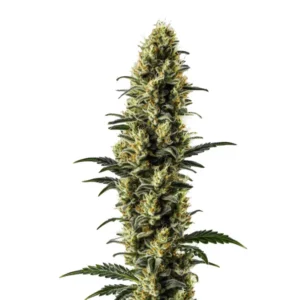
Z OG Auto
|
|
THC | 17% - 21% (Medium) |
|
|
Type | Autoflowering |
|
|
Yield | High |
|
|
Phenotype | 60% Indica / 40% Sativa |
For those growing strains like Mimosa XXL Auto and Z OG Auto, knowing how to manage allelopathic effects can make a significant difference in your harvest. We’ll also look at practical tips for reducing negative impacts and optimizing your grow environment for strains such as Do-Si-Dos Auto.
Knowing Allelopathy in Cannabis Cultivation
Allelopathy involves the chemical interactions between plants. These interactions can either suppress or encourage the growth of certain species. In a cannabis grow room, knowing how allelopathy works can help you optimize your plants’ health and yield. However, many growers wonder, does allelopathy limit nutrient uptake in cannabis? Knowing this relationship is crucial, as allelopathic compounds can influence how effectively roots absorb essential minerals and nutrients from the soil.
Not all plants exhibit allelopathic behavior, but those that do can significantly influence their neighbors. For cannabis, it’s essential to understand which companion plants might affect your crop. This knowledge can prevent unwanted growth limitations and ensure your plants receive the nutrients they need.
Allelopathy Effects on Cannabis Growth
Allelopathy can affect cannabis growth through various pathways. Some plants release chemicals that inhibit nutrient uptake in cannabis roots. This can lead to stunted growth and reduced yields. Recognizing these interactions is vital for growers aiming for high-quality harvests.
For instance, if you’re cultivating strains like Bruce Banner Auto, it’s crucial to monitor how their surrounding plants might influence their nutrient absorption. Consider experimenting with different companion plants to find the best combinations for your grow setup.
Identifying Allelopathic Plants in Your Grow Room
Knowing which plants in your environment exhibit allelopathic properties can save you time and effort. Common allelopathic plants include certain grasses and trees, which can release chemicals into the soil that affect cannabis growth.
When growing cannabis, especially strains like Tropicana Cookies Purple Auto or Amnesia Haze Auto, avoid planting them near potential allelopathic plants. Conducting soil tests and monitoring plant health are proactive measures you can take to identify any issues early on.
Promos & Deals
Managing Allelopathic Interactions in Cannabis Gardens
Managing allelopathic interactions involves careful planning and monitoring. By knowing how these chemical interactions occur, you can adjust your growing environment to minimize negative impacts on your cannabis plants.
For seasoned growers cultivating strains like Wedding Cake Auto or Gorilla Blue Auto, managing allelopathy can be the difference between a good harvest and a great one. Here are some tips to help you manage these interactions effectively.
Choosing the Right Companion Plants
Companion planting is a strategy that can help manage allelopathic interactions. Select companion plants that complement your cannabis strains, such as those that improve soil health and deter pests without releasing harmful chemicals.
For example, pairing your cannabis plants with non-allelopathic herbs or flowers can create a balanced ecosystem in your grow room. This can enhance the growth of strains like Blue Dream Auto and Strawberry Banana Auto, ensuring they receive the nutrients they need.
Optimizing Soil and Nutrient Management
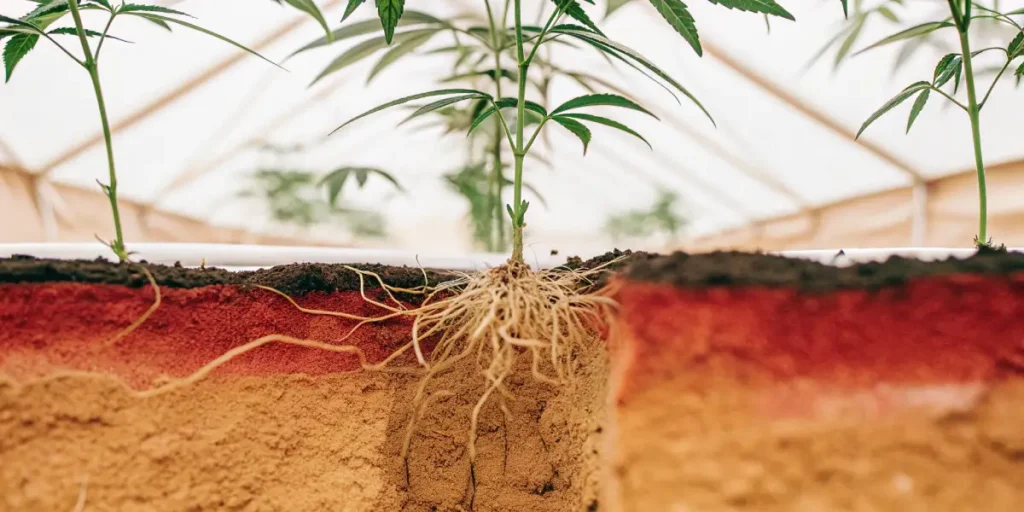
Proper soil management is crucial in minimizing allelopathic effects. Using high-quality soil and organic amendments can help reduce the impact of allelopathic chemicals. Regularly testing and amending your soil can ensure optimal nutrient availability for your plants.
For growers of strains such as Gelato Auto or Northern Lights Auto, maintaining a rigorous nutrient management schedule will help mitigate any allelopathic stress. This ensures your plants remain healthy and productive throughout their growth cycle.
FAQs about Does allelopathy limit nutrient uptake in cannabis
What is allelopathy, and how does it affect cannabis?
Allelopathy is a biological phenomenon where plants release chemicals that can influence the growth and health of surrounding plants. In cannabis cultivation, allelopathy can affect nutrient uptake and overall plant growth, leading to reduced yields and stunted growth.
Knowing allelopathy is essential for growers, as it helps in identifying potential growth challenges. By recognizing and managing these interactions, you can create a more conducive environment for your cannabis plants to thrive.
How can I tell if allelopathy is affecting my cannabis plants?
Symptoms of allelopathy can include stunted growth, yellowing leaves, and poor nutrient uptake. If your plants are not responding well to nutrients or are showing signs of stress, allelopathy might be the cause.
Conducting soil tests and observing plant health can help identify allelopathic effects. Monitor your plants closely, especially if you’re introducing new companion plants into your grow space.
Are there specific cannabis strains more resistant to allelopathy?
While no cannabis strain is entirely immune to allelopathy, some may exhibit more resilience. Strains like Gorilla Blue Auto and Amnesia Haze Auto are known for their robust growth patterns, which may help them withstand some allelopathic effects.
Experimenting with different strains and growing conditions can help identify which cannabis varieties perform best in your specific environment, minimizing the impact of allelopathy.
What companion plants should I avoid in my cannabis garden?
Avoid planting cannabis near known allelopathic plants, such as certain grasses and trees. These plants can release chemicals into the soil that hinder cannabis growth and nutrient uptake. To give vigorous, high-performance strains like Cinderella 99 x Jack Herer the best possible start, choose a clean growing area with healthy soil conditions that allow strong root development and optimal nutrient absorption.
Instead, opt for companion plants that enhance soil health and deter pests without negative allelopathic effects. This will help protect your cannabis plants and promote a healthier grow environment.
Can allelopathy be beneficial in any way for cannabis growing?
While typically seen as a challenge, allelopathy can sometimes be beneficial. Certain plants may release chemicals that deter pests or diseases, indirectly proteWhile typically seen as a challenge, allelopathy can sometimes be beneficial. Certain plants may release chemicals that deter pests or diseases, indirectly protecting your cannabis crop. When growing premium strains like Holy Grail OG, maintaining a well-balanced environment and compatible companion plants can help reduce stress factors and support strong, resilient growth throughout the cultivation cycle.cting your cannabis crop.
Knowing the potential positive and negative impacts of allelopathy allows growers to make informed decisions about plant pairings, ultimately leading to healthier and more productive cannabis gardens.