Can Weed Go Bad? Signs and Storage Tips

Can weed go bad? Yes, cannabis can degrade over time, primarily losing its potency, aroma, and flavor rather than decaying like food. Proper storage can extend its freshness for 6–12 months. However, exposure to light, heat, moisture, and air can cause it to become dry, brittle, or moldy. Moldy cannabis should be discarded as it is unsafe to consume.
Cannabis, like any organic product, is subject to degradation over time. While it can improve in flavor and potency during the initial months post-harvest, improper storage accelerates its decline. The lifecycle of cannabis involves peak terpene levels, which gradually decline, affecting both potency and flavor. Knowing how to store cannabis correctly ensures a better consumption experience and maximizes its shelf life.
Recommended Strains

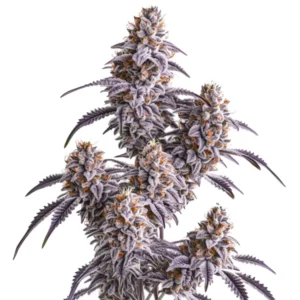
24k Gold

|
THC | 19% - 22% (Medium) |

|
Type | Feminized |

|
Yield | High |

|
Phenotype | 60% Indica / 40% Sativa |

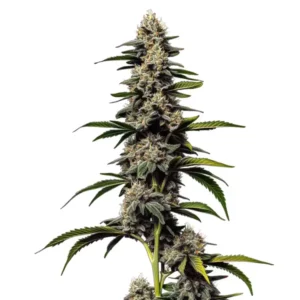
24k Gold Autoflower
|
|
THC | 18% - 24% (High) |
|
|
Type | Autoflowering |
|
|
Yield | High |
|
|
Phenotype | 40% Indica / 60% Sativa |
How Long Can Weed Last?
Does Weed Expire or Get Stale?
Weed doesn’t have a specific expiration date, but it does degrade over time. Cannabis stored under optimal conditions—cool, dark, and airtight—can maintain its potency for up to 12 months. After this period, the THC content begins to degrade, turning into CBN, which is less psychoactive. This transformation results in a more sedative effect, diminishing the desired high.
Exposure to air and light accelerates the degradation process, causing weed to become stale. Stale weed loses its vibrant aroma and flavor, resulting in a less enjoyable experience. The cannabinoids and terpenes, responsible for the plant’s effects and flavor, break down, leading to a less potent product. Regularly checking your stored cannabis for these signs can help you determine if it has gone stale.
How to Tell if Weed Has Gone Bad
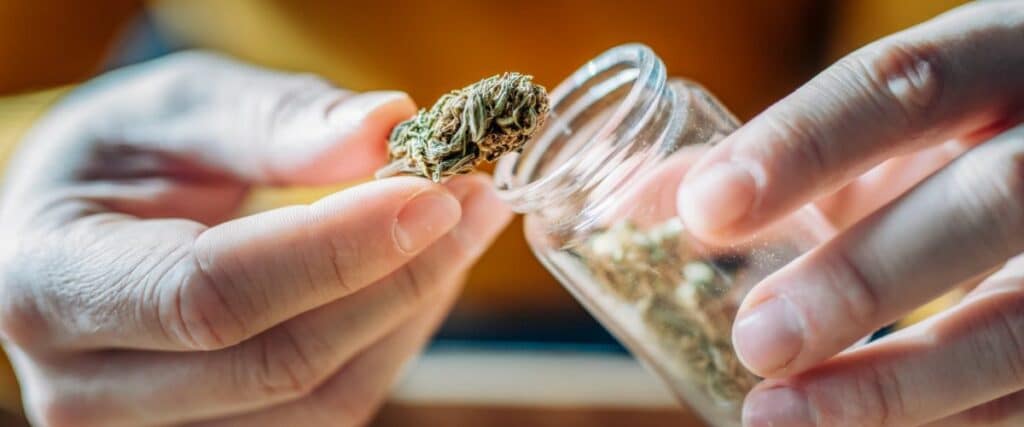
Identifying bad weed involves checking for several key indicators. First, examine the color; fresh cannabis is typically vibrant green, while degraded weed may appear brown. The smell is another crucial factor; a musty or moldy odor indicates spoilage. Finally, inspect the texture. Fresh buds should be slightly sticky, while dry, brittle buds suggest they have lost moisture and potency.
Visual cues like discoloration and the presence of white, fuzzy spots are signs of mold. Moldy weed is unsafe to consume due to potential health risks. If you detect any of these signs, it’s best to discard the affected cannabis. Regularly inspecting your stash ensures you only consume fresh and potent weed.
Promos & Deals
Signs Your Weed Has Gone Bad
How to Tell if Weed Has Gone Bad
Detecting bad weed involves a sensory evaluation. Fresh cannabis has a distinct, often skunky aroma, while degraded weed loses this scent, becoming musty or stale. The texture is another indicator; fresh buds should be slightly sticky and resilient, whereas dry, crumbly buds indicate degradation. Moldy cannabis may feel damp or spongy, signaling contamination.
Visual inspection is crucial. Look for any discoloration or white, fuzzy patches, which are signs of mold. Moldy weed poses health risks and should be discarded immediately. Regularly checking your cannabis for these signs helps ensure you consume only fresh and potent product, maintaining a pleasant experience.
Practical Application & Impact
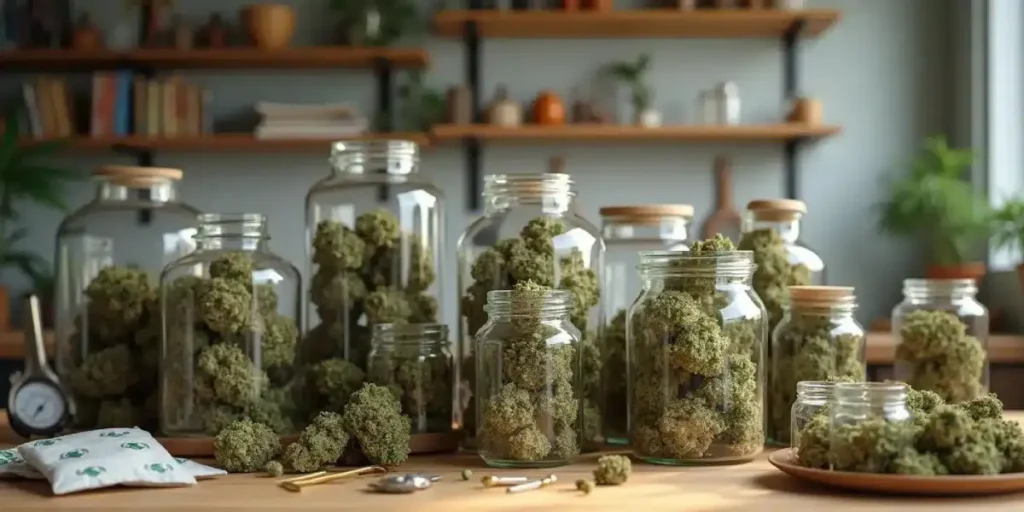
Proper storage is key to preserving cannabis quality. Use airtight containers, like glass jars, to protect against air and moisture. Store in a cool, dark place, maintaining a temperature of 60-70°F (15-21°C) and relative humidity of 58-62%. These conditions slow degradation, preserving potency and flavor for up to a year.
Expert Tip: Avoid storing cannabis in plastic bags, as they allow air to seep in, drying out the buds. Instead, opt for glass jars with airtight seals to maintain freshness. Regularly rotate your supply, using older stock first to prevent any from going stale before consumption.
Proper Storage Techniques for Cannabis
Does Freezing Weed Help It Last Longer?
Freezing cannabis can extend its shelf life by up to 12 months, preserving its green color and preventing mold growth. However, freezing can cause trichomes, the resinous glands containing THC, to become brittle and break off, reducing potency. This method is best for long-term storage but may compromise flavor and aroma.
When freezing cannabis, use airtight containers to prevent moisture from entering. Avoid frequent opening, as condensation can lead to mold. Thaw frozen weed at room temperature before use to minimize trichome loss. This method is ideal for those with large quantities of cannabis they wish to preserve.
Can Moldy Weed Be Dangerous?
Moldy weed poses significant health risks, especially when smoked or ingested. Mold spores can cause respiratory issues, headaches, and nausea. Those with asthma or compromised immune systems are particularly vulnerable. If you detect a musty odor or fuzzy white spots, discard the cannabis immediately to avoid health complications.
Expert Tip: Always store cannabis in a dry, cool environment to prevent mold growth. Use a hygrometer to monitor humidity levels, keeping them between 58-62%. This range prevents mold while preserving terpenes and cannabinoids, ensuring a potent and enjoyable experience.
| Feature / Merkmal | Blue Haze | Critical X GG4 Auto | Bruce Banner 3 |
|---|---|---|---|
| THC Content | 20-24% | 18-22% | 25-29% |
| Dominant Terpene | Myrcene | Caryophyllene | Limonene |
| Aroma | Fruity, Spicy | Earthy, Pine | Citrus, Sweet |
| Effect | Relaxing, Euphoric | Calming, Uplifting | Energetic, Creative |
| Shelf Life | Up to 12 months | Up to 12 months | Up to 12 months |
Professional Tips for Storing Cannabis
- Maintain 58-62% RH during storage. Below 55% can dry out buds, while above 65% promotes mold growth.
- Store cannabis at 60-70°F (15-21°C) to preserve potency and prevent degradation.
- Use glass jars with airtight seals to protect against air and moisture.
- Avoid plastic bags as they allow air to seep in, drying out the cannabis.
- Rotate your supply, using older stock first to prevent it from going stale.
- Monitor for mold by checking for musty odors and white, fuzzy spots.
FAQs About Cannabis Storage
Can old weed get you sick?
Old weed itself is unlikely to make you sick, but if it has developed mold, it can pose health risks. Moldy cannabis can cause respiratory issues and other symptoms, especially for those with asthma or allergies. Always check for signs of mold, such as a musty odor or white spots, before consuming.
How long until weed turns bad?
Weed can start to degrade after 6-12 months if not stored properly. Factors like exposure to light, air, and humidity can accelerate this process, leading to a loss of potency and flavor. Proper storage in a cool, dark, and airtight environment can extend its shelf life.
How long can weed be good?
Stored correctly, cannabis can remain potent and flavorful for up to a year. After this period, THC content begins to degrade, affecting the high. To maximize shelf life, keep cannabis in airtight containers away from light and heat, maintaining a stable temperature and humidity level.
Is weed from 4 years ago still good?
Weed stored for 4 years is likely to have lost significant potency and flavor. THC degrades over time, turning into CBN, which is less psychoactive. While it may not be harmful, the experience will be far less enjoyable. Always check for mold before considering consumption.
What are the signs of moldy weed?
Moldy weed often has a musty odor and visible white or gray spots. These signs indicate contamination, which can pose health risks if consumed. Mold thrives in damp conditions, so ensure your cannabis is stored in a dry, cool place to prevent mold growth.